

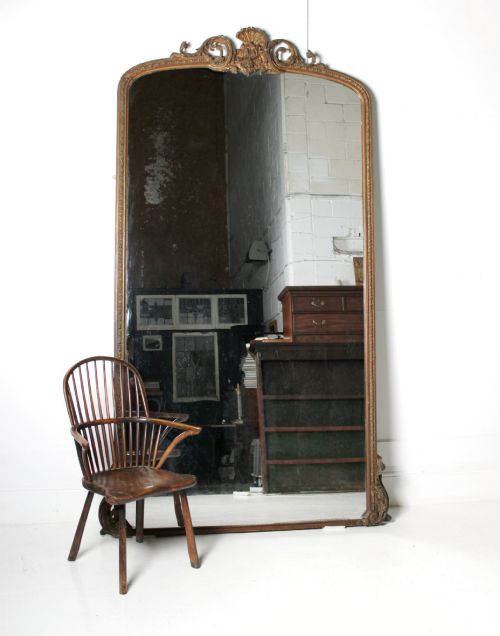
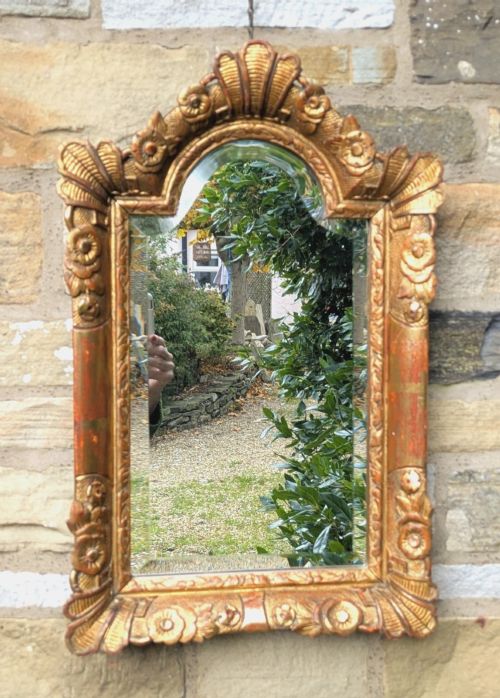
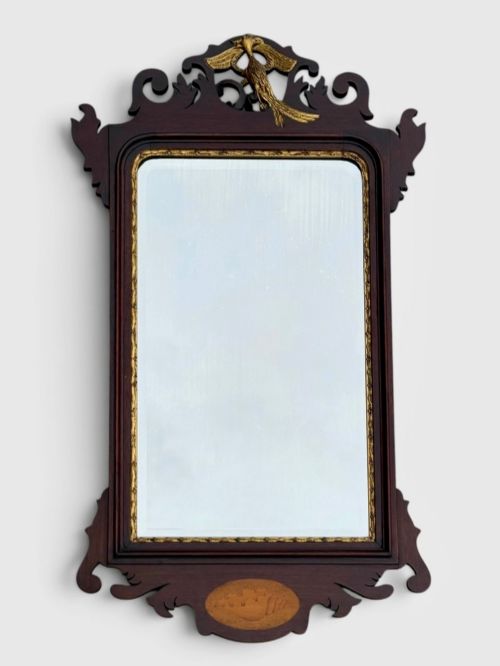
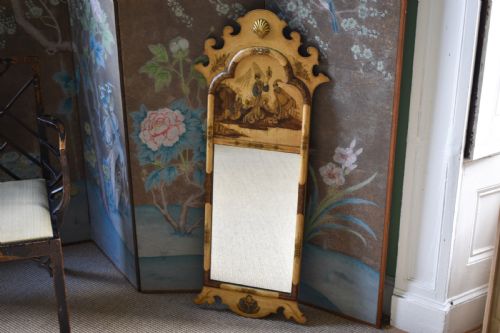






Gilded Shell Mirror
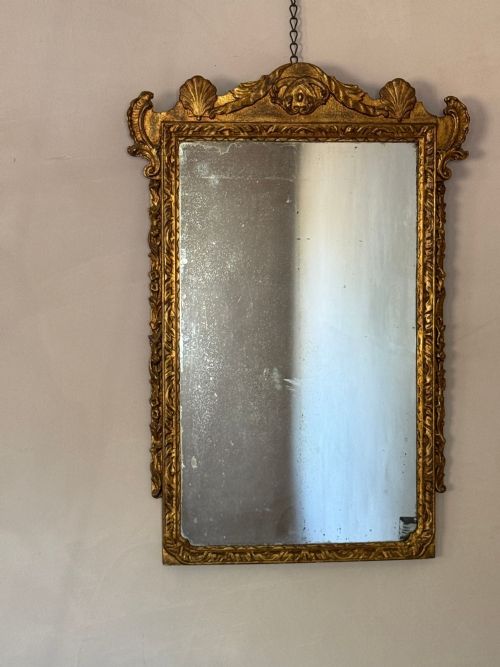
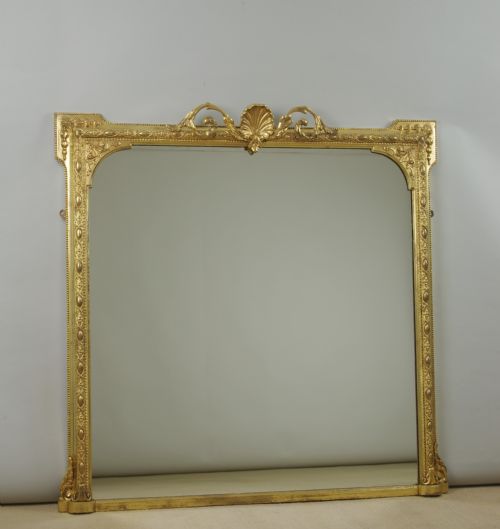
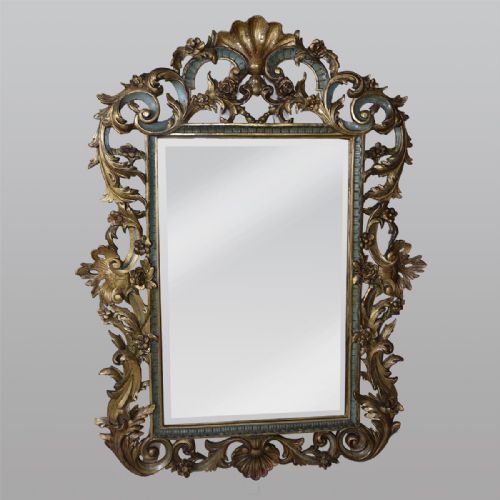
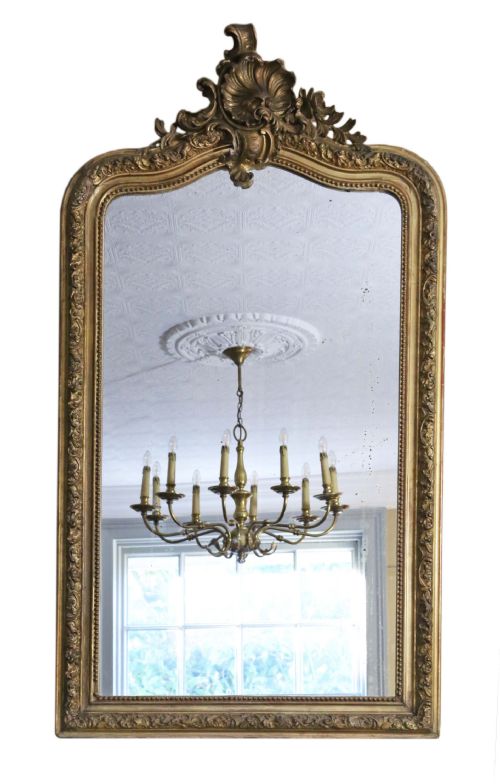
These gilded shell mirror examples bring a touch of historic maritime elegance and classical flourish to an interior through ornate wooden frames.
Gilded Shell Mirror
A gilded shell mirror combines carved wooden frames with reflective glass, frequently featuring motifs inspired by natural shells and marine themes. When searching for a gilded shell mirror, buyers encounter a variety of forms ranging from compact wall pieces to grand overmantels.
The selection spans multiple periods, including pieces from the eighteenth and nineteenth centuries alongside later revivals like the Rococo style and Queen Anne interpretations. These mirrors function as both practical looking glasses and decorative focal points within traditional rooms.
How they were made
Craftsmen used woods such as mahogany, walnut, and soft timbers as the structural base for these frames, often applying layers of gesso to create smooth surfaces for carving. Artisans then shaped intricate details like shell motifs and foliage into the gesso or direct wood.
Gold leaf or liquid gilding was applied over the prepared surface to achieve the characteristic metallic finish seen on these antique frames. Mirror glass was individually cut and set into the rebated backs, sometimes utilising bevelled edges or multiple plates.
Gilded Shell Mirror Retail Price Guide 2026
Typical asking prices for gilded shell mirror among the pieces listed under this phrase on Sellingantiques today, from the lower quarter to the upper quarter. They describe what is for sale here now, not the wider market.
Object forms include wall mirrors, pier mirrors, and large overmantel mirrors spanning various revival styles.
What varies in quality
The depth and crispness of the hand-carved details distinguish finer examples from simpler production pieces, particularly around complex shell and foliage elements. Superior execution shows smooth integration between the wooden substrate, the gesso layer, and the gilt finish.
The age and originality of the mirror glass itself contribute significantly to the character of the piece, with older plates displaying distinct oxidation and silvering patterns. The selection of primary timbers, such as figured walnut or dense mahogany, also indicates the tier of the original commission.
The Gilded Shell Mirror Glossary
- Giltwood
- Wood that has been coated with gold leaf or a gold-coloured metallic finish. This material provides the bright reflective surface characteristic of many antique frames.
- Gesso
- A plaster-like mixture applied to wood frames to create a smooth surface for carving and gilding. It allows artisans to shape intricate relief details.
- Overmantel mirror
- A large mirror designed to hang specifically above a fireplace mantel. These pieces often feature wide formats to span the width of the hearth.
- Fretwork
- Thin wood panels cut with decorative patterns using a fretsaw. This technique appears on the flat borders of certain period wall mirrors.
Gilded Shell Mirror: Frequently Asked Questions
How do I clean a giltwood frame?
Giltwood frames require gentle dusting with a soft, dry brush to prevent damage to the delicate gold leaf layer. Moisture and chemical cleaners should be avoided entirely to preserve the historic finish.
Taking care with placement away from direct sunlight and damp environments helps maintain the stability of the gesso and wood underneath.
Where should I hang an overmantel mirror?
Overmantel mirrors are traditionally positioned directly above a fireplace mantel to reflect light and anchor the room's central living space. They can also be mounted on large drawing room walls to create a sense of expanded depth.
Ensure the wall structure and fixings are robust enough to support the substantial weight of these large framed glasses.
Are these mirrors original antique glass?
Many period mirrors retain their original glass plates, which often exhibit subtle distortions, foxing, or minor silvering losses over time. These natural ageing signs help confirm the period authenticity of the piece.
Replacement glass does appear in some examples where the original plate suffered breakage during the lifespan of the mirror.
What is the difference between Georgian and Victorian styles?
Georgian mirrors often feature architectural symmetry, walnut veneers, and restrained carved details inspired by classical proportions. Victorian interpretations tend toward heavier proportions, ornate overmantel formats, and revivals of earlier Rococo or Baroque motifs.
Examining the construction methods, backboards, and secondary timbers helps clarify the specific era of manufacture.