


Gilded Porcelain Water Jug
These gilded porcelain water jug pieces combine utility with rich metallic decoration, offering a striking display for the collector of decorative ceramics.
Gilded Porcelain Water Jug
When you search for a gilded porcelain water jug, you encounter a variety of forms including ewers, pitchers, and washstand sets spanning the Georgian, Regency, and Victorian periods. These pieces range from functional washstand accessories to highly decorative ornamental ewers.
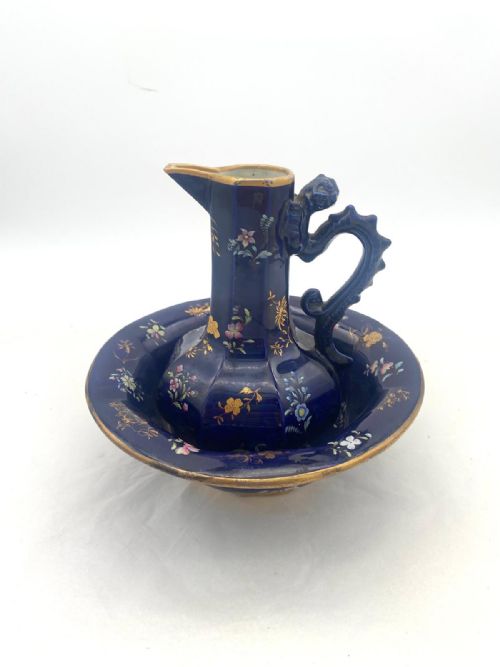
The selection includes items produced by notable factories such as Royal Worcester, Derby, and Chamberlain Worcester, alongside French porcelain and Masons ironstone examples. Many incorporate matching bowls or form part of larger toilet sets intended for nineteenth-century interiors.
Materials and manufacture
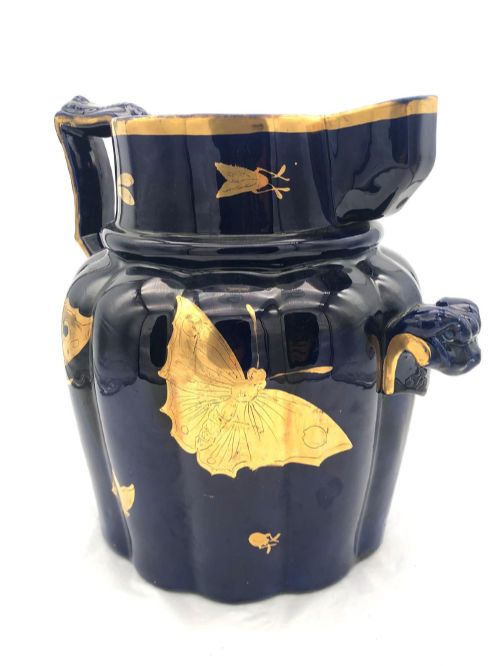
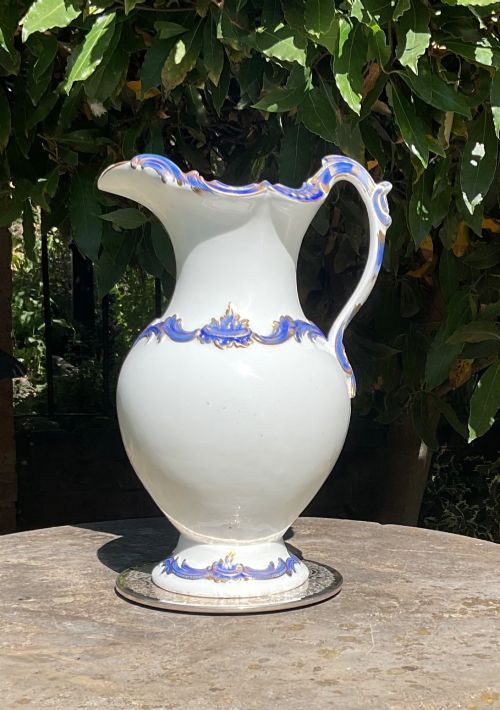
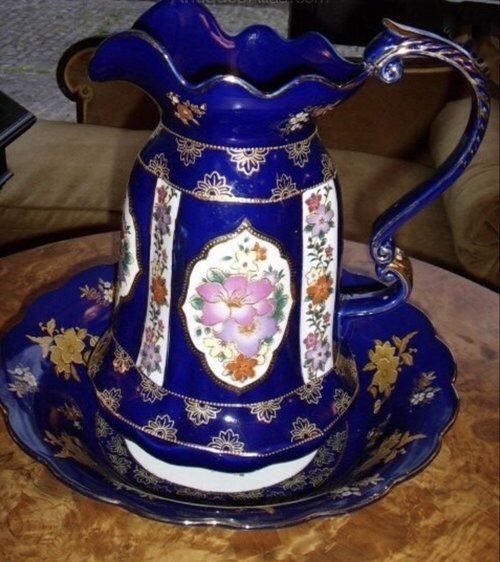
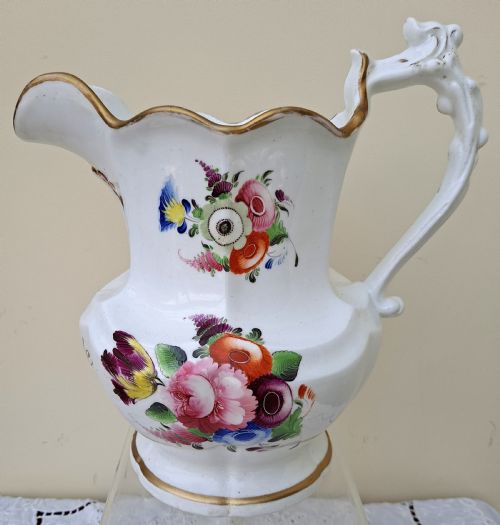
The primary body of these pieces is formed from hard or soft-paste porcelain, occasionally supplemented by ironstone or enamel decoration. Artisans applied gold leaf, gilding, and gold gilt by hand to highlight handles, rims, and moulded motifs.
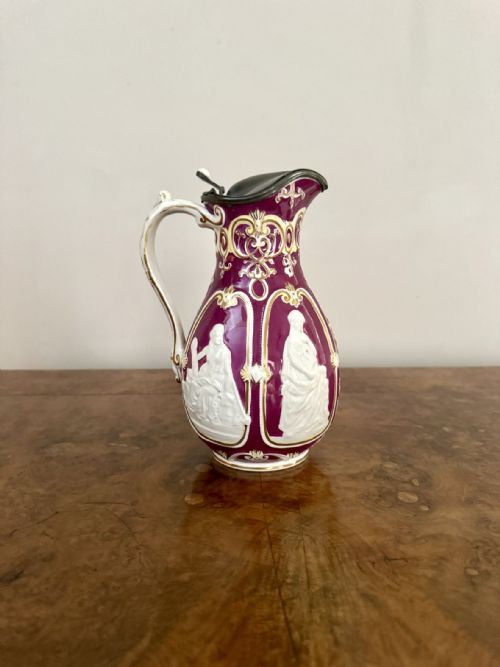
Surface ornamentation frequently involves handpainted botanical motifs, armorial crests, birds, and insects combined with cobalt blue glazes. Certain examples also feature pewter lids or moulded figural elements.
Listings feature porcelain water jugs and ewers spanning the Georgian, Regency, Victorian, and Edwardian periods, alongside ironstone and enamel examples.
Distinctions in quality
Quality in these items rests upon the crispness of the porcelain moulding and the refinement of the handpainted details. Superior pieces display intricate pictorial scenes, such as views of abbeys, or finely executed armorial crests rather than simple floral repeats.
The application and preservation of the gold leaf or gilding also dictate the calibre of the piece. Intact, burnished gilding applied by established factories commands greater appreciation than worn or utilitarian factory output.
Royal Worcester·Chamberlain Worcester·Derby Porcelain·Meissen·Coalport·Royal Dux·Masons Ironstone
The Gilded Porcelain Water Jug Glossary
- Ewer
- A large jug with a wide spout and curved handle, historically used for water alongside a basin. These often served decorative purposes in grand nineteenth-century rooms.
- Ironstone
- A heavy, durable type of earthenware patented in the nineteenth century that mimics porcelain. It provides a robust body for large jugs and basins.
- Gilding
- The application of gold leaf or gold powder to the ceramic surface. This technique creates metallic highlights across handles, spouts, and borders.
- Armorial
- Decorated with a coat of arms or family crest. Such pieces were frequently commissioned by prominent households.
- Puce mark
- A purple-red factory stamp used on the underside of ceramics. It often assists in dating pieces from manufacturers like Royal Worcester.
Gilded Porcelain Water Jug: Frequently Asked Questions
How were gilded porcelain water jugs used?
These jugs primarily functioned as part of washstand sets in bedrooms, holding water for washing alongside a matching basin. Wealthier households also displayed decorative ewers on sideboards or mantelpieces as ornamental works of art.
Over time, their practical use declined as indoor plumbing modernised, shifting their role entirely to display and collection. Today, collectors appreciate them for their sculptural forms and intricate surface artistry.
How do I identify a Regency period jug?
Regency era jugs often feature classical shapes influenced by ancient Greek and Roman pottery, characterised by graceful curves and refined handles. They frequently display handpainted details such as topographical views or delicate armorial crests.
Examining the paste, weight, and decorative motifs helps distinguish these earlier pieces from later Victorian revivals. Factory marks, where present, provide further confirmation of the manufacturing decade.
Are these jugs safe to use with water?
While these pieces were originally made to hold water, age and delicate materials make modern utilitarian use inadvisable. Enamel work, gold leaf, and historic ceramic bodies can be compromised by moisture and frequent handling.
It is best to treat antique ewers and jugs as decorative display items rather than functional tableware. Gentle dusting with a dry cloth is sufficient for their ongoing care.
What does an armorial crest signify?
An armorial crest indicates that the jug was custom-ordered for a specific family or landed estate. These bespoke commissions usually feature the family's heraldic bearings handpainted onto the porcelain body.
Such pieces hold particular historical interest because they connect the ceramic object directly to a specific lineage. They represent some of the finest bespoke output from period porcelain manufacturers.