





Gilded Metal Hanging Lamp
A gilded metal hanging lamp brings warm, reflective illumination to a hall or reception room through its combination of metalwork and glass.
Gilded Metal Hanging Lamp
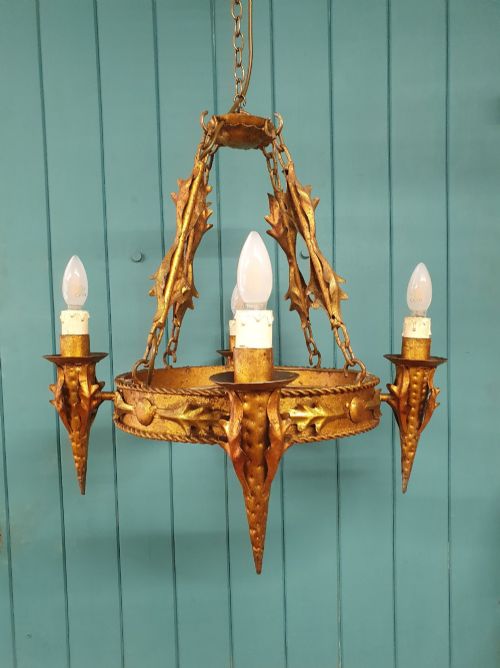
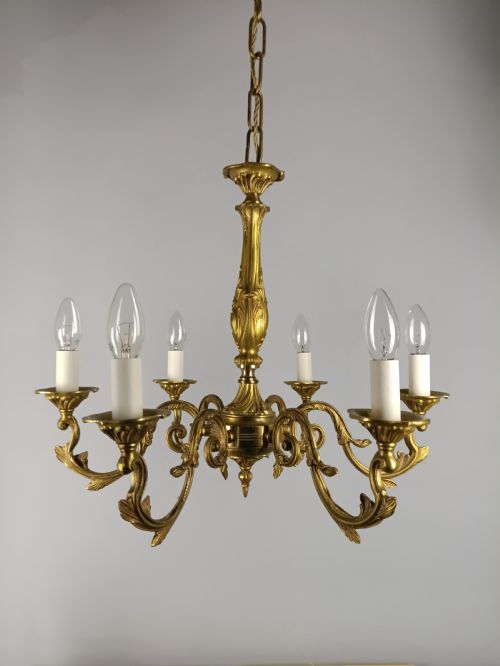
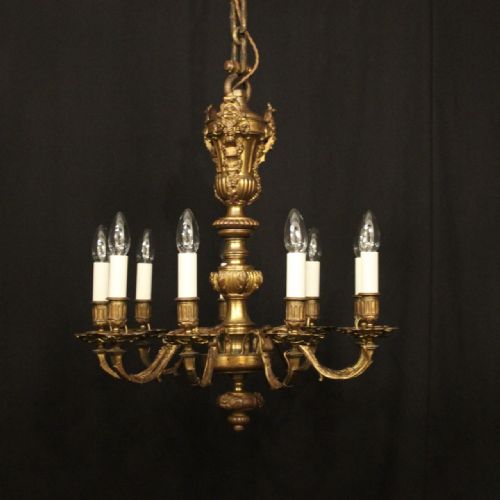
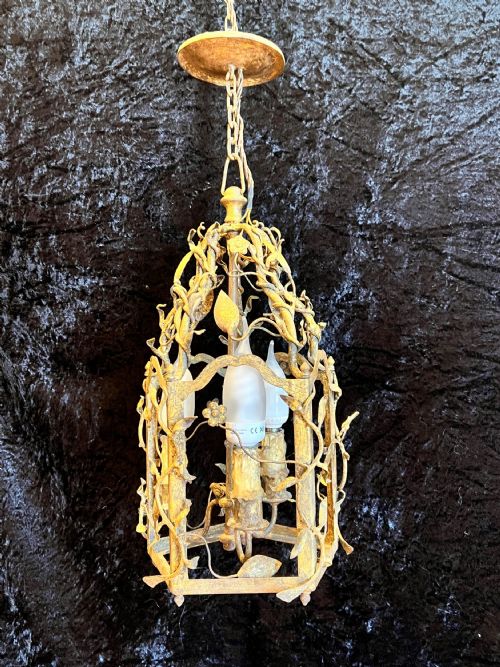
A gilded metal hanging lamp encompasses a range of overhead lighting fixtures designed to suspend from the ceiling, including multi-light chandeliers and enclosed hall lanterns. The pieces seen here span periods from the nineteenth century through the nineteen-thirties, with French and Italian regional designs predominating.
Buyers will encounter grand multi-light chandeliers featuring brass and bronze frames alongside more intimate hall lanterns and pendant lights fitted with glass crystals or convex glass panels. These fixtures utilise various traditional styles such as Gothic Revival, Neoclassical, and Rococo Revival to create a distinct decorative presence in a room.
The most common formats on this page are French and Italian chandeliers offering between three and ten lights, often complemented by architectural lanterns in gilt brass or wrought iron. Each configuration reflects the interior lighting requirements of its period, from the domestic scale of Edwardian glass pendants to the expansive proportions of nineteen-thirties reception chandeliers.
How they were made
Craftsmen built these hanging lamps using foundational structural metals such as brass, bronze, and wrought iron, which provided the necessary strength to support multiple light branches and glass components. These metal frames received surface applications of gold leaf or gilding to create a lustrous finish that amplified the light from candles or early electric bulbs.
Glazing and crystal embellishment formed an integral part of construction, utilising clear or coloured glass panels, drops, and convex shades to diffuse illumination. Metalworkers shaped the components through casting, forging, and soldering, assembling intricate frameworks that incorporated stylistic motifs from Gothic to Neoclassical traditions.
Gilded Metal Hanging Lamp Retail Price Guide 2026
Typical asking prices for gilded metal hanging lamp among the pieces listed under this phrase on Sellingantiques today, from the lower quarter to the upper quarter. They describe what is for sale here now, not the wider market.
One Edwardian hanging light pairs practical dimpled red glass with gilded metalwork for an unexpected dash of colour.
What varies in quality
The distinction between standard and superior examples lies in the depth of detail present in the metal casting and the integrity of the original gilt surface. Finer pieces display crisp ornamentation and substantial gauge metal that holds its structure firmly across larger chandelier frames.
Quality also manifests in the integration of glass elements, where heavy crystal drops and properly fitted convex glass panels indicate a higher grade of manufacture. Inferior examples may rely on lighter gauge sheet metal and simplified fittings that lack the architectural presence of the best period workshops.
The Gilded Metal Hanging Lamp Glossary
- Chandelier
- A branched ceiling-mounted lighting fixture designed to hold multiple light sources. These fixtures distribute illumination across a space from a central suspended point.
- Hall lantern
- An enclosed hanging light fixture typically suspended in an entryway or corridor. They use glass panels or crystals to protect the light source while casting an ambient glow.
- Gilding
- The application of a thin layer of gold leaf or gold paint to a metal surface. This technique enhances the decorative appeal and reflective quality of the fixture.
- Gothic Revival
- An architectural and decorative style drawing inspiration from medieval forms. Pieces in this manner feature pointed arches, tracery, and robust iron or brass frames.
- Convex glass
- Curved glass panels shaped outward to diffuse light and provide a wide viewing angle. This material is frequently utilised in period hall lanterns.
Gilded Metal Hanging Lamp: Frequently Asked Questions
Where should I hang a gilded metal hanging lamp?
These fixtures suit entrance halls, stairwells, and principal reception rooms where overhead illumination serves as a primary decorative feature. Their suspended design draws the eye upward and establishes a clear stylistic focal point in spaces with sufficient ceiling height.
Larger multi-light chandeliers require substantial room dimensions to balance their physical scale and light output properly. Hall lanterns function effectively in narrower transition spaces where an enclosed profile maintains adequate clearance.
How do I date an antique hanging lamp?
Dating relies on observing the stylistic vocabulary, manufacturing techniques, and material combinations characteristic of specific periods. Pieces reflecting nineteenth-century Gothic Revival or Victorian aesthetics display heavier cast components and distinct architectural references compared to later twentieth-century forms.
The integration of wiring methods, glass cutting styles, and regional metalworking traits provides further evidence of origin. Comparing the decorative motifs against documented examples from French and Italian workshops helps narrow the period of manufacture.
Can these lamps be wired for modern electricity?
Most antique fixtures of this type are adapted for contemporary electrical standards during restoration or installation. Electric lamp holders are integrated into the existing internal channels or branch arms to maintain the original external appearance.
Professional rewiring ensures the metal frame is properly earthed and capable of supporting current voltage requirements safely. This adaptation allows historical lighting pieces to function within modern residential electrical systems without altering their visual character.
How do I clean a gilded metal hanging lamp?
Maintenance involves gentle dusting with a soft brush or microfiber cloth to prevent particulate buildup on the metal and glass surfaces. Harsh chemical cleaners and abrasive cloths must be avoided to preserve the delicate gilt layers and surface patination.
Crystal drops and glass panels can be wiped down individually with a mild, non-ammonia solution when detached or carefully supported. Regular, light maintenance protects the finish and keeps the reflective glass components clear.