





Gilded Metal Frame
These gilded metal frame pieces bring period elegance to interiors, offering enduring decorative appeal through cast brass, gilt bronze, and ornate metalwork.
Gilded Metal Frame
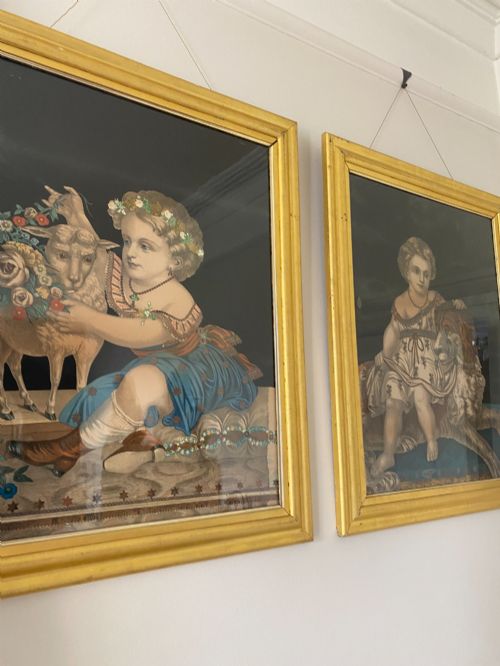
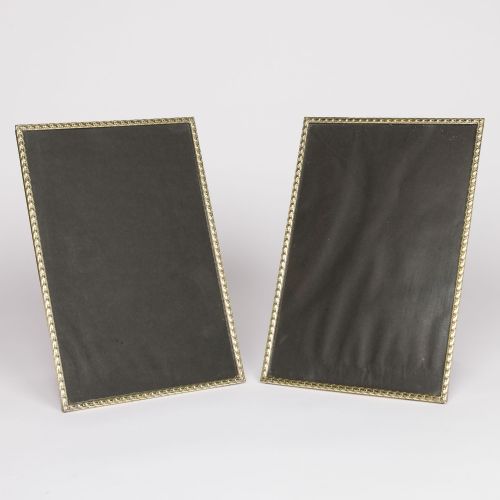
A gilded metal frame search covers a diverse selection of decorative items, ranging from picture frames and photograph holders to wall mirrors, plaques, and lighting fixtures. Buyers encounter various forms executed in materials like gilt brass, bronze, and white metal.
The pieces span multiple eras, including Victorian, Edwardian, and the early twentieth century, alongside earlier eighteenth-century examples. Continental aesthetics, particularly French Rococo Revival and Louis XVI styles, heavily influence the design repertoire.
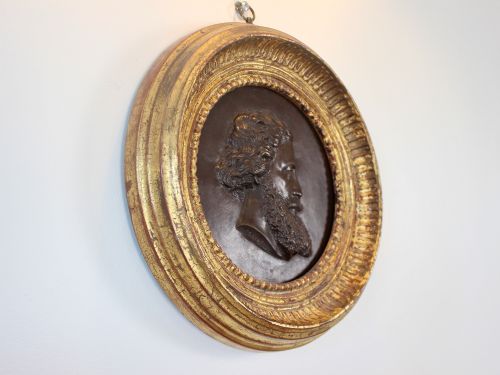
Mirrors and picture frames dominate the selection, often accompanied by sculptural bronze plaques and crystal chandeliers featuring gilded metal mounts. Each object serves a distinct decorative or functional purpose within domestic spaces.
How they were made
Construction relies heavily on metal casting techniques, utilising brass, bronze, and cast iron to form sturdy structural elements. Artisans then apply gilding to the metal surfaces to achieve a bright, reflective finish.
Many items incorporate secondary materials such as glass, mirror glass, silk, and wood to complement the metallic structures. Detailed relief work and applied ornamentation enhance the visual depth of the frames and plaques.
Gilded Metal Frame Retail Price Guide 2026
Typical asking prices for gilded metal frame among the pieces listed under this phrase on Sellingantiques today, from the lower quarter to the upper quarter. They describe what is for sale here now, not the wider market.
Listings feature items from the Victorian, Edwardian, and eighteenth-century periods, alongside pieces dated across the early twentieth century.
What varies in quality
The refinement of the casting and chasing work defines the upper tier of these pieces, showing crisp detail in relief elements and ornamentation. Lesser examples display softer edges and simpler, less defined surface decoration.
The preservation of the original gilding and the integrity of secondary materials like mirror glass or silk significantly influence the overall character. Superior items maintain cohesive design execution across both primary mounts and structural supports.
Coalbrookdale·Moseley·Mainfroy
The Gilded Metal Frame Glossary
- Gilt bronze
- Metal alloy cast and finished with a thin layer of gold or gold-coloured wash. This technique provides a durable and lustrous metallic surface.
- Cast brass
- Alloy of copper and zinc poured into moulds to create decorative hardware and frames. The material allows for intricate relief detailing.
- Relief tableau
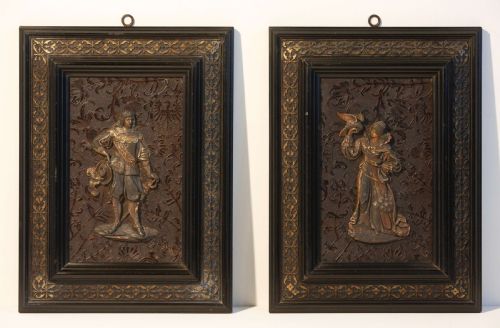
- Pictorial scene sculpted to project from a flat background surface. These panels often depict historical or figural subjects in metal.
Gilded Metal Frame: Frequently Asked Questions
What periods do these pieces span?
The selection includes items from the eighteenth, nineteenth, and early twentieth centuries. Victorian and Edwardian examples sit alongside earlier continental pieces.
Specific dates and stylistic revivals help contextualise the age and origin of each individual object.
How were gilded metal frames used?
These items functioned primarily as decorative household furnishings, housing mirrors, photographs, and artwork. Wall plaques and chandeliers also integrated metalwork into interior schemes.
Their placement added reflective light and ornate visual texture to period rooms.
What materials are commonly found?
Construction frequently involves brass, bronze, and white metal finished with gilding. Glass, mirror glass, silk, and wood appear as complementary elements.
Cast iron and paste stones also feature in specific decorative hardware and picture frames.
How do styles differ across pieces?
Stylistic influences range from French Chateau and Louis XVI to Baroque and Rococo Revival. These designs incorporate classical motifs and elaborate scrolling ornamentation.
Later Edwardian and early twentieth-century pieces often reflect more restrained interpretations of these historic styles.