



Gilded Metal Appliques
Gilded metal appliques bring sophisticated illumination and classical French styling to a room, functioning primarily as decorative wall lights.
Gilded Metal Appliques
When searching for gilded metal appliques, buyers are looking at decorative wall lights designed to mount directly onto vertical surfaces. These pieces function both as functional lighting fixtures and as prominent wall ornaments.
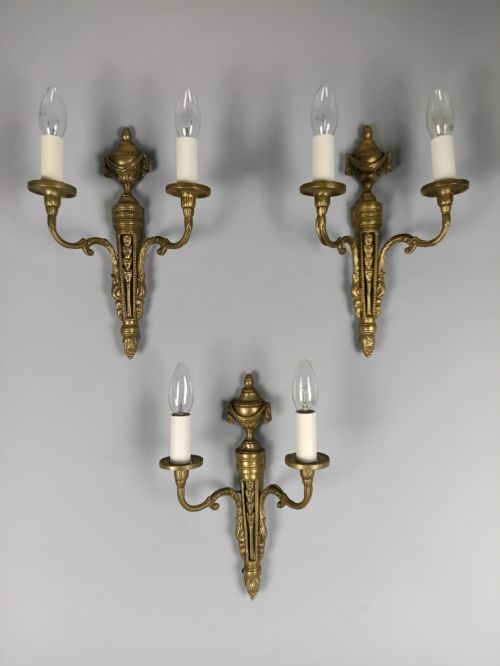
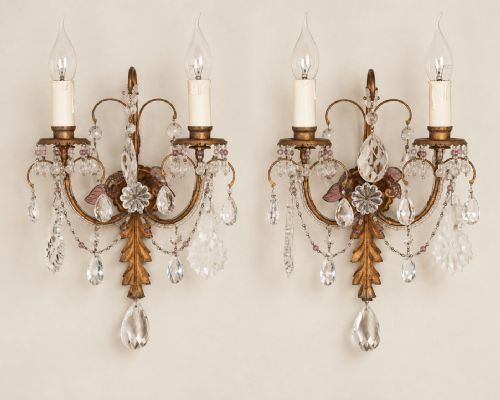
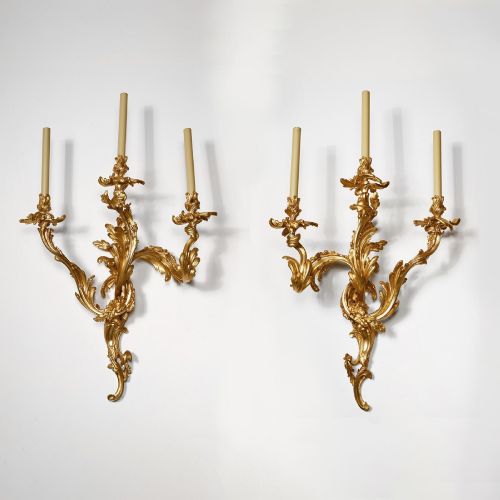
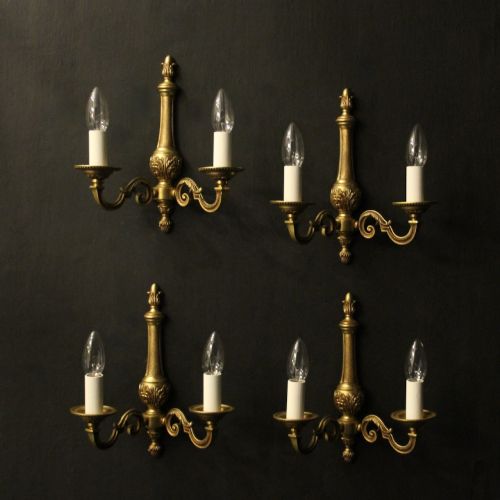
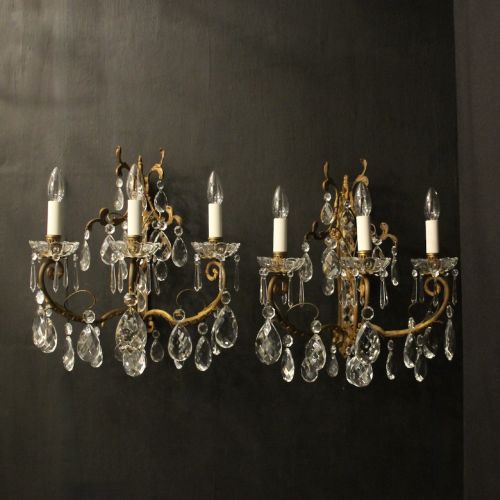
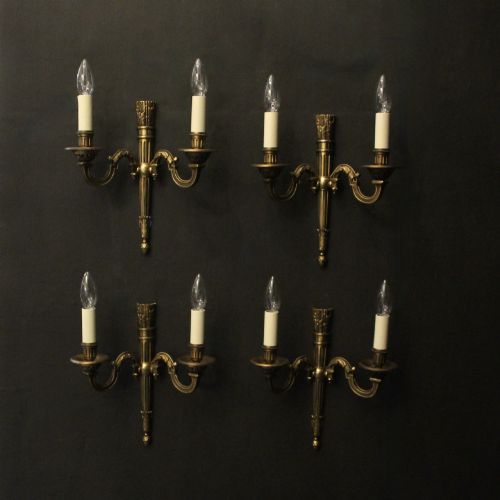
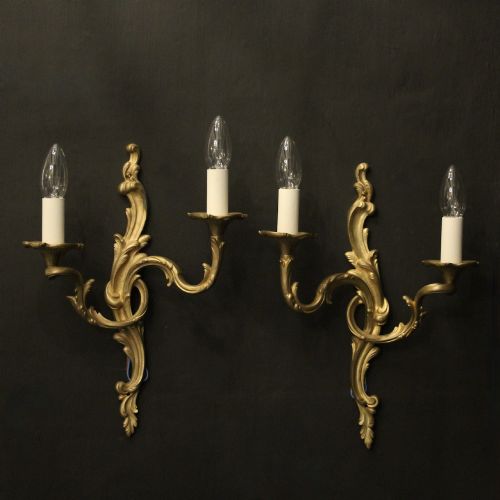
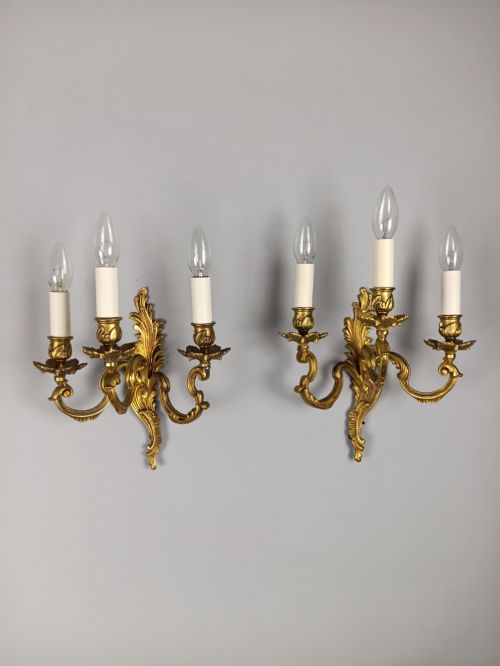
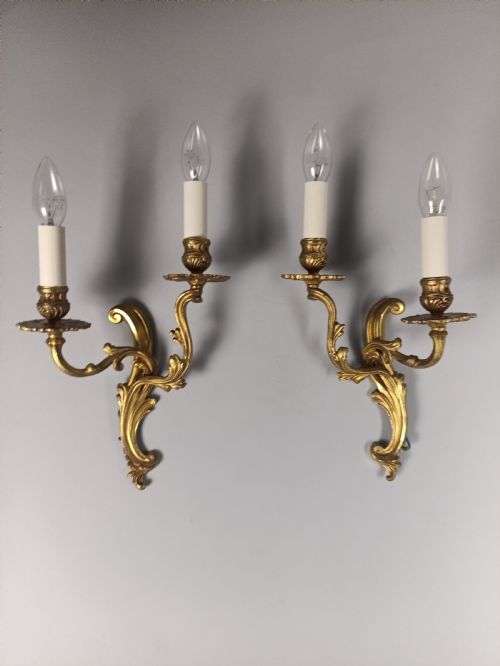
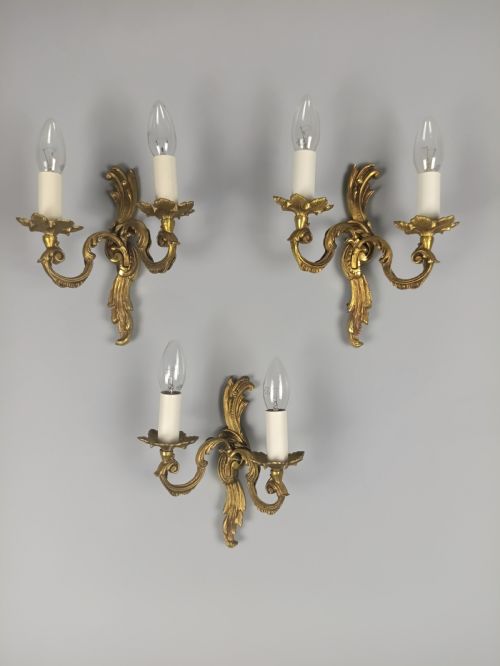
The versions most commonly met on this page are French wall lights and wall sconces dating from the late nineteenth century through to the 1930s. They frequently appear as pairs or sets featuring twin or triple arms for candles or bulbs.
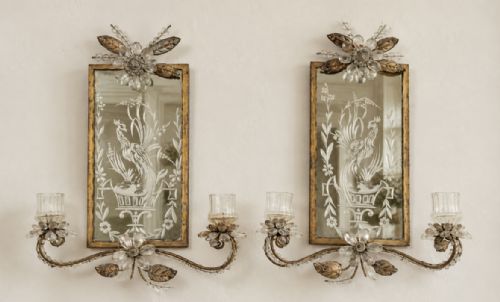
The dominant aesthetic draws heavily on classical European decorative arts, particularly French Rococo, Empire, and Louis XVI styles. Florentine and Italian variations also appear, bringing regional cast metal and giltwood details to the form.
Materials and Construction
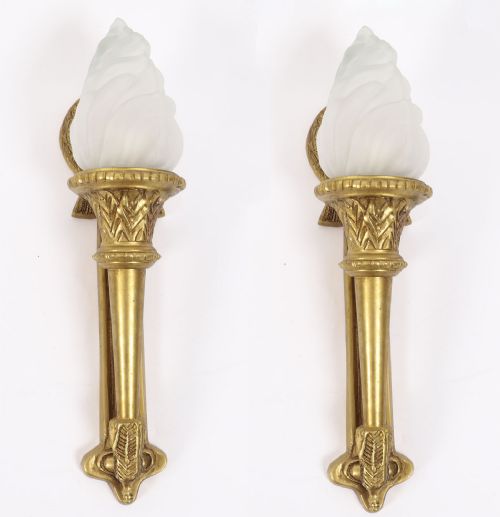
The primary structural materials utilised in these pieces include brass, bronze, and gilt metal, often finished with a layer of gold gilding or ormolu. Artisans cast these metals into elaborate scrollwork, floral motifs, and classical torches before applying surface finishes.
Many examples incorporate glass and crystal elements, such as hanging drops or flaming torch components, which catch and reflect the light. Construction methods rely on heavy casting and secure mechanical joints to support multiple candle arms projecting from the wall plate.
Gilded Metal Appliques Retail Price Guide 2026
Typical asking prices for gilded metal appliques among the pieces listed under this phrase on Sellingantiques today, from the lower quarter to the upper quarter. They describe what is for sale here now, not the wider market.
Some wall lights disguised their practical function by taking the fiery shape of an antique torch, ensuring the room looked dramatic even when the candles unlit.
Factors of Quality
Quality in these lighting fixtures rests on the crispness of the metal casting and the depth of the original gilding. Finer examples display sharp definition in acanthus leaves, scrollwork, and figurative details rather than softened contours from worn moulds.
The weight of the cast bronze or brass and the structural integrity of the arm junctions separate standard production from superior pieces. Heavier gauge metals and robust backplates ensure the wall lights hang flush and support their arms securely over decades of use.
The Gilded Metal Appliques Glossary
- Ormolu
- Finely ground high-carat gold mercury-gilded onto a bronze object. This technique produces a warm, durable finish characteristic of luxury French decorative metalwork.
- Applique
- A decorative wall-mounted fixture designed to hold candles or electric lamps. In lighting terms, it is synonymous with a wall sconce.
- Rococo
- An ornate, asymmetrical design style characterised by C-scrolls, shell motifs, and naturalistic plant forms. It dominated mid-eighteenth-century French decorative arts and saw major revivals.
- Empire
- A neoclassical design style inspired by ancient Roman, Greek, and Egyptian motifs. Pieces from this vocabulary feature military trophies, laurel wreaths, and classical urns.
- Toleware
- Lacquered or enamelled sheet metal painted with decorative motifs. It provides a colourful alternative to polished or gilded bronze on specific wall light designs.
Gilded Metal Appliques: Frequently Asked Questions
How were gilded metal appliques used historically?
These fixtures were mounted on walls in pairs or larger sets to illuminate reception rooms, hallways, and formal chambers. Positioned beside mirrors or paintings, they multiplied ambient candlelight throughout the interior.
Over time, many of these historical wall lights have been safely converted to electricity while retaining their original decorative metal frames and candle drip pans.
How do I identify French Empire style appliques?
French Empire pieces typically display strict symmetry, martial iconography, and motifs drawn from classical antiquity. Look for cast details such as flaming torches, laurel wreaths, and geometric borders.
This style emerged during the early nineteenth century and saw revivals into the twentieth century, maintaining a heavy, dignified silhouette on the wall.
Are these wall lights wired for electricity?
Most pieces found in this category have been adapted for modern electrical wiring at some point in their history. The conversion usually preserves the external brass, bronze, or gilt metal arms while housing internal components safely within the backplate.
Buyers should inspect the specific wiring configuration of each set to confirm compatibility with current household electrical standards.
What is the difference between ormolu and gilt brass?
Ormolu specifically refers to mercury gilding applied to a bronze base, resulting in a rich, deep golden lustre that resists tarnishing. Gilt brass or gilt metal typically involves a different plating method applied to a less expensive copper-zinc alloy base.
Both materials achieve a bright golden appearance, but bronze and ormolu traditionally indicate a higher tier of period manufacturing quality.
How should I clean antique gilded metal wall lights?
Dust these fixtures gently with a soft, dry microfibre cloth to prevent the accumulation of dirt within the cast crevices. Avoid abrasive cleaning agents, harsh chemical polishes, or excessive moisture, which can strip the delicate surface gilding.
Preserving the original patination on bronze and brass ensures the metal retains its historical character and depth of colour.