

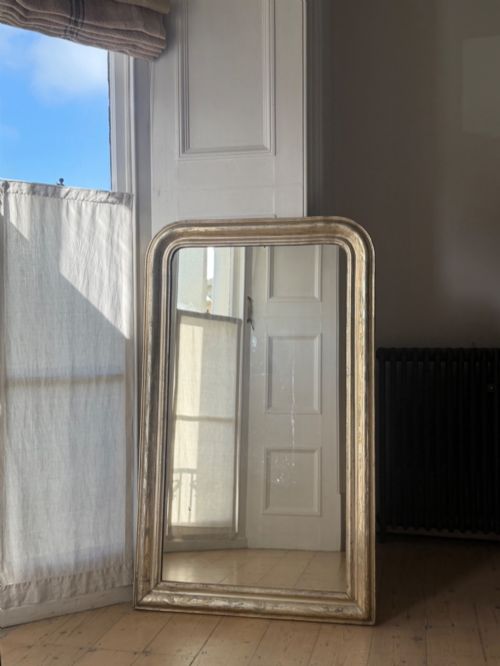
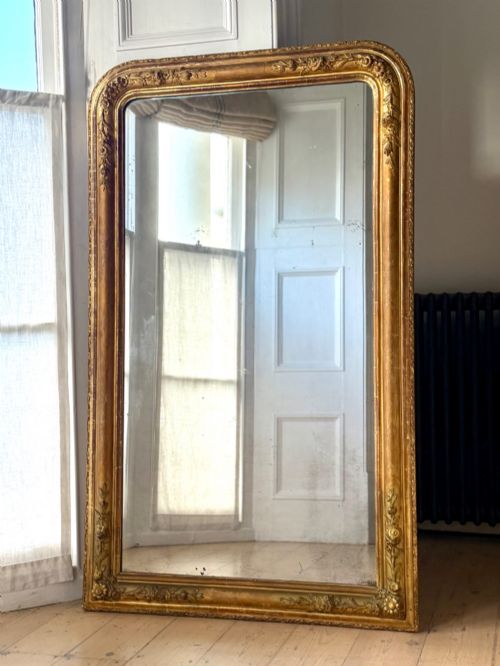
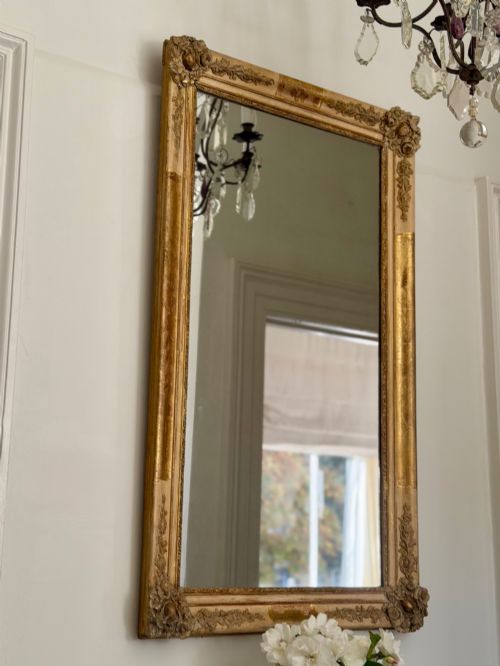
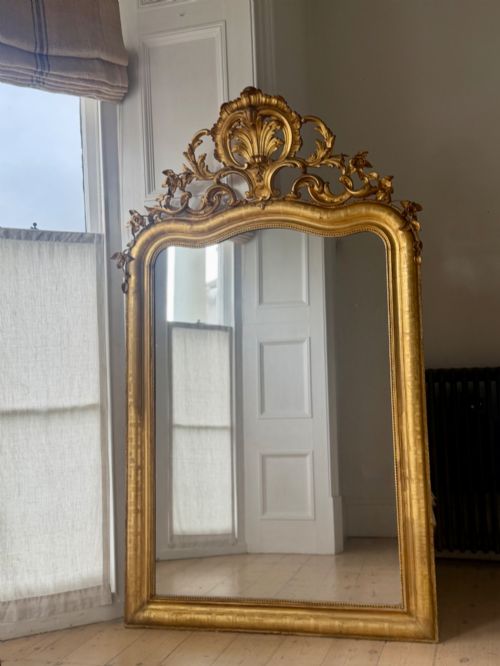




Gilded Mercury Glass Mirror
These gilded mercury glass mirror examples offer centuries of decorative craft, bringing aged silvered reflections and ornate wooden frames into your room.
Gilded Mercury Glass Mirror
A gilded mercury glass mirror represents a traditional decorative object designed to reflect light and enhance interior spaces. When you search for gilded mercury glass mirror, you encounter forms that span wall mirrors, pier mirrors, overmantel mirrors, and dressing table mirrors.
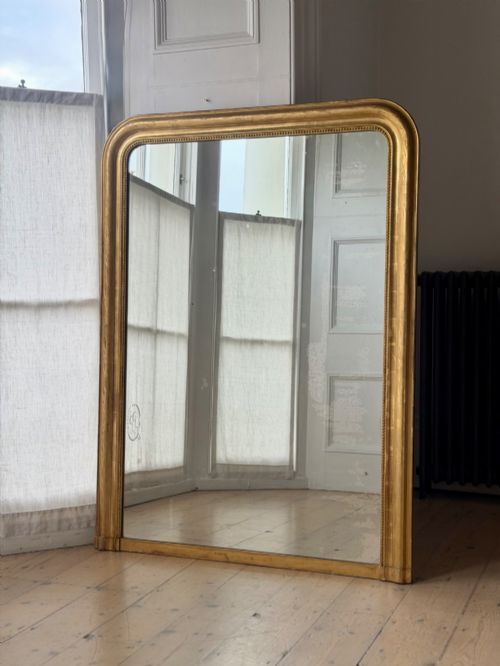
The selections originate from the 18th century, 19th century, Georgian period, and around 1800. French and Italian regional workshops dominate the aesthetic, yielding styles such as French Rococo, Georgian, French Neoclassical, Louis Philippe, Louis XV, Regency, French Second Empire, and Venetian Rococo.
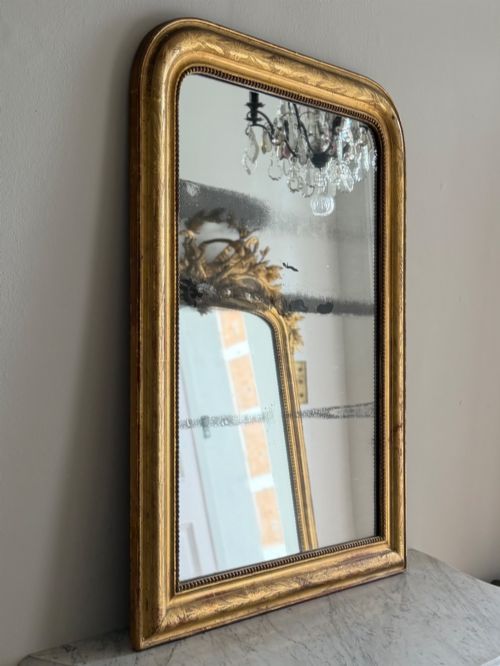
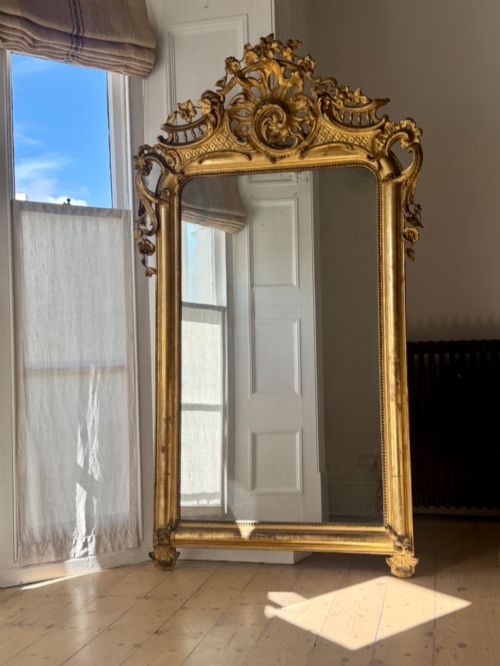
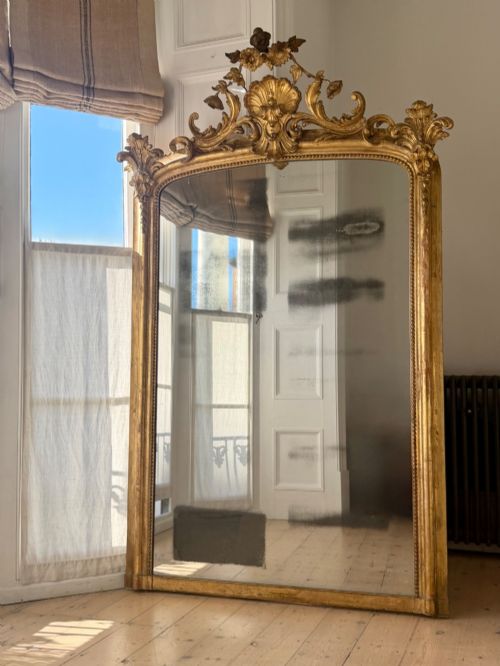
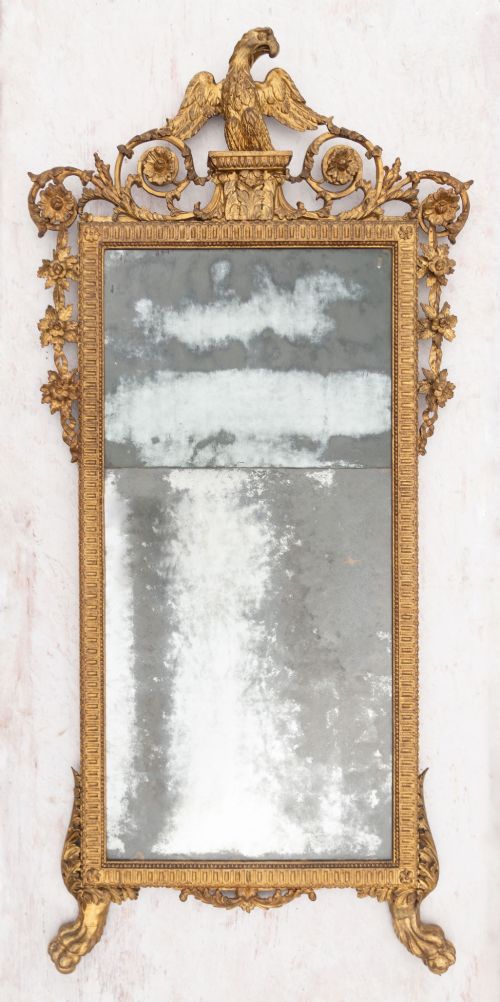
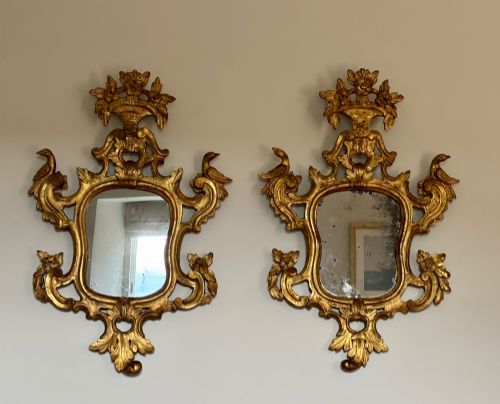
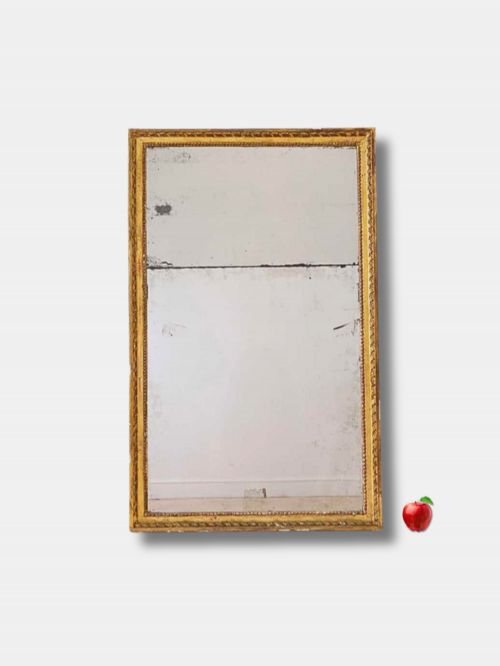
Most pieces you meet on this page display the characteristic foxed mercury glass plate held within intricately carved wooden frames. These frames vary from grand scale overmantel trumeau mirrors to smaller cartouche and dressing table pieces.
How they were made
Frames rely on wood, gesso, and gold leaf or giltwood, where thin sheets of gold are applied over a prepared chalk and glue ground. Carvers shaped timber into elaborate scrollwork, cartouches, and neoclassical motifs before applying the gilding.
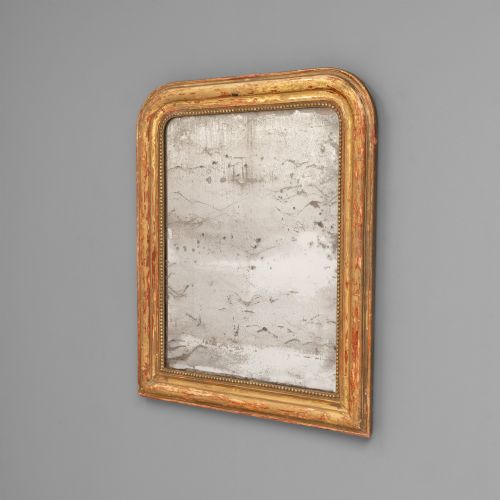
The mirror plates utilise historic glass techniques, traditionally backed with a silver and mercury amalgam that produced a deep, dim reflection. This chemical composition reacts over time to create foxing, the dark spots and speckles characteristic of old plates.
Gilded Mercury Glass Mirror Retail Price Guide 2026
Typical asking prices for gilded mercury glass mirror among the pieces listed under this phrase on Sellingantiques today, from the lower quarter to the upper quarter. They describe what is for sale here now, not the wider market.
Some mirrors gaze back with centuries of foxed spots, having watched generations adjust their cravats.
What varies in quality
The depth and intricacy of the wood carving separate standard frames from exceptional ones. Master carvers achieved crisp undercut foliage, balanced asymmetry in Rococo pieces, and precise geometric symmetry in Neoclassical and Regency examples.
The condition and retention of the original mercury glass plate also dictate desirability. Plates showing natural, extensive foxing without modern replacement retain the historical integrity collectors seek.
The Gilded Mercury Glass Mirror Glossary
- Mercury glass
- A blown-double-walled glass type silvered on the interior with a liquid metal mixture, though true mercury was often replaced by silver nitrate solutions in later periods. It produces a characteristic dim, heavy reflection.
- Foxed
- The dark spots, mottling, and speckles that develop on antique mirror plates as the backing deteriorates over time. This ageing process is valued for authenticity.
- Giltwood
- Timber that has been coated with thin leaves of gold or gold-coloured metal leaf over a gesso base. It provides a warm, enduring metallic sheen.
- Trumeau
- A decorative wall mirror, often incorporating a painted panel or carved relief above the glass plate. These large pieces frequently served as overmantels.
- Pier mirror
- A tall, narrow mirror specifically designed to hang on the wall space or pier between two windows. They often sat above matching console tables.
Gilded Mercury Glass Mirror: Frequently Asked Questions
What is mercury glass?
Mercury glass refers to historic mirror plates or hollow glassware silvered with a reflective metallic substance behind the glass. The technique creates a distinct, cloudy reflection rather than the sharp image seen in modern aluminium-backed mirrors.
Over decades, the backing reacts with air and moisture, producing characteristic dark spots known as foxing. This natural ageing distinguishes authentic antique plates from modern reproductions.
How do I date a gilded mirror?
Dating relies on examining the construction of the wooden frame, the style of the carving, and the characteristics of the glass plate. Georgian and 18th-century pieces often feature hand-carved gesso on pine or hardwood, displaying distinct tool marks at the reverse.
Stylistic cues such as Louis Philippe curves, Regency geometry, or Rococo asymmetry also help place a piece within its correct historical era. Original backboards and undisturbed framing nails provide further confirmation of age.
Where should I hang a pier mirror?
Pier mirrors were originally engineered to hang on the narrow wall space between two windows to maximise ambient daylight in formal rooms. In modern interiors, they work effectively in hallways, narrow entryways, or above low sideboards.
Because many examples possess significant weight due to their dense wooden frames and thick glass plates, secure wall fixings into masonry or studs are essential.