

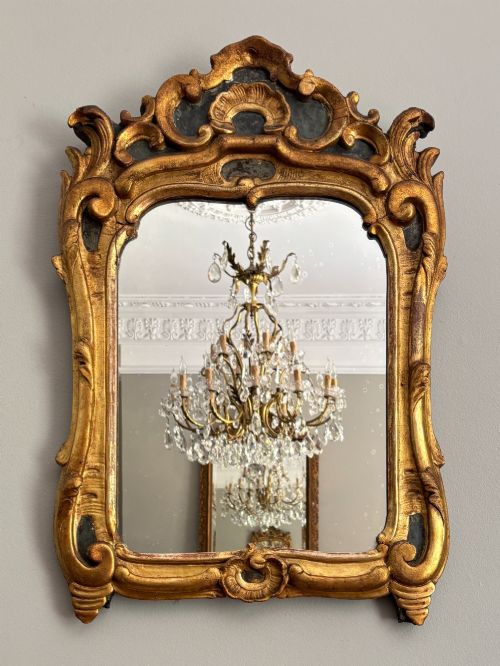
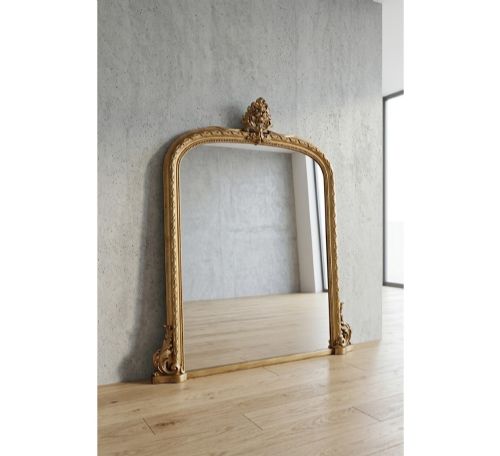
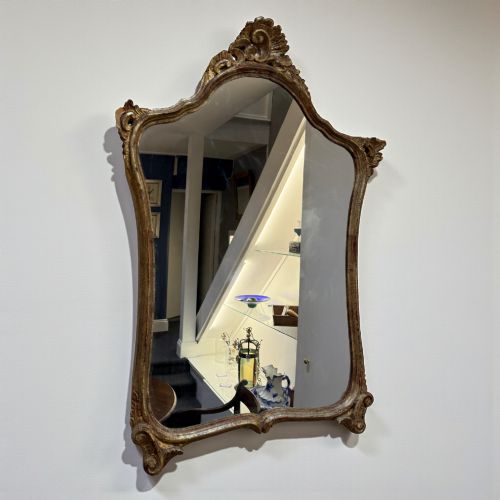
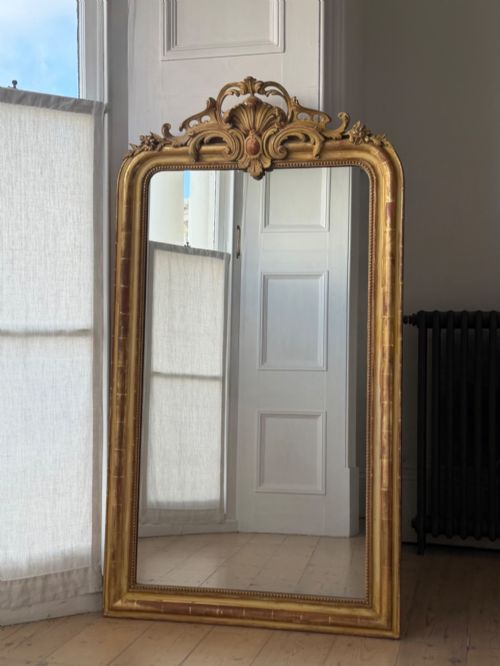
Gilded Louis Mirror
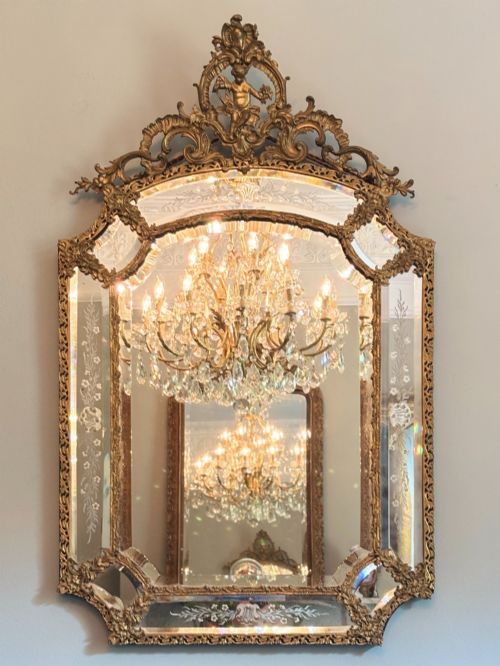
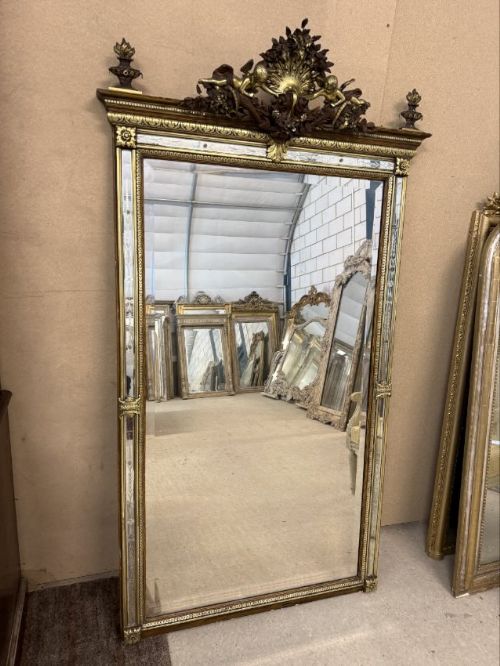
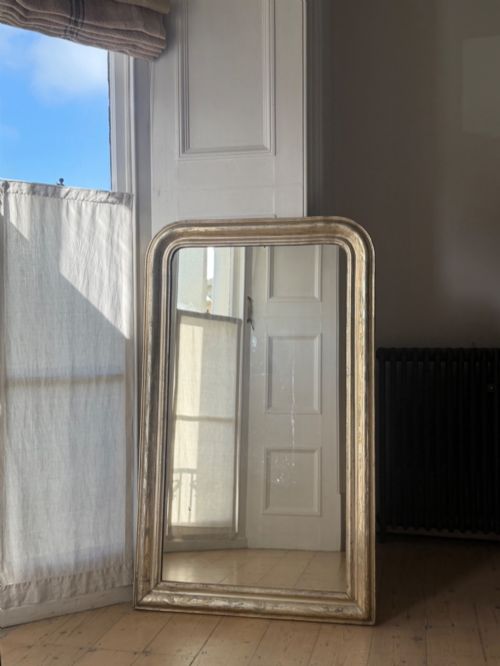
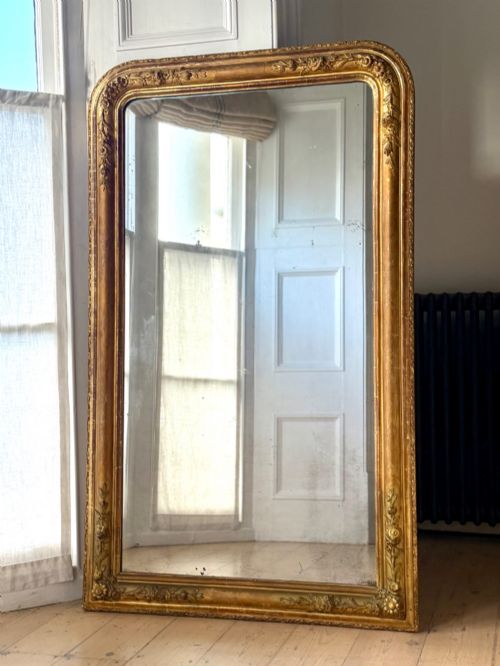
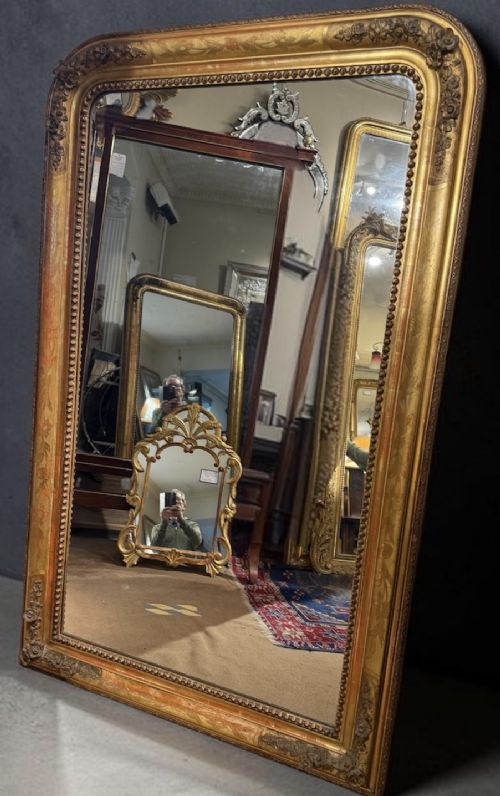
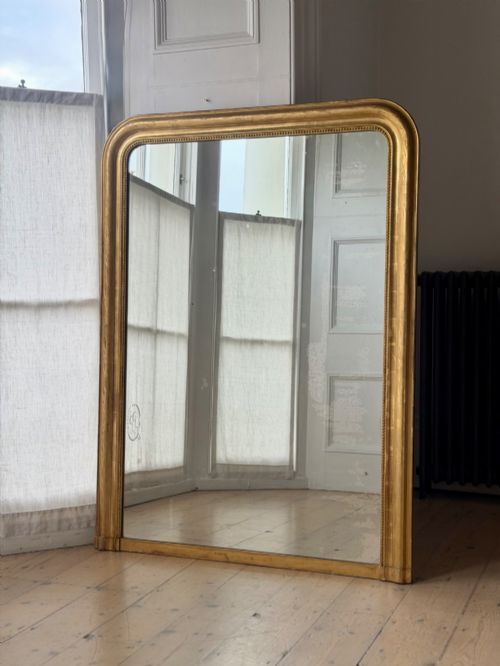
A gilded louis mirror brings a room alive with light and depth, offering the grand presence of French 18th and 19th-century design.
Gilded Louis Mirror
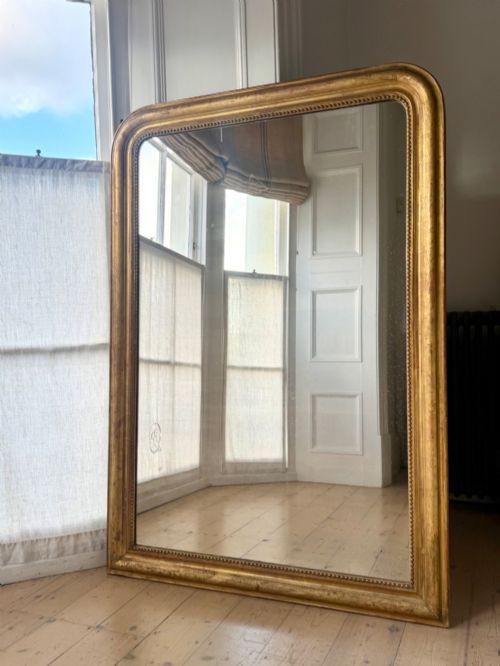
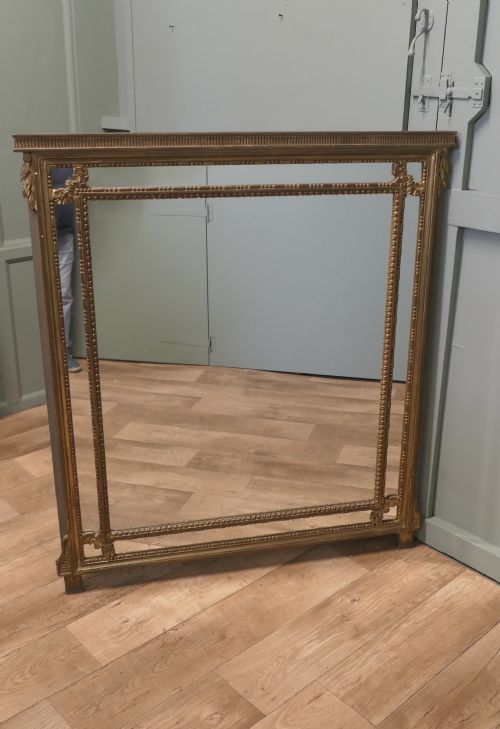
A gilded louis mirror represents a tradition of French interior design spanning the 18th and 19th centuries, taking forms such as wall mirrors, overmantels, and console sets. The listings here centre heavily on the restrained elegance of the Louis Philippe style alongside ornate Rococo and Neoclassical revivals.
Buyers encounter substantial architectural plates intended for chimneypieces as well as taller wall-hanging examples equipped with crests and carved wooden frames. Pieces originate predominantly from French workshops and date from the 1700s through to the early decades of the 20th century.
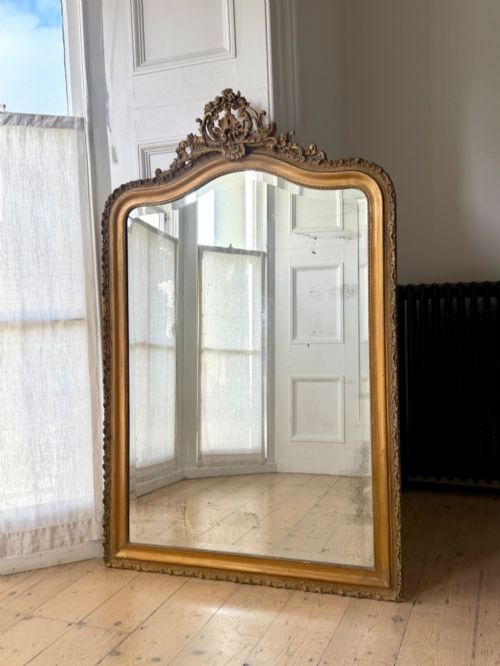
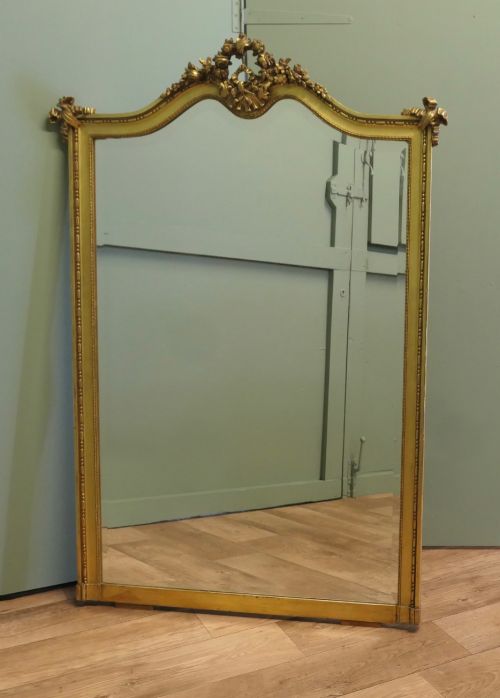
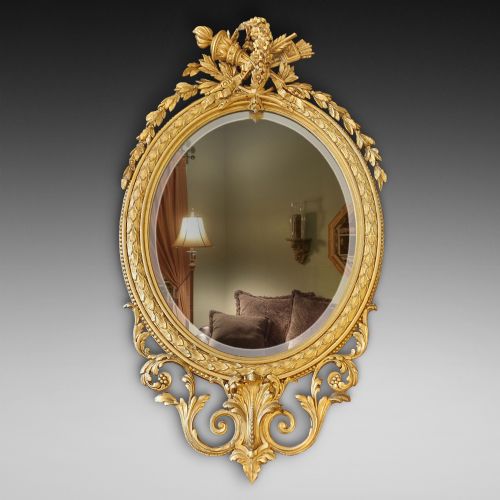
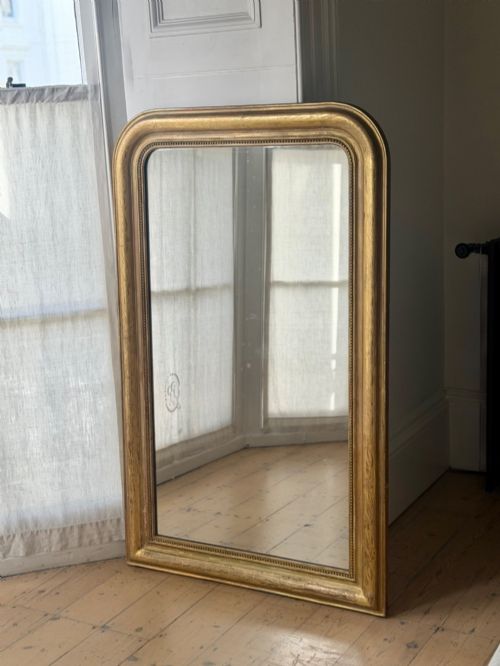
The prevalent format is the rectangular Louis Philippe glass with its softened upper corners, though oval frames and triptychs also appear. These objects served to amplify daylight in formal reception rooms and continue to function as focal points above mantelpieces.
How they were made
Makers built the foundational frames using timber such as pine or oak, applying layers of gesso to create smooth surfaces for intricate carved detail. Gilders then laid gold leaf or applied water gilding techniques directly onto the prepared ground.
Earlier examples frequently house original mercury glass plates, prized for their deep reflectivity and characteristic silvering irregularities. Later Victorian and revival pieces often incorporate bevelled glass secured into heavy giltwood and bronze frames.
Gilded Louis Mirror Retail Price Guide 2026
Typical asking prices for gilded louis mirror among the pieces listed under this phrase on Sellingantiques today, from the lower quarter to the upper quarter. They describe what is for sale here now, not the wider market.
The inventory records various forms including overmantel mirrors, console tables, wall sconces, and triptychs.
What varies in quality
The depth and crispness of the hand-carved wooden ornament distinguish finer frames from simpler moulded versions. Superior workshops employed skilled carvers whose work on crests and foliate scrolls remains sharp beneath the layers of gold leaf.
The condition and age of the glass plate heavily influence the character of a piece, with undisturbed mercury plates showing natural foxing that appeals to collectors. The integrity of the original gesso and the warmth of the underlying gold leaf determine the overall visual harmony.
Arsène Rochette of Versailles
The Gilded Louis Mirror Glossary
- Giltwood
- Wood that has been coated with a thin layer of gold leaf or gold dust. This finish gives the frame its luminous and enduring metallic sheen.
- Mercury glass
- A silvered glass produced by pouring a mercury amalgam between double-walled blown glass or onto flat sheets. It yields a dark, atmospheric reflection.
- Gesso
- A mixture of binder and chalk used to prepare wooden frames for gilding. It provides a smooth base that carvers shape into intricate relief details.
- Louis Philippe
- A mid-19th-century French style characterised by understated rectangular frames with gently rounded upper corners. It offers simpler lines than preceding Rococo designs.
- Crest
- The decorative wooden ornament mounted at the top of a mirror frame. It often takes the form of floral carvings, ribbons, or shell motifs.
Gilded Louis Mirror: Frequently Asked Questions
What is a Louis Philippe mirror?
A Louis Philippe mirror is a French wall mirror style from the 19th century defined by clean rectangular proportions and rounded top corners. This design avoids excessive ornamentation in favour of quiet elegance.
Such mirrors integrate easily into both traditional and contemporary interiors because their restrained frames complement diverse furnishings without dominating a wall.
Where should I hang an overmantel mirror?
An overmantel mirror is designed specifically to hang above a fireplace mantelpiece. Its wide proportions balance the horizontal line of the hearth below.
Positioning the glass at this focal point reflects light from windows across the room, brightening the entire interior space.
What does water gilding mean?
Water gilding is a traditional technique where gold leaf is applied to a wet clay base called bole. Guilders then burnish the gold to achieve a brilliant, reflective finish.
This method allows parts of the frame to catch the light while recessed areas retain a softer matte appearance.