


Gilded Hallway Mirror
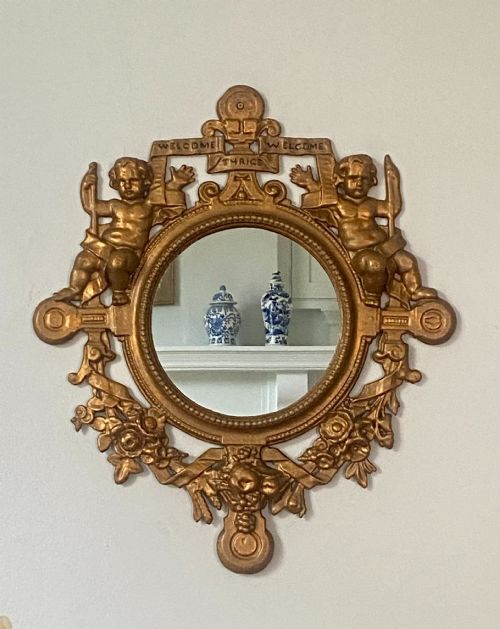
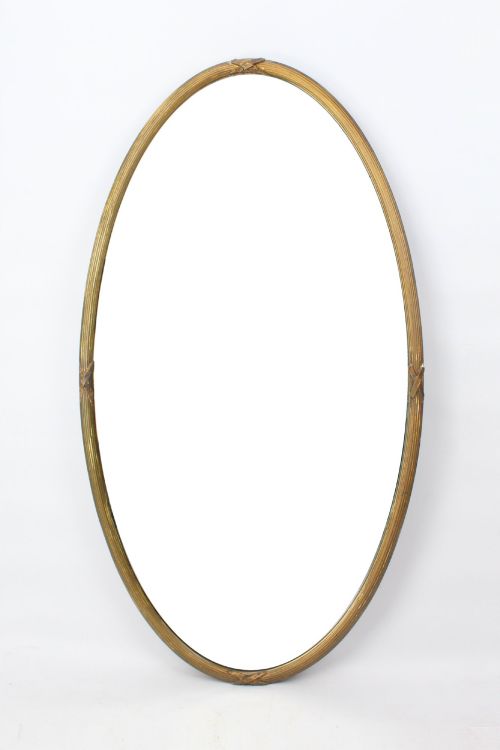
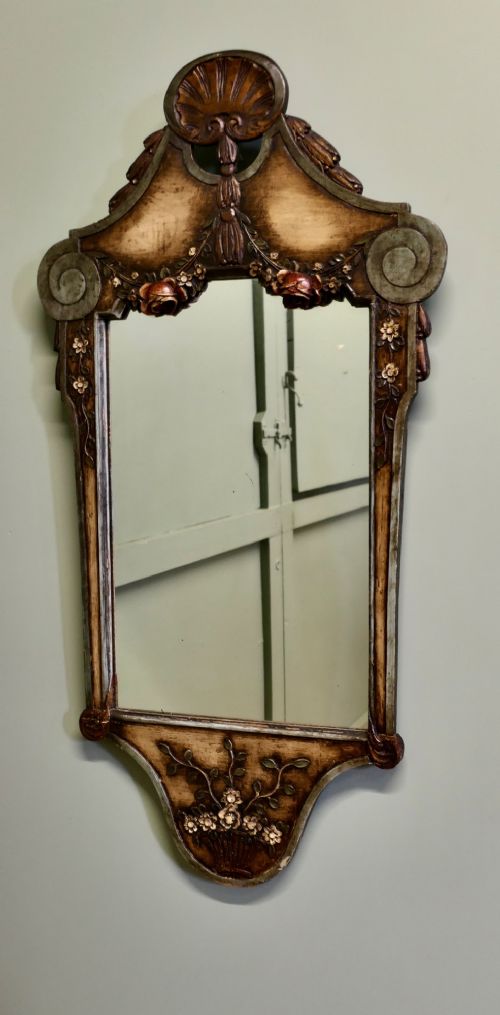
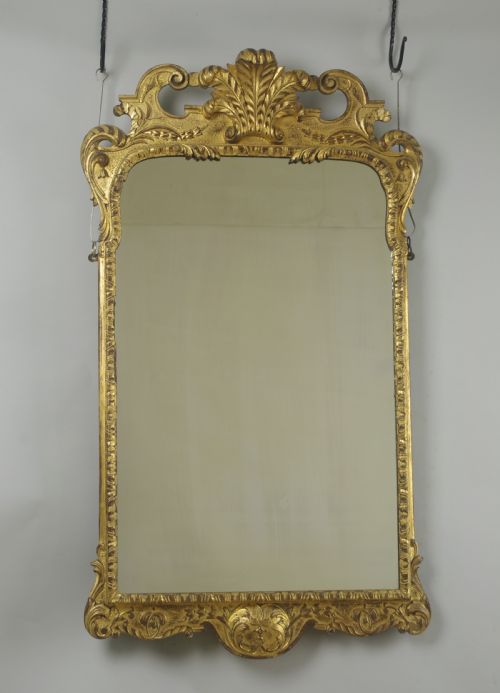
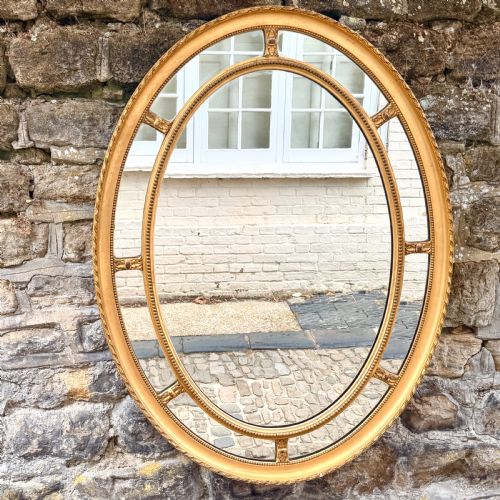
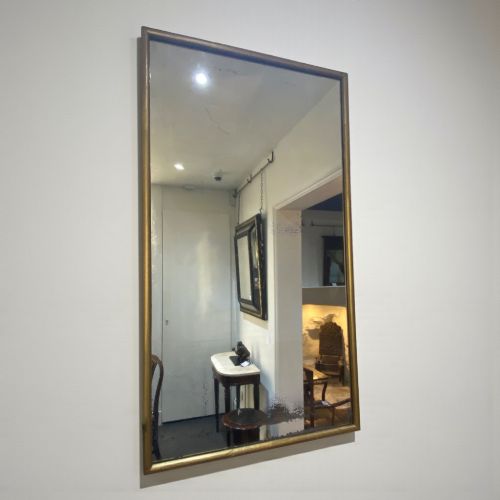
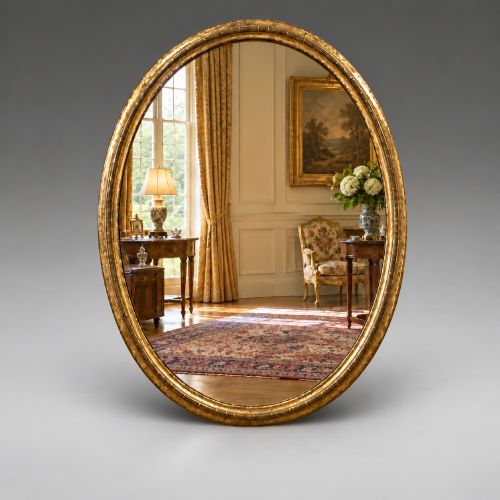
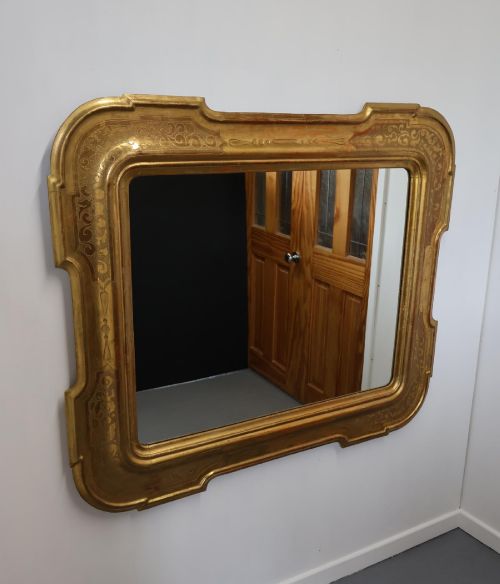
A gilded hallway mirror brings light and presence to an entrance, combining reflective glass with ornate metallic frames designed to catch the eye.
Gilded Hallway Mirror
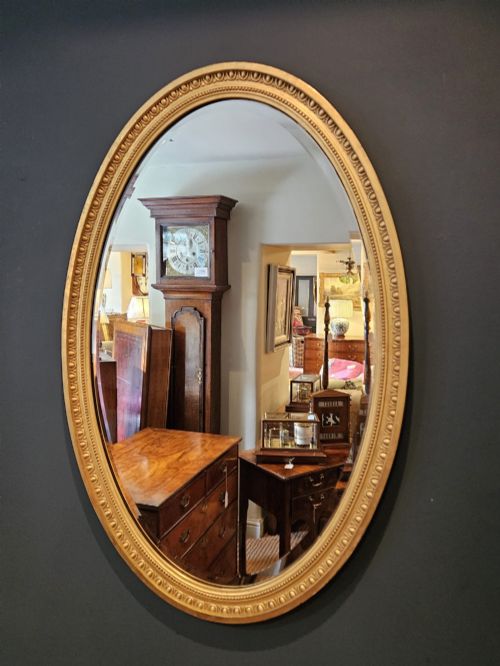
A gilded hallway mirror serves as both a practical glass and a decorative anchor in an entrance space. Most examples found here date from the nineteenth century, including Victorian productions and earlier Regency or Georgian revivals.
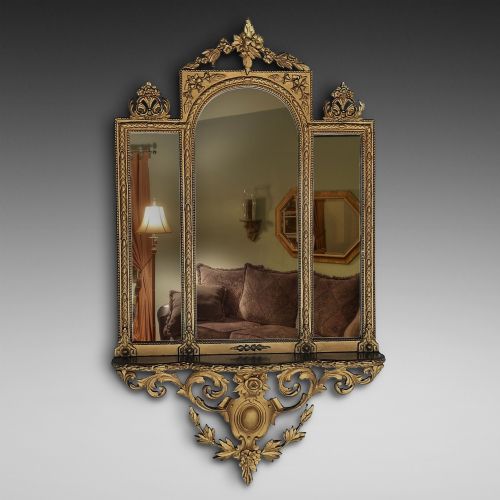
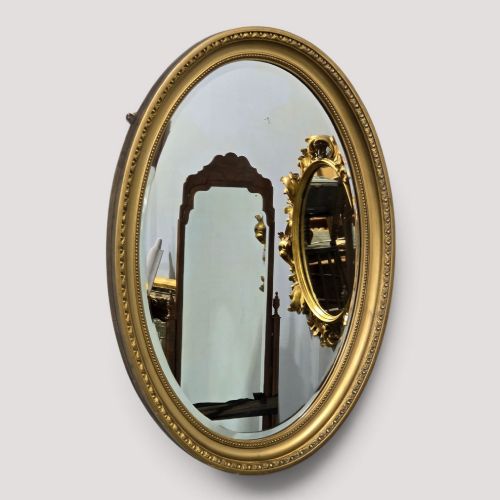
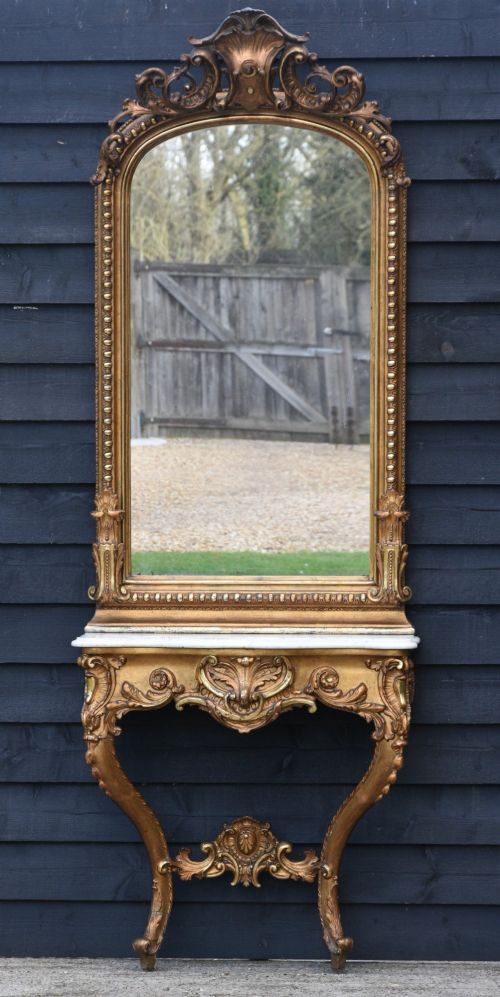
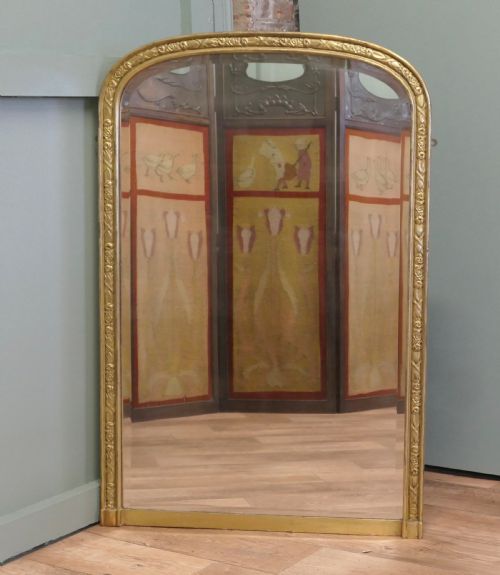
Forms range from tall overmantle designs and pier mirrors to compact oval wall pieces and console table combinations. French and English aesthetics dominate, showing Neoclassical, Rococo Revival, and architectural influences.
Materials and Construction
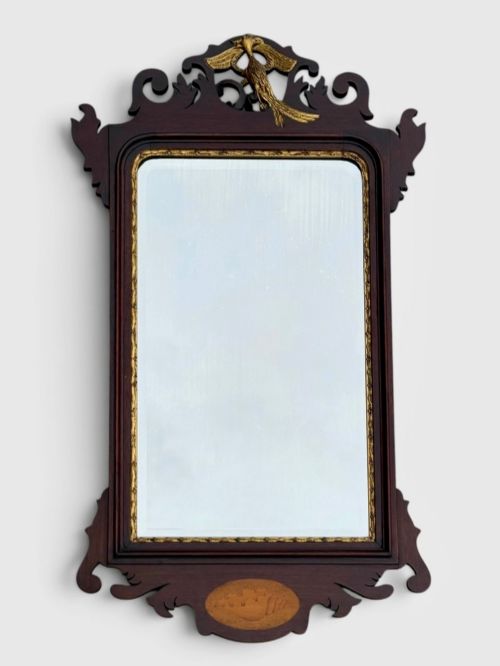
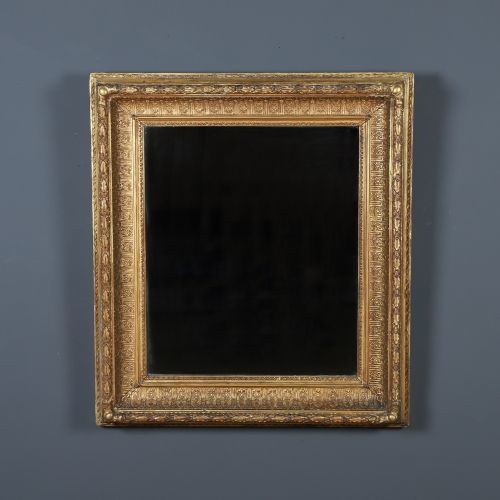
Makers built the structural frames using timber such as wood and mahogany, upon which layers of gesso were applied to create smooth surfaces for ornamentation. Gold leaf and composition details were then added to achieve the characteristic metallic sheen.
Mirror glass panels, sometimes bevelled or convex, were set within these heavily decorated surrounds. Cast iron also appears in specific industrial designs, while marble tops frequently accompany matching console tables.
Gilded Hallway Mirror Retail Price Guide 2026
Typical asking prices for gilded hallway mirror among the pieces listed under this phrase on Sellingantiques today, from the lower quarter to the upper quarter. They describe what is for sale here now, not the wider market.
Listings feature 19th-century Victorian, Regency, and Art Deco periods, utilising materials like giltwood, gesso, marble, and cast iron.
Distinctions in Execution
The refinement of the carved details and the crispness of the gesso moulding separate standard decorative items from finer works. Hand-applied gold leaf yields a deeper warmth compared to later mechanical finishes.
Originality of the glass plate and the integrity of the wooden frame joints indicate how well a piece has survived over time. Cohesion between a mirror and its associated console table adds architectural weight.
The Gilded Hallway Mirror Glossary
- Giltwood
- Timber that has been gilded with gold leaf. This technique provides a rich, enduring metallic surface on antique frames.
- Gesso
- A plaster-like mixture applied to wood frames. It is carved or moulded into intricate decorative patterns before gilding.
- Pier Mirror
- A tall mirror designed to hang on the narrow wall space between windows. These pieces often sit above matching console tables.
- Convex Mirror
- A round mirror with a bulging glass surface. It creates a wide, distorted reflection that illuminates entire rooms.
- Trumeau
- A decorative wall mirror combined with a painted panel or artwork above the glass. This French style originated in classical interiors.
Gilded Hallway Mirror: Frequently Asked Questions
Where should I hang a hallway mirror?
Position the mirror on a wall perpendicular to the main light source to maximise brightness in an entrance space. Hanging it at eye level above a console table creates a balanced proportion.
Ensure the wall fixings support the considerable weight of wooden and gesso frames. Adequate clearance allows guests to use the glass comfortably upon entry.
How do I identify a Victorian mirror?
Victorian pieces frequently display robust proportions and heavy ornamentations such as Rococo Revival scrolls or Neoclassical motifs. Examination of the timber backing and fixings often reveals period construction methods.
Makers of this era embraced various revival styles, blending eighteenth-century design cues with nineteenth-century manufacturing techniques.
What is a console table mirror?
This combination pairs a wall-mounted mirror with a matching table placed directly beneath it. The setup creates a unified architectural feature for an entrance hall.
Many examples feature marble tops on the table base, providing a durable surface for small items alongside the reflective glass above.
Are these mirrors suitable for daily use?
Original antique mirrors function effectively for checking appearance while adding depth to narrow spaces. The reflective glass distributes natural light through darker hallways.
Careful handling during cleaning preserves both the delicate gold leaf surface and the historical integrity of the glass.