

Gilded Hall Light
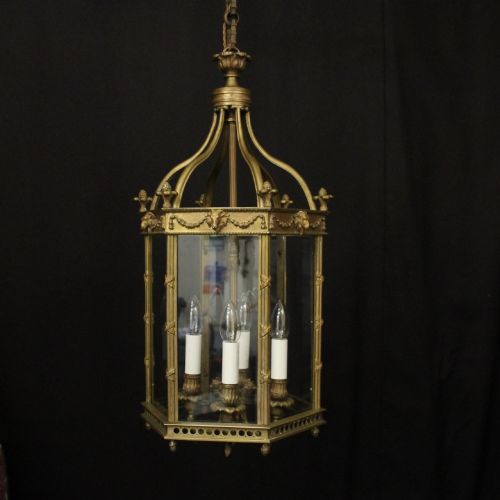
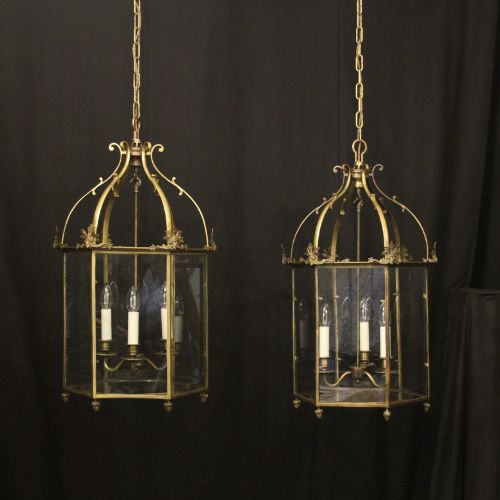
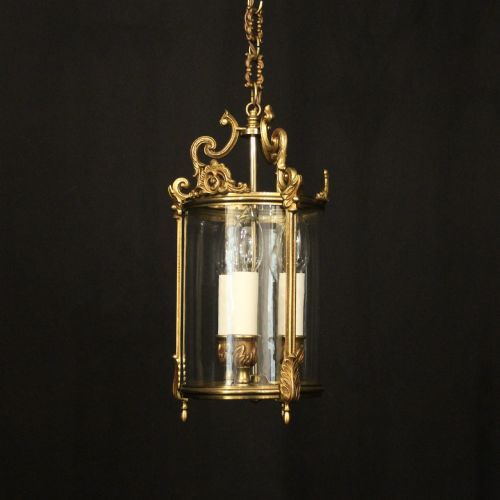
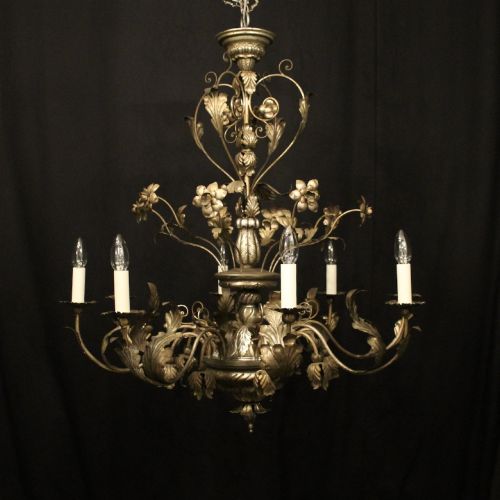
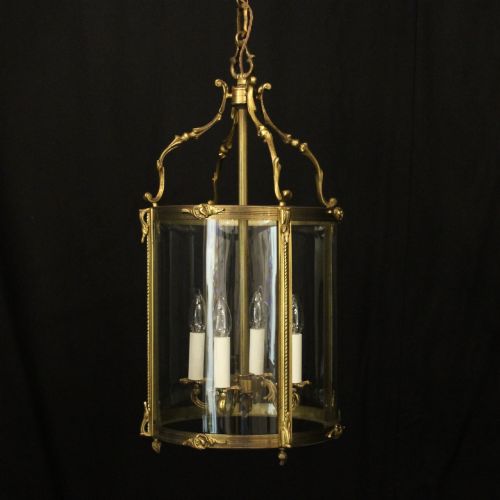
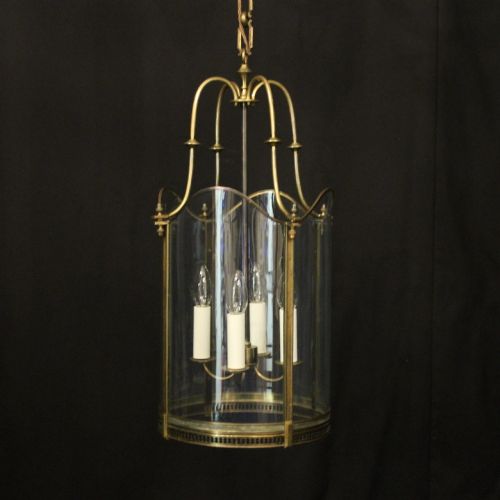
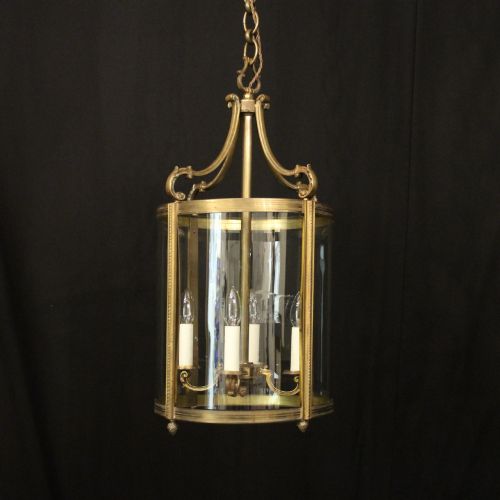
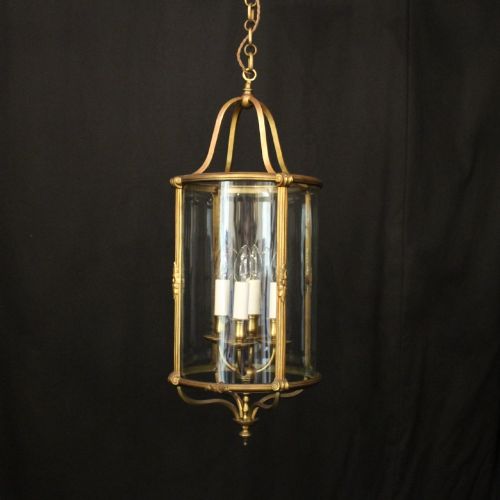
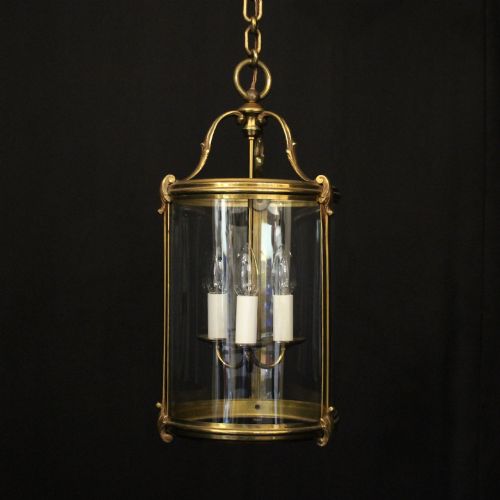
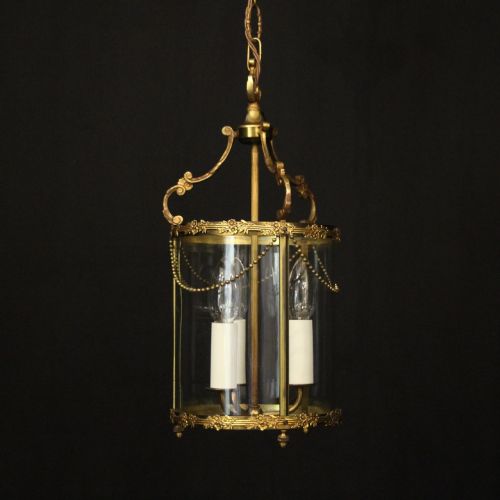
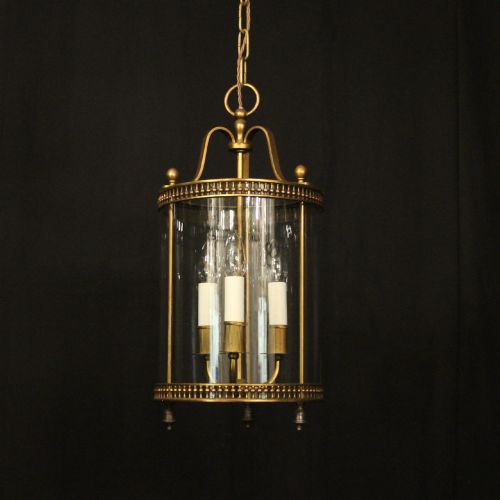
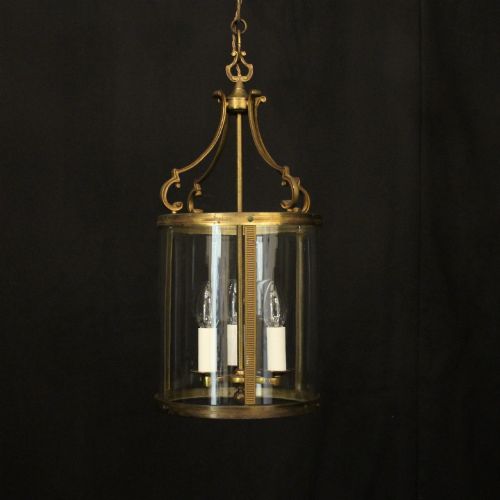
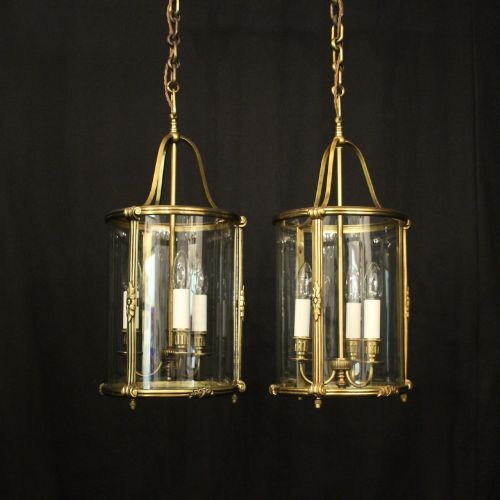
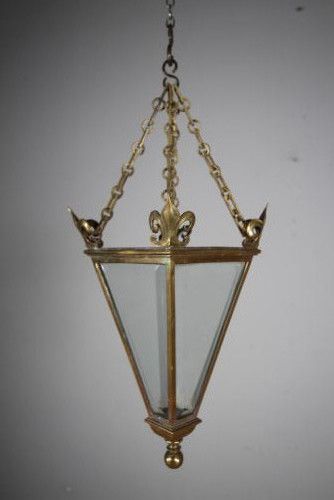
When seeking a gilded hall light, buyers encounter ornate French bronze and glass lanterns designed to illuminate entranceways with classical elegance.
Gilded Hall Light
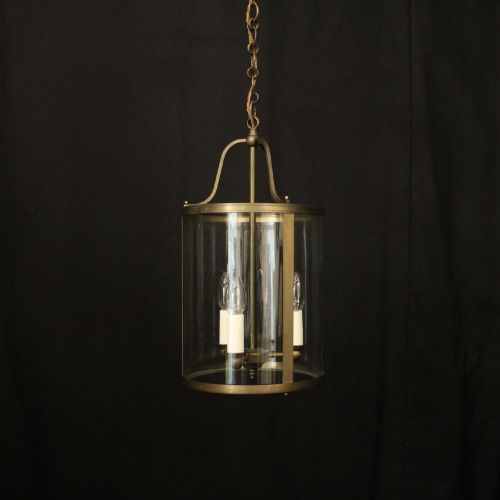
Most items encountered are convex glass lanterns framed in gilded bronze, brass, or giltwood. These fixtures reflect specific historical styles such as French Rococo, Louis XVI, and Gothic revivals.
Materials and Construction
Construction relies heavily on cast bronze, brass, and wrought iron frameworks finished with applied gilding, silver gilding, or polychrome paint. These metallic structures are combined with glass panels, frequently bevelled or curved into convex shapes.
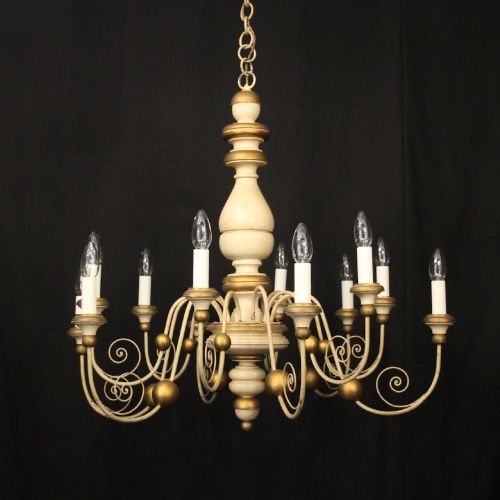
Carpentry and carving appear in wooden examples utilising giltwood, particularly within Venetian and Florentine pieces. Metal components are cast and joined to support multiple internal light fittings ranging from single bulbs to multi-light arrangements.
Gilded Hall Light Retail Price Guide 2026
Typical asking prices for gilded hall light among the pieces listed under this phrase on Sellingantiques today, from the lower quarter to the upper quarter. They describe what is for sale here now, not the wider market.
The listings encompass items spanning from the mid-nineteenth century through the 1930s, utilising materials such as glass, gilt bronze, wrought iron, and giltwood.
Quality and Execution
Quality rests on the crispness of the metal casting or wood carving, especially in decorative elements modelled after classical motifs or palace interiors. Finer pieces demonstrate superior retention of the original gilt surface and precise assembly of shaped glass panels.
The scale of the lantern and the complexity of the internal lighting capacity also distinguish examples. Substantial bronzes with multi-light configurations and bevelled glass sit at a different level from simpler brass or toleware versions.
The Gilded Hall Light Glossary
- Convex glass
- Curved glass panels that project outward to diffuse light across a wider angle. This feature appears frequently on French hall lanterns.
- Ormolu
- Finely chased and gilt bronze used for decorative hardware and mounts. The technique creates a rich golden finish on metalwork.
- Giltwood
- Timber treated with a thin layer of gold leaf or powder over a prepared base. It provides a luminous decorative surface for carved Italian lanterns.
- Toleware
- Enamelled and painted sheet metal objects. Pieces in this medium often combine painted polychrome surfaces with gilding.
- Bevelled glass
- Glass panes featuring an angled edge ground along the perimeter. This treatment catches and refracts light as it passes through the lantern.
Gilded Hall Light: Frequently Asked Questions
Where should a hall lantern be hung?
These fixtures suit entrance halls, vestibules, and stairwells where adequate ceiling height allows the piece to suspend properly. Positioning them centrally provides balanced illumination for transitional spaces.
Ensure the scale matches the room dimensions so the hanging light functions both as practical illumination and a decorative focal point.
How do I identify French period lanterns?
French examples often display characteristic styling from the Rococo or Louis periods, utilising cast bronze frames and curved glass panels. Look for proportions and decorative motifs that align with early twentieth-century or nineteenth-century workshops.
Maker attributions or stylistic references to designs from palaces like Versailles offer further clues to their origin.
What is the difference between brass and bronze frames?
Bronze frames generally possess greater weight and take finer detail during the casting process, allowing for sharper decorative relief. Brass alternatives tend to have a slightly brighter metallic tone and were common in standard production.
Both metals accept gilding, though the underlying material influences the overall texture and ageing of the surface.
How do I maintain gilded metal finishes?
Gilded surfaces require gentle dusting with a soft, dry cloth to prevent the accumulation of grime. Avoid chemical cleaners or abrasive polishes that can wear away the thin layer of gold leaf or gilt wash.
Professional electrical rewiring may be necessary for older pieces to ensure safe operation with modern power sources.