


Gilded Framed Pier Glass
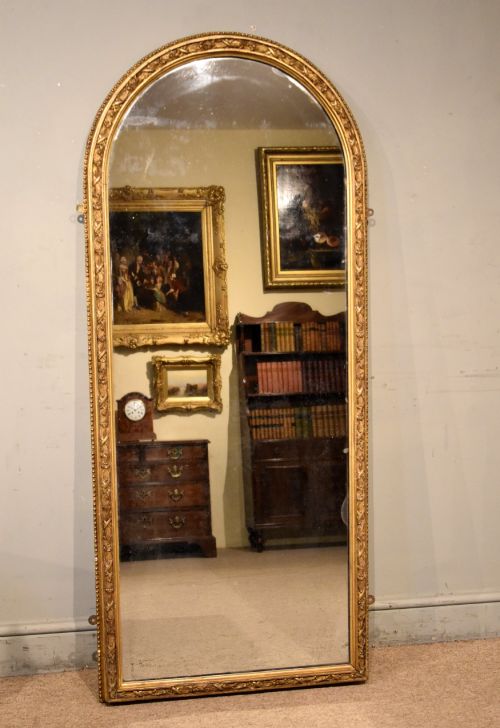
A gilded framed pier glass brings architectural rhythm to a room, designed historically to hang on the wall pier between tall windows.
Gilded Framed Pier Glass
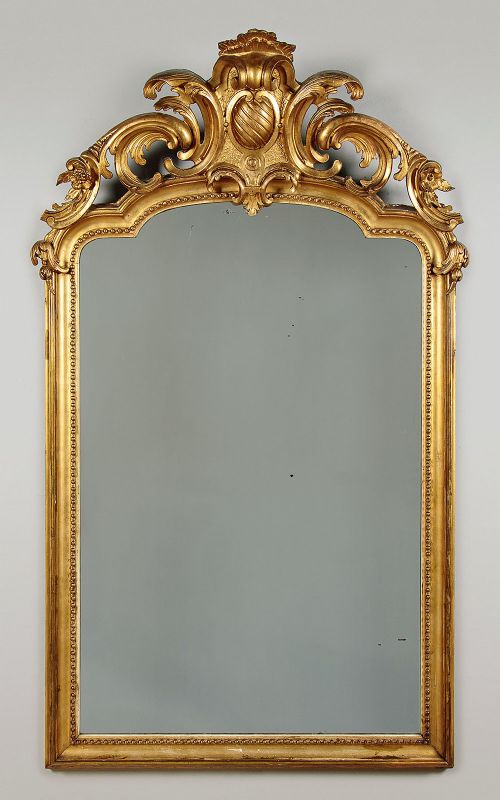
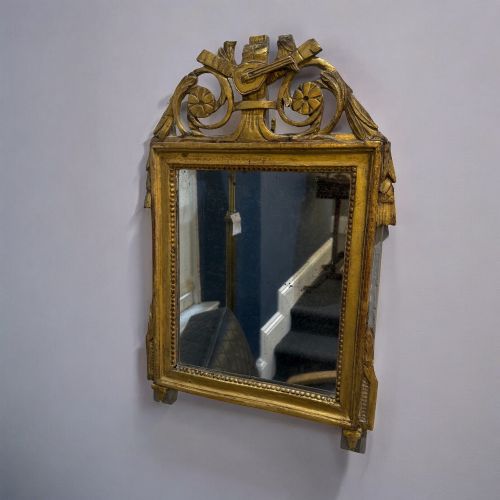
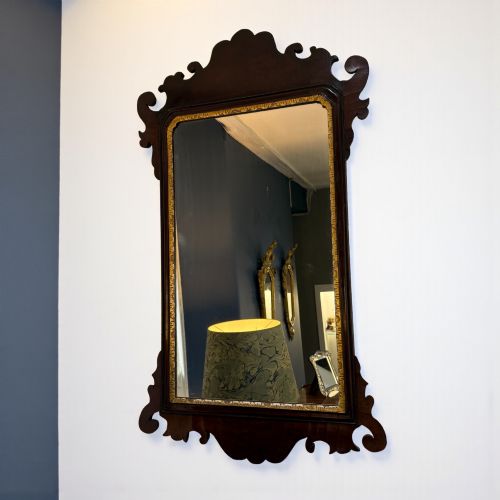
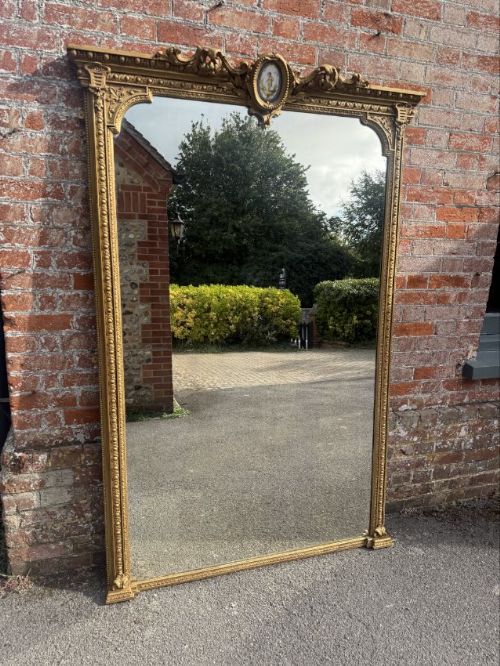
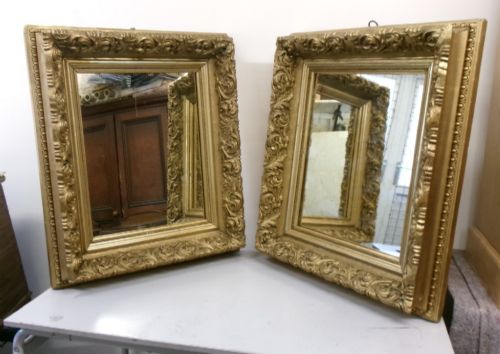
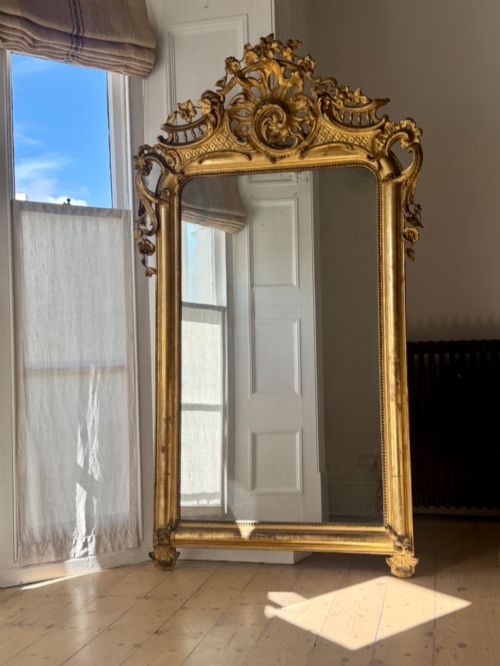
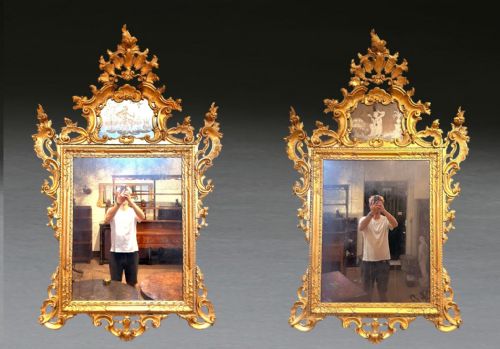
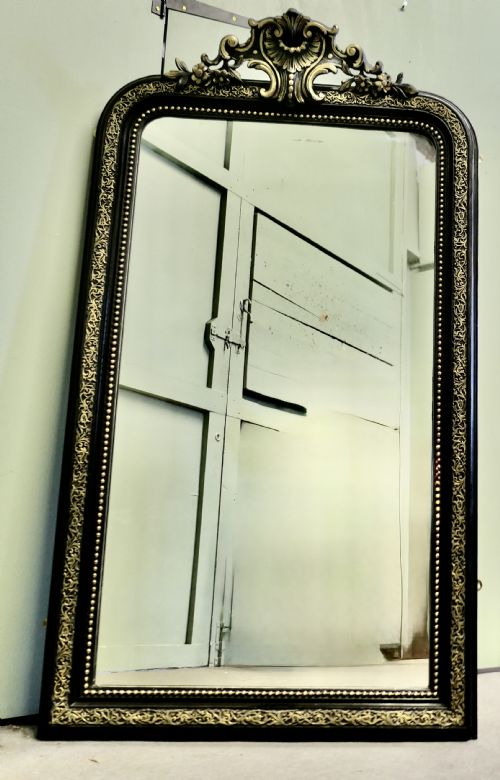
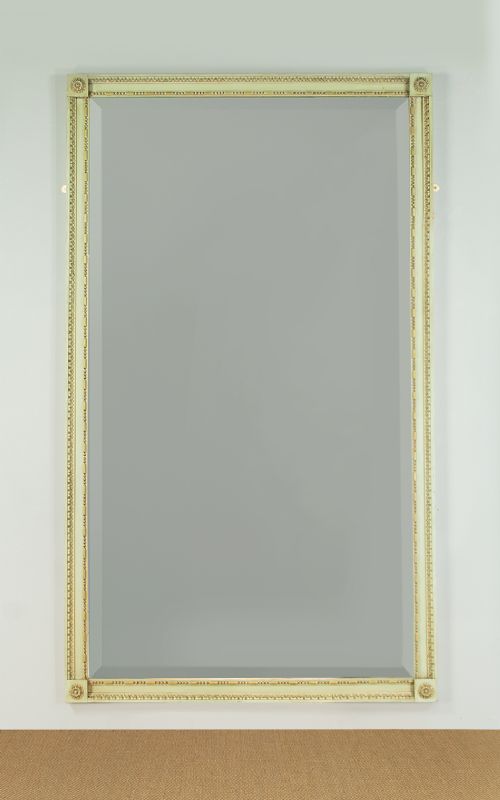
A gilded framed pier glass sits between architectural windows or above low console tables, reflecting natural light deep into reception rooms. These vertical wall mirrors appear in numerous forms across this selection, from classic Regency designs to French Rococo and Louis XVI styles.
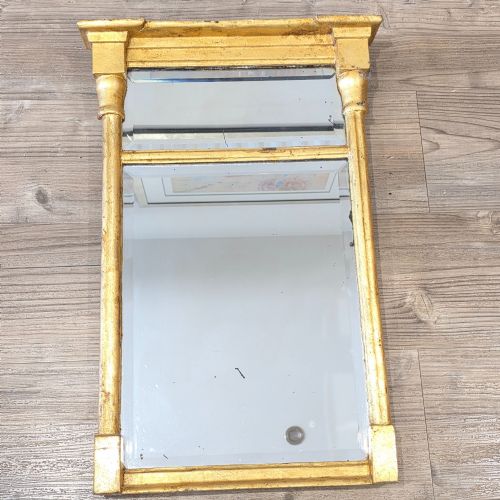
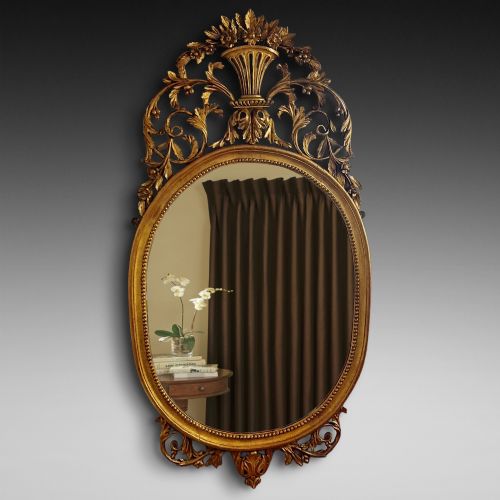
The majority of pieces encountered here date from the eighteenth and nineteenth centuries, alongside later revival interpretations. Formats range from tall rectangular plates with upper eglomise panels to oval frames and grand architectural proportions.
Materials and construction
Craftsmen built the underlying carcase using timber such as mahogany, walnut, or softwood, applying layers of gesso to create crisp relief ornament. Artisans then laid gold leaf or composition mouldings over the prepared surfaces before burnishing the metallic finish.
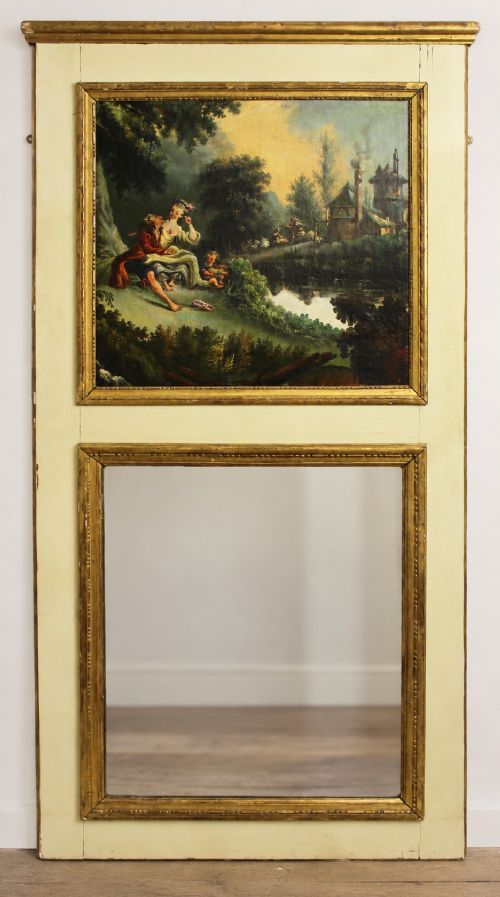
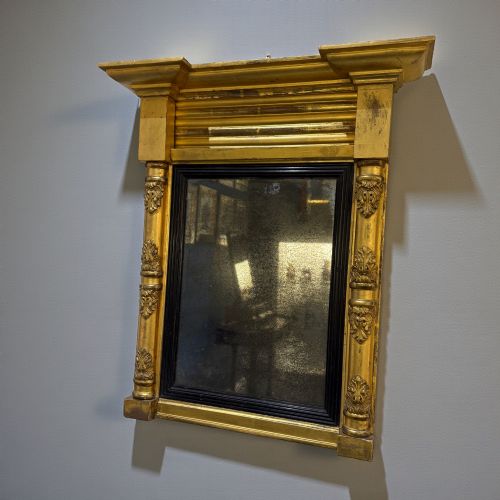
Mirrors frequently retain historic mirror glass plates, including mercury glass plates that show characteristic ageing and soft reflection. Trumeau examples often incorporate oil paintings or decorative panels directly above the main glass plate.
Gilded Framed Pier Glass Retail Price Guide 2026
Typical asking prices for gilded framed pier glass among the pieces listed under this phrase on Sellingantiques today, from the lower quarter to the upper quarter. They describe what is for sale here now, not the wider market.
Several mirrors include pastoral oil paintings in the upper section, offering a landscape view even when hung far from any window.
Quality indicators
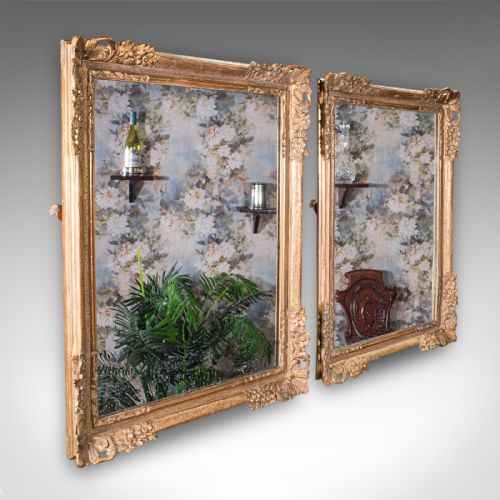
The precision of hand-carved gesso and giltwood ornament separates standard decorative frames from masterwork pieces. Crisp undercutting in the foliage and scrollwork shows the hand of a skilled carver rather than a mass-produced composition moulding.
Originality of components dictates value, particularly the presence of historic mirror glass plates rather than modern replacements. The depth and warmth of the original gilding, showing natural wear beneath the gold leaf, marks superior execution.
The Gilded Framed Pier Glass Glossary
- Pier glass
- A tall mirror specifically designed to hang on the narrow wall space between two windows. It frequently sat above a matching pier table.
- Giltwood
- Timber, commonly lime or pine, coated with gesso and gold leaf. This technique provided a brilliant metallic surface for formal interiors.
- Gesso
- A plaster mixture applied to wood frames as a base for gilding. Carvers cut fine details directly into this smooth substance.
- Verre eglomise
- A cold decoration technique where artists painted and gilded on the reverse of glass panels. These panels often occupy the upper section of a pier glass.
- Trumeau
- A decorative wall mirror incorporating a painted panel or canvas above the glass plate. Originating in France, these pieces acted as permanent architectural wall decoration.
Gilded Framed Pier Glass: Frequently Asked Questions
Where should I hang a pier glass?
These mirrors suit narrow wall spaces between windows or above console tables where their vertical proportions draw the eye upward.
Placing them opposite a window maximises reflected daylight in a room.
How do I identify a Regency pier glass?
Regency examples typically feature classical motifs such as reeded columns, ball details on the frame, and eglomise upper panels.
They reflect the early nineteenth-century taste for classical antiquity and clean architectural lines.
What is mercury glass?
Older mirrors often utilised a tin-amalgam backing process that created a softer, mottled reflection over centuries.
This historic glass shows distinct dark spots and uneven ageing that distinguishes it from modern float glass.