

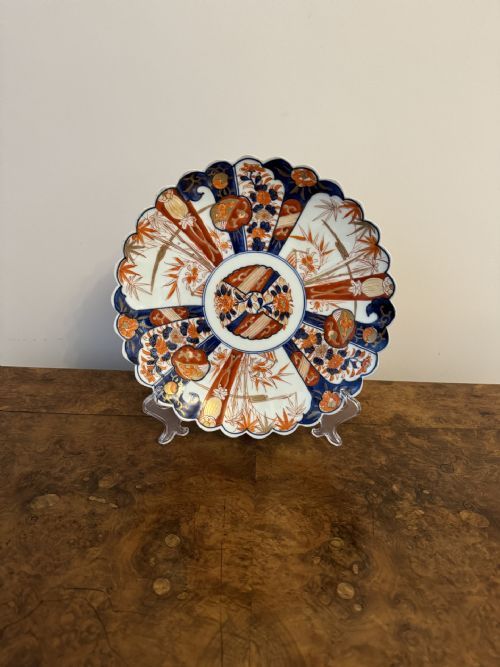


Gilded Edge Plate
A gilded edge plate brings rich metallic lustre and hand-painted artistry to the table, uniting centuries of ceramic history in a single decorative form.
Gilded Edge Plate
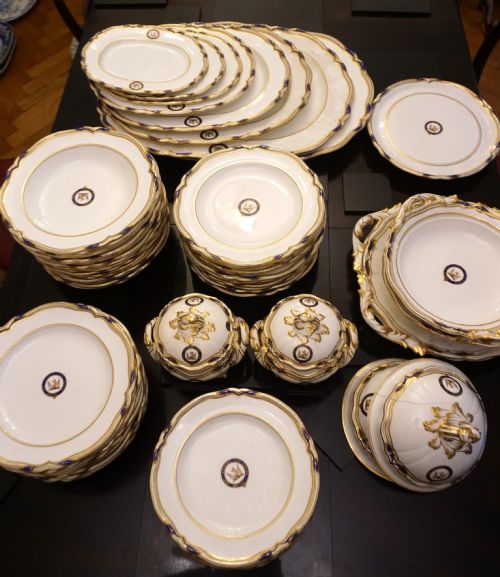
When you search for a gilded edge plate, you encounter a variety of serving dishes, dessert plates, and cabinet plates designed to catch the light with metallic borders. These items range from 18th-century porcelain pieces to mid-20th-century creations.
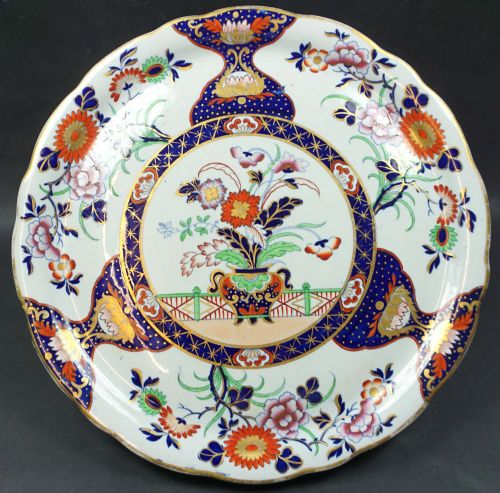
The selections span distinct periods including Regency, Victorian, and Edwardian eras, featuring traditional English fine china alongside Japanese Imari wares. You will frequently find these objects functioning as decorative dishes meant for display rather than daily dining.
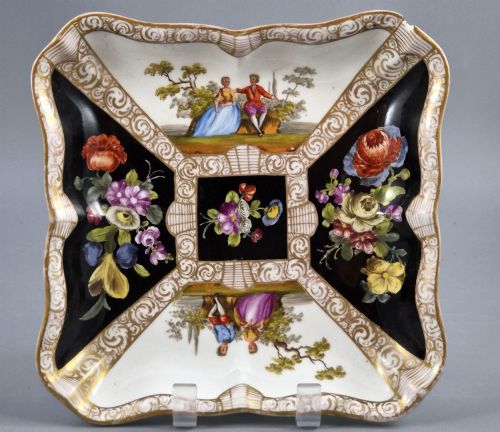
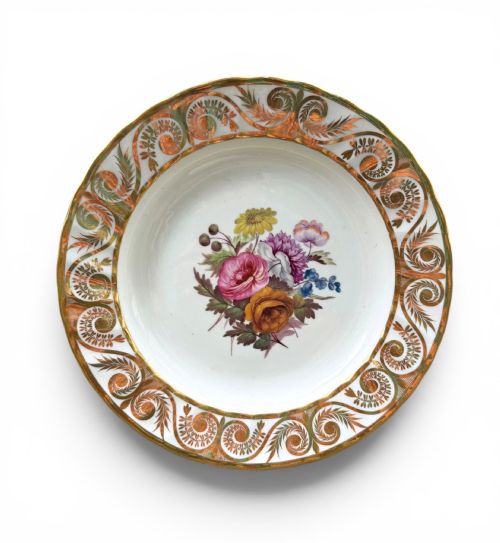
Forms vary from scalloped square dishes and rope edge plates to traditional circular dessert plates. Each iteration demonstrates how makers utilised metallic decoration to frame central painted scenes of flowers, birds, or mythological subjects.
How they were made
Makers utilised hard-paste porcelain, bone china, and standard ceramic bodies as the foundation for these items, applying glazes before any pictorial or metallic elements were added. Artisans then hand-painted floral motifs, armorial designs, or landscape scenes directly onto the surface.
Gold leaf, gilt, and specialised gilding techniques provided the characteristic metallic edges, bonded to the ceramic through high-temperature kiln firing. Enamel colours were often layered alongside the metallic trim to create contrast and depth in the finished decoration.
Gilded Edge Plate Retail Price Guide 2026
Typical asking prices for gilded edge plate among the pieces listed under this phrase on Sellingantiques today, from the lower quarter to the upper quarter. They describe what is for sale here now, not the wider market.
The selection includes Japanese Imari designs, English traditional wares, and Regency period items.
What varies in quality
The standard of painting determines much of the distinction between pieces, where freehand artistic detail by known decorators outshines standard factory production. The crispness of the porcelain moulding and the precision of the hand-applied gilding establish the overall refinement of the item.
Preservation of the metallic edge and the painted enamel surface dictates the desirability of older examples. Weight, translucency of the ceramic body, and the complexity of shaped or scalloped edges also separate standard wares from high-status cabinet plates.
Royal Worcester·Wedgwood·Meissen·Coalport·Royal Doulton
The Gilded Edge Plate Glossary
- Cabinet plate
- A decorative ceramic dish intended for display in a cabinet rather than for practical table use. These often feature elaborate hand-painted scenes and rich gilded borders.
- Gilding
- The application of gold leaf or ground gold to the edges and surfaces of ceramics. This technique provides the metallic trim characteristic of the genre.
- Bone china
- A type of soft-paste porcelain containing bone ash, developed in England to create a strong, durable, and brilliantly white ceramic body.
- Imari
- A style of Japanese export porcelain characterised by underglaze blue and overglaze red, green, and gold decoration. English factories frequently imitated these distinct patterns during the 19th century.
- Dessert plate
- A small ceramic dish specifically sized for serving the final course of a meal. They frequently survive as matched sets or pairs within antique collections.
Gilded Edge Plate: Frequently Asked Questions
What is a gilded edge plate used for?
These pieces served multiple functions historically, operating as functional dessert plates for formal dining or as cabinet dishes meant purely for display. Their metallic borders were designed to catch candlelight and complement rich interior schemes.
Today, collectors primarily utilise them as decorative wall hangings, shelf centrepieces, or occasional serving dishes for special gatherings.
How do I identify the period of a plate?
Dating relies on examining the factory backstamps, ceramic body composition, and stylistic clues within the hand-painted decoration. Regency and 19th-century pieces often display distinct floral or armorial compositions unique to their decade of manufacture.
Comparing the edge form, such as rope or scalloped designs, alongside known maker marks helps narrow down the exact era of production.
Are these plates safe for daily use?
Most antique and vintage examples are best preserved through careful handling and minimal use, particularly those featuring delicate overglaze gilding and hand-painted enamel details. Regular washing can wear away the historic metallic edges over time.
Displaying them in cabinets or on plate racks protects the fragile ceramic bodies and keeps the historic finishes intact for the future.
What distinguishes Imari style plates?
Imari style plates feature a distinct palette combining underglaze cobalt blue with iron red, accented by generous applications of gold leaf or gilt. This aesthetic originated in Japan and heavily influenced European porcelain makers during the 18th and 19th centuries.
The resulting patterns are visually dense, often incorporating panels of flowers and intricate geometric borders.