





Gilded Edge Frame
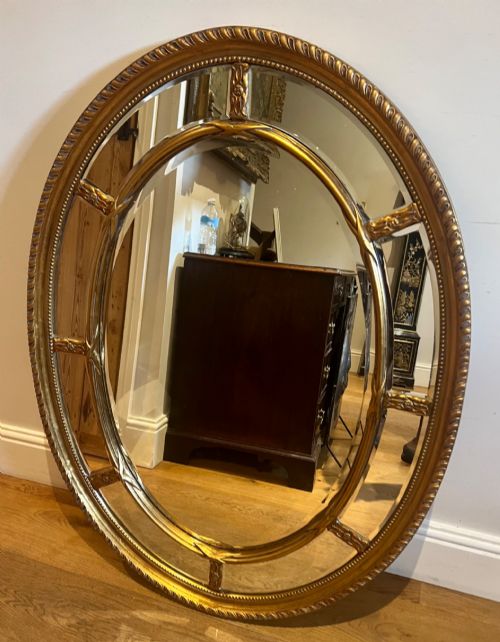
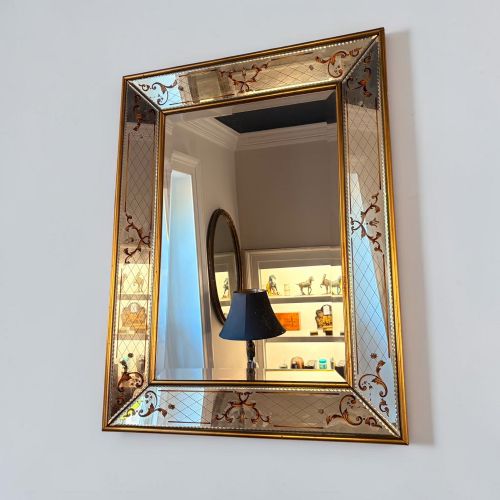
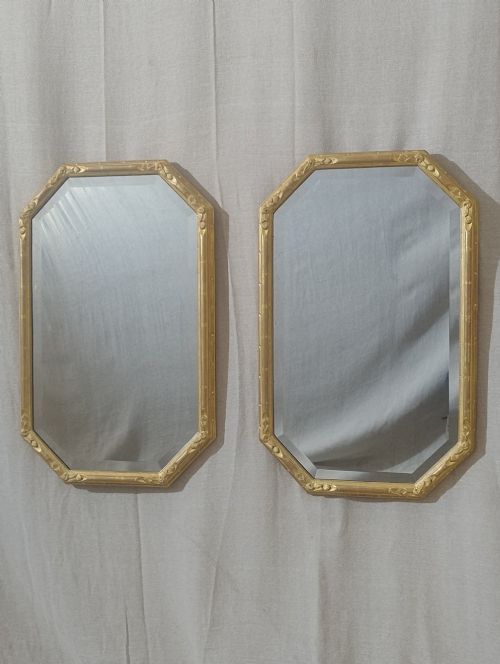
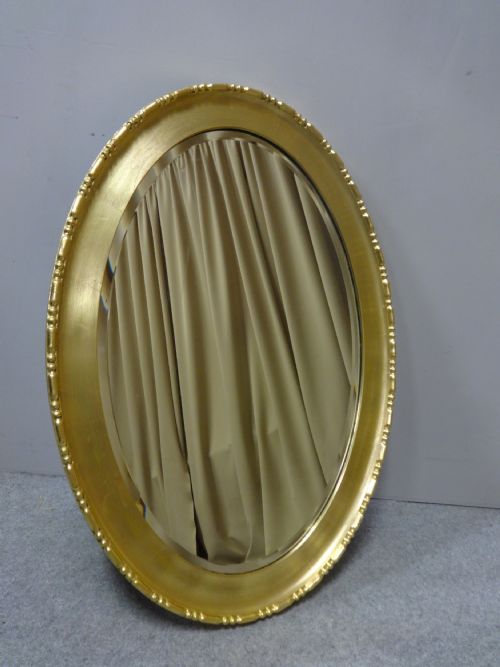
A gilded edge frame brings warmth and a distinct period reflection to a wall, offering the craftsmanship of past centuries.
Gilded Edge Frame
A gilded edge frame typically manifests as a wall mirror or picture frame spanning the nineteenth and early twentieth centuries. These pieces carry the decorative characteristics of Victorian, Edwardian, and various continental revival styles.
The most common forms encountered here are wall mirrors and overmantle mirrors, often featuring elaborate mouldings or carved wooden structures. Continental origins, particularly French and Italian workshops, appear frequently among the listings.
Makers utilised specific regional aesthetics, ranging from the restrained lines of Louis Philippe designs to the ornate flourishes of Florentine Rococo and French Louis XV styles. Each period brings a distinct proportion and surface treatment to the frame edge.
Construction and materials
Makers constructed these frames primarily from wood, applying layers of gesso to build up intricate surface ornamentation before finishing. Gold leaf or water gilding was then applied to create the characteristic metallic sheen along the edge.
Many examples incorporate mirror glass, frequently bevelled, housed within giltwood or gilt bronze structures. The combination of carved wood, gesso, and applied metal leaf required skilled hand labour.
Surface treatments also include original painted elements alongside the traditional gilding, preserving the tactile quality of the materials over decades of existence.
Gilded Edge Frame Retail Price Guide 2026
Typical asking prices for gilded edge frame among the pieces listed under this phrase on Sellingantiques today, from the lower quarter to the upper quarter. They describe what is for sale here now, not the wider market.
Stylistic influences range from Venetian and Art Nouveau to French Rococo Revival and Edwardian designs.
Judging quality in a gilded edge frame
Quality rests in the crispness of the carved detail and the depth of the gesso work beneath the gold leaf. Finer pieces display sharper relief and more deliberate hand-finishing along the decorative borders.
The choice of base material and the application method of the gilding dictate how the surface ages over time. Superior examples maintain a cohesive integration between the wooden substrate and the metallic finish.
The Gilded Edge Frame Glossary
- Gesso
- A plaster mixture applied to wood frames as a base for gilding and ornamentation. It provides a smooth surface that can be moulded or carved before the application of gold leaf.
- Giltwood
- Timber that has been coated with gold leaf or a gold-coloured finish. This material forms the primary structure of many antique decorative frames.
- Eglomise
- A technique involving the application of gold or silver leaf to glass, combined with etching and painting. It creates a reflective, decorative panel often seen in specific mirror styles.
- Overmantle mirror
- A large wall mirror designed specifically to hang above a fireplace mantelpiece. These pieces frequently dominate a room due to their generous proportions.
- Water gilding
- A traditional method of applying gold leaf using water and size, allowing the metal to be burnished to a high shine. This technique produces a luminous finish distinct from oil gilding.
Gilded Edge Frame: Frequently Asked Questions
What periods do these frames date from?
The pieces span the nineteenth and early twentieth centuries, encompassing Victorian, Edwardian, and various revival movements.
Craftsmanship from these eras reflects both British and continental European design traditions.
How do I hang a heavy gilt mirror?
Due to the substantial weight of wood and gesso construction, secure wall fixing into masonry or studs is essential.
Professional mirror hangers often utilise mirror plates or heavy-duty wire suited to the specific weight of the frame.
Are the mirror plates original?
Some pieces retain their original glass, often showing light foxing or age spots that confirm their antiquity.
Replacement glass does occur over long periods, though period bevelled glass frequently remains intact.
How should I clean a gilded surface?
Dusting requires only a soft, dry brush to protect the delicate gold leaf and gesso mouldings.
Moisture and modern chemical cleaners should be avoided to prevent damage to the historic finish.