



Gilded Desk Clock
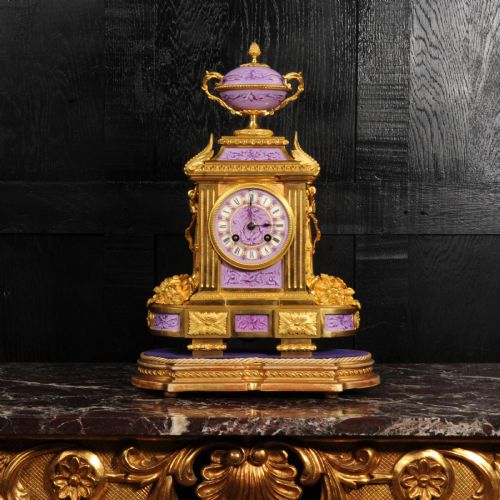
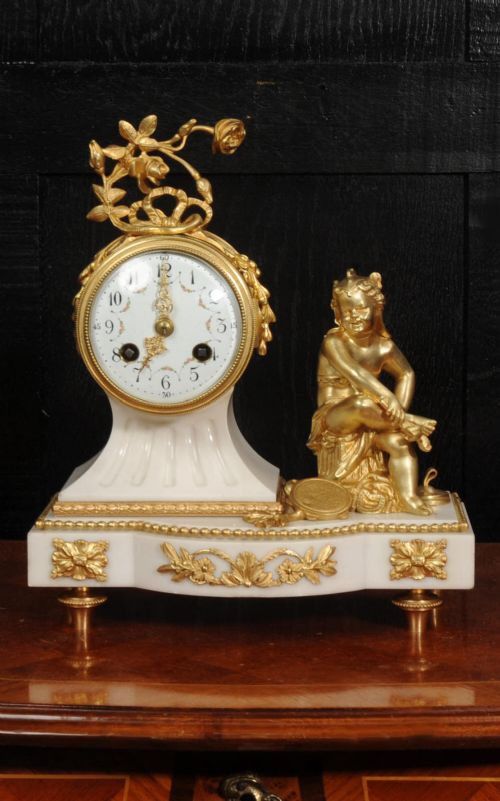
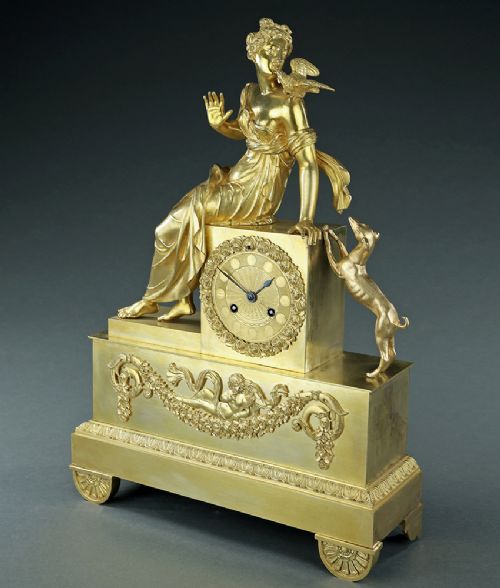
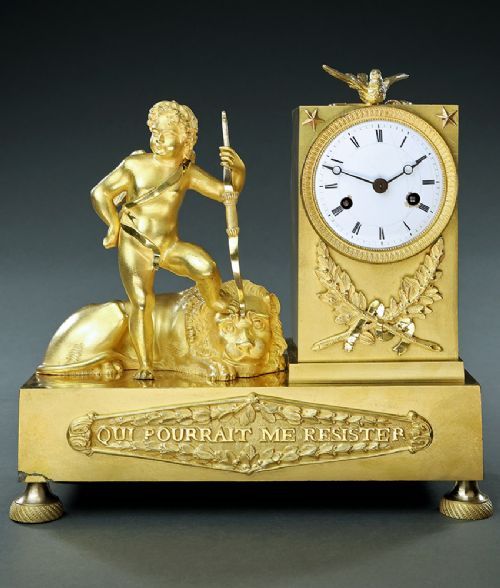
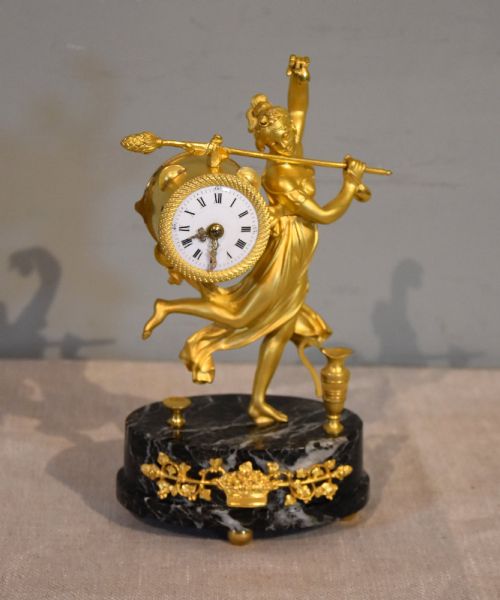
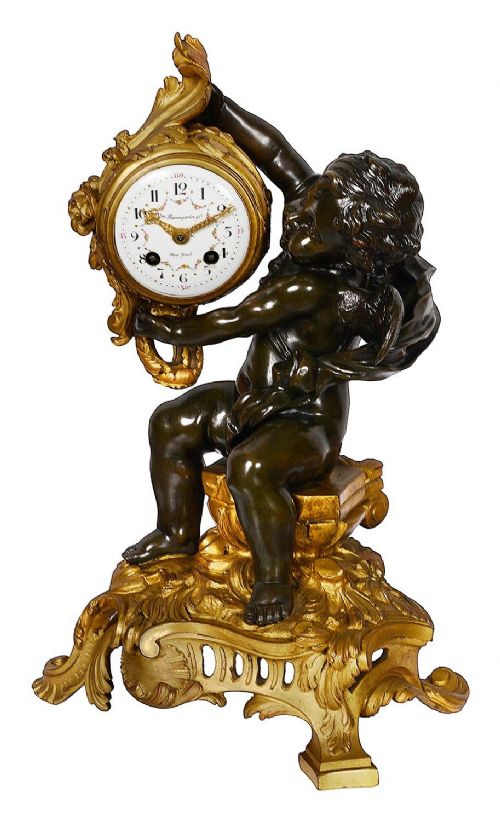
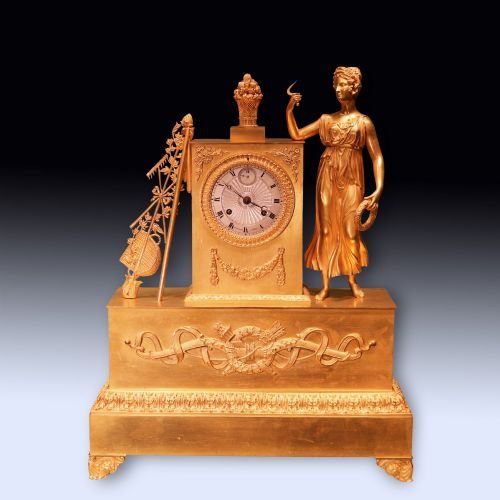
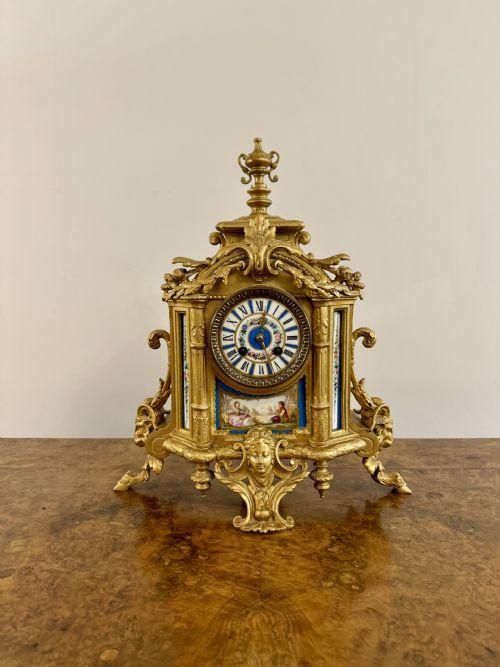
These gilded desk clock examples combine heavy cast metal cases with intricate dial work, offering both functional timekeeping and striking interior decoration.
Gilded Desk Clock
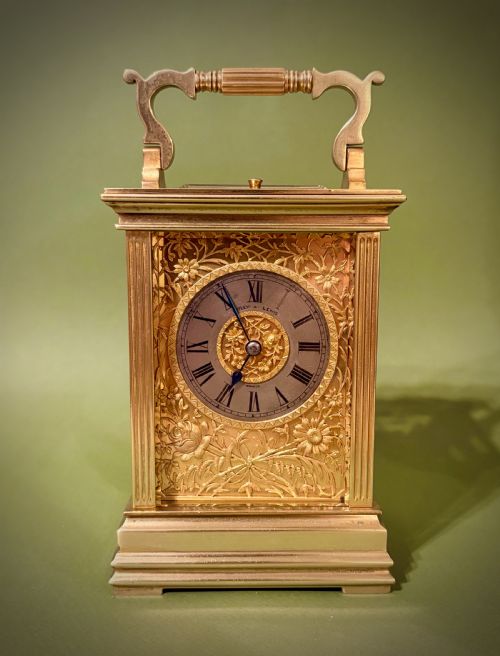
A gilded desk clock typically takes the form of a mantel clock, carriage clock, or portico clock originating from nineteenth-century France. These pieces serve as decorative timepieces designed to sit on a desk, mantle, or shelf within domestic interiors.
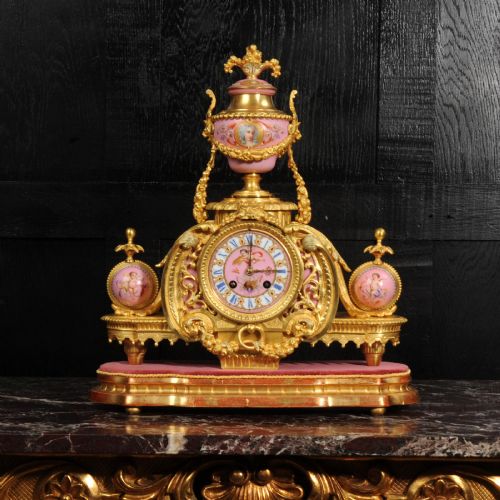
The most common versions encountered on this page date from the Victorian era and the later decades of the nineteenth century. Makers adopted styles ranging from French Empire and Rococo Revival to Louis XIV and Louis XVI revivals, reflecting historical design influences.
Factors in quality
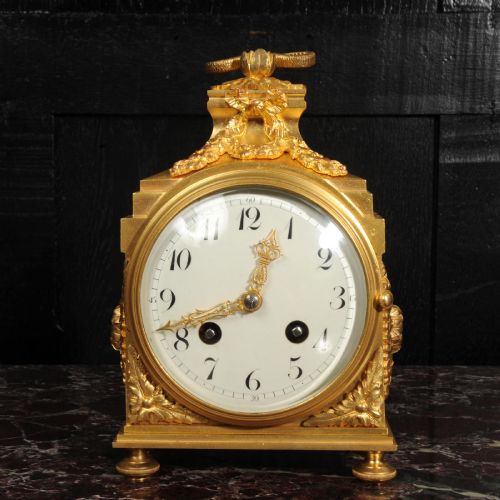
Quality separates objects through the crispness of the bronze casting and the depth of the mercury gilding applied to the metal. Finer pieces display sharply defined chased details on acanthus leaves, figures, and architectural mounts rather than soft or smoothed edges.
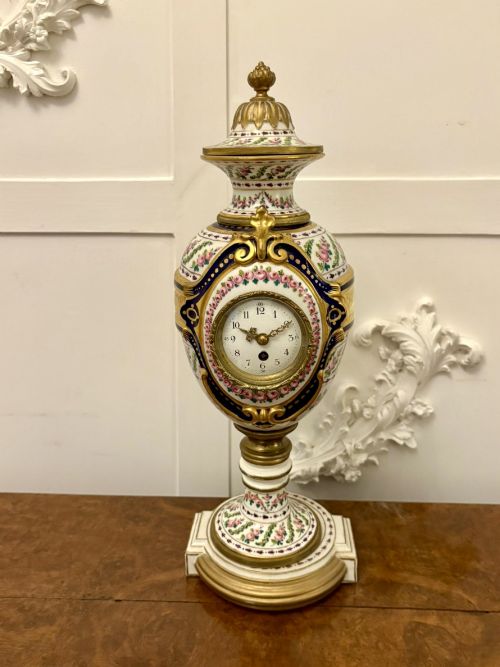
The integration of materials also dictates standard, where hand-painted porcelain panels with detailed floral or figural scenes elevate the overall piece. The presence of a recognised maker's signature on the movement backplate adds considerable authority to the item.
Materials recorded across the inventory include gilt bronze, ormolu, marble, Sèvres porcelain, and cut crystal.
Achille Brocot·Japy Freres·Canaillor of Paris·Le Roy·John Barwise·Tiffany·Drocourt
The Gilded Desk Clock Glossary
- Ormolu
- Gilt bronze produced by applying a mixture of finely ground gold and mercury to a bronze base and heating it. This technique creates a durable, rich golden finish characteristic of nineteenth-century French pieces.
- Carriage clock
- A small, portable spring-driven timepiece fitted with a carrying handle, originally designed for travellers. Examples often feature glass panels that reveal the internal escapement.
- Portico clock
- A mantel clock styled after classical architectural porticos, supported by columns. These often incorporate a pendulum suspended within the open central frame.
- Repeater
- A clock mechanism that chimes the hours and quarters upon demand when a lever or cord is pressed. This complication was frequently built into carriage clocks.
- Sèvres porcelain
- Porcelain produced by the royal French manufactory, known for its fine ceramic body and decorative glazed panels. These inserts frequently appear on the faces and bases of nineteenth-century timepieces.
Gilded Desk Clock: Frequently Asked Questions
How do I wind a gilded desk clock?
Most pieces utilise a key inserted into winding holes on the dial face or movement backplate to tension the mainspring. Care must be taken not to over-wind the mechanism.
Rotating the key gently until resistance is felt ensures the spring reaches full capacity without damage to the internal gearing.
Where should I place a heavy marble mantel clock?
These timepieces require a sturdy, level surface such as a heavy sideboard, mantelpiece, or robust desk to support their substantial weight. Placing them away from direct sunlight and damp areas protects the gilt finish and internal components.
Ensuring the surface is completely flat also allows the pendulum or balance wheel to beat evenly without stopping.
What is the difference between a carriage clock and a mantel clock?
Carriage clocks are generally smaller, portable, and equipped with a handle for travel, featuring glass panels on all sides to expose the movement. Mantel clocks are larger, heavier, and built into architectural cases made of marble, bronze, or porcelain intended for stationary placement.
Carriage clocks rely on a platform escapement, whereas many mantel clocks use a traditional pendulum.
How can I tell the period of a French clock?
Stylistic clues such as Rococo asymmetry, Empire classical motifs, or Louis XIV grandeur help assign items to specific nineteenth-century decades. Maker marks stamped on the brass movement plates often provide precise workshop records.
Additionally, the choice of materials, from cut crystal to Sèvres porcelain inserts, corresponds to prevailing manufacturing trends of the 1850s through the 1900s.