

Gilded Crystal Pendant
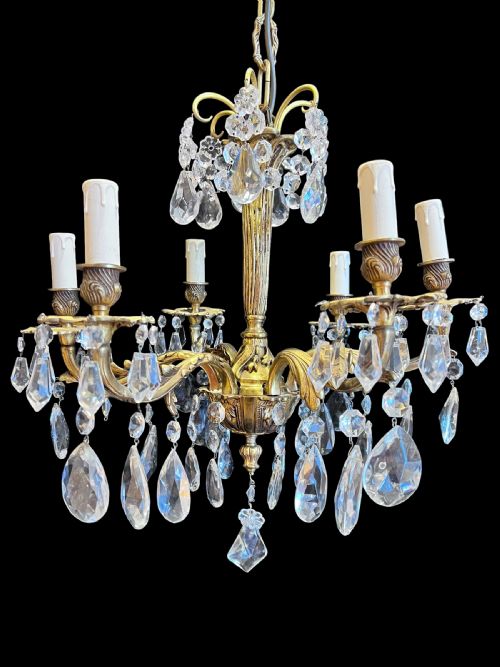
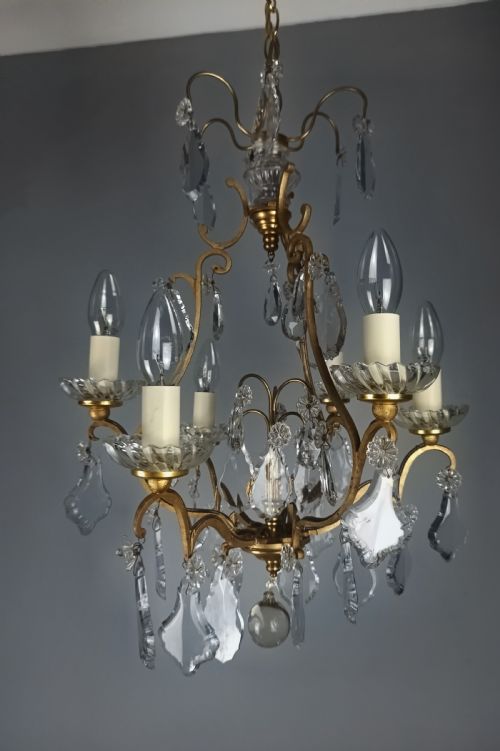
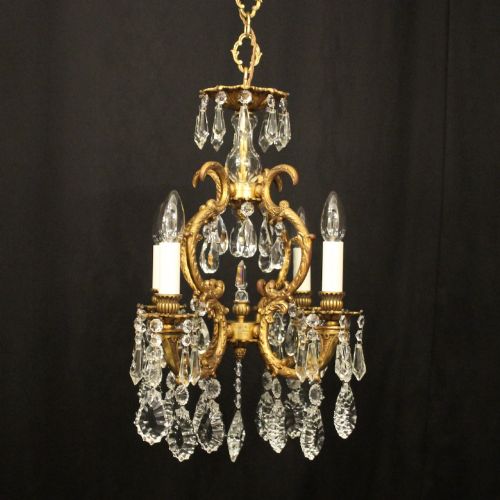
These gilded crystal pendant fixtures bring sparkle and bright illumination to a room, spanning periods from the nineteenth century to the nineteen-thirties.
Gilded Crystal Pendant
A gilded crystal pendant illuminates a space with refracted light suspended from ceilings by chains or mounts. Buyers searching for a gilded crystal pendant typically encounter ceiling lights, chandeliers, and wall sconces originating from France and Italy.
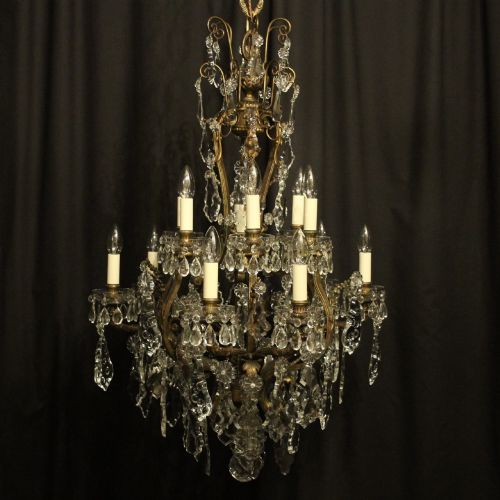
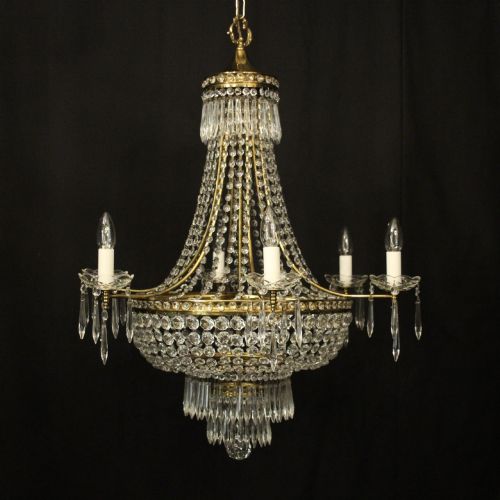
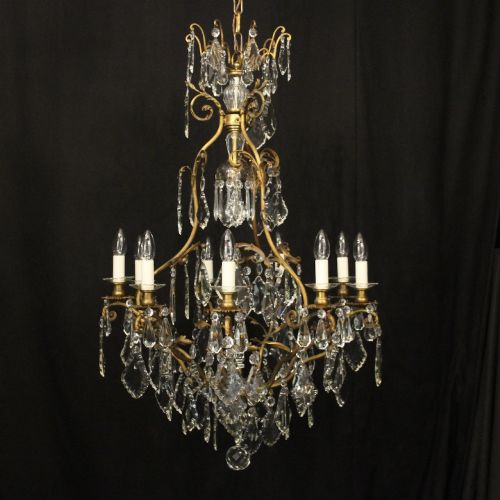
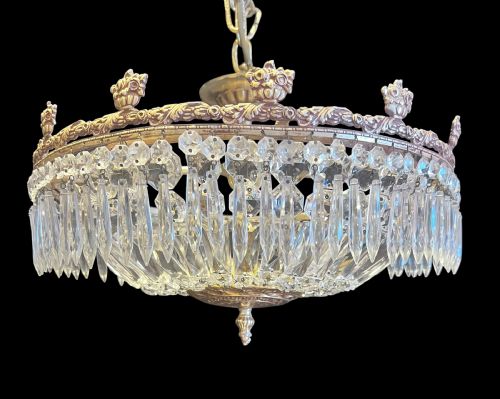
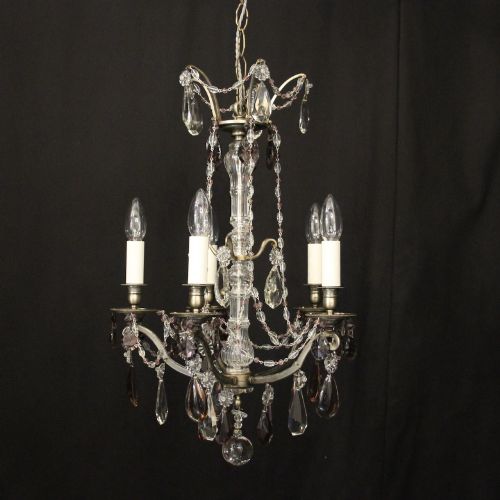
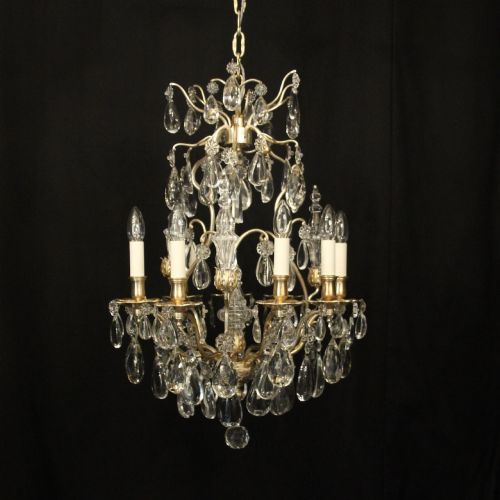
The selections span several decades, including Edwardian examples alongside pieces from nineteen hundred, nineteen-ten, nineteen-twenty, nineteen-thirty, and the nineteenth century. Common forms range from birdcage chandeliers and tent and waterfall designs to smaller plafoniers.
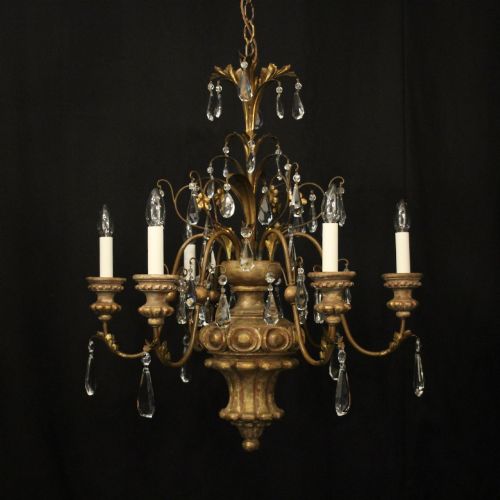
French and Italian workshops dominate the origin of these items, employing regional aesthetic traditions such as French Rococo, French Empire, and Italian Florentine styles. These pieces function as central decorative focal points in domestic interiors.
Materials and construction methods
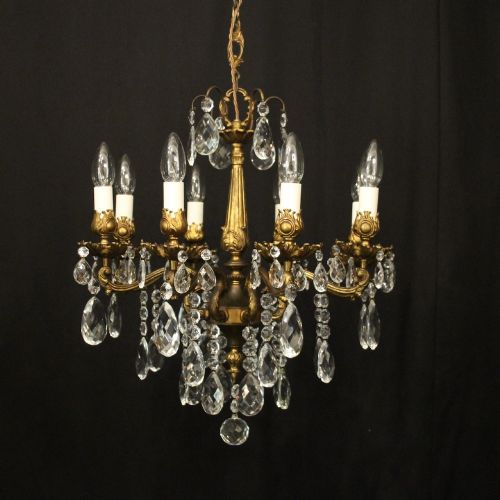
Maker workshops built the structural frames using metals such as brass, gilt brass, gilded bronze, wrought iron, and silver-gilded alloys. These metallic frames received gold or silver surface treatments to catch and reflect ambient light.
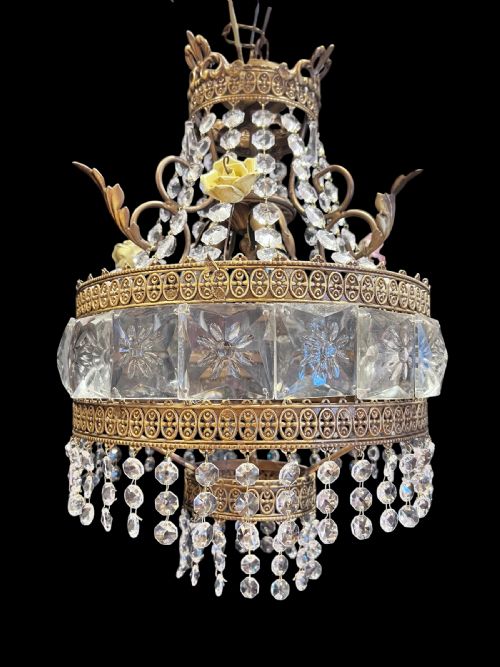
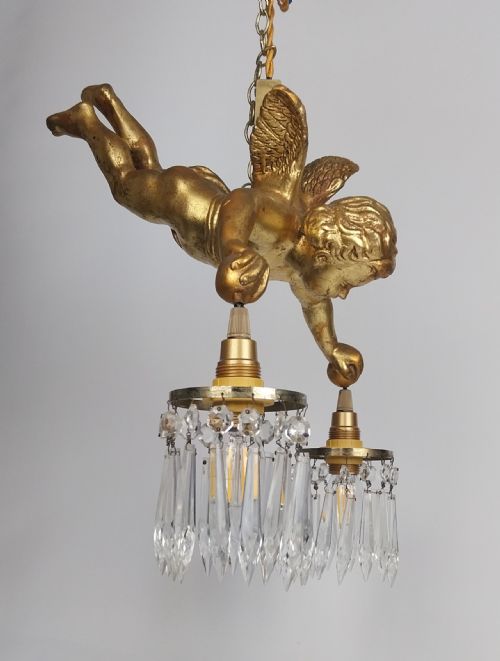
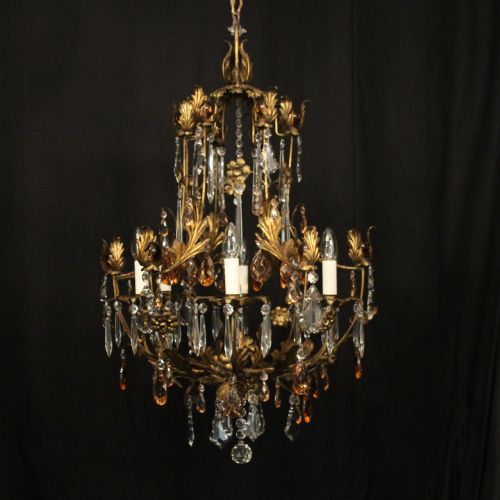
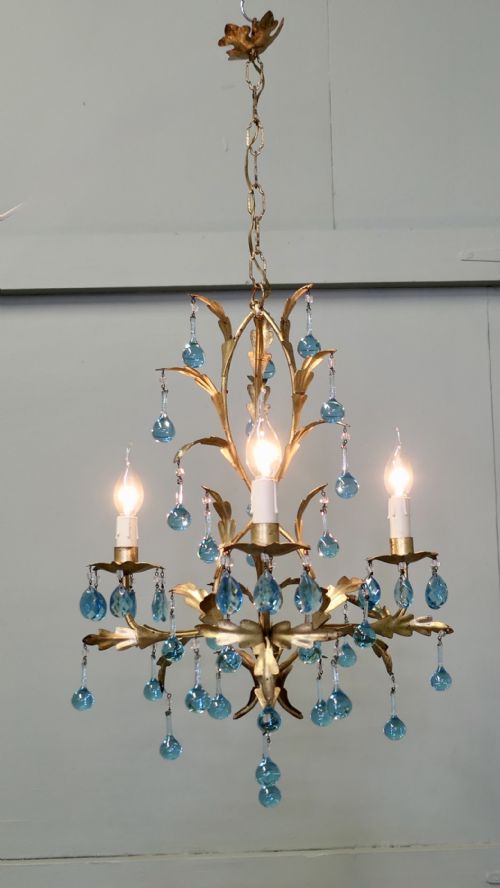
Craftsmen suspended glass and crystal elements from the metal armatures, including cut glass crystals, amber drops, turquoise stones, and amethyst tears. Additional decorative components like porcelain flowers and painted toleware integrated into the designs.
Listings feature items dated across the nineteenth century, Edwardian era, nineteen hundred, nineteen-ten, nineteen-twenty, and nineteen-thirty.
Assessing quality in period lighting
Quality rests upon the crispness of the metal casting, the depth of the gilding, and the clarity of the glass or crystal drops. Heavier cast bronze frames and hand-cut crystal prisms indicate superior manufacturing standards compared to stamped sheet metal.
The complexity of the arrangement also dictates standard, with intricate birdcage frames and multi-tiered tent and waterfall configurations requiring greater skill in assembly than simple single-tier designs.
The Gilded Crystal Pendant Glossary
- Plafonier
- A ceiling light fixture mounted flush or very close to the ceiling surface. It often uses a shallow glass bowl held by metal mounts.
- Toleware
- Painted sheet metal objects styled to resemble earlier decorative items. This technique added colourful floral or foliage details to the light frames.
- Birdcage chandelier
- A metal frame constructed with curved vertical bars resembling an aviary. Crystals hang in cascading tiers inside and around this open framework.
- Tent and waterfall
- A chandelier style featuring an upper conical tent of strung crystals dropping down to a wider circlet of lights. Crystals cascade below this ring like water.
- Gilt bronze
- An alloy of copper and tin coated with a layer of gold leaf or mercury gilding. It provides a rich, durable metallic finish for decorative mounts.
Gilded Crystal Pendant: Frequently Asked Questions
How do I clean a crystal chandelier?
Maintenance involves wiping individual glass drops with a mild cleaning solution while the fixture hangs. Care prevents damage to the delicate metal frames and old wiring.
Techniques vary depending on whether the crystals detach easily from their brass pins. Removing the drops allows for thorough soaking and drying.
Are these lights suitable for low ceilings?
Plafoniers and flush-mounted ceiling lights work well in rooms with restricted vertical clearance. They sit close to the plaster without hanging down on long chains.
Chandeliers with shorter drops also fit modest room heights if positioned above tables. Checking total drop measurements helps ensure proper placement.
How do French and Italian styles differ?
French lighting from this selection often draws on Rococo, Empire, or Chateau aesthetics, favouring formal symmetry and gilt bronze mounts. These pieces emphasise structured elegance and rich metallic detailing.
Italian pieces frequently reflect Florentine or Rococo Revival influences, incorporating leafy motifs and coloured glass. They lean towards organic forms and vibrant decorative accents.