



Gilded Ceramic Cabinet Dish
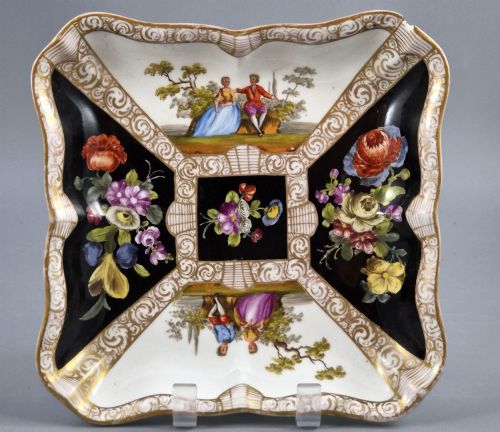
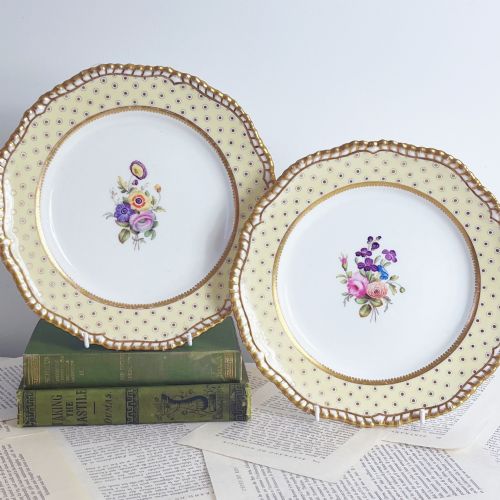
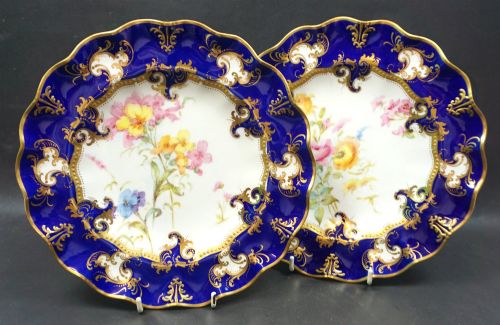
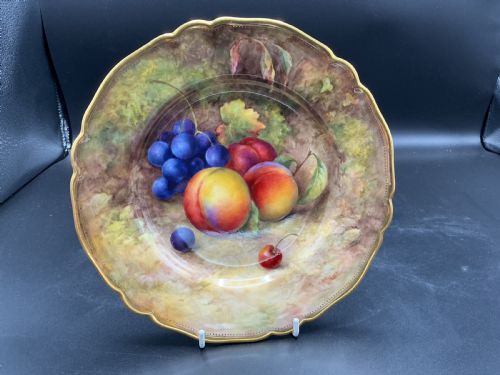
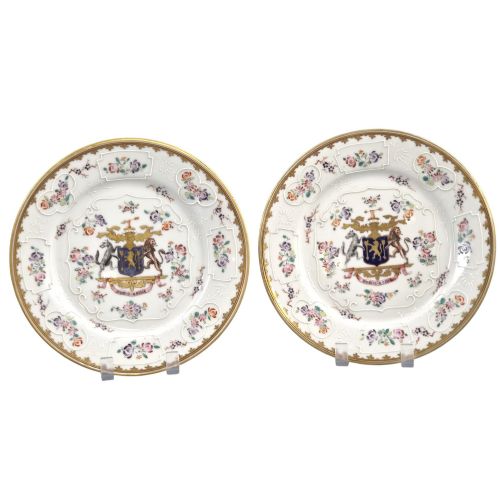
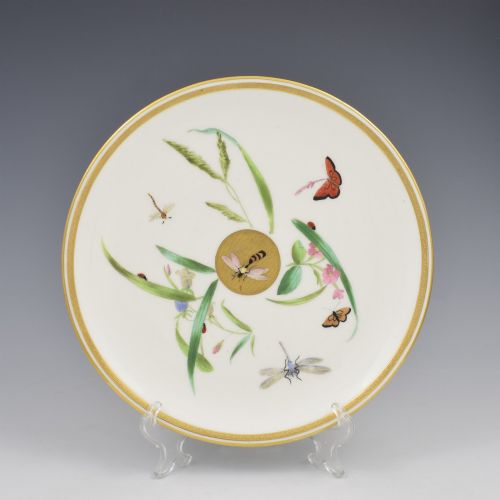
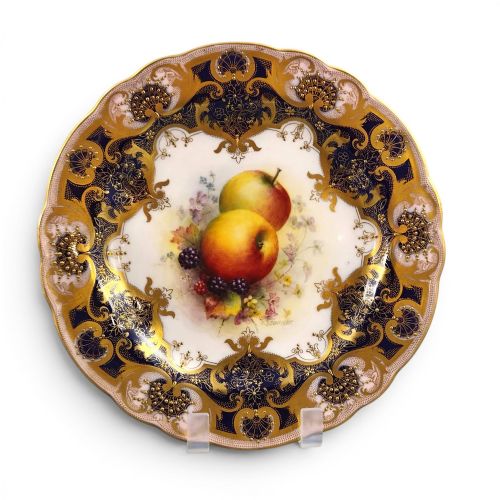
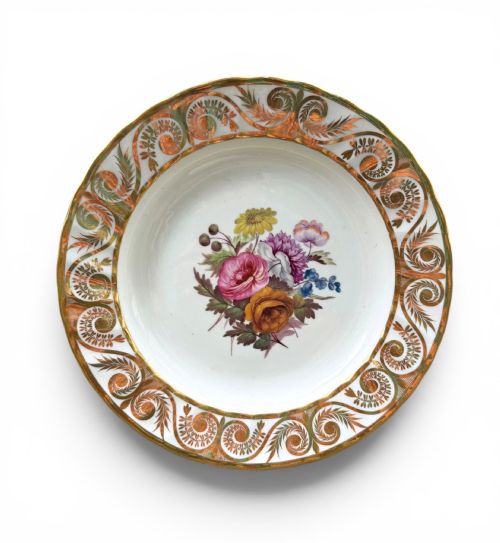
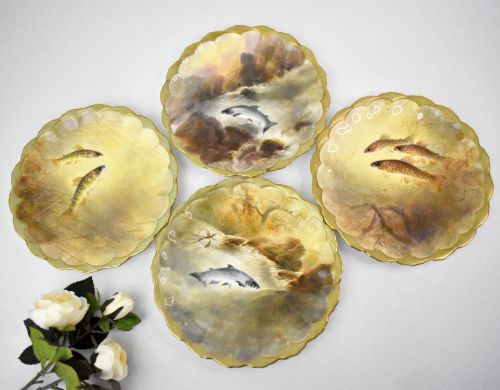
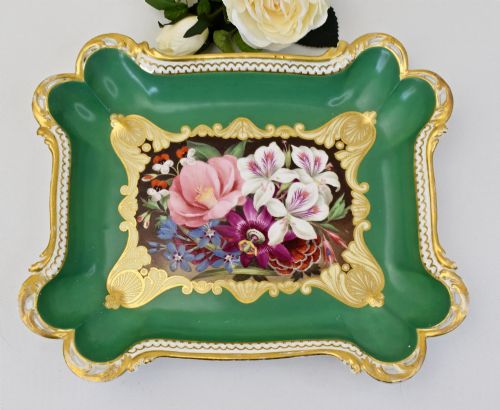
A gilded ceramic cabinet dish brings intricate hand-painted scenery, botanical studies and rich metallic borders into domestic display.
Gilded Ceramic Cabinet Dish
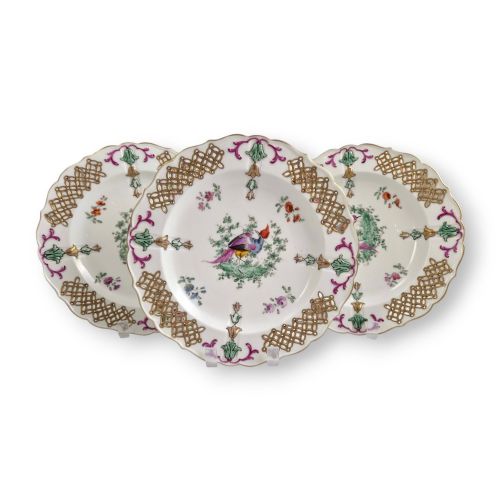
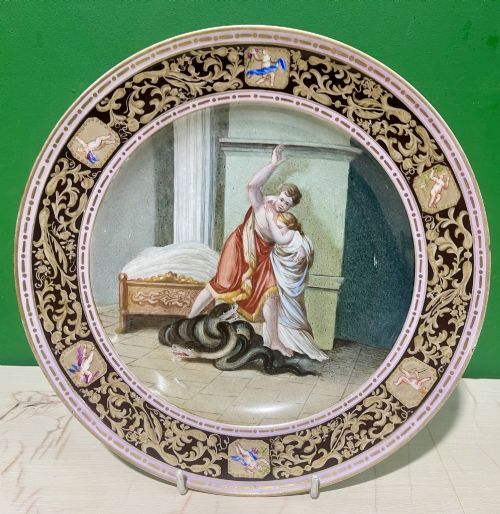
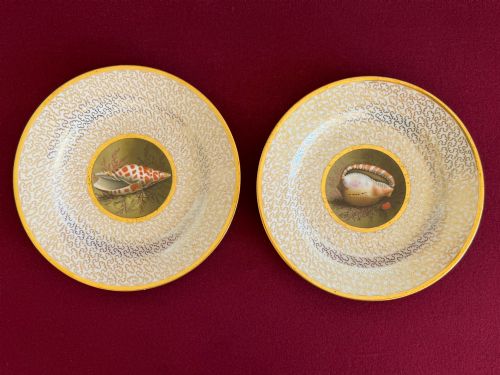
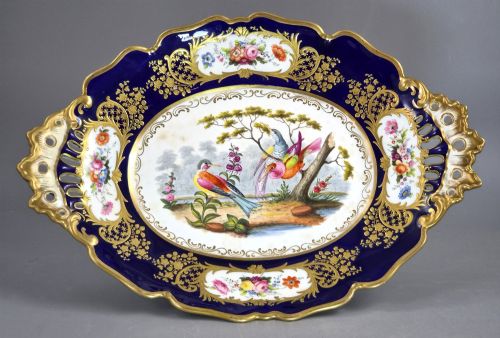
A gilded ceramic cabinet dish functions primarily as an ornamental piece rather than everyday tableware, designed historically for display in drawing rooms and cabinets. When searching for a gilded ceramic cabinet dish, collectors encounter dessert plates, serving dishes, and plaques originating from prominent English and European factories.
The inventory spans from the eighteenth century through the Edwardian period, encompassing styles such as Regency, Rococo Revival, Victorian, and Japanese Imari. Most examples on this page date from the nineteenth century, showcasing porcelain bodies enriched with gold leaf, gilt, or gilding alongside painted scenes of birds, flowers, and figures.
Forms vary from standard circular plates to oval dishes, square shapes, and reticulated pierced designs. Makers ranging from Worcester manufactories to Meissen and Royal Doulton produced these items for domestic display and specialised commission.
How they were made
Makers utilised hard-paste porcelain, bone china, and enamel, shaping them into plates, dishes, and trays before applying detailed hand-painting. Artisans then added metallic ornamentation through gold leaf, gilt, or direct gilding to accentuate rims, handles, and painted central motifs.
Firing techniques allowed factories like Worcester, Coalport, and Meissen to fuse mineral pigments and cobalt blue grounds with porcelain bodies at high temperatures. Subsequent low-temperature firings fixed the enamels and gold details to the glazed ceramic surface.
Gilded Ceramic Cabinet Dish Retail Price Guide 2026
Typical asking prices for gilded ceramic cabinet dish among the pieces listed under this phrase on Sellingantiques today, from the lower quarter to the upper quarter. They describe what is for sale here now, not the wider market.
Birds painted on these plates often stare back with fierce, theatrical expressions that rival any human portrait.
What varies in quality
The standard of painting determines much of the distinction between ordinary production and exceptional cabinet pieces, particularly when artists render complex subjects like fancy birds, topographical scenes, or mythological figures. Hand-painted botanical studies and detailed portraits executed by named artists elevate the status of an item.
The application and preservation of the gold leaf or gilding also define the upper tier of the range, alongside the crispness of porcelain moulding, reticulated piercing, and the clarity of factory marks.
Spode·H and R Daniel·Wedgwood·Coalport·Meissen·Royal Worcester·Royal Crown Derby·Derby·Minton·Royal Doulton·Cauldon Ltd·Doe and Rogers·John Ridgway·Barr Flight and Barr·James Rouse Jnr·Pucher Deroche·Chamberlain·Copeland·Flight Barr and Barr·Royal Vienna·Yasuda·Helena Wolfsohn·Grainger and Co
The Gilded Ceramic Cabinet Dish Glossary
- Cabinet plate
- A decorative ceramic plate intended strictly for display in a cabinet or on a wall rather than for dining. These pieces often feature elaborate hand-painting and heavy gilding.
- Gilding
- The application of gold leaf or gold powder to the surface of ceramics to create metallic highlights. It frames the painted central subjects on porcelain dishes.
- Bone china
- A type of soft-paste porcelain incorporating bone ash, developed in England to create a strong, translucent ceramic body. It forms the foundation for many nineteenth-century display plates.
- Reticulated
- Pierced or openwork patterns cut into the ceramic rim before firing. This technique creates a lace-like border on fine plates and baskets.
- Hard-paste porcelain
- A durable ceramic composed of kaolin and petuntse fired at very high temperatures. Continental factories such as Meissen utilised this material for crisp moulding.
Gilded Ceramic Cabinet Dish: Frequently Asked Questions
What is a cabinet dish?
A cabinet dish is an ornamental ceramic plate or tray made for visual display rather than practical dining use. These items highlight the decorative skills of historic porcelain factories.
They often feature hand-painted scenes, botanical studies, or intricate gilded borders designed to catch the eye in a drawing room setting.
How do I identify the maker?
Makers are identified by factory marks, painted ciphers, or impressed stamps located on the underside of the ceramic base. Researching pattern numbers and specific artist signatures helps narrow down the origin.
Many nineteenth-century English and European pieces bear distinct symbols corresponding to specific potteries and decorators.
How should I display them?
Display these items using sturdy plate stands inside enclosed cabinets or on secure wall mounts designed for heavy ceramics. Protection from direct sunlight prevents the painted enamels from fading.
Ensuring adequate spacing prevents accidental damage to delicate gilded rims and reticulated borders.