







Gilded Canvas Painting
A gilded canvas painting brings together rich oil pigments and ornate wooden frames to create a striking focal point for any interior.
Gilded Canvas Painting
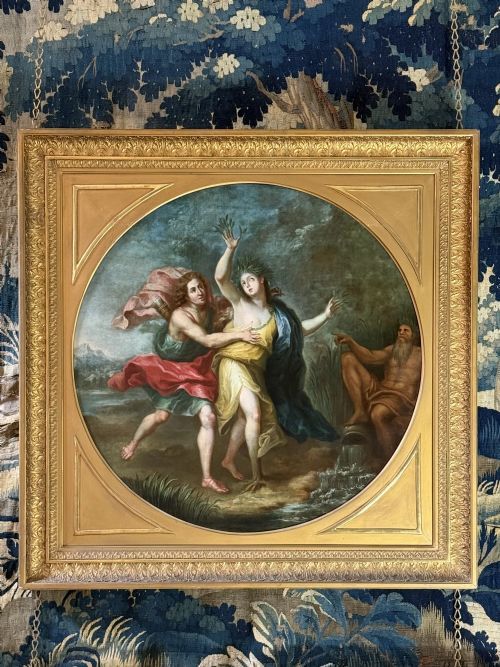
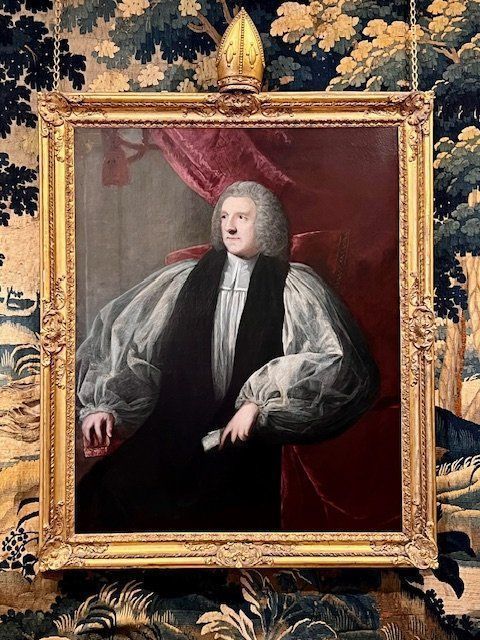
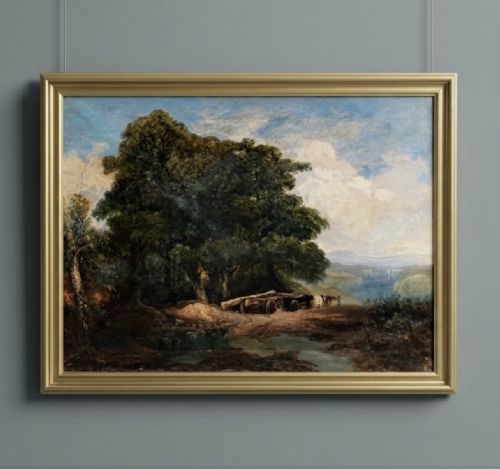
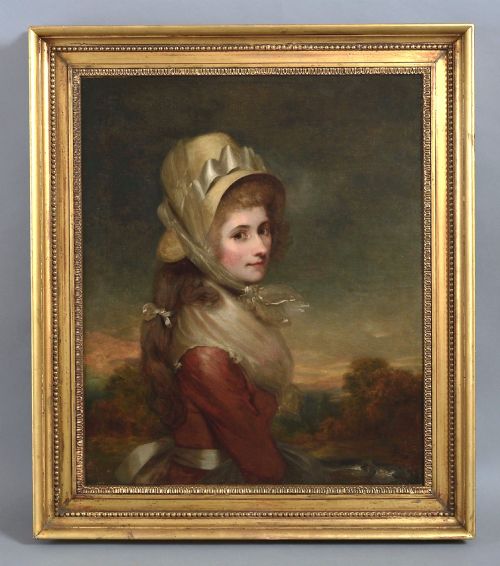
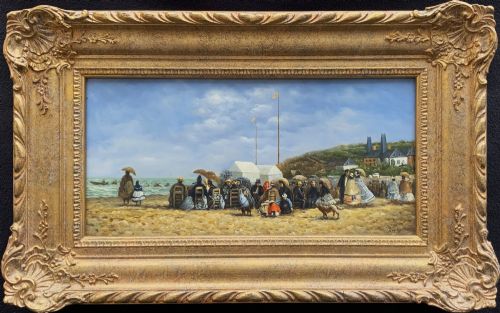
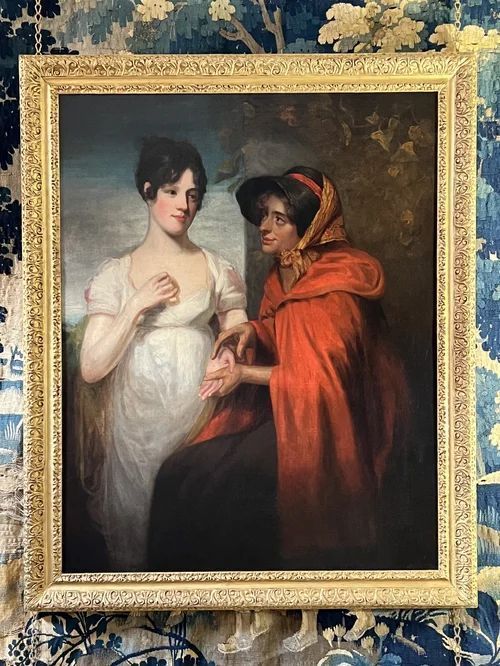
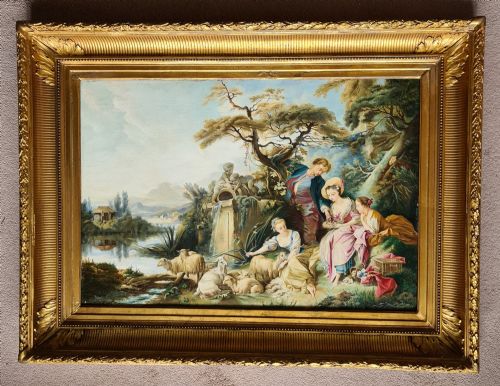
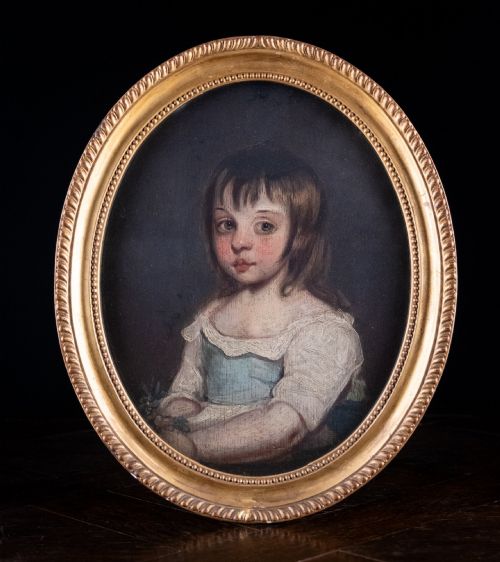
A gilded canvas painting combines traditional oil on canvas artwork with a decorative wooden frame finished in gold leaf or gesso. These pieces span portraiture, landscape, floral still life, and classical genre scenes from various centuries.
Buyers encounter works ranging from seventeenth-century Dutch old masters and eighteenth-century British portraits to nineteenth-century romantic landscapes and twentieth-century interpretations. The common thread is the integration of canvas support and a metallic, reflective surround.
The format varies from intimate domestic studies to monumental compositions. Many pieces reflect specific stylistic movements, including Baroque, Georgian, Victorian, and French Rococo.
Materials and Technique
The physical construction relies on stretched canvas secured to wooden frames, painted with oil pigments applied by brush. The surrounding frames utilise carved wood, gesso layers, and applied gold leaf to create a luminous border.
Makers shaped wooden mouldings and applied fine plaster gesso to build up decorative reliefs before laying down thin sheets of gold leaf or metallic giltwood finish. This technique protected the wood while providing a brilliant contrast to the dark tones of the oil painting.
Listings feature works spanning from the seventeenth century through to the 1960s, executed in oil on canvas with giltwood, gesso, and gold leaf frames.
Assessing Quality
Quality rests upon the skill of the brushwork and the depth of the oil paint layers on the canvas. Superior works display confident draftsmanship, subtle tonal gradation, and a strong compositional balance that commands the room.
The craftsmanship of the frame is equally significant, distinguishing hand-carved giltwood and intricate gesso mouldings from simpler later replacements. The harmony between the painting and its original frame elevates the overall integrity of the piece.
Sir Joshua Reynolds·Charles-Antoine Coypel·Sir Godfrey Kneller·Pieter Borsseler·John Theodore Heins
The Gilded Canvas Painting Glossary
- Gesso
- A plaster mix applied to wooden frames as a smooth base for gilding. It allows craftsmen to carve intricate relief details before applying gold leaf.
- Gold Leaf
- Extremely thin sheets of beaten gold used to cover wooden frames. This material provides a lasting, luminous metallic finish that resists tarnish.
- Giltwood
- Timber that has been decorated with gold leaf or gold paint. It forms the primary structural material for many antique picture frames.
- Old Master
- A term for a European artist of high skill working before about eighteen hundred. These painters established foundational techniques in portrait and landscape composition.
- Oil on Canvas
- Pigments bound with drying oils applied to a woven fabric support. This medium permits rich blending of colour and long-term durability.
Gilded Canvas Painting: Frequently Asked Questions
How do I clean a gilded canvas painting?
Dust the canvas gently with a soft, dry brush to remove surface particles without disturbing the paint layer. Avoid using water or liquid solvents on the painted surface.
For the frame, use a dry, soft cloth to clear away dust from the gesso and gold leaf details. Professional conservation is recommended for any deep cleaning.
Are these paintings supplied in original frames?
Many pieces retain their period frames, which are often carved giltwood or gesso matching the age of the canvas. These original pairings enhance the historical context and visual impact of the artwork.
Some listings feature period-appropriate replacement frames selected to complement the era of the painting. Check individual descriptions for details regarding frame provenance.
Where should I hang a gilded canvas painting?
Position the piece away from direct sunlight and excessive moisture to protect both the oil pigments and the delicate gold leaf. A stable indoor environment preserves the wood and canvas over time.
Select a wall with adequate clearance to let the ornate frame work as a standalone architectural feature. Adequate lighting from a picture light can accentuate the metallic finish.
How can I identify the age of the canvas?
Examine the reverse of the canvas for weave density, stretcher bar construction, and historical maker stamps. Older pieces often show hand-planed wood and oxidation on the back of the fabric.
Stylistic cues in the subject's dress, hair, and painting technique also provide reliable markers for dating. Comparing the work to known studio examples helps narrow the period.