

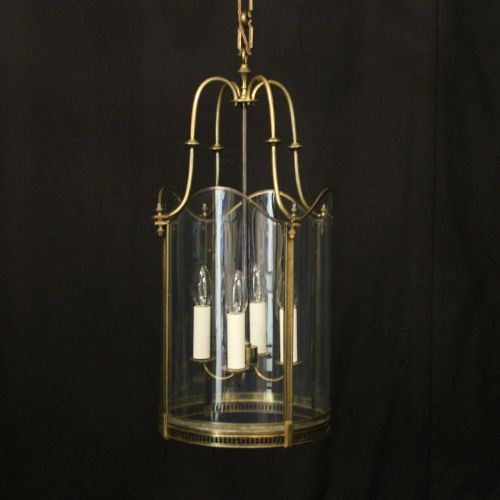
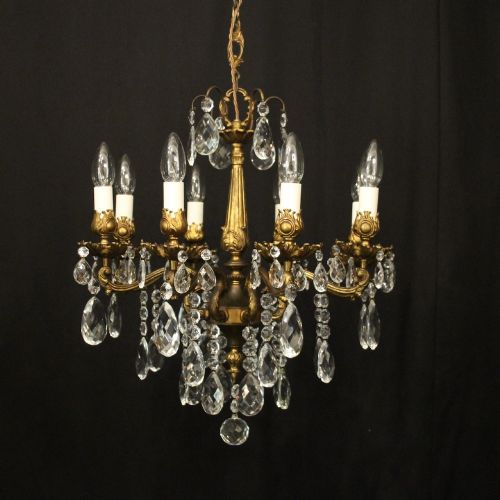
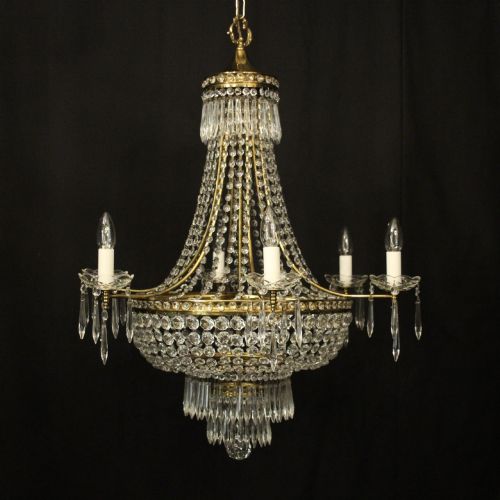
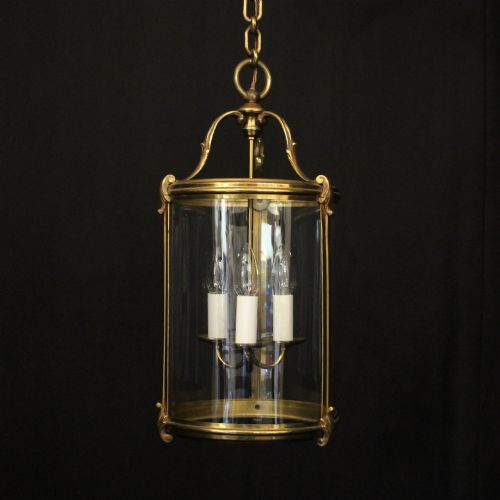
Gilded Brass Ceiling Pendants
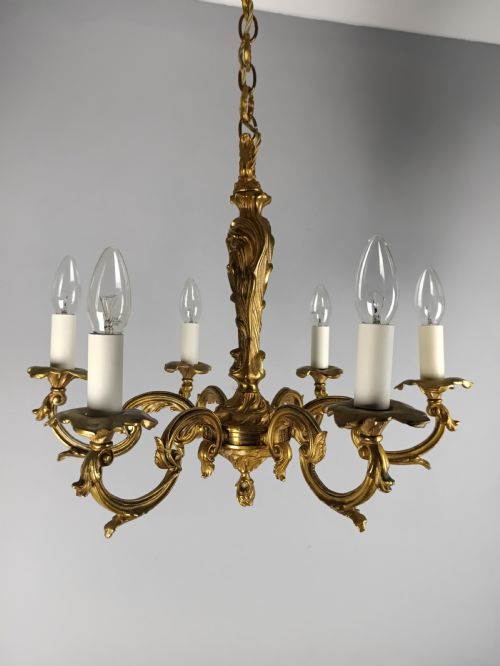
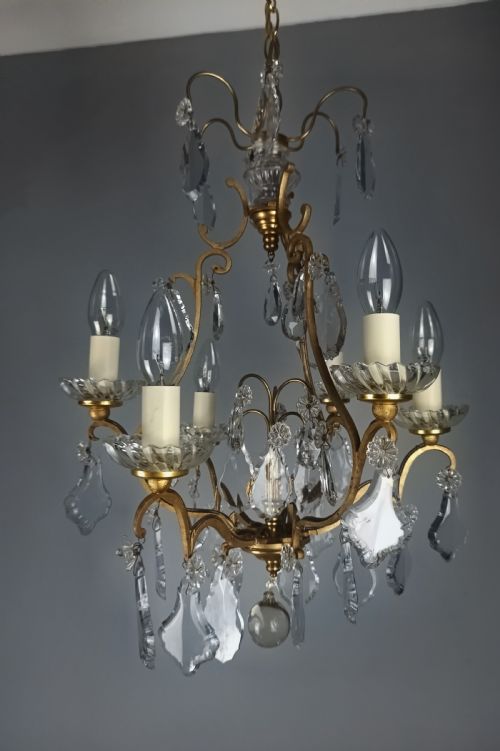
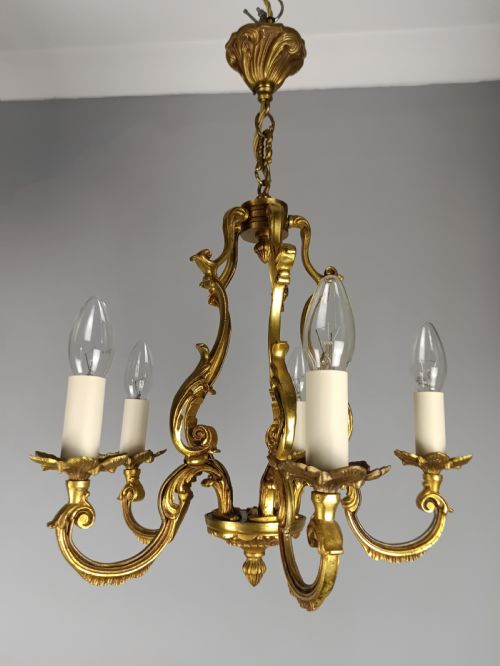
Gilded brass ceiling pendants bring warm metalwork and formal illumination to a room, spanning Edwardian designs and twentieth-century French styles.
Gilded Brass Ceiling Pendants
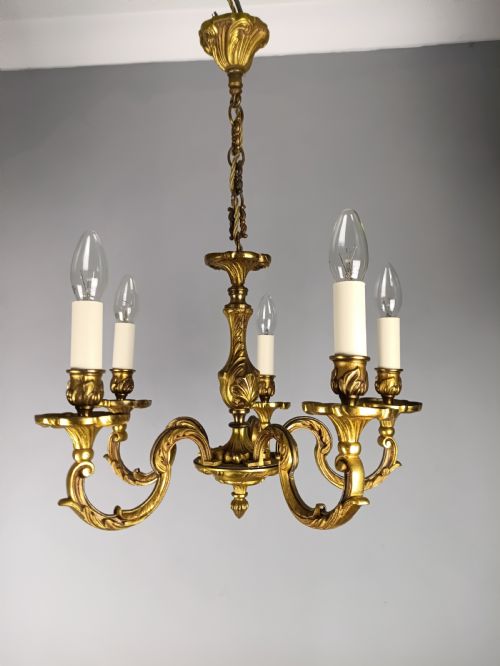
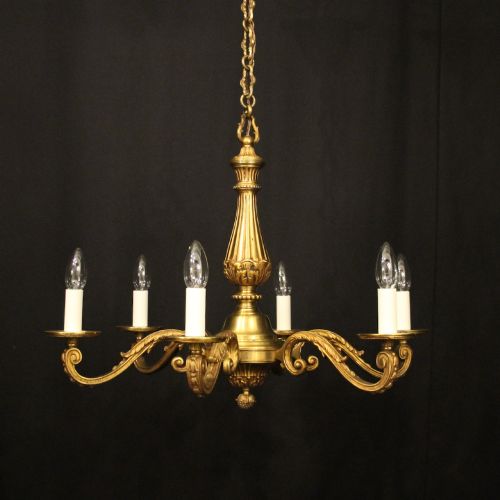
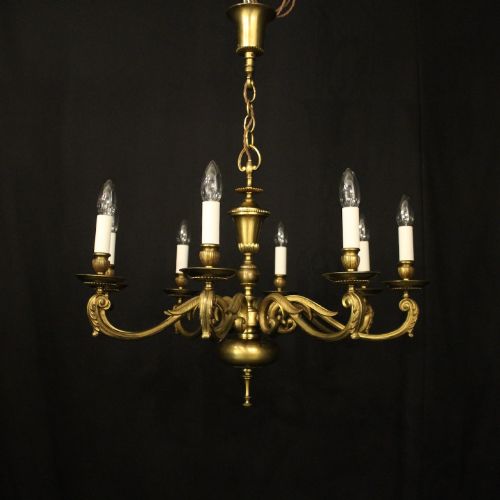
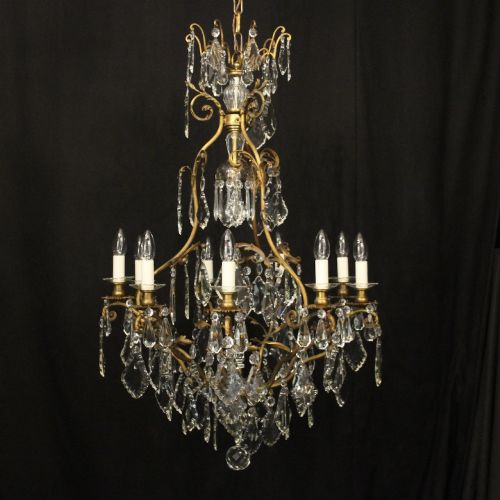
Gilded brass ceiling pendants comprise multi-light chandeliers, hall lanterns, and hanging fixtures designed to illuminate interiors from above. Buyers searching this phrase encounter numerous French and English examples originating from the nineteenth century through the 1930s.
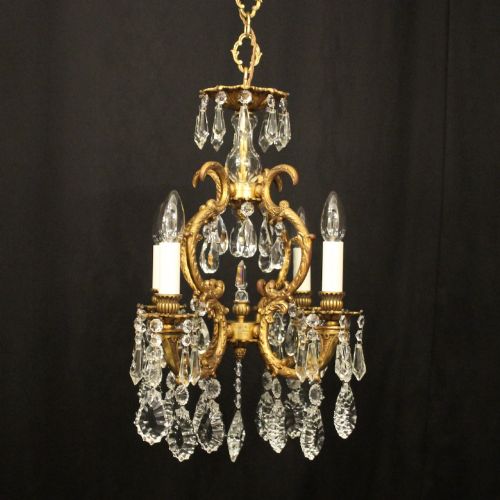
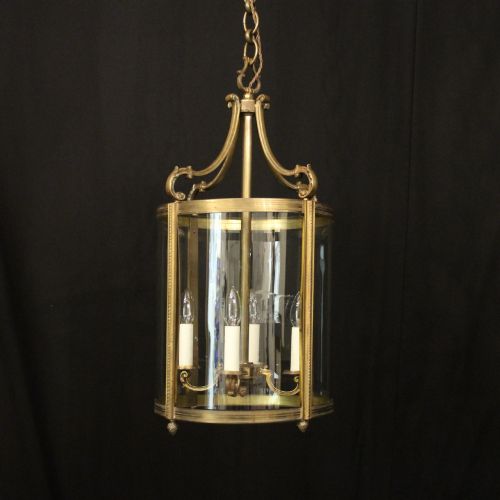
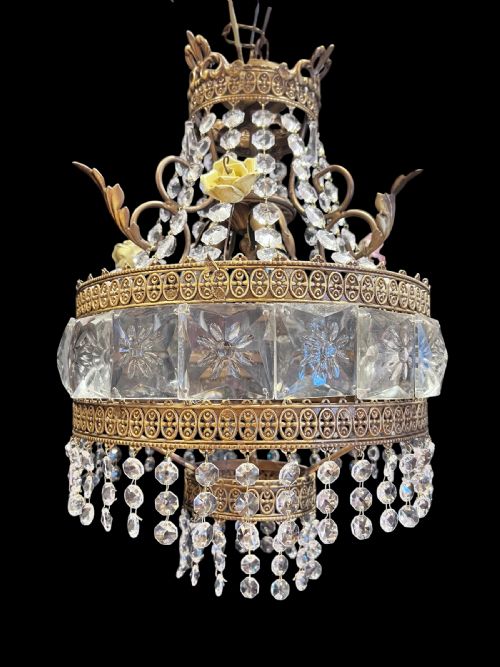
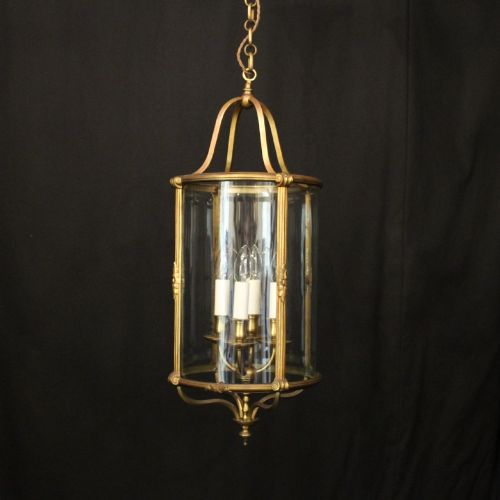
The selection ranges from large multi-arm chandeliers hung with crystal drops to enclosed convex hall lanterns and birdcage frames. Many incorporate ornamental details such as porcelain flowers, winged cherubs, and tolewear ceramic elements.
French production dominates the available forms, particularly pieces reflecting neoclassical, rococo, and empire styles from 1920 and 1930. English makers also contribute substantial brass and gilt lanterns from the same Edwardian and interwar decades.
Materials and Construction
Makers constructed the structural frames primarily from brass, bronze, and gilt metal, applying surface gilding to create a bright metallic sheen. Lustre glass, crystal drops, and coloured crystals are suspended from the metal armatures to refract the bulb light.
Interiors and decorative accents frequently combine organic materials with metalwork, utilising ceramic flowers, porcelain, and painted tolewear components. Gesso and giltwood appear on specific nineteenth-century frames alongside standard metal casting techniques.
The listings on this site feature brass, bronze, and glass pieces spanning the nineteenth century through the 1930s.
Evaluating Quality and Detail
Quality rests upon the crispness of the cast metal ornamentation and the integration of the glass components. Finer pieces display substantial bronze or brass weight, intricate chasing on the metal mounts, and hand-cut crystal rather than moulded glass.
The complexity of the form dictates distinction, separating simple multi-light frames from elaborate tent and waterfall chandeliers hung with extensive crystal cascades. Original gilding preservation and harmonious additions like porcelain floral details further elevate specific pieces.
The Gilded Brass Ceiling Pendants Glossary
- Gilt bronze
- An alloy treated with a gold application to produce a lustrous golden surface finish. This material is frequently found on French chandelier frames from the early twentieth century.
- Hall lantern
- An enclosed hanging light fixture designed specifically for narrow entryways and corridors. These fixtures often feature convex glass panels held within a metal framework.
- Tent and waterfall chandelier
- A lighting form featuring strings of beads arranged in an upper conical tent shape cascading down into a wider circular arrangement of crystals. These fixtures maximise light refraction through dense crystal drops.
- Plafonniere
- A ceiling light fixture mounted flush or very close to the ceiling surface rather than suspended on a long chain. They typically combine brass frames with crystal or glass bowls.
- Toleware
- Enamelled and painted sheet metal used to form decorative leaves and floral elements on specific lighting designs. It introduces painted colour alongside the gilded metal framework.
Gilded Brass Ceiling Pendants: Frequently Asked Questions
How do I hang a heavy brass chandelier safely?
Heavy fixtures require direct anchoring to a ceiling joist using a rated metal mounting box and appropriate steel fixings. Professional installation is recommended to support the combined weight of the metal frame and crystal elements.
Electrical wiring must also be inspected to ensure the internal components match current safety standards while preserving the antique metalwork.
What rooms suit a hall lantern best?
Convex hall lanterns suit entrance hallways, landings, and high-ceilinged corridors where enclosed hanging lights provide focused downward illumination. Their compact profile allows them to hang in circulation spaces without obstructing movement.
They also function effectively in smaller reception rooms and vestibules where a full multi-light chandelier would overwhelm the proportional space.
How do I clean crystal drops on a pendant?
Crystal drops benefit from gentle cleaning in situ using a mild solution of warm water and dish soap applied with a soft cloth. Removing each drop individually allows for thorough washing and drying when heavy accumulation obscures the glass.
Harsh chemical cleaners should be avoided to protect the surrounding gilded brass surface from unintended stripping or discolouration.
How do I date an antique ceiling pendant?
Dating relies upon examining the manufacturing techniques, mounting screws, wiring channels, and stylistic motifs present on the metal frame. Edwardian and 1930s pieces often exhibit specific casting methods and standardised electrical fittings distinct from nineteenth-century examples.
Comparing the decorative vocabulary, such as neoclassical urns or rococo curves, against documented period styles helps confirm the era of origin.