

Gilded Brass Candle Lights
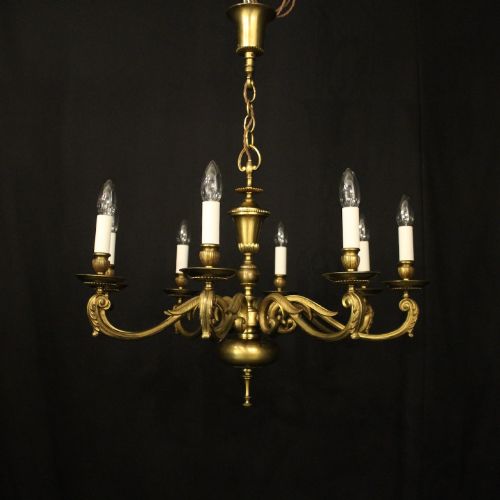
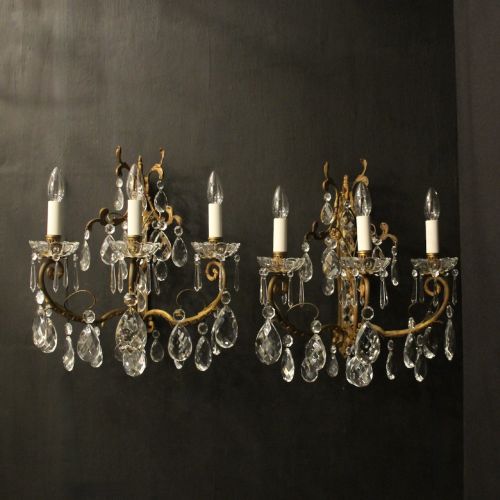
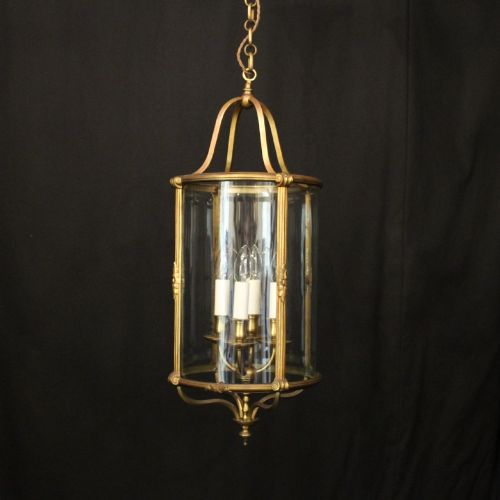
Gilded brass candle lights bring warm metallic reflection to rooms through French and English chandeliers, wall lights, and lanterns dating from the eighteenth century to the mid-twentieth century.
Gilded Brass Candle Lights
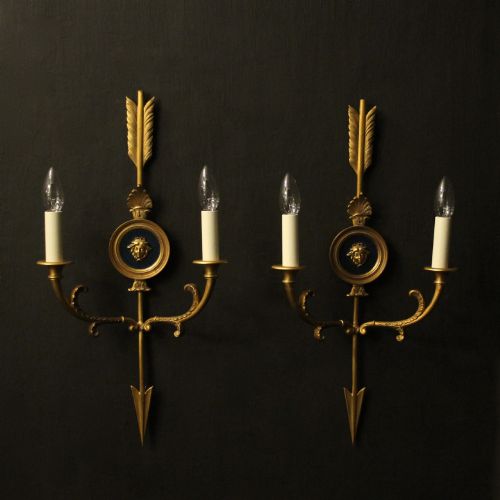
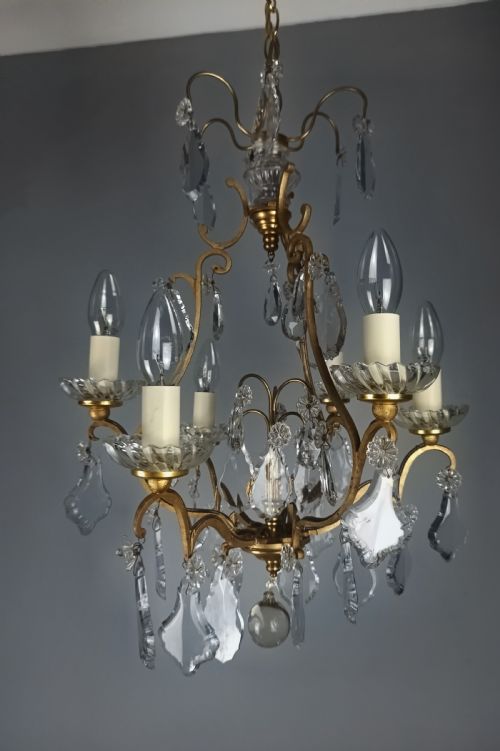
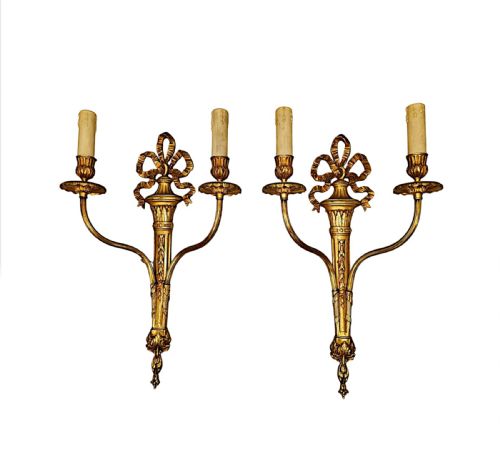
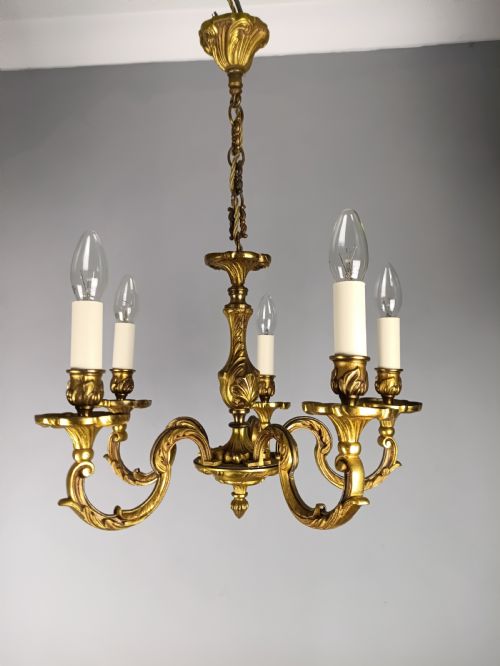
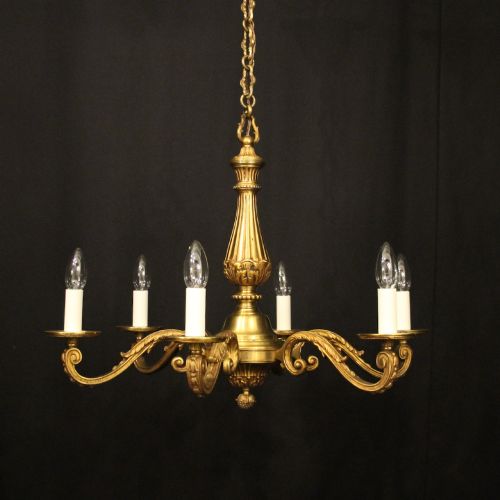
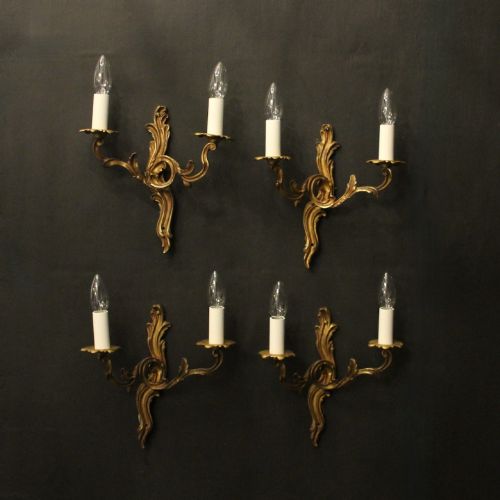
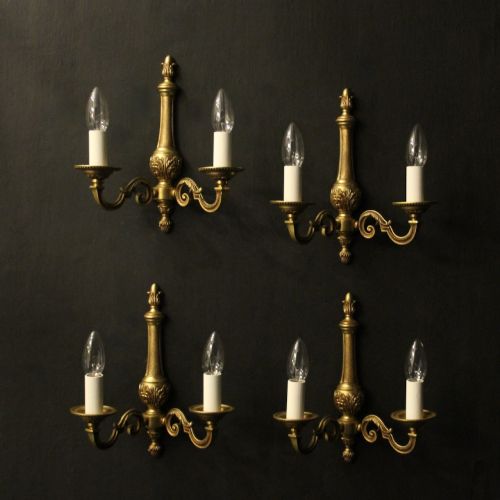
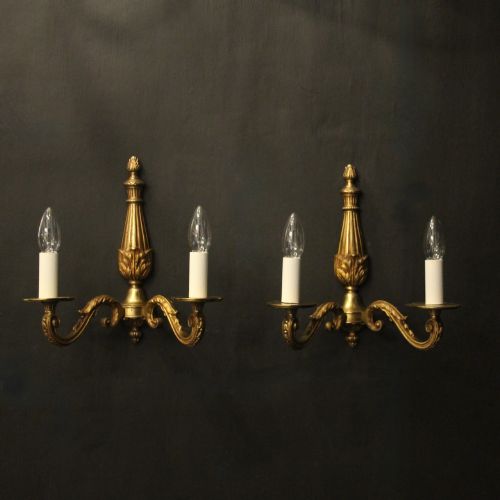
Gilded brass candle lights encompass wall lights, chandeliers, hall lanterns, candlesticks, and candelabra designed to hold multiple candles or electric bulbs. The selection leans heavily toward French production, particularly twin-arm and triple-arm wall lights alongside multi-light chandeliers dated around nineteen thirty.
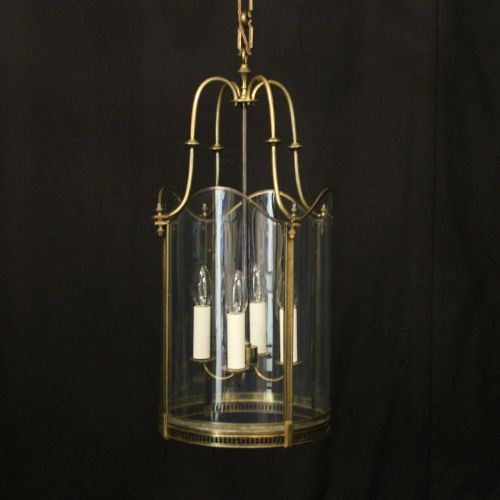
The objects span from eighteenth-century candlesticks to nineteenth-century Victorian ormolu pieces and early twentieth-century French chateaux styles. English examples also appear in the form of hall lanterns and wall sconces.
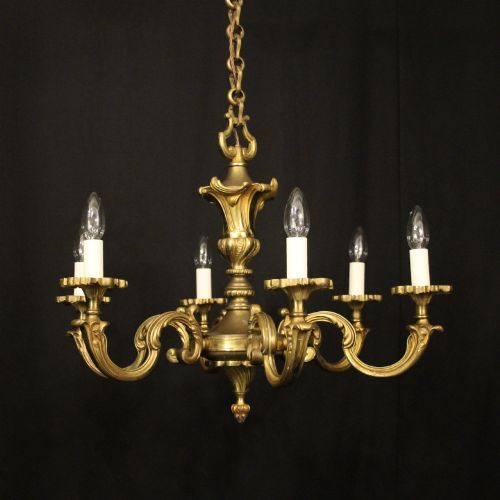
Buyers encounter forms ranging from single-arm wall appliques to large six-light chandeliers, often styled with Louis XVI or French Rococo revival motifs.
Distinctions in quality
Quality rests upon the crispness of the cast ornamentation, where finely chased French rococo scrolls and ribbon motifs display sharper relief than secondary production pieces. The depth and durability of the ormolu or gilded surface layers dictate how well the metal ages under light.
Proportion and structural integrity of multi-arm frames determine overall elegance, distinguishing standard commercial wall lights from substantial chateau-scale chandeliers and candelabra.
The Gilded Brass Candle Lights Glossary
- Ormolu
- Finely ground high-carat gold mercury-gilded onto a bronze base. This technique creates a rich, matte-gold finish common on antique French lighting.
- Candelabra
- A branched candlestick designed to hold multiple tapers simultaneously. These often feature removable arms or central decorative finials.
- Sconce
- A wall-mounted lighting fixture attached directly to vertical surfaces. They appear frequently in twin-arm and triple-arm configurations.
- Pricket candlestick
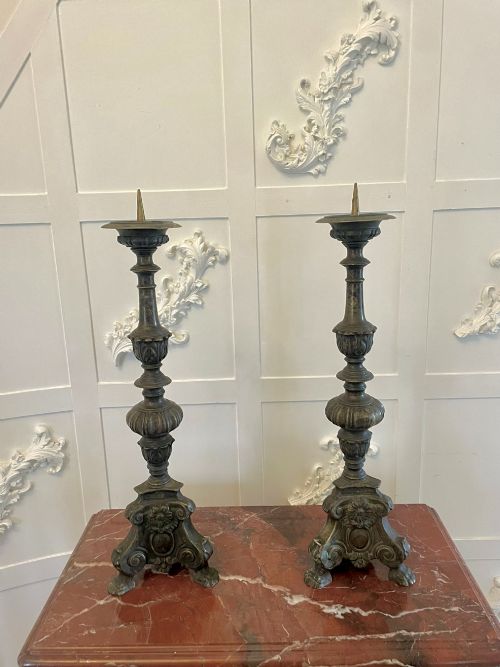
- A candlestick featuring an upright spike upon which the base of the candle is pressed to secure it. This form appears in nineteenth-century brass pieces.
Gilded Brass Candle Lights: Frequently Asked Questions
How do I date these lights?
Dating relies on stylistic markers such as Louis XVI symmetry, Rococo asymmetry, and Victorian ornamentation combined with material patination. Structural screws and wiring conduits also help narrow down the decade of production.
Twentieth-century pieces often reflect earlier French revival aesthetics, while eighteenth and nineteenth-century examples show hand-chased surfaces and heavier cast brass bases.
Were these originally electrified?
Most antique fixtures were manufactured for wax candles before later conversion to electricity during the twentieth century. Some mid-century pieces emerged designed specifically for wired fittings.
Conversion methods vary, with modern internal rewiring fitted through existing hollow brass arms to preserve the exterior appearance.
How do I clean gilded brass?
Maintenance requires only gentle dusting with a soft, dry cloth to prevent the accumulation of debris in chased crevices. Avoid abrasive metal polishes that strip thin gilt layers.
Moisture and chemical cleaners damage historic ormolu and gilded surfaces, so conservation cleaning should remain minimal.
What rooms suit wall lights?
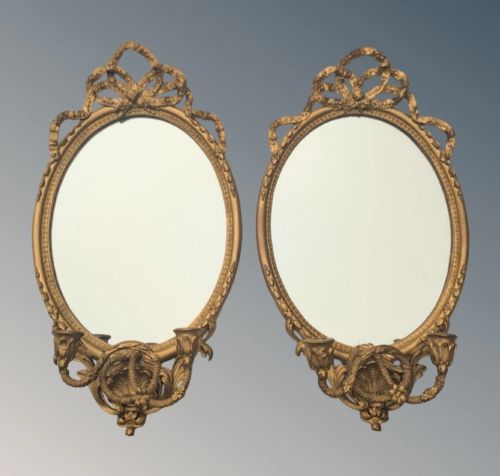
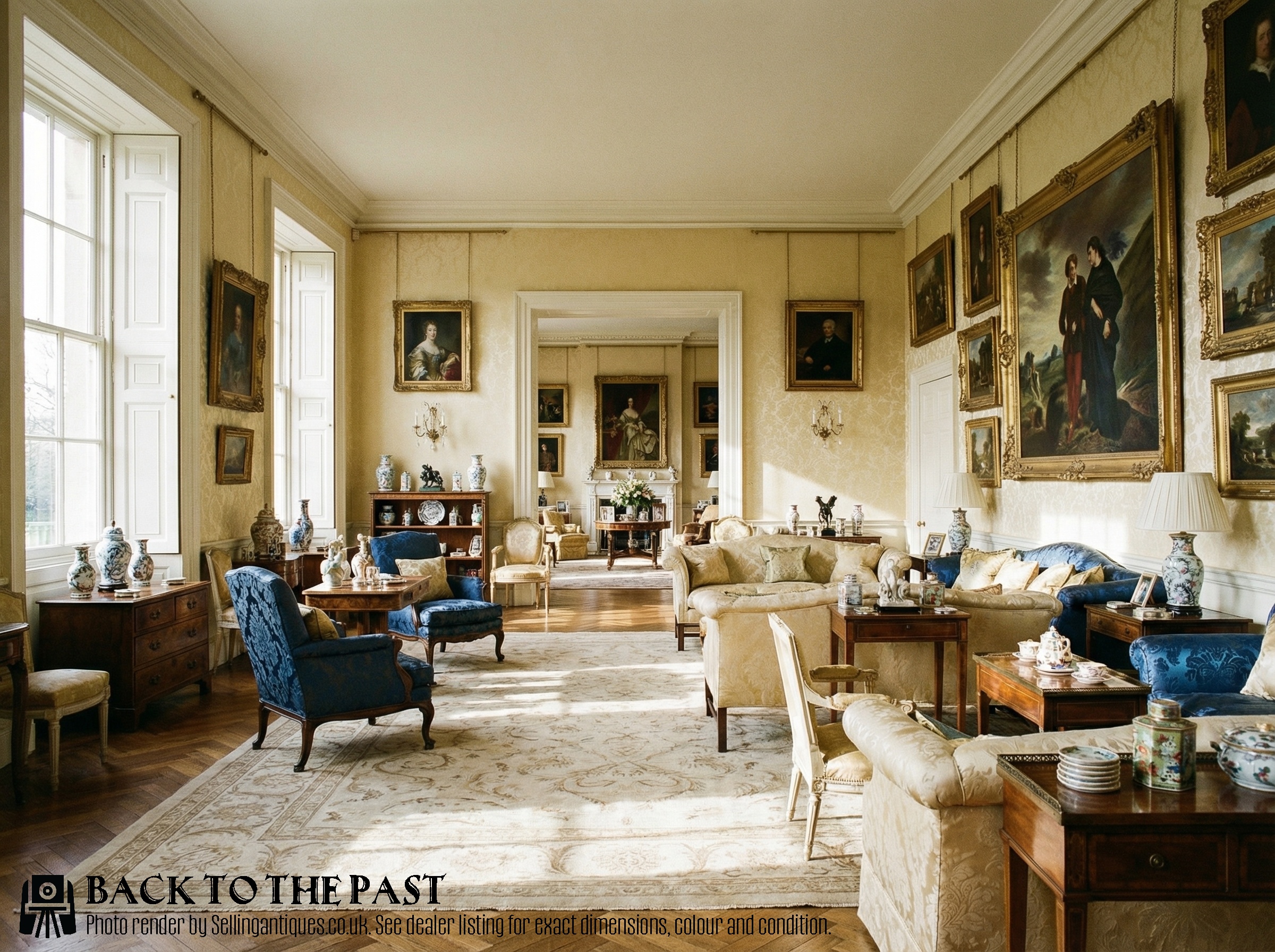
Twin-arm and triple-arm wall lights suit hallways, dining rooms, and drawing rooms where balanced side illumination complements central chandeliers. Mirror-back sconces specifically amplify available light in smaller spaces.
Pairing matching sets across architectural focal points creates symmetrical balance within traditional interiors.