
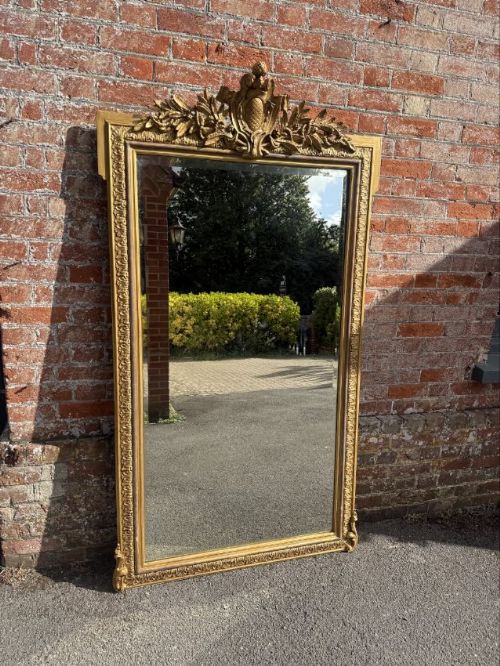
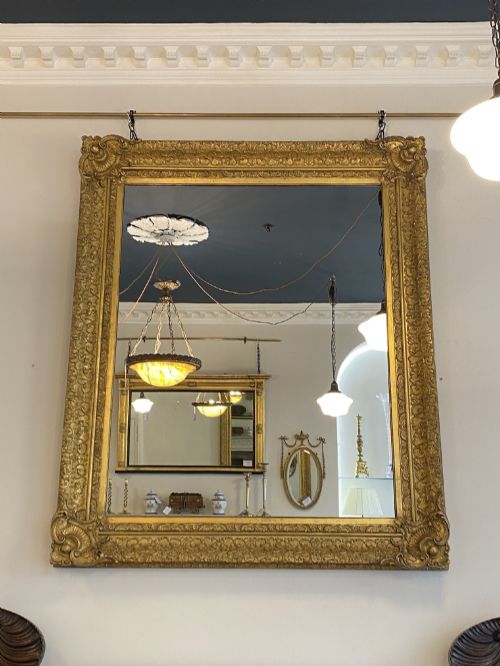
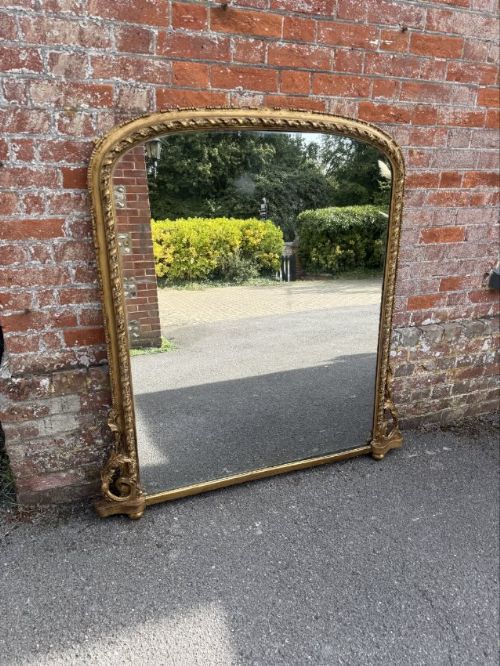
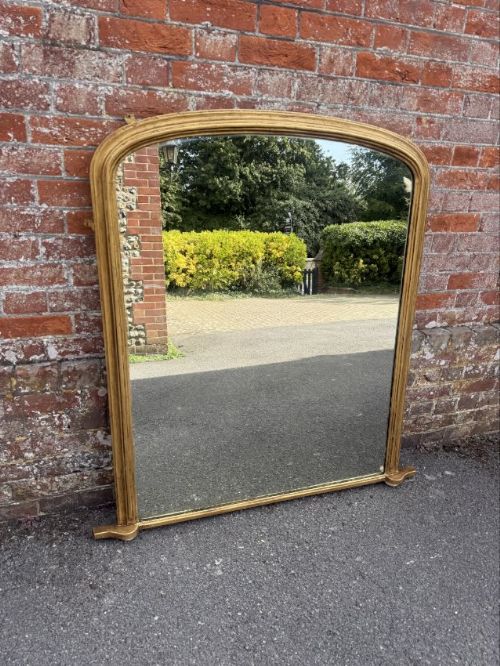
Gesso Gilt Framed Mirror
When choosing a gesso gilt framed mirror, you select a piece of historical craftsmanship that brings deep decorative warmth and reflective light to a room.
Gesso Gilt Framed Mirror
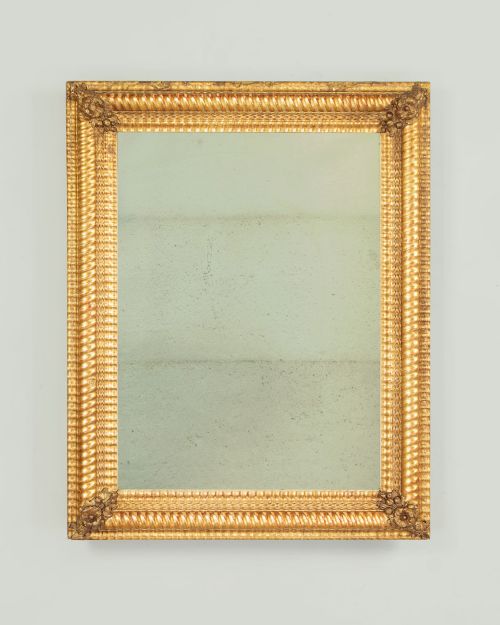
A gesso gilt framed mirror combines a supportive wooden structure with moulded ornament and a metallic finish designed to catch and amplify light within an interior space.
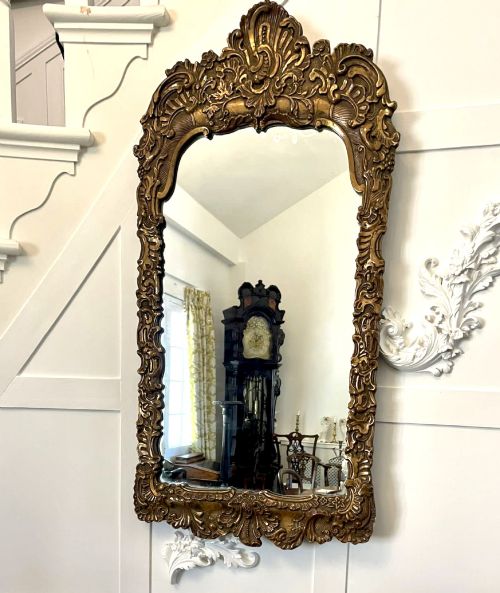
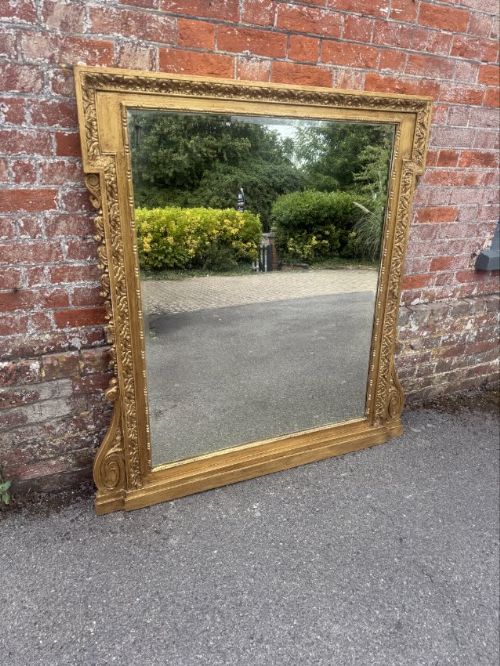
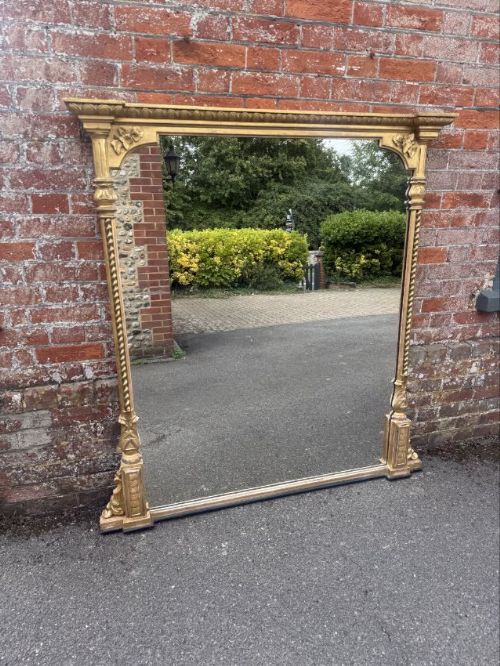
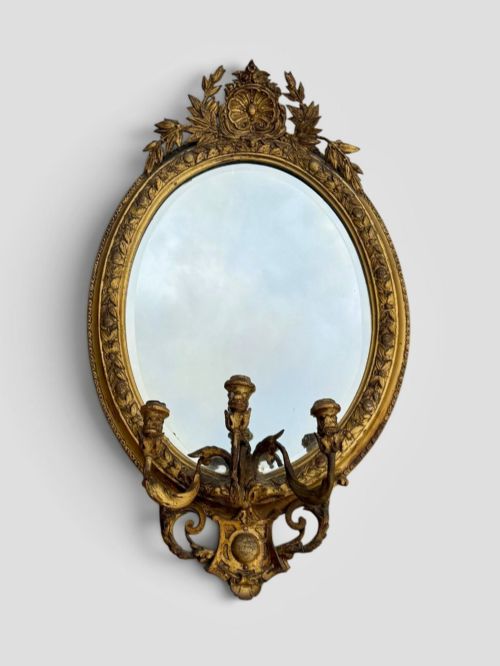
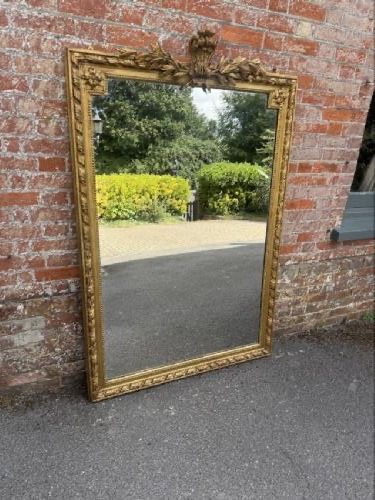
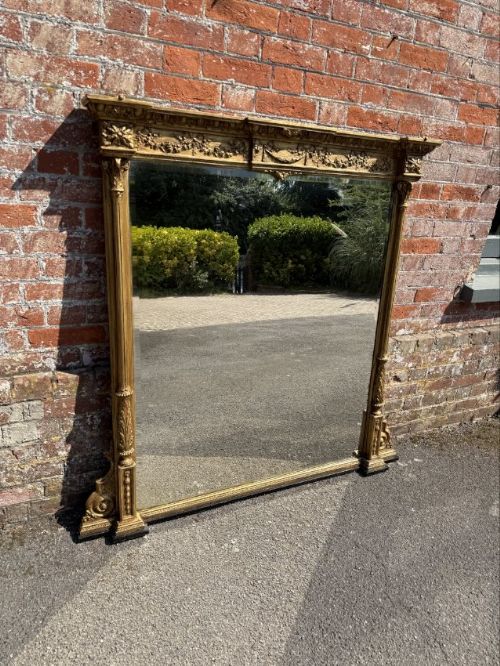
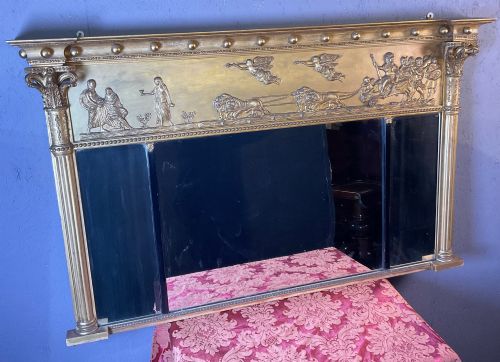
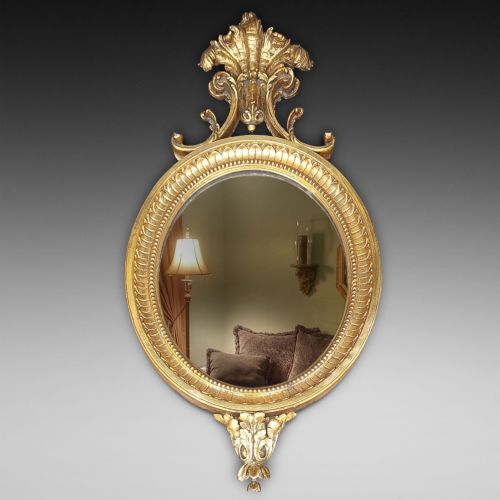
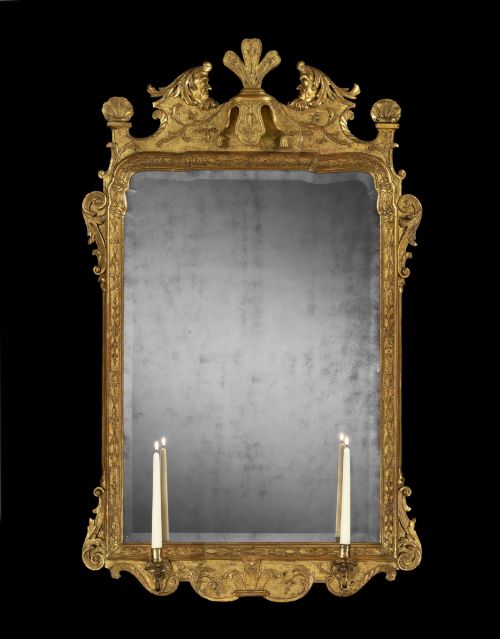
The selections encountered here span English and French workshops, encompassing grand architectural overmantels, decorative wall mirrors, pier mirrors, and girandoles.
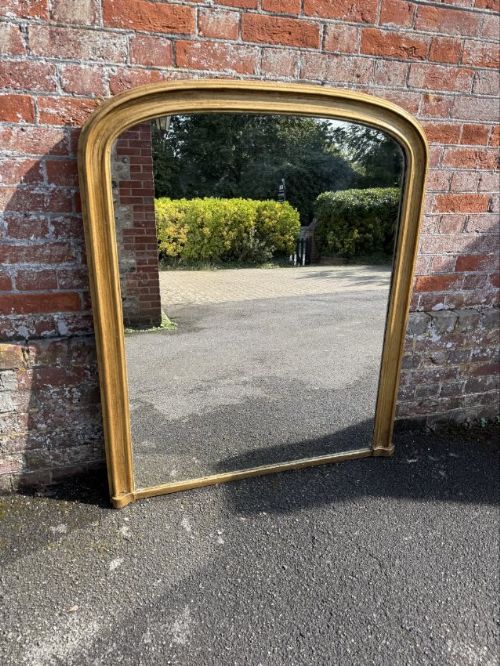
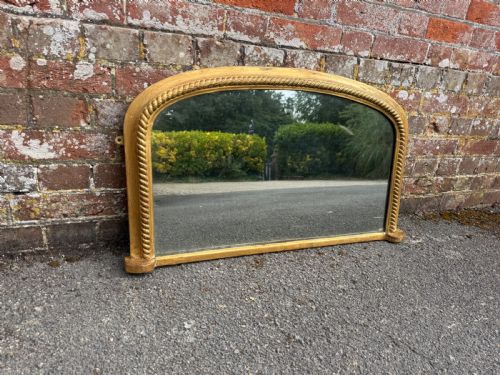
Originating largely from the nineteenth century alongside earlier eighteenth-century revival periods, these pieces range from simple arched top frames to heavily ornamented Rococo designs.
How They Were Made
Craftsmen built the foundational frame using carved wood such as oak or pine, applying multiple layers of gesso - a mixture of chalk and binder - to build up smooth surfaces and crisp relief details.
Metallic finishes were achieved through the application of gold leaf or gilt paint over the prepared gesso base, often utilising rope twist, ribbed, or beaded moulding techniques.
Early examples frequently incorporate original mercury glass plates, while later nineteenth-century pieces utilise standard mirror glass fitted securely within the ornate wooden rebate.
Listings feature pieces spanning the eighteenth century through the Victorian era, including French Rococo and Grand Regency styles.
What Varies in Quality
The crispness and depth of the gesso mouldings separate masterwork carvings from softer, mass-produced decorative variants.
Originality of the gilding and the preservation of the underlying gesso layers dictate the integrity and visual resonance of the piece over centuries of exposure.
The presence of early mirror plates, such as original mercury glass, adds historical weight to the piece compared to later replacement glazing.
John Belchier
The Gesso Gilt Framed Mirror Glossary
- Gesso
- A plaster-like mixture applied to wood frames to create a smooth surface for carving or gilding. This material allows intricate relief patterns to be cast and shaped.
- Giltwood
- Timber that has been coated with gold leaf or metallic paint. It provides the signature luminous surface found on period frames.
- Overmantel Mirror
- A large horizontal mirror designed specifically to hang above a fireplace mantel. These pieces often feature arched or shaped tops to fit architectural proportions.
- Pier Mirror
- A tall, narrow mirror traditionally hung on the narrow pier of wall space between two windows. They reflect additional natural light into dark corners of a historic room.
- Girandole
- A decorative wall mirror fitted with candle sconces attached to the frame. The polished metal and glass surfaces helped multiply the flickering candlelight.
Gesso Gilt Framed Mirror: Frequently Asked Questions
What is a gesso gilt framed mirror?
A gesso gilt framed mirror is a decorative looking glass housed in a wooden frame prepared with plaster gesso and finished with gold leaf or metallic paint.
These pieces were constructed in various regional styles, predominantly during the eighteenth and nineteenth centuries, to serve as focal points in formal rooms.
How do I date these mirrors?
Dating relies on examining the construction of the wooden backing, the composition of the gesso, and stylistic markers such as Rococo revival motifs or Regency framing.
Comparing the silvering technique and the bevel or flatness of the glass plate further helps narrow down the period of manufacture.
Where should I hang an overmantel mirror?
Overmantel mirrors are traditionally mounted directly above a fireplace mantelpiece to anchor the vertical space of a chimney breast.
Because of their substantial size and weight, they require secure fixings anchored firmly into structural wall studs or masonry.
How do I care for antique gilding?
Antique gilding requires gentle maintenance using a dry, soft brush to remove dust without disturbing the delicate surface.
Liquid cleaners and abrasive cloths must be avoided entirely to prevent wearing away the thin layers of gold leaf and gesso beneath.