




German Solid Silver
German solid silver brings weight and historic craftsmanship to the table, offering everything from heavy table boxes to figural novelties that collectors prize.
German Solid Silver
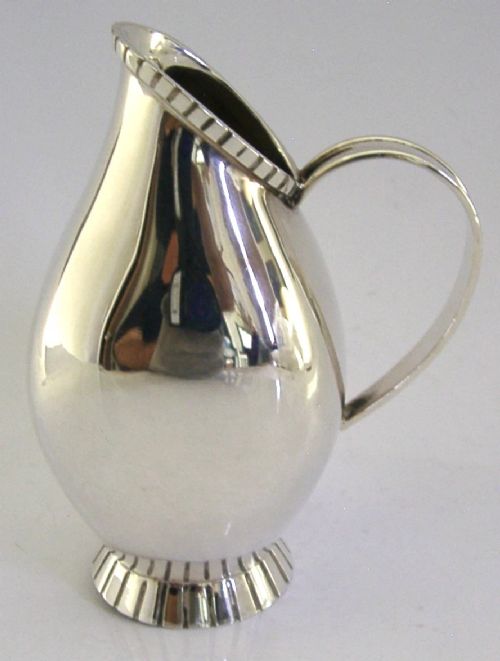
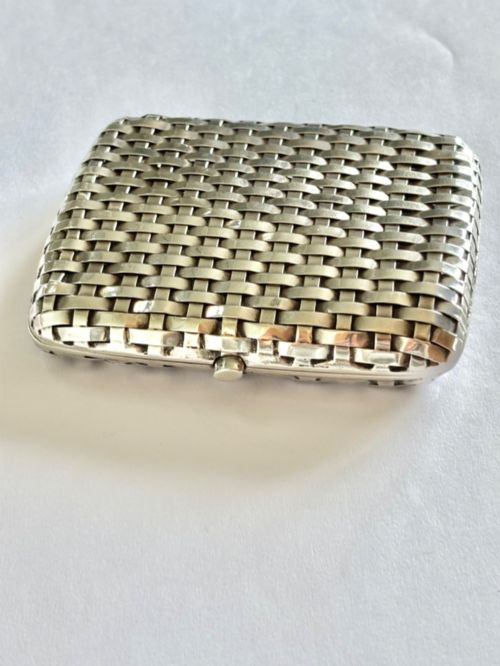
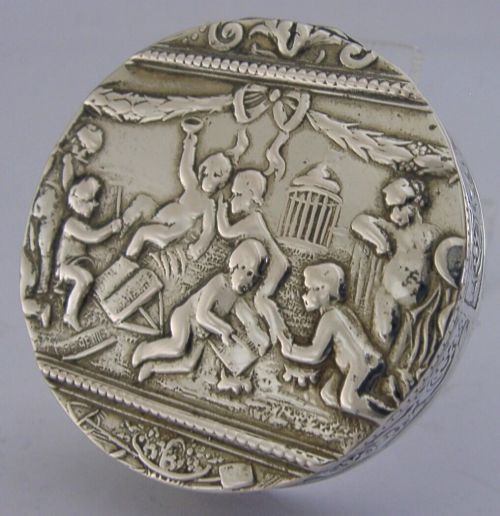
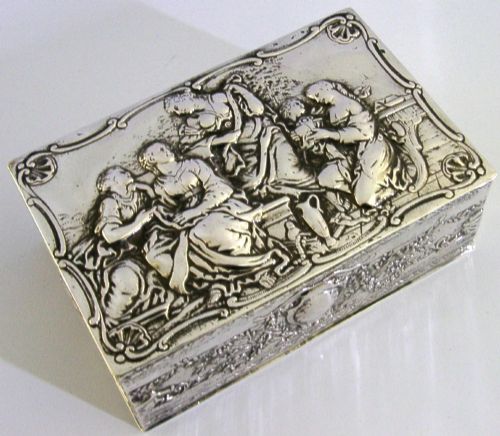
The pieces you are most likely to meet on this page lean heavily towards turn of the century production, particularly around nineteen hundred and the Edwardian era. These include decorative boxes with detailed cherub scenes, basket-weave cigarette cases, and unusual table ornaments like standing fighting cockerels.
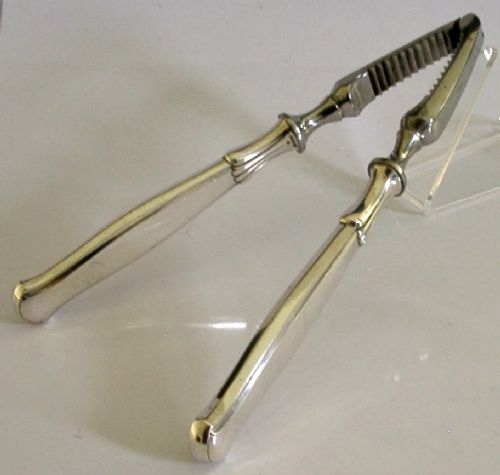
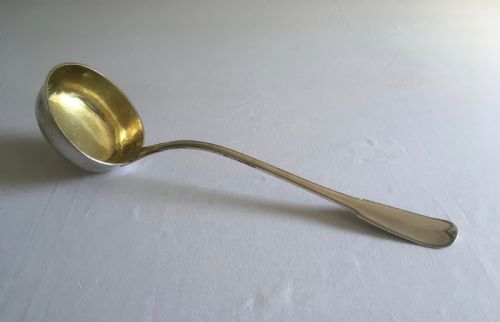
Object types vary widely between practical items and whimsical display pieces, featuring items such as nutcrackers, soup or punch ladles, and sugar boxes. Continental Victorian and revivalist styles dominate the aesthetic, drawing heavily on historical precedents like Rococo and Renaissance motifs.
Materials and construction
Makers utilised various grades of precious metal alongside complementary elements, recording standards such as eight hundred silver, sterling silver, and point nine three five silver. Some examples incorporate parcel-gilt finishes to highlight specific details, while others combine the metal with glass or steel components.
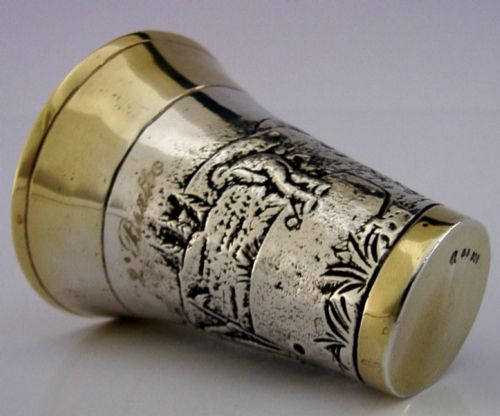
Construction techniques range from heavy casting and repousse work to fine basket-weave texturing and hinged joinery. The physical weight of these objects often dictates their form, evident in substantial cigarette table boxes and solid drinking cups.
German Solid Silver Retail Price Guide 2026
Typical asking prices for german solid silver among the pieces listed under this phrase on Sellingantiques today, from the lower quarter to the upper quarter. They describe what is for sale here now, not the wider market.
Materials recorded across the selection include solid silver, eight hundred silver, sterling silver, steel, glass, and parcel-gilt finishes.
Assessing the workmanship
Quality in these items rests upon the crispness of the chasing and the structural integrity of the hinges, catches, and mountings. Finer examples display deeply rendered figural scenes and solid heft rather than thin, pressed construction.
The distinction between standard production and superior output also lies in the finish of internal surfaces and the clarity of maker marks or silver purity stamps. Substantial weight and balanced proportions elevate utilitarian objects into decorative art.
FRITZ BEMBERG
The German Solid Silver Glossary
- Hanau
- A German town historically renowned for producing silver items, particularly revivalist pieces that imitated older historic styles. Hanau silver often bears pseudo-hallmarks reminiscent of earlier European silver.
- Parcel-Gilt
- A decorative technique where specific areas of a silver object are gilded with gold while the rest retains the natural silver surface. This creates strong visual contrast on textured details and figural scenes.
- Wager Cup
- A traditional drinking vessel often shaped like a human figure holding a smaller pivoted cup, used historically in wedding toasts and drinking games. Participants attempted to drink from the vessel without spilling the liquid.
- Repousse
- A metalworking technique where the artisan hammers the silver from the reverse side to form a raised design in relief. Detail is then refined on the front using chasing tools.
- Eighty Hundred Silver
- A silver alloy containing eighty percent pure silver, commonly used in continental European silver manufacturing. It provides durability suitable for heavy functional items and boxes.
German Solid Silver: Frequently Asked Questions
What is Hanau silver?
Hanau silver refers to pieces manufactured by silversmiths in the German town of Hanau during the late nineteenth and early twentieth centuries. These workshops specialised in creating revivalist pieces that mirrored earlier styles.
Many of these items feature pseudo-marks designed to resemble historic hallmarks from various European countries rather than standard German control marks.
What were figural boxes used for?
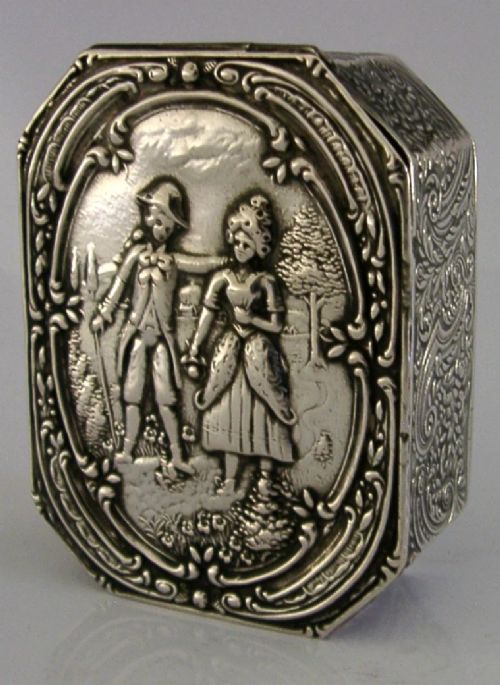
Figural boxes served as decorative table ornaments and secure containers for small valuables, calling cards, or tobacco products. Their detailed repousse scenes added status to domestic interiors.
During the Edwardian period, such items were prominent on desks and dressing tables, combining utility with sculptural display.
What is a wager cup?
A wager cup is an antique drinking vessel designed for use in historical banquets and drinking challenges. The main body forms a large bell-shaped cup, while a smaller swinging cup is held aloft by a cast figure.
The drinker had to empty the large vessel and then pivot the smaller cup to drink from it without spilling a drop.