
German Porcelain Painting
German porcelain painting encompasses finely decorated figures, plates and cabinet cups spanning the eighteenth to early twentieth centuries.
German Porcelain Painting
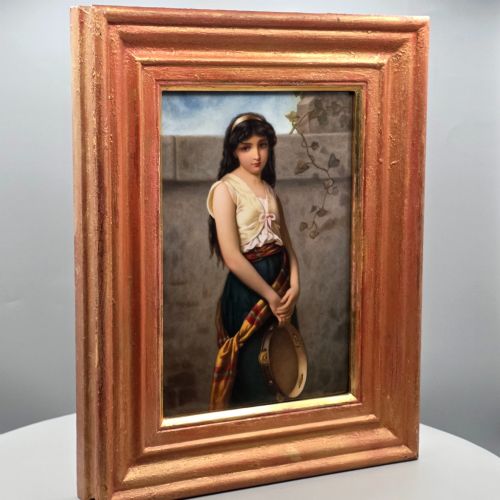
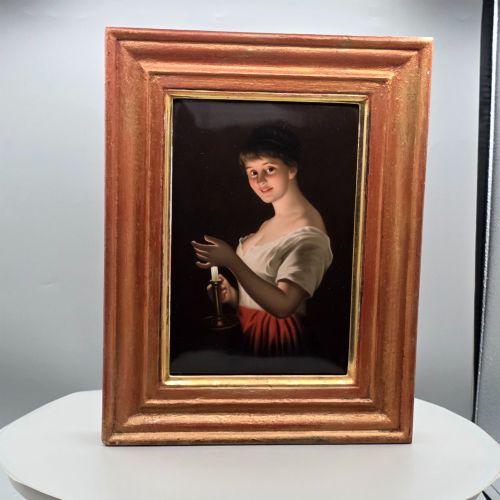
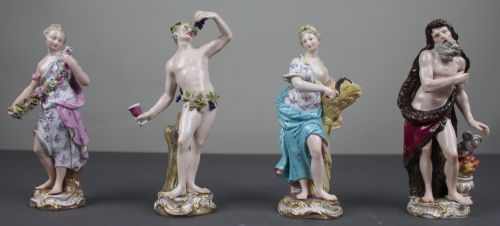
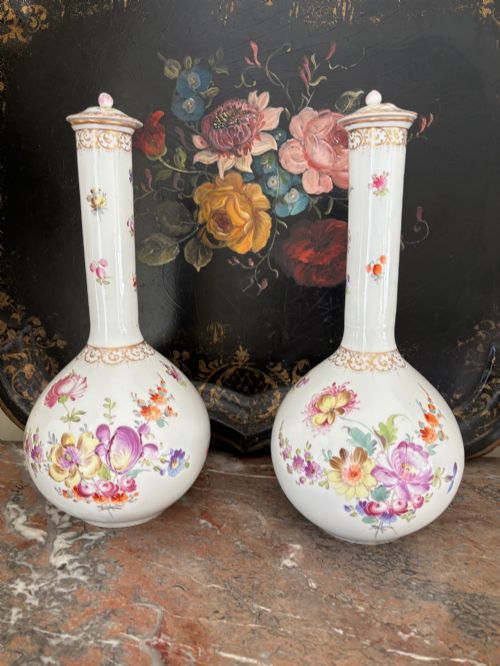
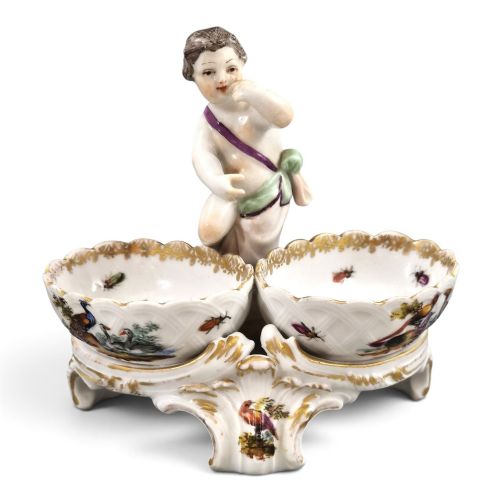
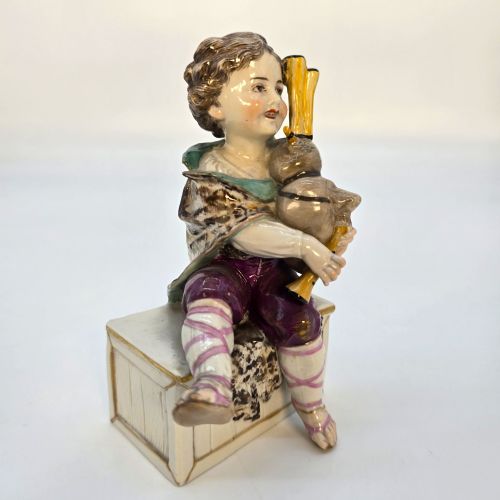
German porcelain painting covers a diverse range of items including hand-painted figurines, decorative plates, cabinet cups, vases and large centrepieces. Buyers encountering these pieces on this page will frequently see 19th-century works alongside earlier 18th-century creations.
Stylistic influences range from rococo and neoclassical designs to Biedermeier and Victorian aesthetics. Objects originate from notable European regions and established manufacturing centres.
Materials and construction
Makers utilised hard-paste porcelain as the primary body for these items, applying detailed enamel painting directly onto the glazed surface. Firing techniques ensured the vibrant colours of the hand-painted decoration bonded permanently with the ceramic material.
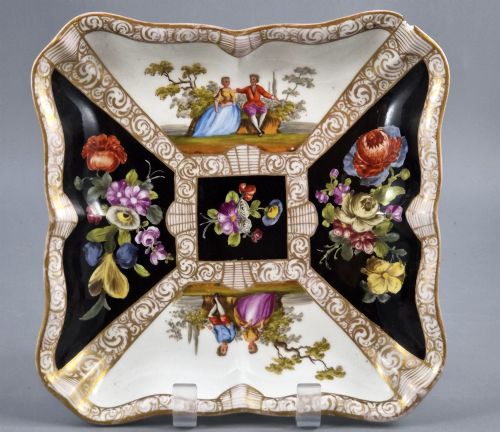
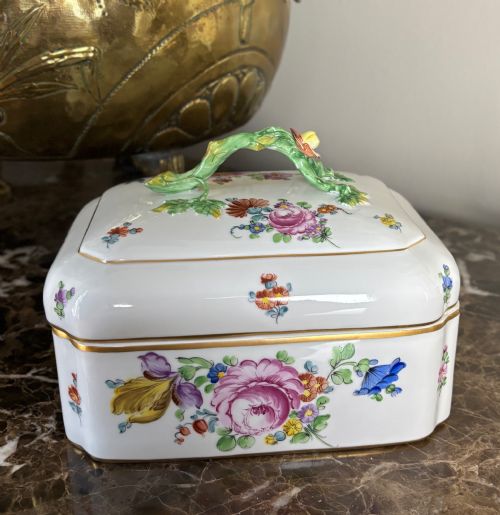
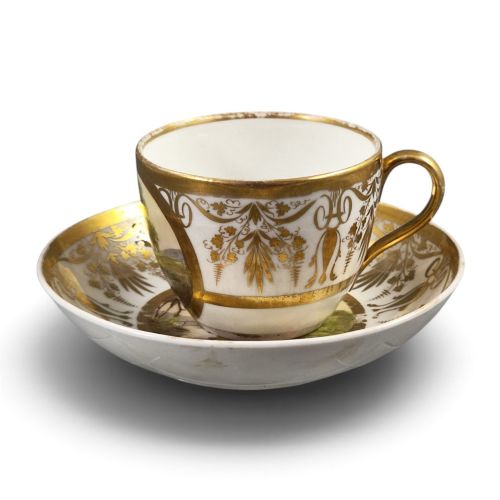
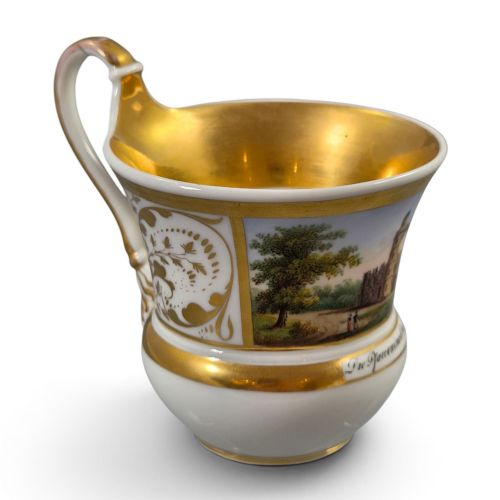
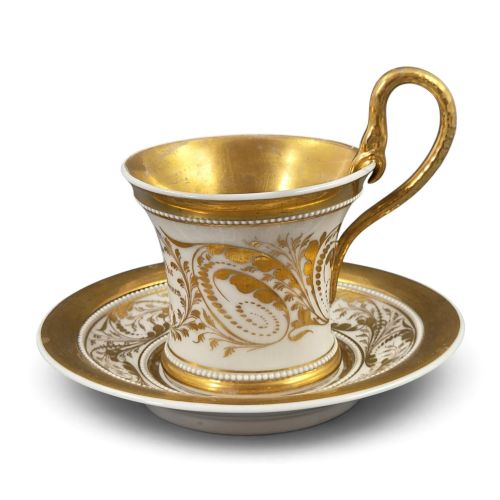
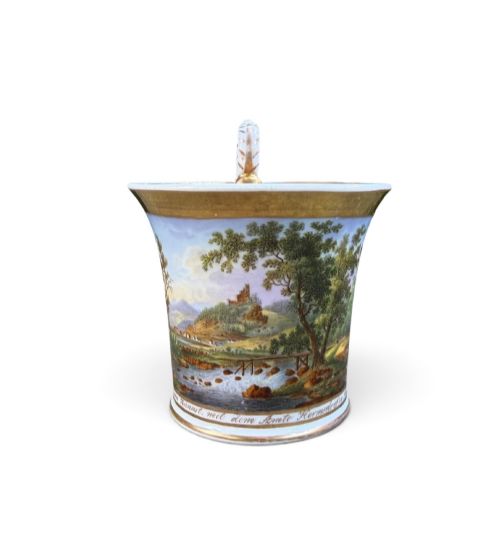
Artisans incorporated gold leaf and gilding to accentuate rims, handles and specific design elements on cups, plates and urns. Glaze finishes provided a smooth protective coating over both floral motifs and complex topographical scenes.
Fairings depict domestic scenes with humorous titles such as the last person in bed extinguishing the light.
Quality and execution
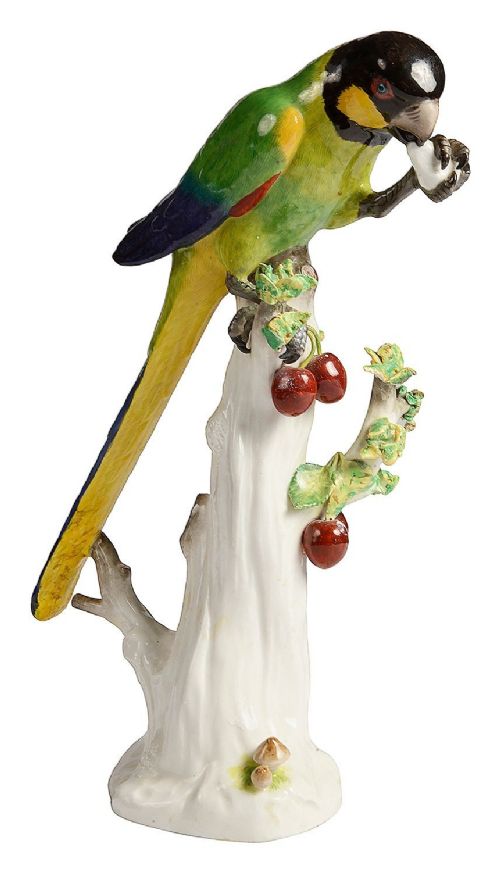
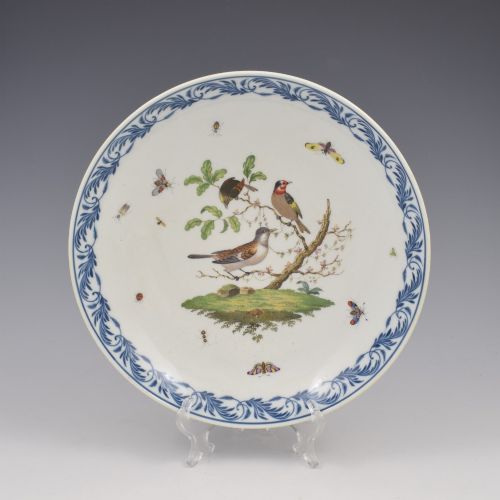
The fineness of the hand-painted brushwork distinguishes superior examples from standard production pieces, particularly in intricate ornithological subjects, portraits and Watteau scenes. Precision in the application of enamel colours and gold leaf demonstrates the skill of the painter.
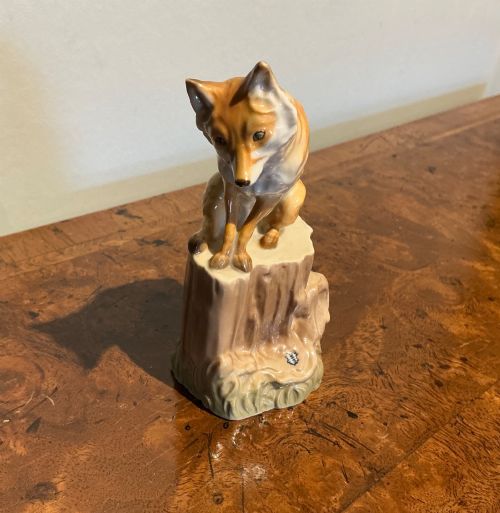
Complexity of form and sculptural detail in figures, animals and lidded vessels play a significant role in defining the standard of an object. Well-preserved gilding and the clarity of underglaze or overglaze marks contribute to the overall merit of each piece.
Nymphenburg·Ludwigsburg·Meissen·KPM Berlin·Royal Bonn·Volkstedt Rudolstadt·Helena Wolfsohn·Furstenberg·Triebner Ens And Eckert·Paul Muller Selb
The German Porcelain Painting Glossary
- Hard-paste porcelain
- A durable ceramic material composed of kaolin and petuntse fired at high temperatures. This substance formed the robust base for eighteenth and nineteenth-century German painted wares.
- Enamel
- Opaque glass-based pigments applied over the fired glaze and subjected to a lower temperature kiln firing. These paints provided the rich palette seen on topographical cups and bird dishes.
- Gilding
- The application of gold or gold leaf to ceramic surfaces for decorative enhancement. Artisans used this technique to highlight borders and architectural details on cabinet cups and urns.
- Reticulated plate
- A ceramic dish featuring an openwork pierced border created by cutting geometric patterns into the clay prior to firing. Such plates often incorporated hand-painted exotic birds or floral clusters.
- Cabinet cup
- A small, highly decorative cup and saucer intended for display in a cabinet rather than regular tea service. These pieces frequently displayed detailed painted landscapes and portraits.
German Porcelain Painting: Frequently Asked Questions
What is German porcelain painting?
German porcelain painting involves the application of decorative enamel designs onto fired ceramic objects such as figures, plates and vases. Artisans used specialised mineral pigments that bonded with the glaze during subsequent kiln firings.
The tradition spans several centuries, producing distinct regional styles and forms that range from utilitarian tableware to elaborate ornamental centrepieces.
How were these porcelain pieces used?
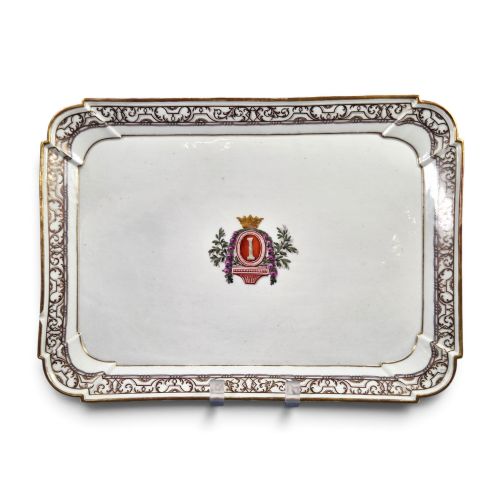
Many items served practical functions in aristocratic and middle-class households, including serving trays, milk jugs, sugar boxes and tea cups. Cabinet cups and decorative plates were primarily intended for visual display.
Figurines and allegorical figure groups decorated dining tables and mantelpieces during formal dinners and social gatherings.
How do I care for antique porcelain?
Antique porcelain requires gentle handling and should be washed by hand in lukewarm water using mild soap. Avoid abrasive sponges or harsh detergents that might damage delicate enamel painting and gilding.
Keep pieces away from direct sunlight and sudden temperature changes to preserve the integrity of the ceramic body and surface decoration.
How can I identify different periods?
Periods can often be identified through stylistic indicators such as neoclassical symmetry, rococo curves or Victorian ornamentation. Examining the form and painting technique provides further clues regarding the era of production.
Maker marks and factory symbols stamped or painted on the underside offer precise chronological reference points for dating individual pieces.