



German Art Nouveau
German art nouveau brings together sweeping organic lines, stylised floral motifs and exquisite metalwork from the late nineteenth and early twentieth centuries.
German Art Nouveau
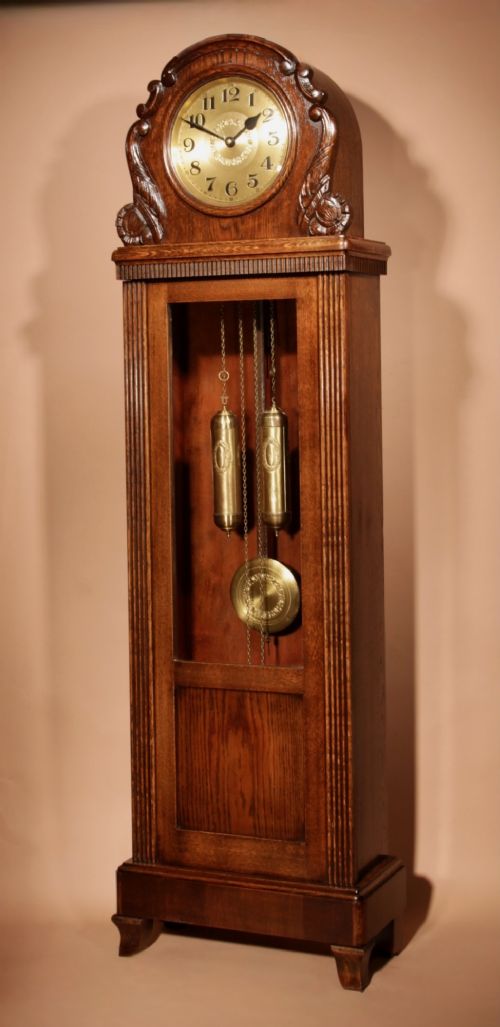
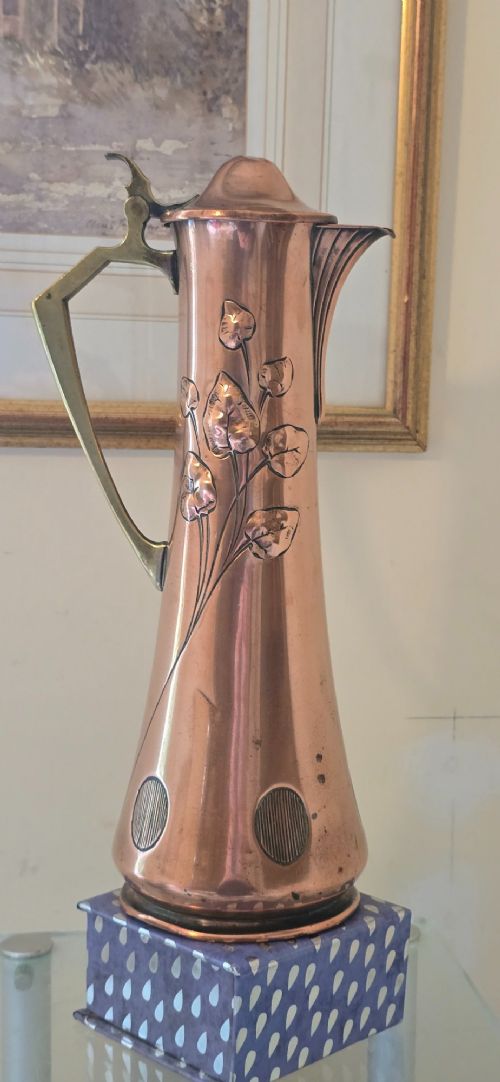
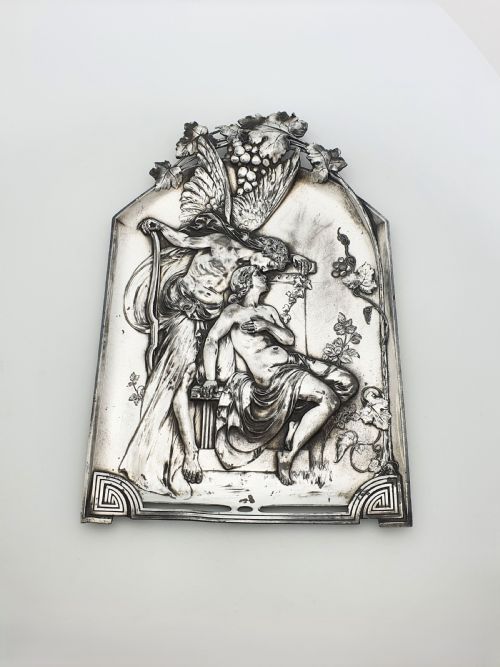
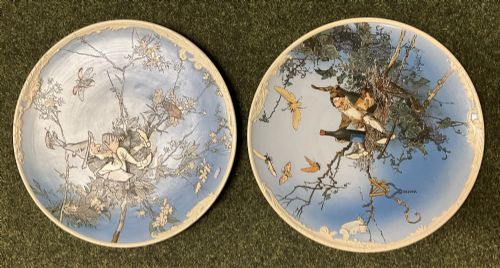
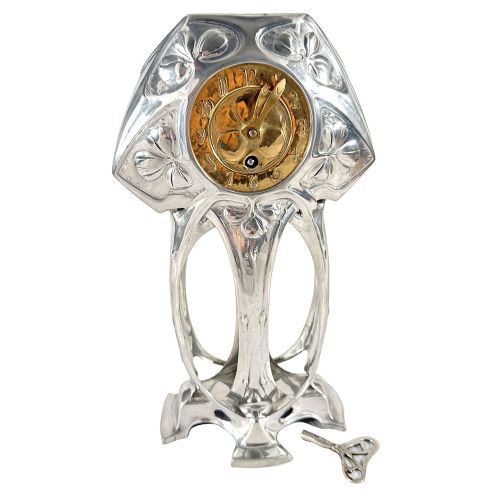
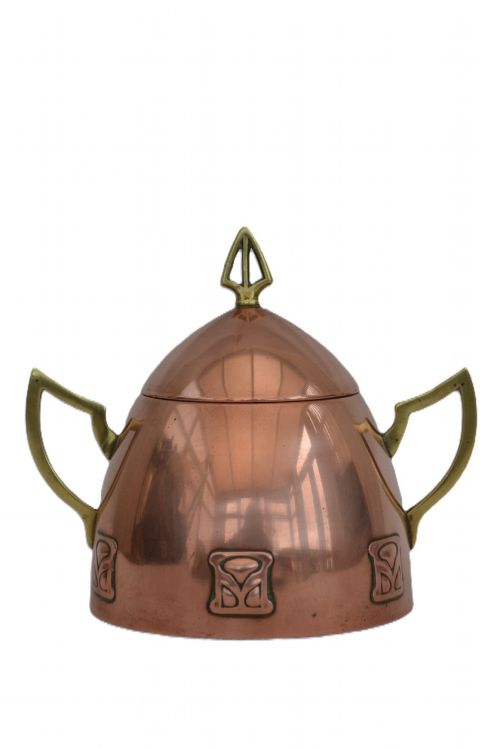
German art nouveau, frequently referred to as Jugendstil or Secessionist, encompasses a diverse range of decorative objects produced around nineteen hundred. When exploring this phrase, collectors encounter everything from domestic metalware and glassware to sculptural plaques and clocks.
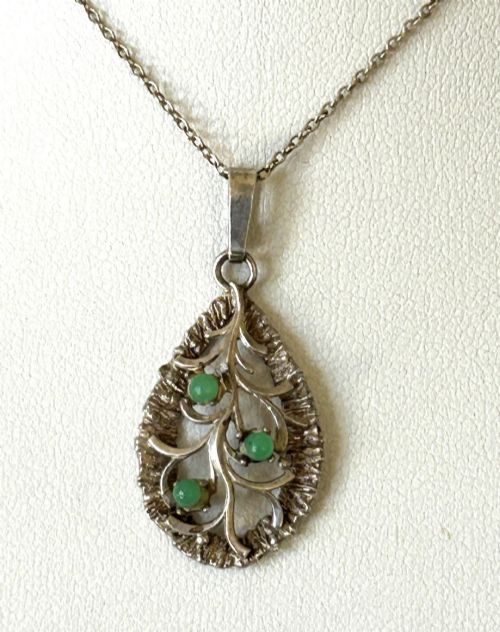
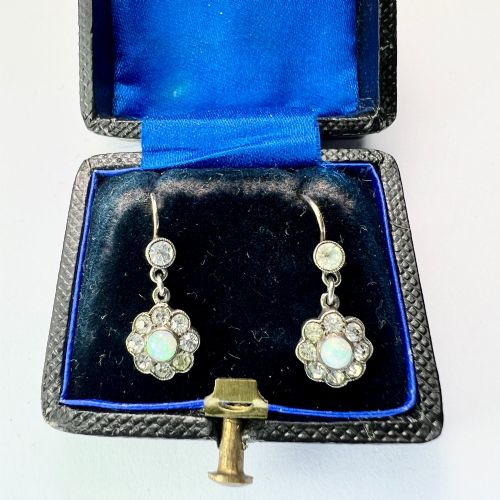
The objects on this page span household items such as vases, crumb trays, mirrors, and jewellery like pendants and earrings. These pieces reflect the dominant aesthetic movements of Victorian and Edwardian periods translated through continental European craftsmanship.
How they were made
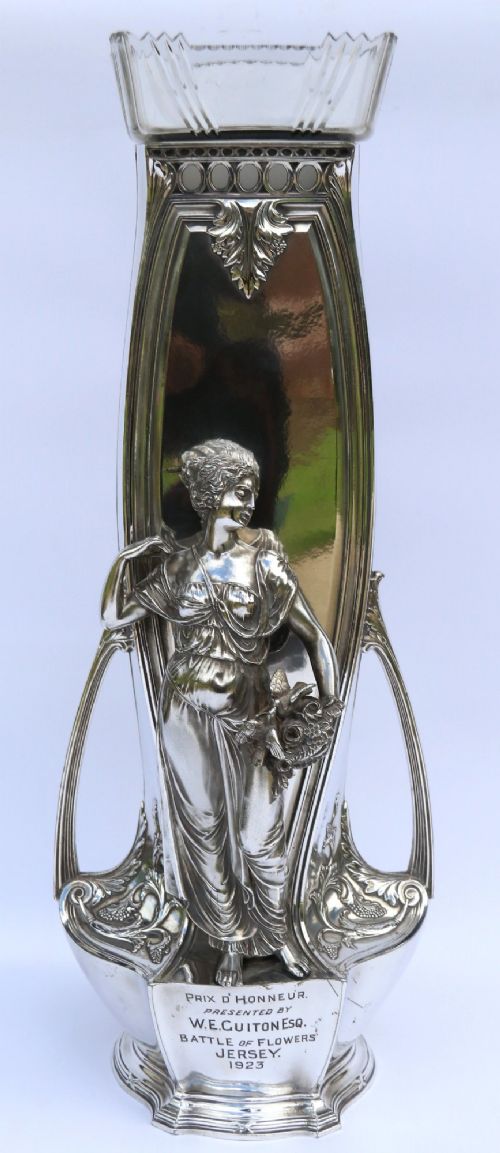
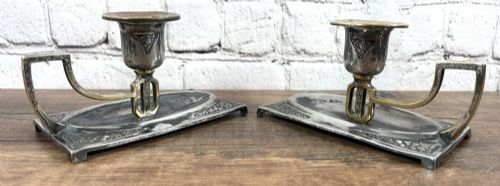
Makers utilised a variety of base metals including pewter, brass, copper, and wrought iron, frequently finishing items with silver plating or silvered surfaces. Plique-à-jour enamel, standard enamel, and polychrome decoration added vibrant colour to silver, gold, and glass elements.
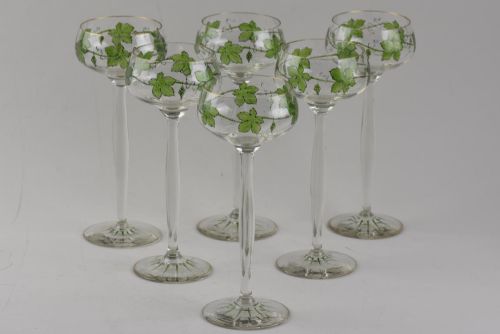
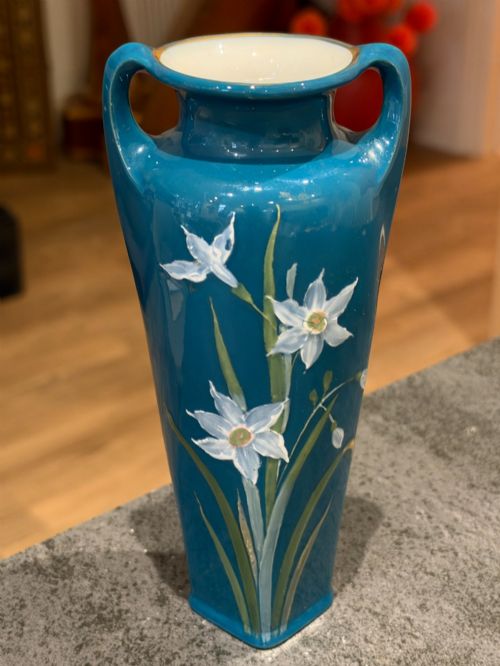
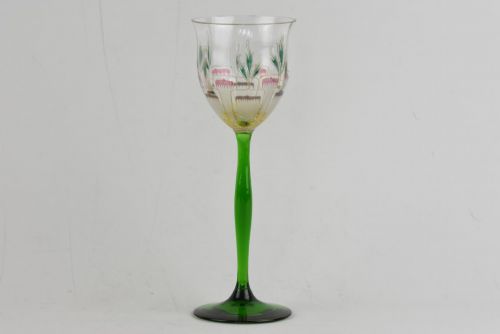
Glassware relied on crystal and moulded glass techniques, often paired with delicate hand-enamelled floral motifs. Organic carving appeared in materials like alabaster and blonde oak, supporting the flowing, naturalistic forms favoured by period designers.
German Art Nouveau Retail Price Guide 2026
Typical asking prices for german art nouveau among the pieces listed under this phrase on Sellingantiques today, from the lower quarter to the upper quarter. They describe what is for sale here now, not the wider market.
What varies in quality
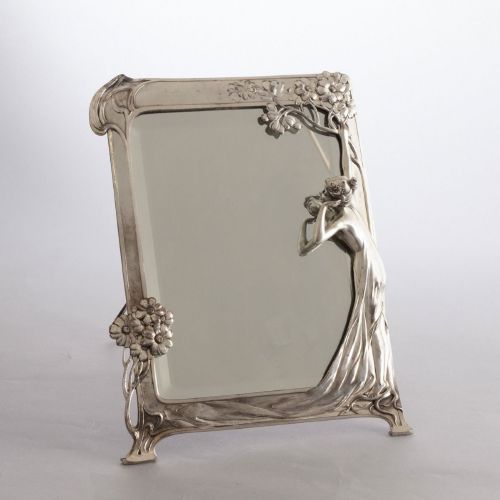
Quality in these items rests upon the crispness of the relief casting and the preservation of original surface finishes such as silver plating or patination. Pieces produced by major metalwork manufacturers display superior definition in intricate floral or figural motifs.
The integration of secondary materials like enamel, glass inserts, or gemstones dictates the overall refinement of a piece. Delicate hand-enamelled glass and complex metalwork demonstrate a higher level of artisanal execution than mass-produced alternatives.
Gebrüder Heubach·WMF·Theresienthal·Knoll and Pregizer·Friedrich Adler for Osiris·Orivit·Dresden·Erhard and Sohne·Philipp Haas·George Kemper·Fritz Kochendorfer·Levinger and Bissinger·Wilhelm Fuhner·Frits Hechert·Jan Eisenlöffel·Fahrner and Bennett
The German Art Nouveau Glossary
- Jugendstil
- The German manifestation of the art nouveau movement, named after the Munich art magazine Die Jugend. It translates as youth style and embraces dynamic linear forms.
- Secessionist
- An artistic movement representing a break from traditional academic art institutions. In Germany and Austria, secessionist design favoured geometric discipline combined with organic motifs.
- Plique-a-jour
- An enamelling technique where enamel is applied to open cells without a backing, resembling miniature stained glass. It allows light to pass through the translucent coloured areas.
- Pate-sur-pate
- A method of ceramic decoration where wet porcelain slip is built up in layers to create a low relief cameo effect. This technique produces subtle tonal gradations against a contrasting background.
- Roemer
- A traditional Germanic type of drinking glass featuring a wide bowl atop a ribbed or studded stem. These glasses often display polychrome enamel decoration.
German Art Nouveau: Frequently Asked Questions
What is german art nouveau?
German art nouveau is a design movement spanning the late nineteenth and early twentieth centuries, characterised by fluid organic lines and floral motifs.
It encompasses decorative arts produced during the Jugendstil and Secessionist periods across Germany.
How do I identify a WMF piece?
Wurttembergische Metallwarenfabrik items often feature specific manufacturer stamps alongside distinct silver-plated or silvered pewter surfaces.
These domestic objects frequently incorporate figural maiden motifs, stylized floral relief, or naturalistic animal designs typical of the era.
What materials were used?
Craftsmen utilised metals such as pewter, brass, copper, and silver, alongside glass, crystal, and ceramics.
Many metal items received silver plating, while glassware and jewellery frequently incorporated vibrant enamel work.
How should I display these antiques?
These decorative objects work well placed on plain wooden surfaces where their organic silhouettes and metallic patinas can stand out.
Care should be taken to keep enamel glassware and delicate silvered pewter away from direct moisture and harsh cleaning agents.