



German Artwork
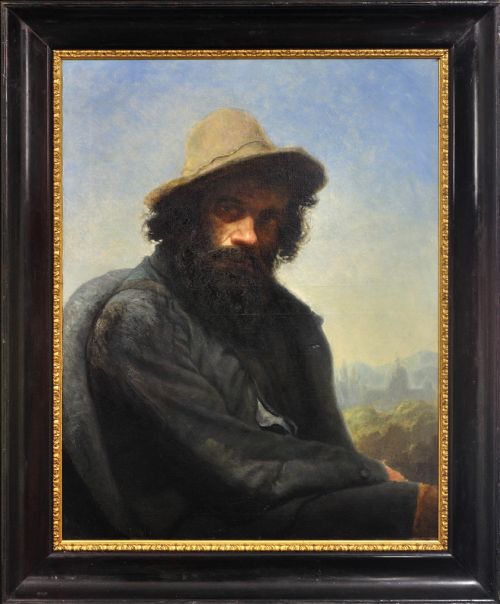
German antique artwork encompasses centuries of oil paintings, watercolours, and porcelain plaques reflecting regional schools and portrait traditions.
German Artwork
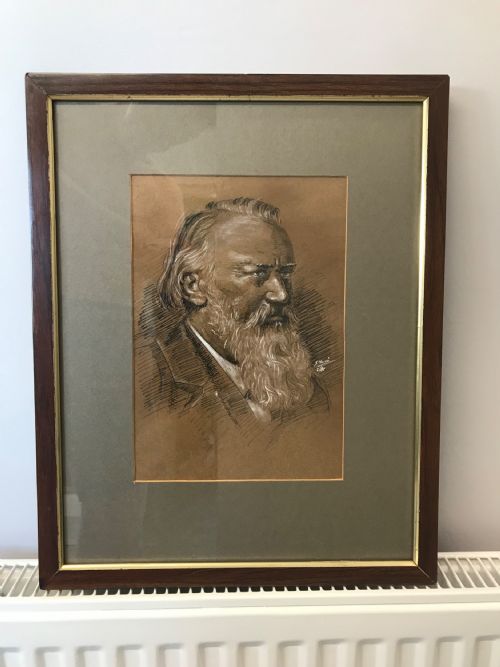
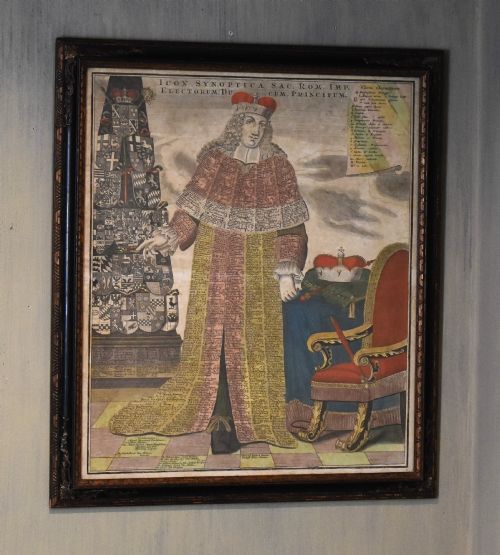
German antique artwork spans a diverse range of periods, extending from seventeenth-century portraits to twentieth-century modern works. Buyers frequently encounter oil paintings on canvas and panel, alongside delicate watercolours and drawings on paper.
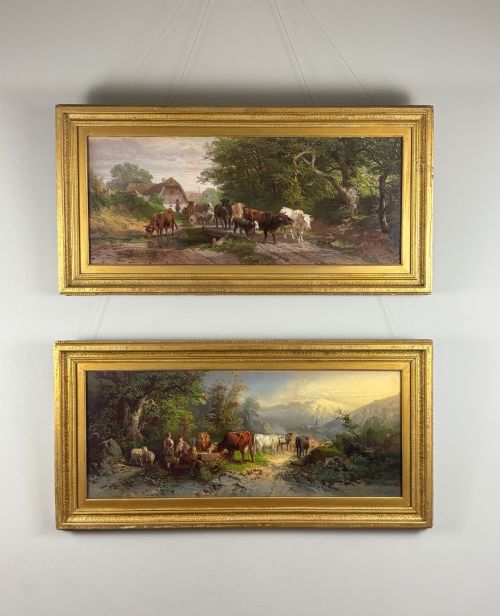
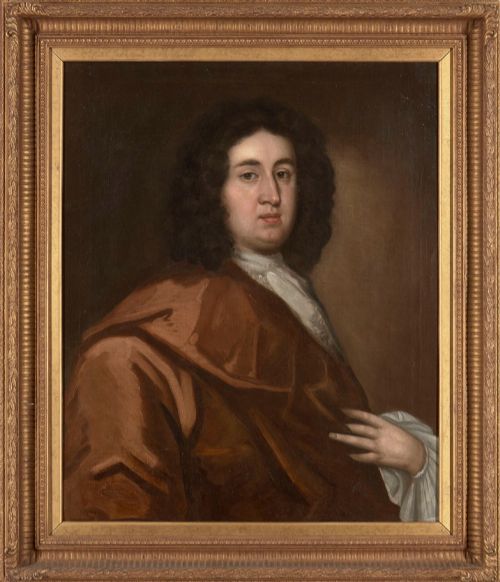
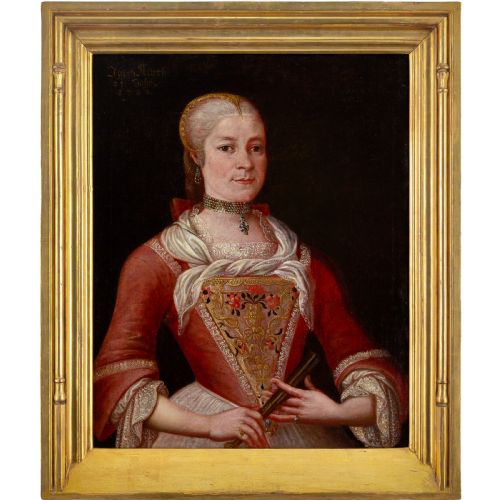
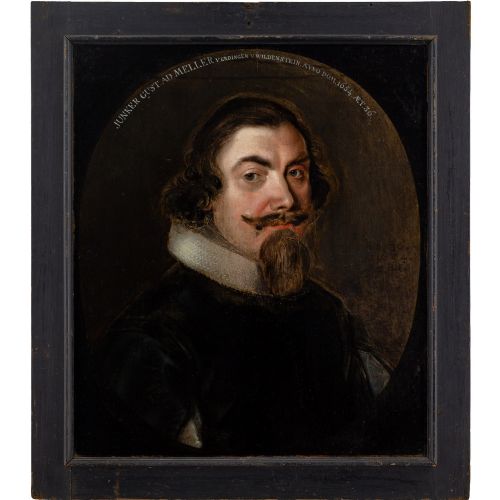
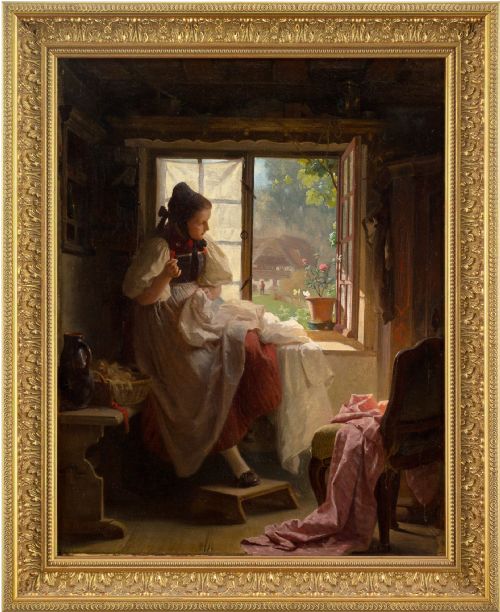
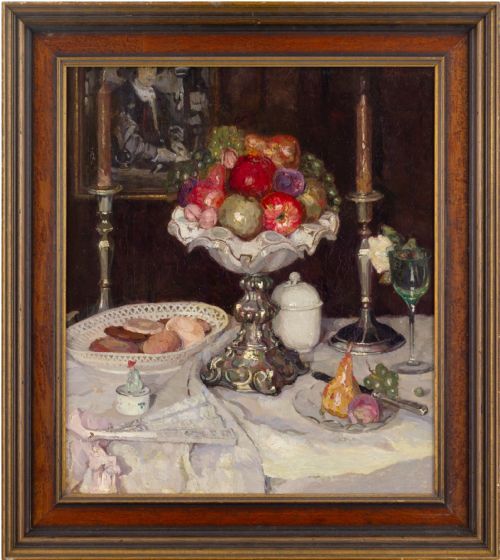
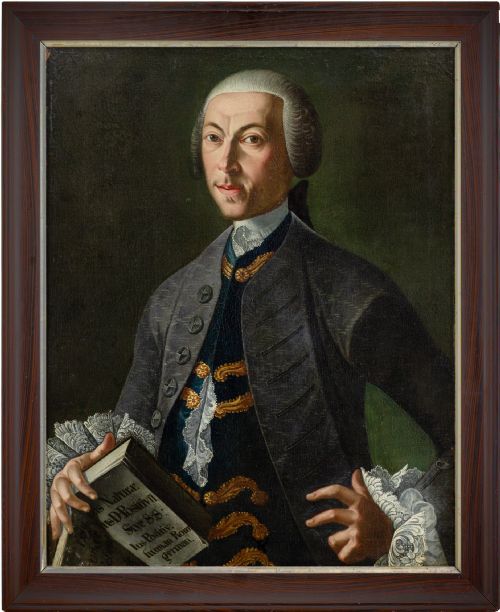
Regional schools feature prominently across the collection, including Bavarian and Hessian traditions. Portraiture dominates the earlier centuries, while later periods introduce landscapes, townscapes, and still life compositions.
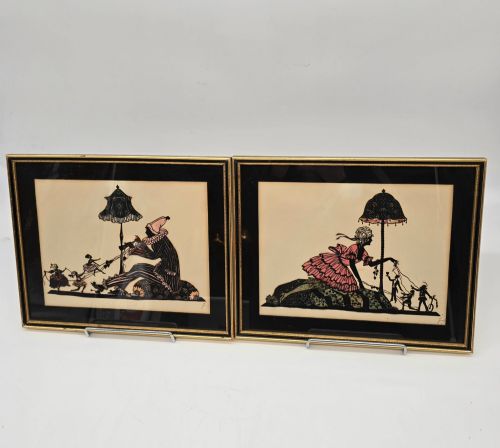
Beyond traditional canvases, the selection includes sculptural objects such as cold-painted bronze and cast iron busts, as well as KPM porcelain plaques. These varied forms provide insight into the artistic output of German-speaking regions over several hundred years.
Materials and methods
Oil paint applied to canvas or wood panel forms the foundation of many pieces, often housed within giltwood frames decorated with gold leaf. Artists also utilised pen, ink, wash, and gouache on paper for detailed drawings and watercolours.
Three-dimensional works demonstrate specialised craftsmanship, utilising cast iron, cold-painted bronze, and KPM porcelain. These media require precise moulding and firing techniques to achieve fine detail and durable surface finishes.
German Artwork Retail Price Guide 2026
Typical asking prices for german artwork among the pieces listed under this phrase on Sellingantiques today, from the lower quarter to the upper quarter. They describe what is for sale here now, not the wider market.
Even horses and fowl found their patrons, immortalised alongside nobility in oils and watercolours.
Assessing quality
Execution and handling separate works by recognised regional masters from anonymous school pieces. The precision of brushwork in oil paintings and the delicacy of line in drypoint or wash drawings indicate the maker's proficiency.
The preservation of original materials, such as untouched paint layers and period giltwood frames, influences the overall integrity of the piece. Attribution to documented artists adds contextual weight to individual works.
Ferdinand Preiss·Kurt Meyer-Eberhardt·Albin Mattenheimer·Johann Friedrich Voltz·Heinrich Harder·Christian Lindner·Karl Herrle·Franz Reder-Broili·Balthasar Denner·Ludwig Hermann·Leonhard Posch·Wilhelm Alexander Meyerheim
The German Artwork Glossary
- Giltwood
- Wood carved and coated with gold leaf or gold paint. This finish is commonly found on frames surrounding antique oil paintings.
- Drypoint
- A printmaking technique where an image is scratched directly onto a metal plate with a sharp needle. This process creates a characteristic velvety burr in printed lines.
- Porcelain plaque
- A flat sheet of fired ceramic material painted with mineral colours and glazed. Berlin KPM factories produced notable examples during the nineteenth century.
- Gouache
- An opaque water-based paint mixed with a white pigment. It provides solid flat areas of colour in works on paper.
German Artwork: Frequently Asked Questions
What periods do these artworks cover?
The listings include pieces originating from the seventeenth, eighteenth, nineteenth, and early twentieth centuries. This covers eras such as the Baroque, Rococo, and Victorian periods, alongside regional schools.
Each period reflects distinct stylistic preferences and cultural contexts within German art history, ranging from formal portraits to pastoral landscapes.
Are these works signed by the artists?
Many works bear signatures, monograms, or attribution notes connecting them to specific painters, sculptors, or printmakers. Other pieces originate from regional schools without individual attribution.
Documentation and signatures help establish the provenance and historical context of paintings, drawings, and porcelain plaques.
What subjects appear most frequently?
Portraits of individuals, aristocracy, and family groups form a large part of the earlier inventory. Landscapes, townscapes, architectural scenes, and still life compositions become more common in the nineteenth and twentieth centuries.
Religious subjects and genre scenes also appear among the oil paintings and works on paper.
How should framed pieces be maintained?
Framed artwork and oil paintings require stable indoor environments away from direct sunlight and excessive humidity. Regular dusting with a soft, dry cloth helps preserve canvas and frame surfaces.
Avoid using liquid cleaners on painted surfaces or giltwood frames to prevent unintended damage to the materials.