
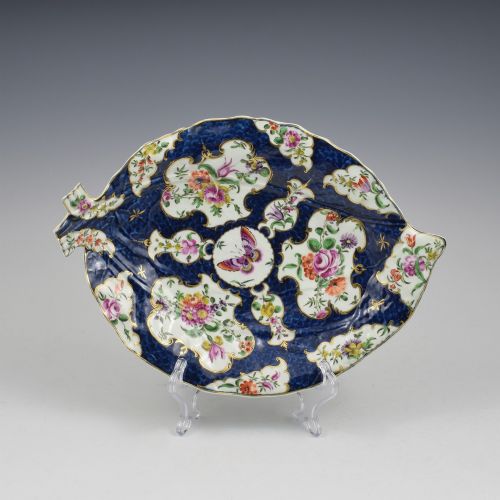


Georgian Worcester Plates
Georgian worcester plates bring together handpainted birds, armorials and delicate porcelain forms spanning the eighteenth and nineteenth centuries.
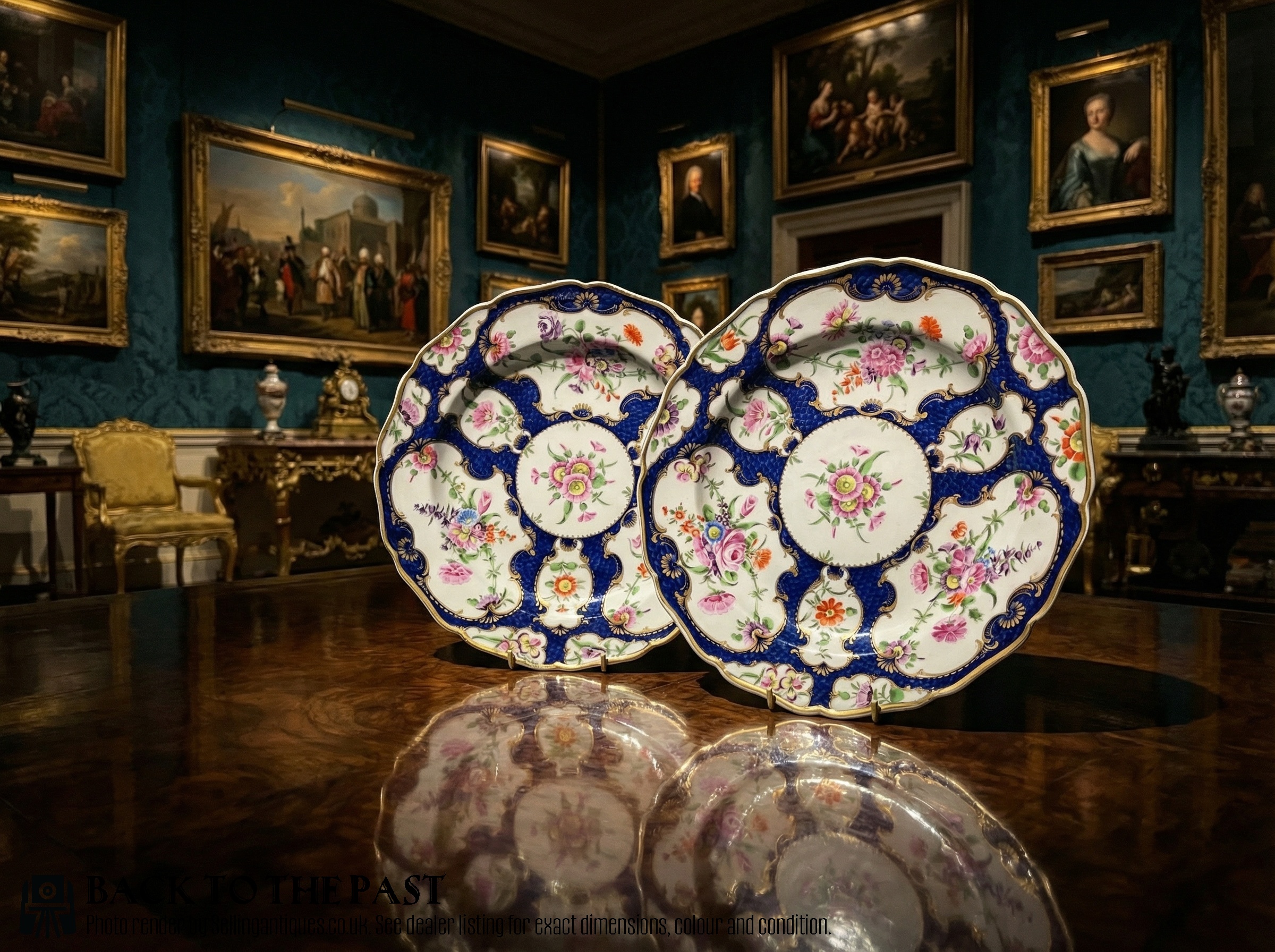
Georgian Worcester Plates
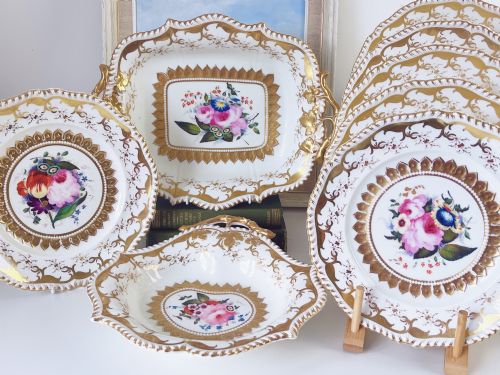
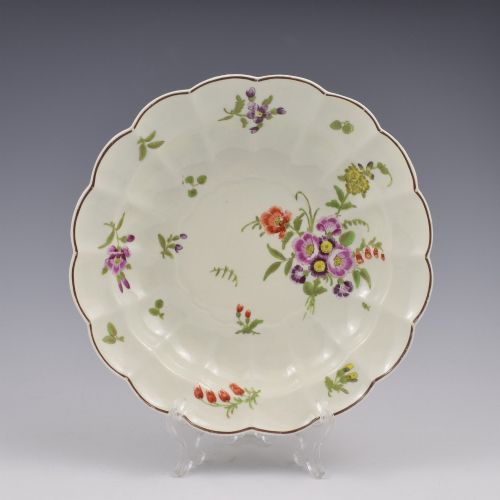
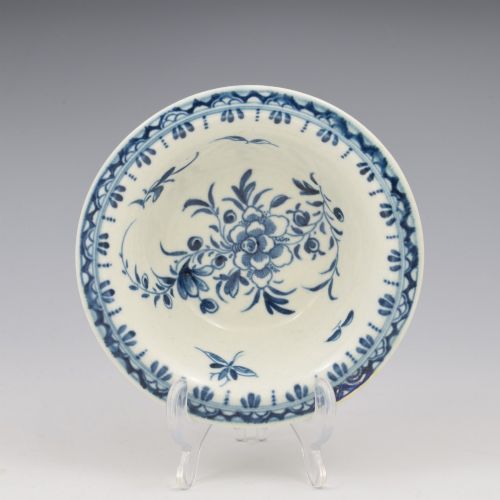
When you examine georgian worcester plates, you encounter pieces designed for dessert services, cabinet display and formal dining from the eighteenth and nineteenth centuries. The selections range from early Dr Wall or First Period items made around seventeen sixty-five to later Regency productions.
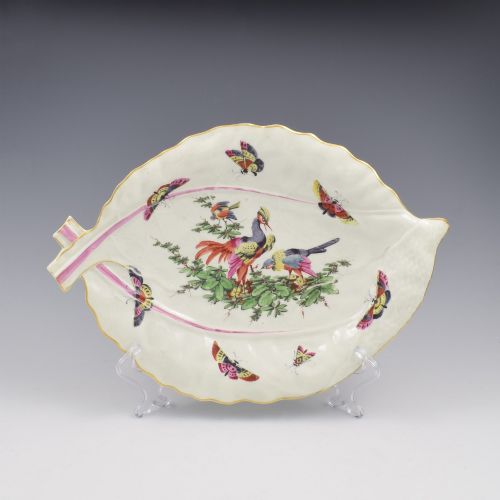
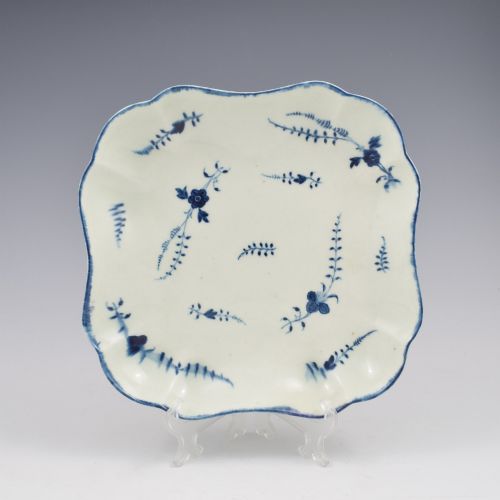
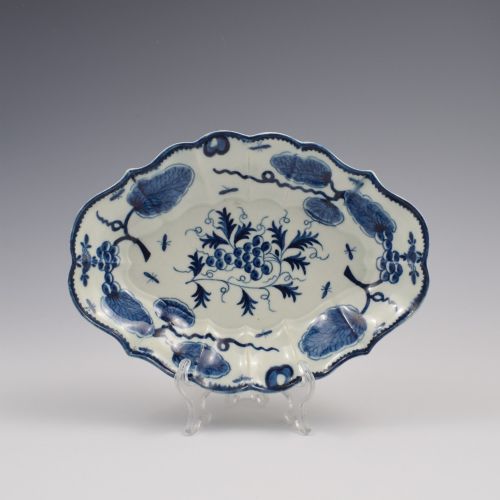
You will frequently meet specialised forms such as lobed dessert dishes, soup plates, patty pans and leaf dishes alongside standard cabinet plates. The output bridges periods from the seventeen-fifties through the Regency era, taking in works from nineteen hundred and adjacent decades.
Materials and technique
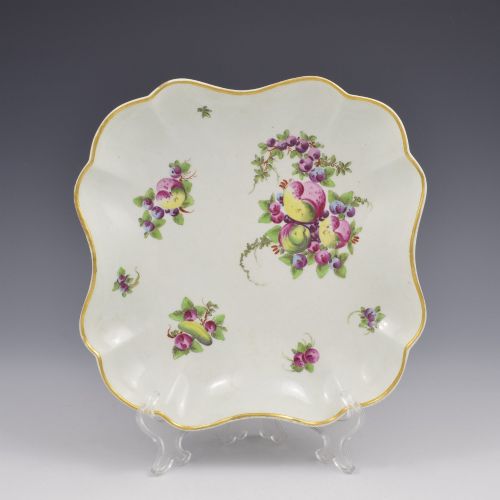
Makers utilised porcelain and soft-paste porcelain as the primary body for these vessels, applying glaze to seal the surface before decoration. Painters then added enamel pigments alongside gold leaf and gilding to accentuate botanical subjects, birds and heraldic devices.
Firing techniques allowed factories to achieve detailed polychrome schemes, scale-blue grounds and transfer or handpainted motifs. The combination of soft-paste bodies and careful enamel application defines the physical character of the pieces.
Listings feature porcelain, soft-paste porcelain, enamel, gold leaf and gilding across eighteenth-century and Regency periods.
Distinctions in execution
The standard of a piece depends upon the precision of the handpainted details, from botanical studies to complex armorials and orientalist patterns. Skilled brushwork on complex subjects elevates an item above standard utility wares.
Preservation of the original gilding and enamel colours without excessive rubbing determines the visual strength of a plate. The crispness of the porcelain moulding and the stability of the glaze further distinguish finer works.
Grainger Lee And Co·Chamberlains Worcester·Barr Flight And Barr·Flight Barr And Barr·Samuel Astles
The Georgian Worcester Plates Glossary
- Dr Wall
- The founding period of Worcester porcelain associated with Doctor John Wall, spanning from seventeen fifty-one to seventeen eighty-three. Pieces from this era often display delicate soft-paste bodies and distinctive handpainted motifs.
- Soft-paste porcelain
- An artificial porcelain composition fired at lower temperatures than hard-paste, common in eighteenth-century English ceramics. It produces a warm creamy texture under the glaze.
- Armorial
- A ceramic decorated with a family coat of arms or crest. These bespoke services were commissioned by landed families for formal dining.
- Chinoiserie
- A decorative style reflecting European interpretations of Chinese and East Asian artistic traditions. It appears frequently on Worcester plates in scenes with figures, birds and pavilions.
- Kakiemon
- A Japanese enamel style characterised by asymmetrical floral and bird motifs on a clear white porcelain ground. Worcester decorators frequently adopted these palettes.
Georgian Worcester Plates: Frequently Asked Questions
How do I identify First Period Worcester?
First Period pieces date from the founding under Dr Wall up to seventeen eighty-three, characteristically utilising soft-paste porcelain bodies. They often show crescent marks, square seal marks or early workman symbols beneath the glaze.
Early items favour delicate handpainted enamels, blue scale grounds and botanical studies rather than the heavy neoclassical styles of the Regency period. Examining the paste under strong light reveals the characteristic warmth of eighteenth-century English soft-paste.
What are armorial plates used for?
Armorial plates served elite dining tables where families displayed their heraldic crests and coats of arms to guests. They formed part of larger dessert services rather than everyday tableware.
Today these pieces function primarily as cabinet displays or focal points in specialised ceramic collections. Their historical value rests on the specific family lineage recorded in the heraldry.
How should I display porcelain plates?
Porcelain plates require stable wall hangers or secure cabinet stands designed specifically for shallow dishes. Avoid hanging them in areas with direct sunlight or fluctuating humidity to protect the enamels and gold leaf.
Display cabinets with UV-filtered glass offer the best protection against environmental wear while allowing close inspection of the handpainted details.
What distinguishes Regency Worcester styles?
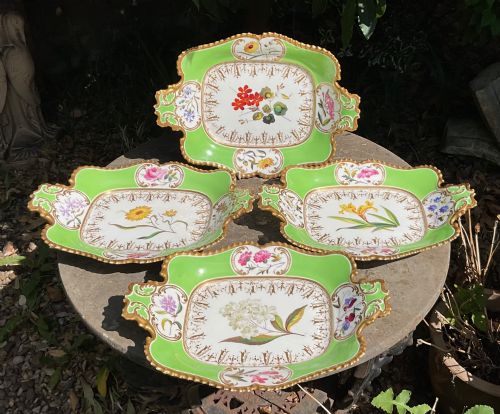
Regency era pieces shift away from eighteenth-century chinoiserie toward classical revival motifs, topographical views and rich ground colours. Factories during this period utilised improved porcelain bodies and brighter enamel palettes.
Inscriptions naming specific English cottages or detailed botanical studies become more common on dessert services from this later phase.