

Georgian Wooden Treen
Georgian wooden treen gathers together the domestic turned and carved smallwares that equipped houses before mass manufacture.
Georgian Wooden Treen
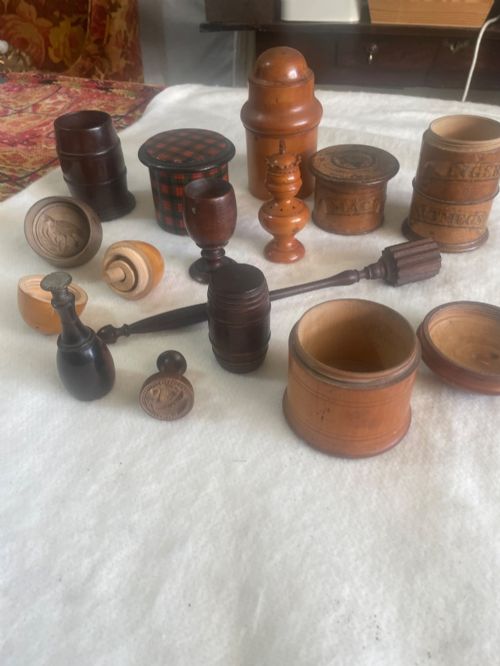
Georgian wooden treen comprises the functional and decorative domestic objects turned or carved from timber during the eighteenth and early nineteenth centuries. These items range from utilitarian kitchenalia and spice towers to playful items like children's rattles, knitting sheaths, and pocket snuff boxes.
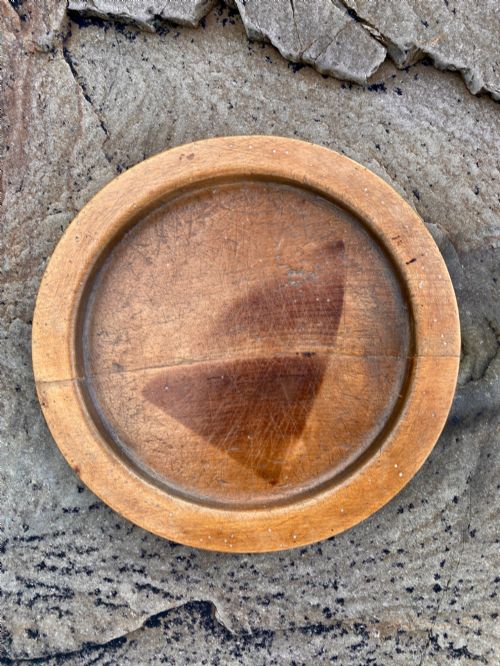
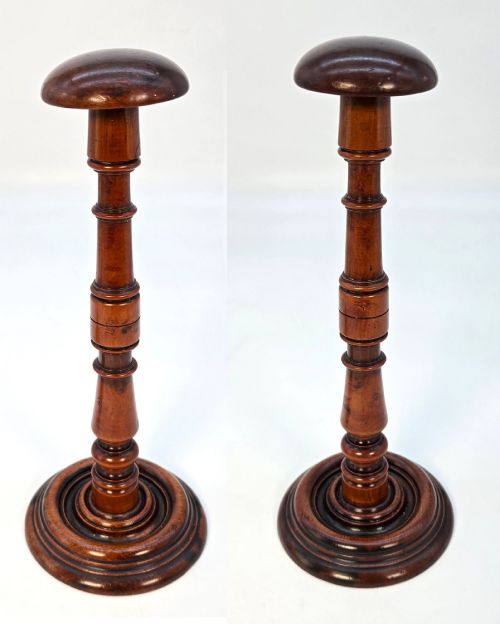
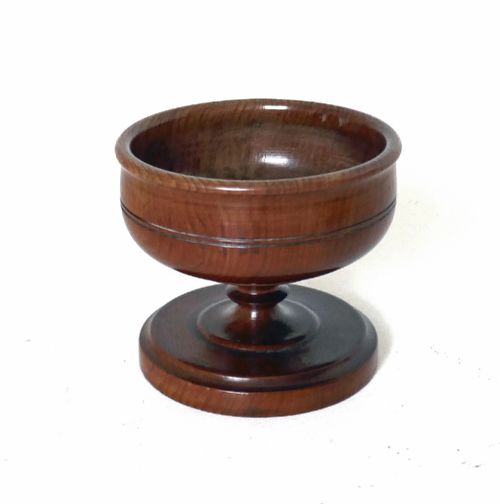
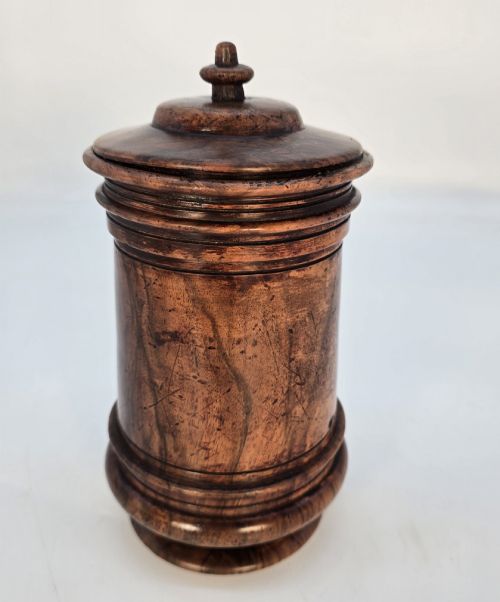
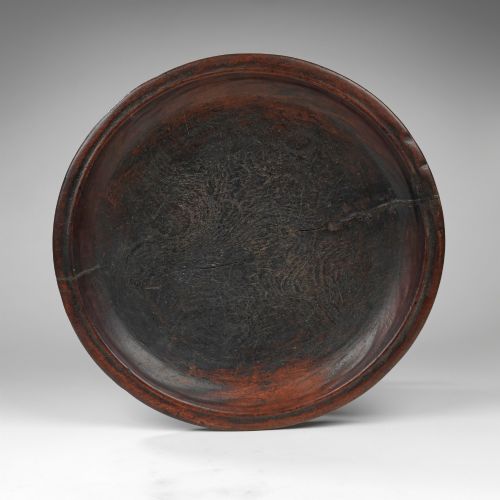
Buyers meet a diverse array of forms on this page, dominated by turned fruitwood, walnut, yew, and lignum vitae. Domestic items such as goblets, salts, mortars, cheese coasters, and candle boxes appear frequently, representing the material culture of British households from the Georgian and Victorian eras.
The objects span practical kitchen implements, dining accessories, and personal items carried on the person. Each piece demonstrates the heavy reliance on timber for daily implements prior to the widespread adoption of industrial ceramics and metalware.
How they were made
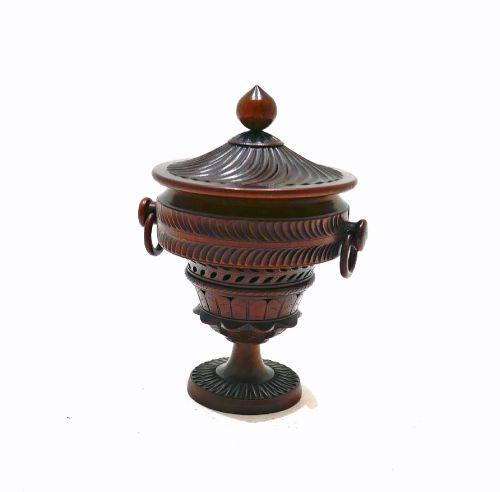
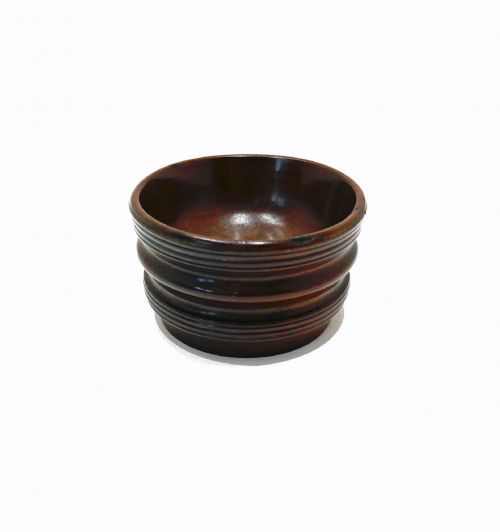
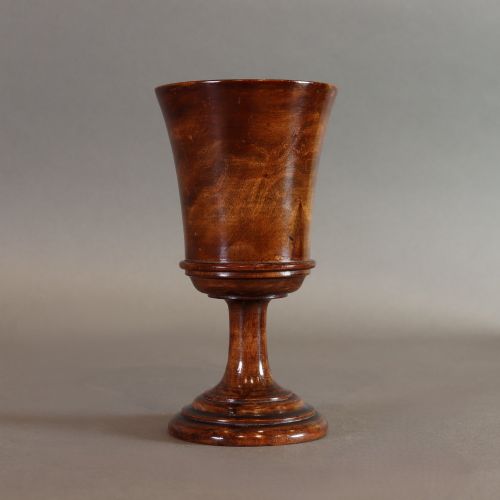
Craftsmen utilised local hardwoods such as fruitwood, oak, walnut, yew, laburnum, and heavy lignum vitae to produce these objects on the lathe or by hand carving. Turning on a lathe generated symmetrical forms like pedestal goblets, urns, spill vases, and circular salts with crisp concentric rings.
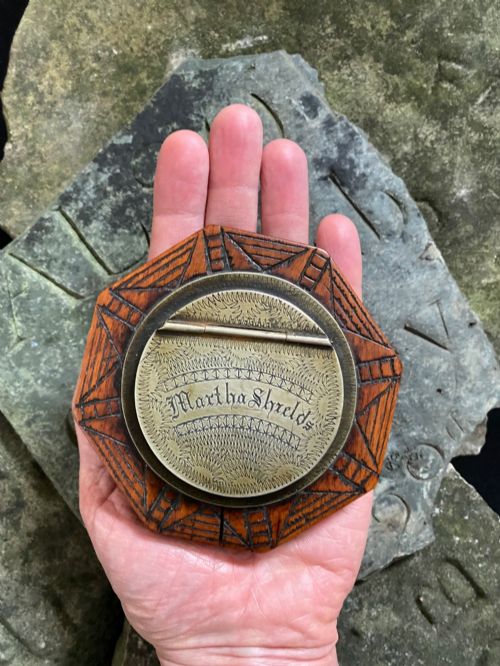
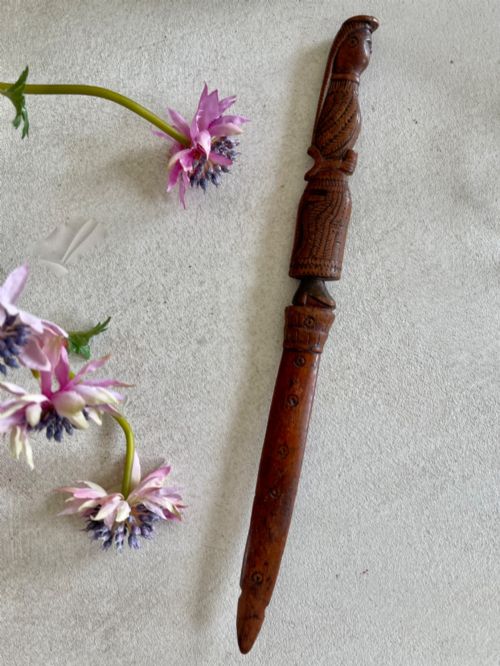
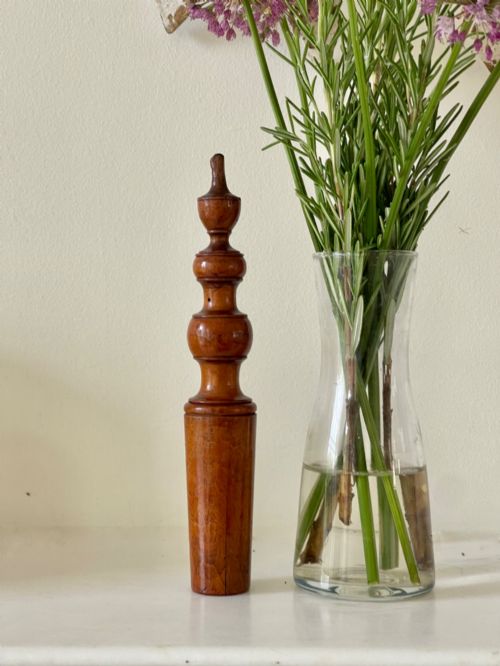
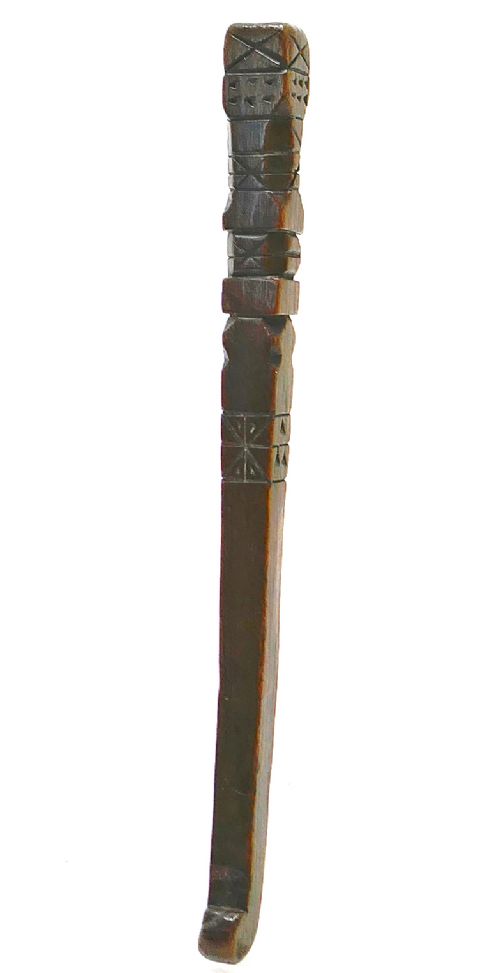
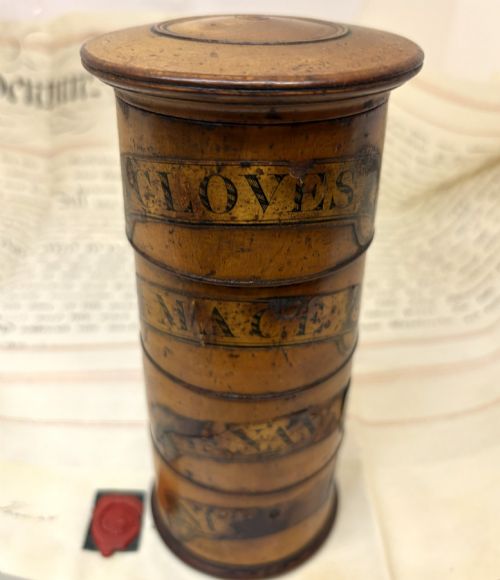
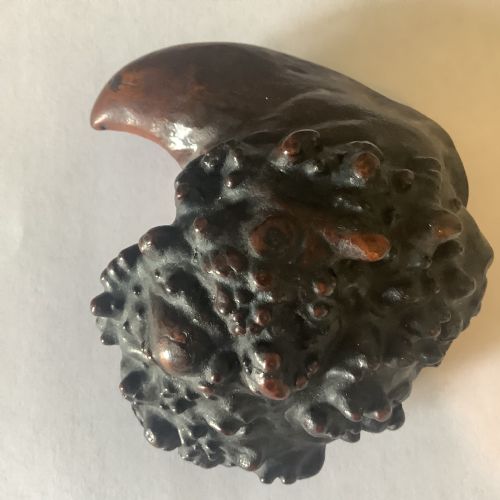
Detailed decoration relied on simple hand tools, resulting in incised line decoration, punchwork, and occasionally carved figural elements or natural burr walnut formations. Items like knitting sheaths and spice towers required careful shaping, assembly of multiple tiers, and fitted lids.
Georgian Wooden Treen Retail Price Guide 2026
Typical asking prices for georgian wooden treen among the pieces listed under this phrase on Sellingantiques today, from the lower quarter to the upper quarter. They describe what is for sale here now, not the wider market.
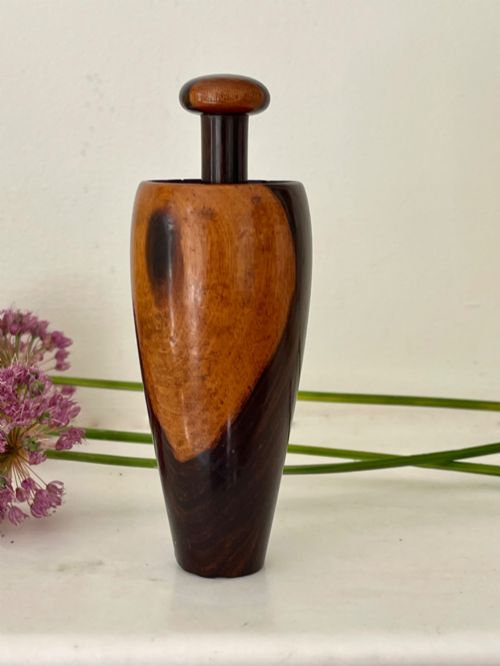
One tiny treen nutmeg grater takes the playful shape of a miniature wine bottle.
What varies in quality
Quality rests upon the choice of timber, the crispness of the turning, and the survival of an appealing original surface. Dense hardwoods like lignum vitae and well-figured yew or walnut display superior grain definition compared to plain secondary timbers.
Subtlety of form and the presence of decorative flourishes such as punchwork or multi-tiered architectural shaping elevate standard utility objects into accomplished examples of British folk art. The integrity of the timber, minimal intervention, and depth of colour determine the distinction between ordinary domestic remnants and notable cabinet pieces.
The Georgian Wooden Treen Glossary
- Treen
- Small handmade wooden domestic objects. The term derives from the old English word for tree.
- Fruitwood
- Timber sourced from fruit-bearing trees such as apple, pear, or cherry. It provides a close-grained surface that accepts fine turning.
- Lignum Vitae
- An extremely dense and heavy tropical hardwood. It was frequently utilised for drinking vessels and mortars due to its durability.
- Spice Tower
- A multi-tiered turned wooden container designed for storing culinary spices. Sections typically screw or stack together.
- Knitting Sheath
- A small wooden device tucked into a belt or apron to support a knitting needle. Many surviving examples display intricate folk art carving.
Georgian Wooden Treen: Frequently Asked Questions
What is treen?
Treen refers to small, useful wooden objects made for the home before the age of plastics and factory production.
These items include everyday kitchen tools, tableware, sewing accessories, and personal containers.
How were these wooden items used?
People used them for daily domestic tasks, food preparation, dining, and personal grooming.
Objects ranged from spice towers and cheese coasters on the dining table to knitting sheaths and snuff boxes kept close at hand.
How do I date Georgian treen?
Dating relies on identifying timber species, turning profiles, tool marks, and overall wear patterns typical of the eighteenth and early nineteenth centuries.
Comparing items to documented examples helps determine whether a piece originates from the Georgian period or later Victorian revivals.
How do I care for antique treen?
Keep wooden objects away from direct sunlight, extreme heat sources, and rapid humidity changes to prevent the timber from splitting.
Apply occasional appropriate wax if the surface appears dry, avoiding harsh cleaning agents that strip the historic finish.