




Georgian Wooden Tool
A georgian wooden tool is a utilitarian object forged from timber and brass, offering tactile connection to domestic, maritime, and workshop life.
Georgian Wooden Tool
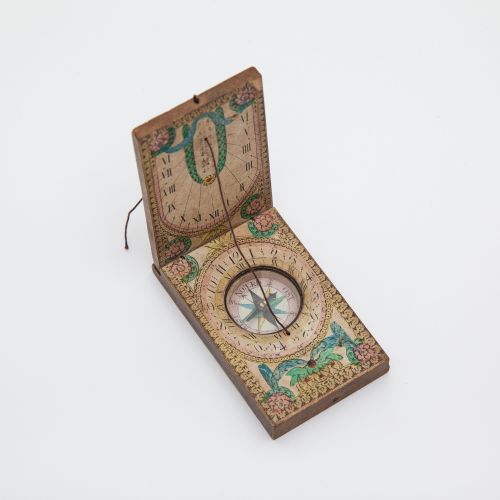
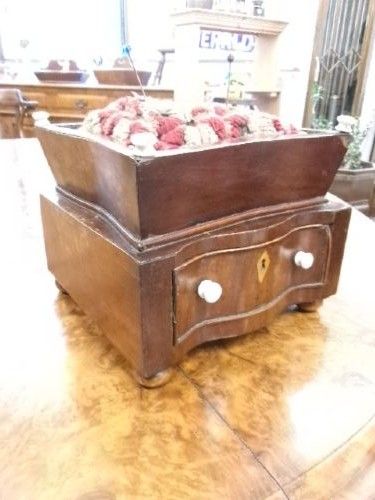
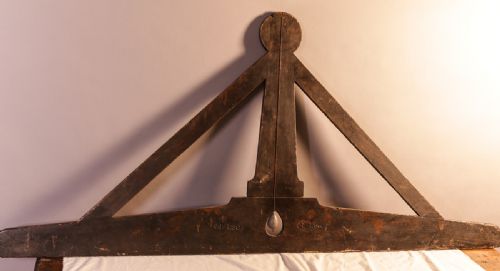
A georgian wooden tool encompasses diverse wooden implements spanning domestic textile accessories, scientific instruments, and workshop equipment from the eighteenth and early nineteenth centuries. These pieces reflect the functional requirements of historic trades, ranging from knitting sheaths and bobbin winders to architects' levels and apothecary presses.
Materials and construction
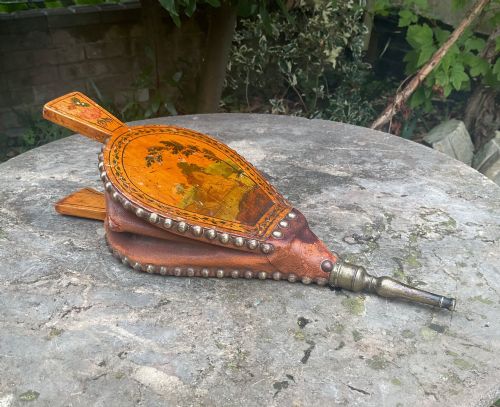
Makers utilised dense timbers such as mahogany, oak, and rosewood, often combining them with brass fittings, leather, or fabric elements to ensure durability during daily work. Carved hardwood provides the structural integrity needed for items like sailors' fids and cork compressors, while mixed wood inlay decorates finer desk items.
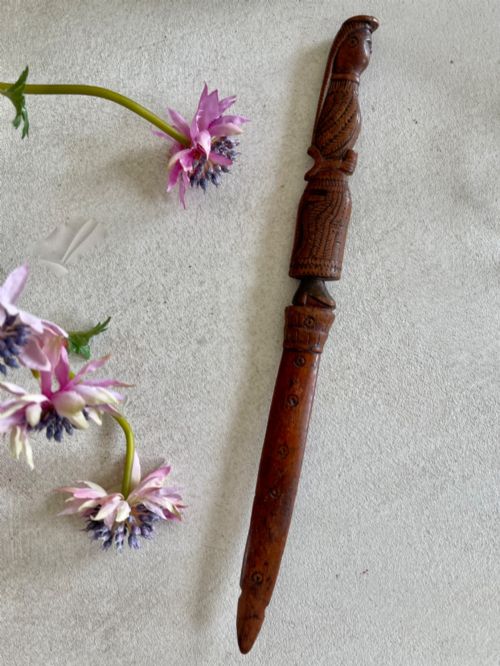
Workmanship relies on traditional carpentry and turning techniques, with hand-carving visible on treen and folk art pieces. Surfaces are shaped to fit the hand, utilising simple joints and metal hinges where movable parts are required.
Georgian Wooden Tool Retail Price Guide 2026
Typical asking prices for georgian wooden tool among the pieces listed under this phrase on Sellingantiques today, from the lower quarter to the upper quarter. They describe what is for sale here now, not the wider market.
An eighteenth-century cork compressor ensures your wine bottle remains tightly sealed after opening.
Judging the standard
Quality rests on the crispness of the timber carving and the precision of any integrated brass or scientific components, such as sundials and compasses. Pieces that retain their original mechanism, whether a bobbin winder or a cork press, hold greater integrity than those with replaced parts.
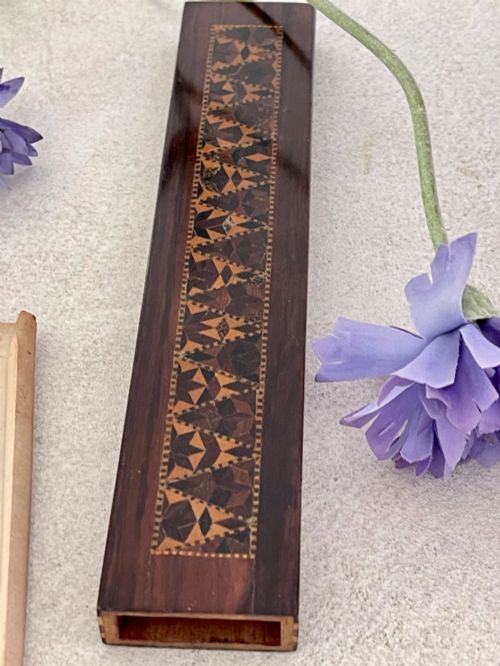
The refinement of the turning and the presence of decorative elements like Tunbridge ware inlay separate standard utilitarian gear from finer examples intended for polite domestic spaces. The character of the surface wear tells a story of genuine use rather than modern intervention.
Holtzapffel and Co
The Georgian Wooden Tool Glossary
- Treen
- Small handmade wooden domestic objects. These items range from kitchenware to personal accessories shaped by turners and woodworkers.
- Knitting sheath
- A device tucked into a belt or apron to hold a knitting needle steady. It is a traditional folk art form often carved from a single piece of wood.
- Sailor's fid
- A tapered wooden tool used for splicing rope or canvas aboard ship. Maritime examples are typically carved from hard timber to withstand heavy pressure.
- Tunbridge ware
- Woodware decorated with tiny mosaic tiles of different coloured woods to form geometric or pictorial patterns. It originated in Kent and was applied to small boxes and holders.
- Holtzapffel and Co
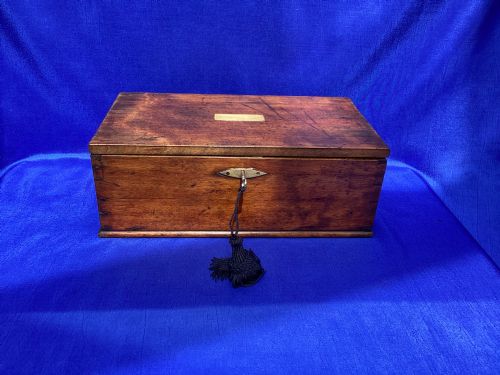
- A notable firm known for precision engineering and toolmaking. Their workshop produced fitted toolboxes and scientific equipment.
Georgian Wooden Tool: Frequently Asked Questions
What counts as a georgian wooden tool?
These pieces include utilitarian and scientific implements made from timber during the eighteenth and early nineteenth centuries. They cover everything from textile accessories to architectural instruments.
They reflect the manual trades and domestic tasks of the period, made primarily from woods like mahogany, oak, and fruitwood.
How were these items used originally?
Each implement served a specific practical purpose in the workshop, at sea, or in the home. Textile tools aided spinning and knitting, while maritime tools helped navigate or maintain rigging.
Scientific instruments assisted architects and travellers, demonstrating the blend of utility and craftsmanship demanded by daily work.
How do I care for antique wood?
Keep wooden objects away from direct heat sources and sudden humidity changes to prevent the timber from splitting. A light application of appropriate wax helps nourish the surface.
Avoid harsh chemical cleaners and excessive moisture, which can damage the original patina and any metal components attached to the piece.
How can I tell the period?
Dating relies on timber choice, construction methods, and stylistic cues associated with the Georgian and Regency eras. Hand-tool marks and traditional joinery indicate earlier production dates.
Comparing the hardware, such as brass hinges or dials, with known examples from the eighteenth and nineteenth centuries also aids identification.