

Georgian Wooden Sofa
A georgian wooden sofa brings genuine architectural presence to a room, offering tactile timber frames and traditional upholstery that ground an interior space.
Georgian Wooden Sofa
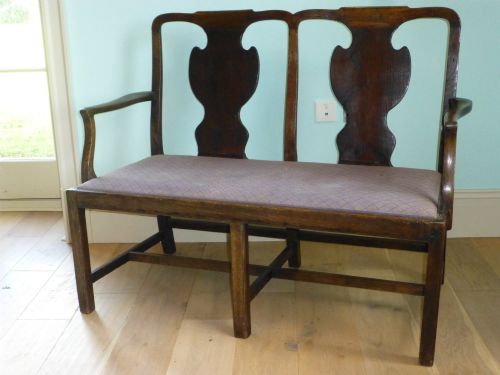
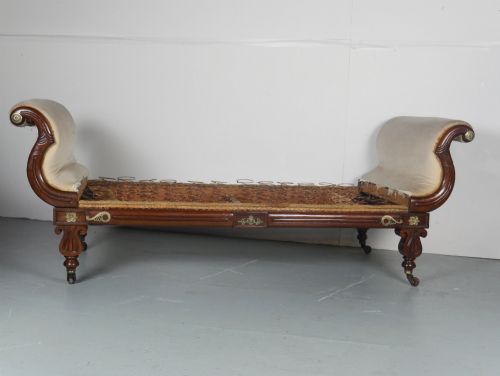
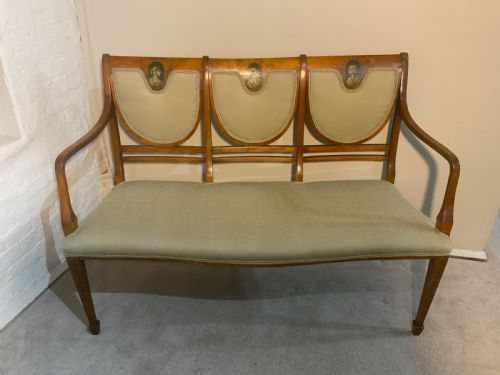
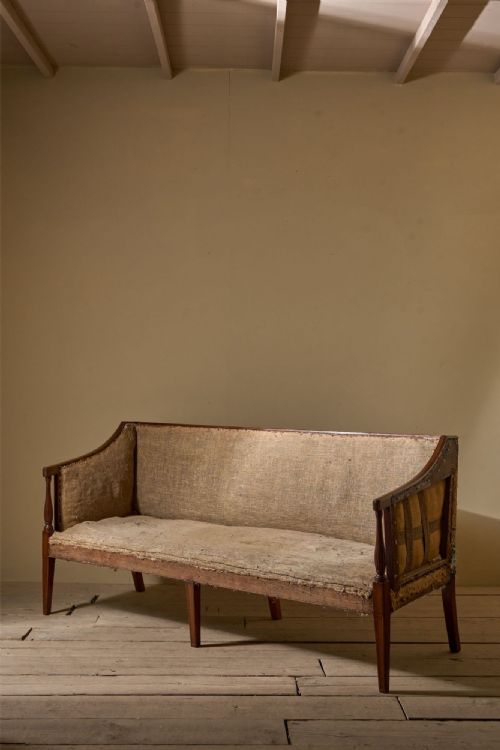
When searching for a georgian wooden sofa, buyers encounter various forms including large framed settees and chair back designs originating from periods spanning the eighteenth and nineteenth centuries.
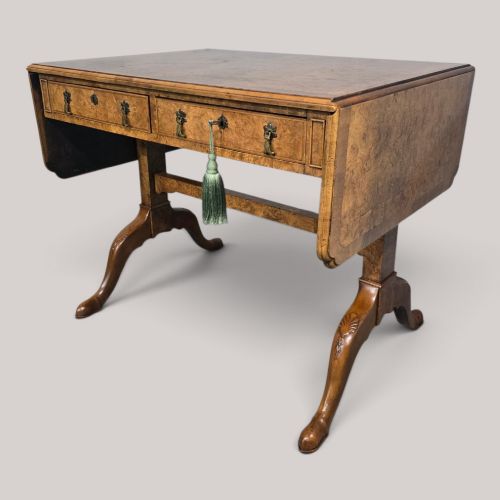
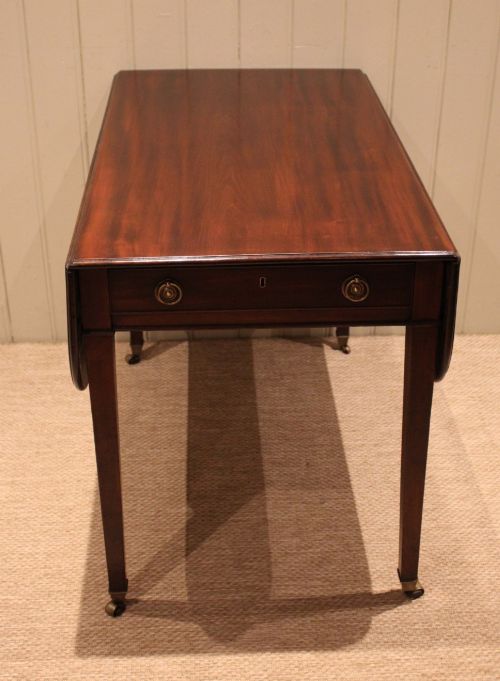
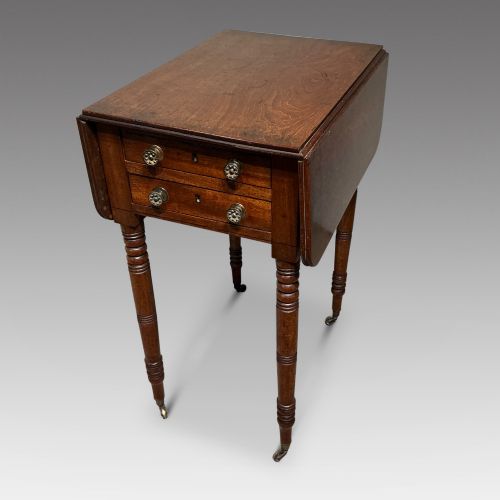
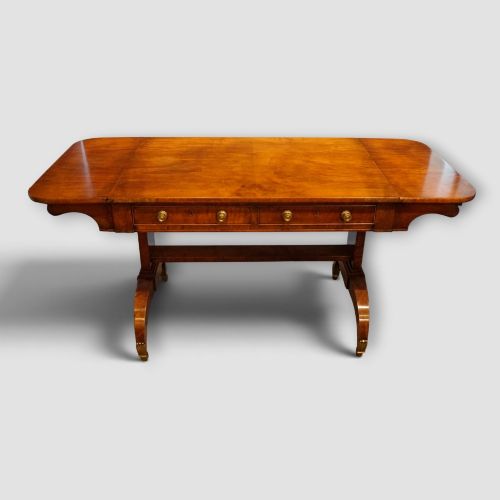
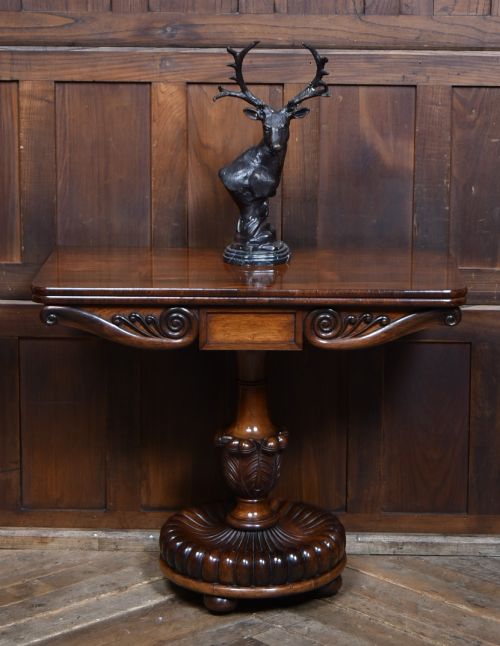
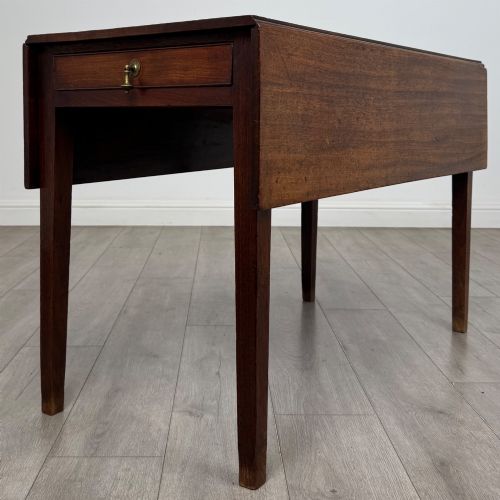
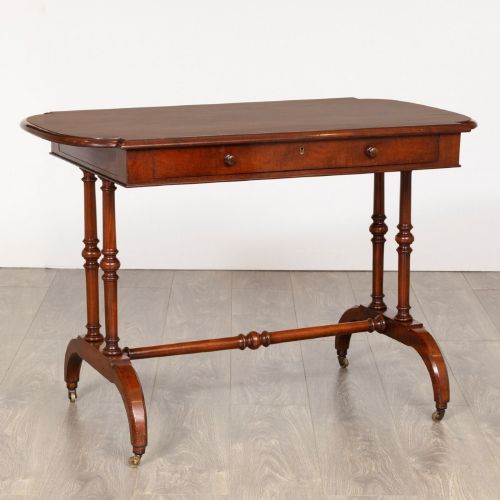
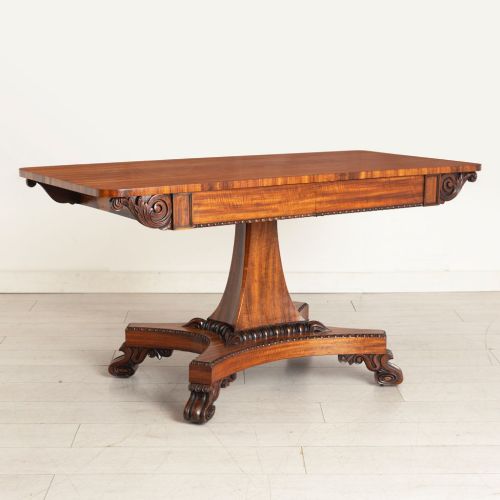
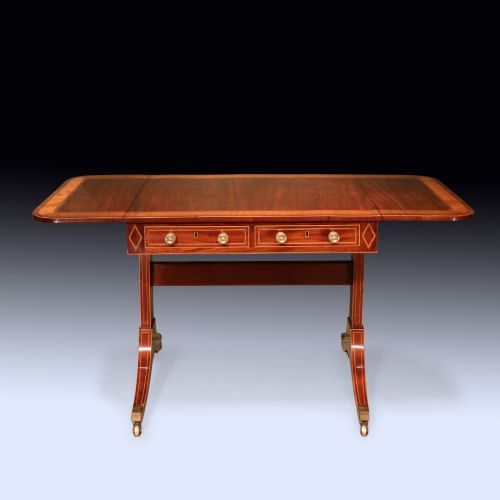
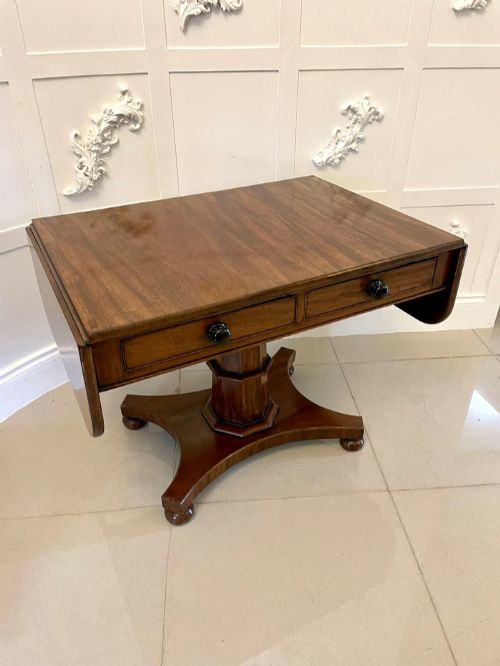
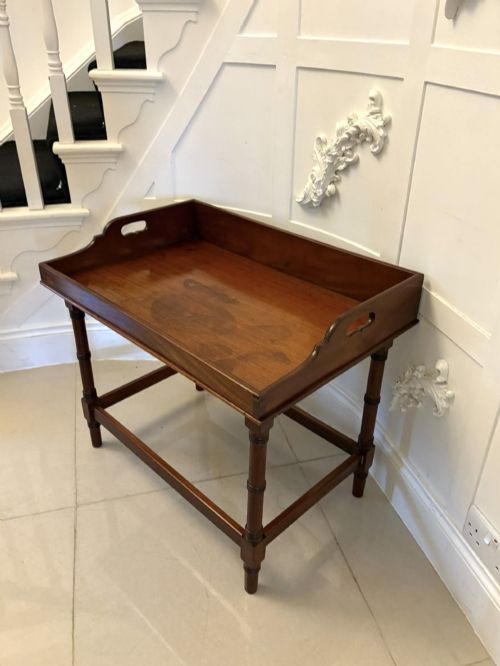
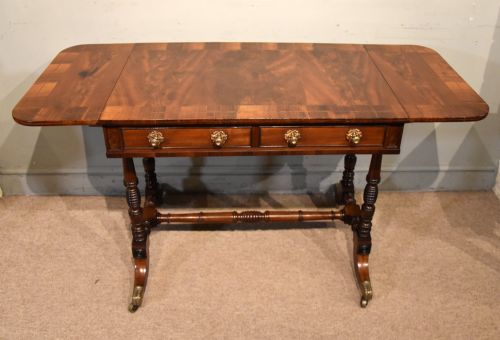
The listings here frequently show mahogany and walnut framing, often accompanied by drop leaf tables and side tables rather than strictly seating due to historical overlap in categorisation.
Makers and craftsmen of these eras produced seating with substantial wooden show-frames, incorporating styles such as Chippendale and Regency alongside later revival pieces.
Materials and construction methods
Timber selection forms the foundation of these pieces, with solid mahogany, satinwood, burr walnut, and tropical hardwoods utilised for structural integrity and visual depth.
Joinery relies on traditional carpentry techniques, while decorative surfaces incorporate wood inlay, marquetry, and polished flame mahogany veneers to accentuate the grain.
Upholstered elements often utilise traditional supports like hessian and fabric, paired with brass castors and fittings on moveable tables and seating.
Georgian Wooden Sofa Retail Price Guide 2026
Typical asking prices for georgian wooden sofa among the pieces listed under this phrase on Sellingantiques today, from the lower quarter to the upper quarter. They describe what is for sale here now, not the wider market.
Distinctions in craftsmanship
Quality separates through the crispness of carved wooden details and the selection of figured timbers, where symmetrical grain patterns denote superior stock selection.
Construction robustness dictates longevity, distinguishing pieces with tight, stable joinery from those showing excessive structural wear or timber shrinkage over the centuries.
The Georgian Wooden Sofa Glossary
- Pembroke table
- A small occasional table featuring two hinged drop leaves on opposing sides, commonly supported by folding brackets or rule joints.
- Settee
- An upholstered bench with a back and arms, designed to seat multiple individuals and built with a substantial wooden frame.
- Marquetry
- Decorative patterns formed by fitting together thin veneers of wood and other materials onto a structural carcass.
- Tray top
- A raised rim encircling the perimeter of a table surface to prevent items from sliding off.
- Flame mahogany
- A cut of mahogany timber displaying a distinctive swirling, flame-like grain pattern prized for decorative surfaces.
Georgian Wooden Sofa: Frequently Asked Questions
How do I identify a genuine period piece?
Examine the timber construction, tool marks, and secondary woods used in hidden areas to determine age and authenticity.
Compare the style details against known historical periods like the Regency or George III eras to confirm consistency in design.
Are these sofas comfortable for daily use?
Many historical settees feature firm, traditional upholstery supports that differ significantly from modern cushioned seating.
Adding appropriate support or placement in a drawing room often suits their historic construction best.
How should I care for antique mahogany furniture?
Keep wooden surfaces away from direct sunlight and sudden temperature changes to prevent the timber from splitting or warping.
Apply traditional wax sparingly and buff gently with a soft cloth to maintain the natural patina.
What is the difference between a sofa and a settee?
Historically, settees often featured exposed wooden frames and two-chair-back designs, whereas sofas leaned towards fully upholstered seating.
Terminology in older listings sometimes overlaps depending on the specific maker and period.