

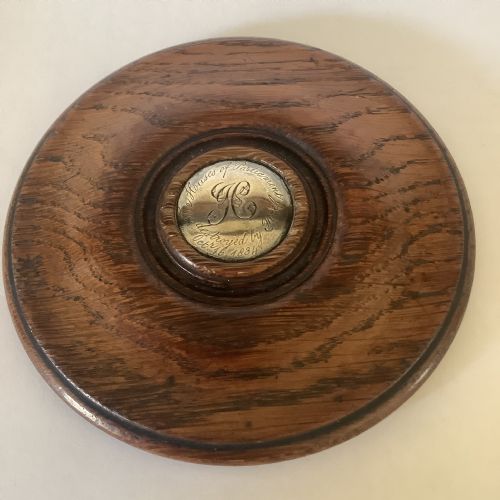
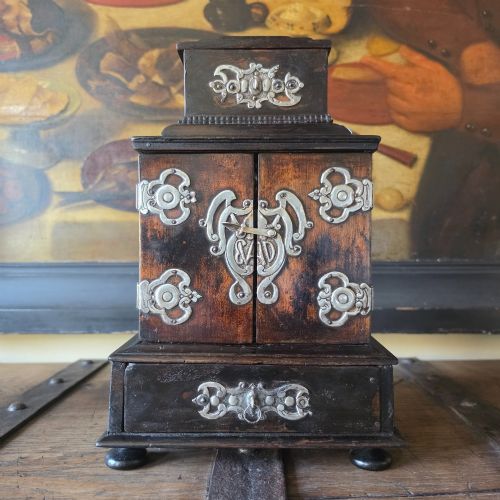


Georgian Wooden Silver Box
A georgian wooden silver box brings solid craftsmanship and functional elegance to any room.
Georgian Wooden Silver Box
A georgian wooden silver box represents a durable category of antique storage, spanning tea caddies, chests, trunks, jewellery cabinets, and snuff boxes. These objects were built to safeguard precious metals, cutlery, and personal valuables.
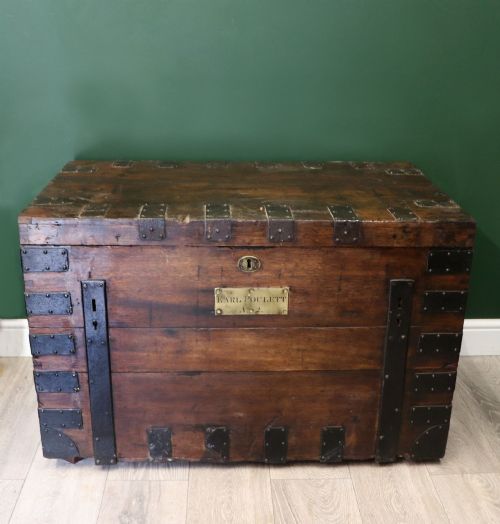
The pieces appearing on this page date predominantly from the Georgian, Victorian, and 18th-century periods, showcasing regional British craftsmanship alongside continental work. Forms range from heavy iron-bound oak chests to delicate burr maple and tortoiseshell tea caddies.
Buyers will encounter utilitarian storage chests bearing historical labels alongside refined tabletop caddies fitted with internal compartments. Each piece reflects the domestic storage needs of its original period.
How they were made
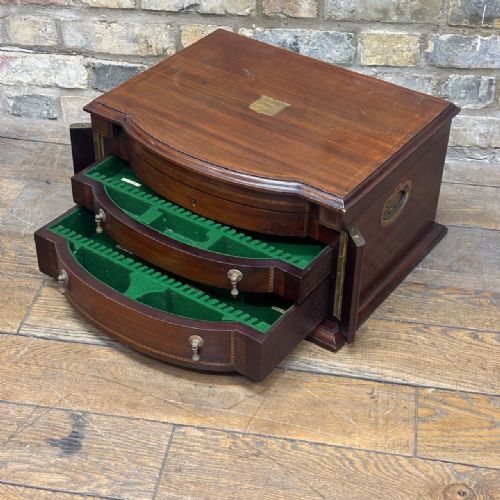
Cabinetmakers constructed these boxes using dense native and imported timbers including oak, mahogany, walnut, pine, and burr maple. Surfaces frequently feature decorative veneers, geometric inlay, and shaped wooden fronts such as bow-front designs.
Metal reinforcement played a structural role in larger items, utilising brass handles, hinges, and iron bands. Smaller items like caddies and jewellery cabinets relied on precision joinery and specialist materials such as tortoiseshell applied over a wooden core.
Georgian Wooden Silver Box Retail Price Guide 2026
Typical asking prices for georgian wooden silver box among the pieces listed under this phrase on Sellingantiques today, from the lower quarter to the upper quarter. They describe what is for sale here now, not the wider market.
The selection includes pieces from the 18th century, the Georgian era, and the Victorian period.
What varies in quality
The distinction between standard utility items and exceptional pieces rests upon the choice of timber and the sophistication of the joinery. Superior examples utilise richly figured veneers, intricate inlay work, and robust internal fittings.
Original hardware, working locks, and documented provenance elevate the standing of a piece. The integration of specialised materials like tortoiseshell or the survival of maker labels and historical associations also separates finer examples from everyday containers.
gillows of Lancaster
The Georgian Wooden Silver Box Glossary
- Tea caddy
- A small box designed to store loose tea leaves securely. These containers often featured internal lids or divided compartments.
- Snuff box
- A small pocket-sized container used for holding powdered tobacco. Many examples from this era utilised dense hardwoods or specialised shell casing.
- Veneer
- A thin slice of ornamental wood applied to a primary timber base. This technique allowed cabinetmakers to display striking grain patterns.
- Inlay
- A decorative method where contrasting materials are set into the surface of the wood. This created geometric patterns and bordered panels.
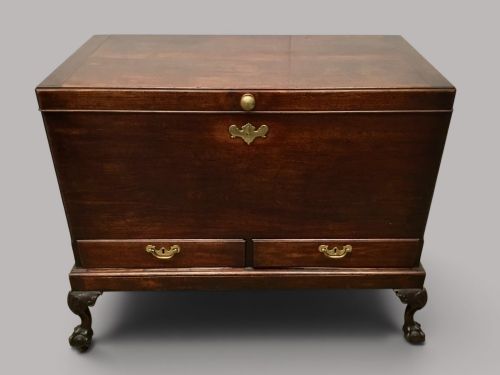
- Chest on stand
- A large storage box elevated on a dedicated wooden framework. This configuration kept heavy items away from damp floorboards.
Georgian Wooden Silver Box: Frequently Asked Questions
What were wooden silver boxes used for?
These boxes served to protect and organise valuable items such as table silver, cutlery, tea, and jewellery within wealthy households. Their robust construction kept contents secure from dust and theft.
Larger chests accommodated heavy plate and travel requirements, while smaller caddies and cabinets sat on tabletops for daily domestic use.
How do I care for antique wood?
Keep wooden boxes away from direct sunlight and sudden temperature shifts to prevent timber from splitting or warping. Maintain a stable indoor climate to preserve the finish.
Apply traditional wax sparingly and buff gently with a soft cloth. Avoid modern liquid polishes that can degrade historical surfaces.
How do I identify the period?
Examine the construction methods, nail types, and hinge styles used in the interior compartments. Joinery techniques evolved significantly between the eighteenth and nineteenth centuries.
Stylistic cues such as proportions, decorative veneers, and brass hardware alignment also point toward specific design eras like Georgian or Regency.
Are original keys common?
Original keys are relatively uncommon because locks were often changed, or keys were lost during centuries of family inheritance and movement. Many antique boxes retain their original working locks even when the key is missing.
Specialist locksmiths can sometimes supply replacement keys if required, though collectors often accept pieces without them.