

Georgian Wooden Container
A georgian wooden container brings utilitarian domestic history into domestic spaces through centuries-old storage vessels.
Georgian Wooden Container
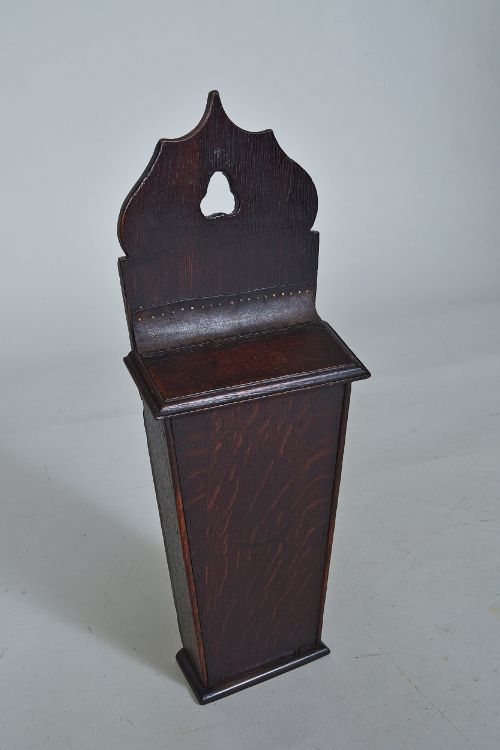
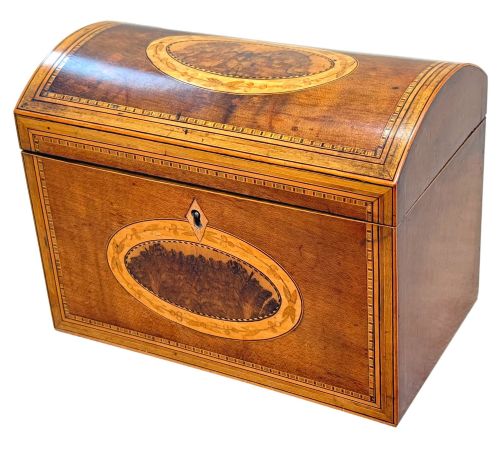
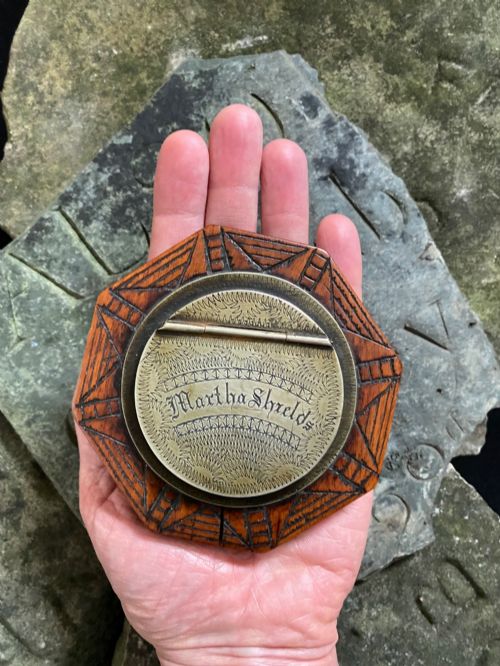
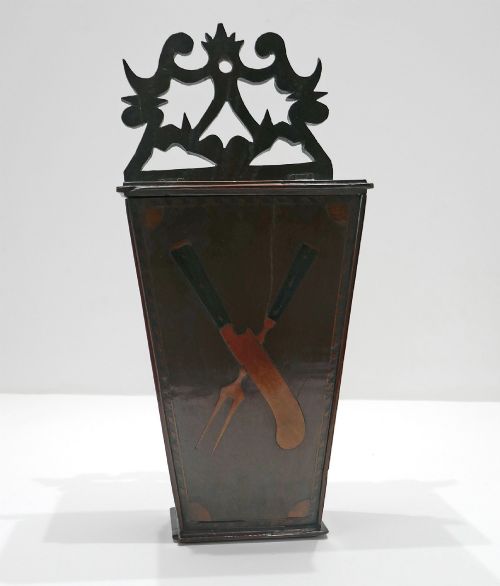
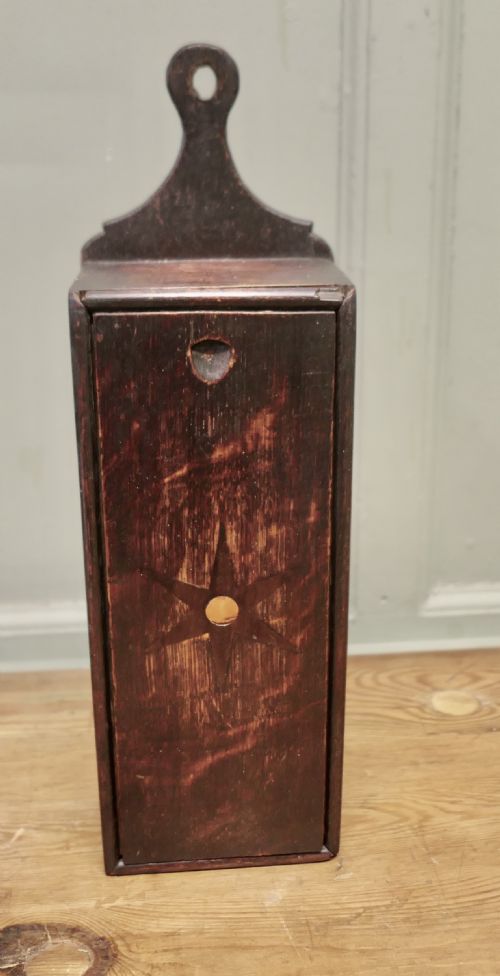
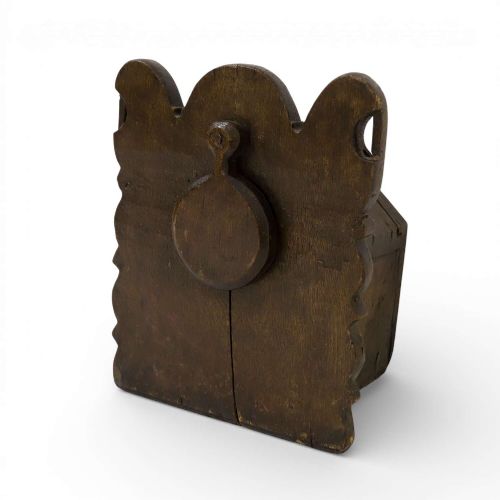
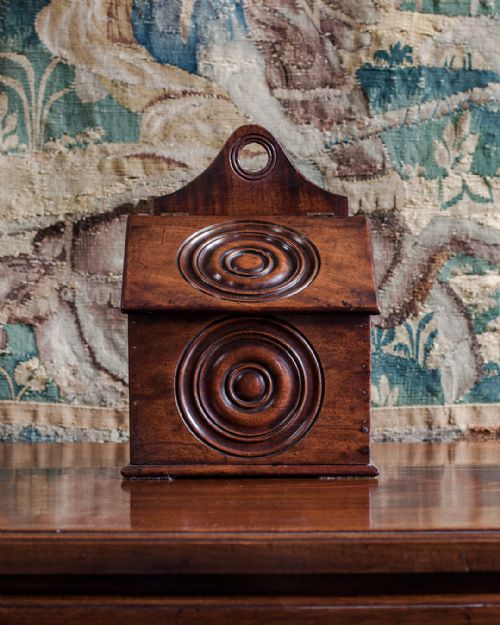
A georgian wooden container encompasses practical household vessels and small personal boxes originating primarily from the eighteenth and nineteenth centuries. Buyers encounter domestic items designed for specific household tasks, including tea storage, candle keeping, salt dispensing, and snuff holding.
Makers utilised various timber species to construct these objects for daily domestic use. The surviving vessels demonstrate how historical households managed dry goods, lighting materials, and personal commodities before mass production.
How they were made
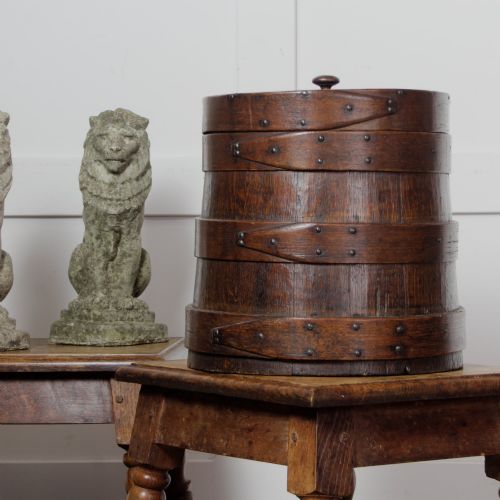
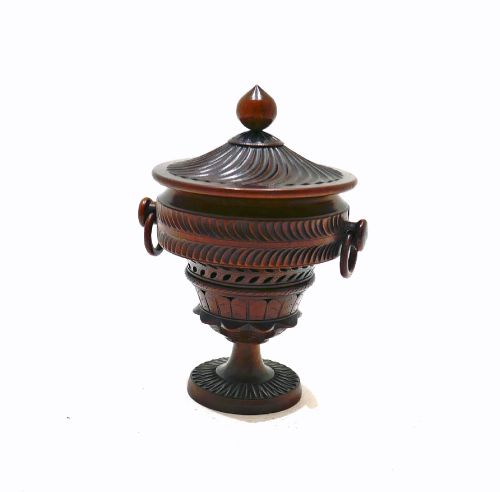
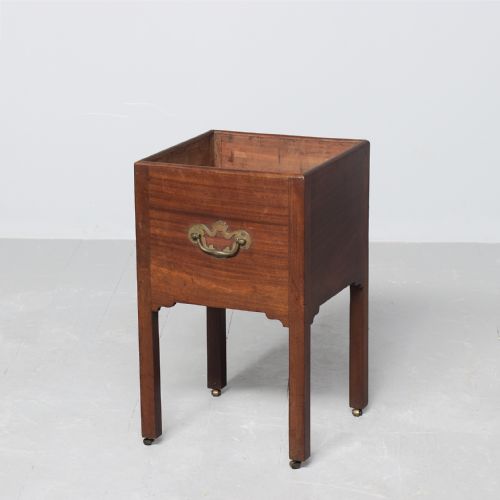
Craftsmen built these containers from dense timbers including mahogany, oak, walnut, fruitwood, boxwood, and yew wood. Carpenters and turners shaped the wood using traditional joinery, lathe turning, and panel construction.
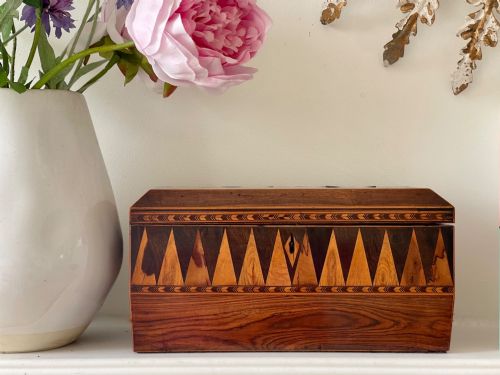
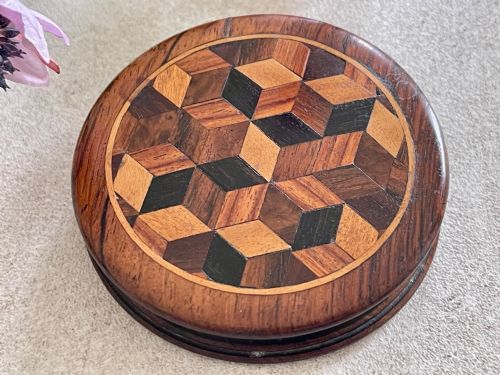
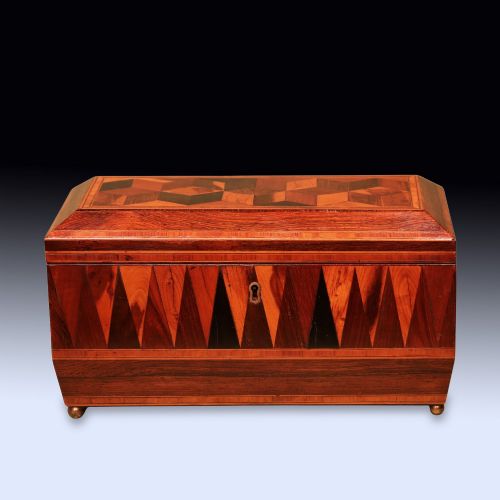
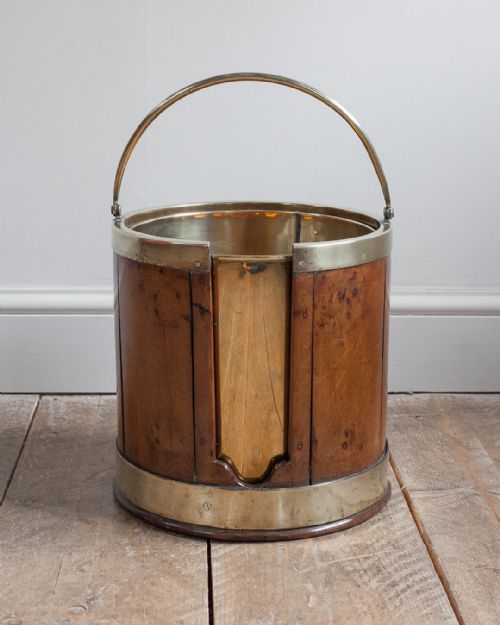
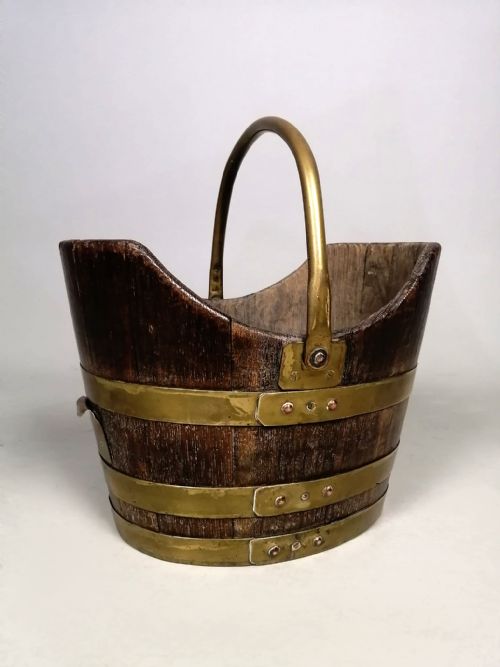
Surface decoration incorporated brass bands, iron hardware, and intricate boxwood and ebony inlaid patterns. Makers also applied paint, parquetry, and Tunbridge Ware mosaic techniques to ornament the exterior surfaces.
Internal fittings often included divided compartments, fitted interiors, and fitted lids secured with brass or iron hinges and locks. Hardware elements like original iron handles and brass mounts formed integral parts of the functional design.
Georgian Wooden Container Retail Price Guide 2026
Typical asking prices for georgian wooden container among the pieces listed under this phrase on Sellingantiques today, from the lower quarter to the upper quarter. They describe what is for sale here now, not the wider market.
What varies in quality
Quality depends upon the choice of timber and the precision of the joinery. Fine examples display carefully selected grain patterns, such as figured mahogany or polished walnut, matched with tight, durable construction.
The sophistication of surface enrichment distinguishes standard items from superior pieces. Finely executed Tunbridge Ware inlay, detailed parquetry, and delicate brass pique work indicate higher levels of artisan skill.
The survival of original components, including iron hardware, fitted internal compartments, and key locks, influences the integrity of the piece. Well-preserved patination from centuries of handling reflects the ageing process of the wood.
The Georgian Wooden Container Glossary
- Treen
- Small handmade wooden objects for domestic use. This term covers items ranging from spice towers to small lidded cups.
- Tunbridge Ware
- Woodware decorated with tiny mosaic tiles forming pictorial or geometric patterns. Makers created these decorative patterns using many different natural coloured woods.
- Parquetry
- Geometric mosaic woodwork used to surface boxes and panels. Artisans arranged small wood veneers in repeating patterns.
- Spice tower
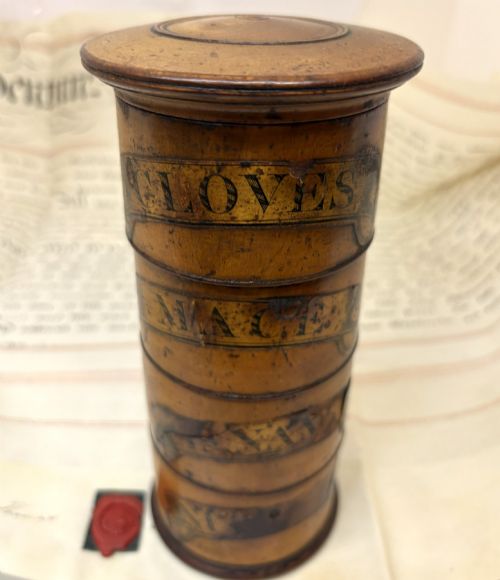
- A multi-tiered turned wooden vessel used for holding various culinary spices. These cylindrical containers stack multiple compartments vertically.
- Pique work
- Inlay technique using tiny pins or wire to form patterns on small boxes. This delicate ornamentation often decorates snuff boxes.
Georgian Wooden Container: Frequently Asked Questions
What were tea caddies used for?
Tea caddies served as secure storage containers for precious tea leaves when tea was an expensive commodity. They frequently featured internal lidded compartments and lockable lids to protect the contents.
Households kept these boxes in reception rooms rather than kitchens. The design reflected the social ritual associated with serving tea to guests.
How do you identify a spice tower?
Spice towers consist of vertically stacked wooden sections that screw or fit together to form a single column. Each tier held a different powdered spice for cooking or medicinal use.
Turned from dense timbers like boxwood or fruitwood, these portable containers kept aromatic ingredients contained. Their clever multi-compartment design saved valuable kitchen space.
What is the difference between a tea caddy and a cutlery box?
Tea caddies are enclosed lidded boxes designed specifically to store loose tea leaves, often featuring internal compartments and locks. Cutlery boxes are open or lidded trays built to hold forks, spoons, and knives.
Cutlery boxes frequently feature carrying handles for moving flatware between storage areas and dining tables. Their interior layouts match the long shapes of eating utensils.
How should I care for antique wooden containers?
Keep wooden containers away from direct sunlight and radiators to prevent the timber from drying out and cracking. Maintain a stable room temperature and humidity level in your home.
Apply a light application of appropriate beeswax periodically to nourish the historic wood surface. Avoid using modern liquid polishes that can damage old patination.