

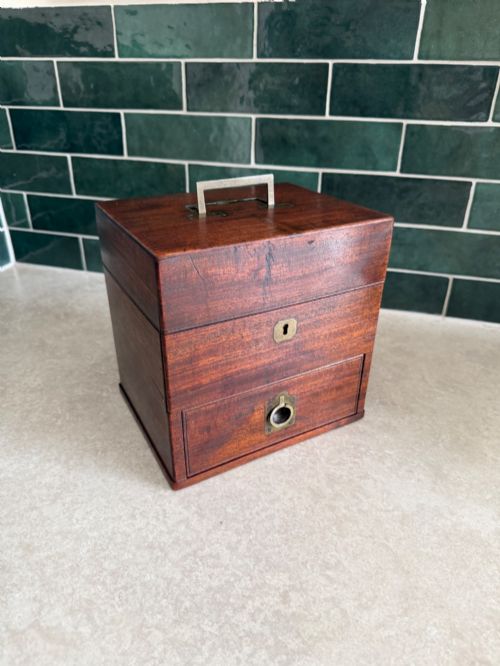

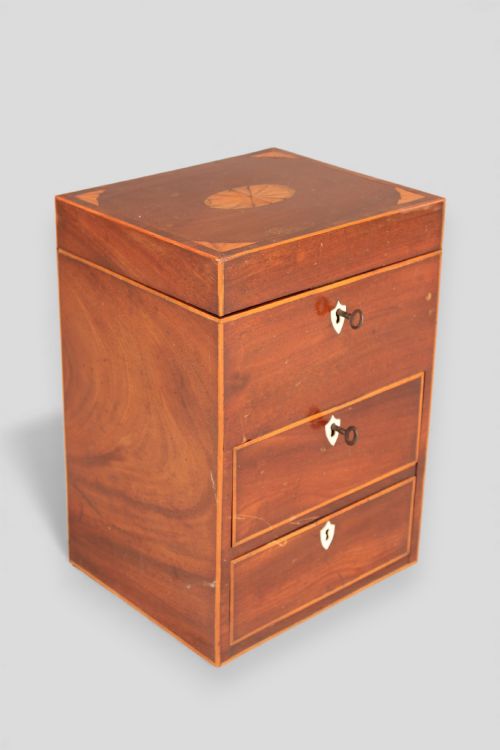


Georgian Wooden Collector Box
A georgian wooden collector box brings disciplined order to small treasures, offering compartments and drawers crafted for serious display and storage.
Georgian Wooden Collector Box
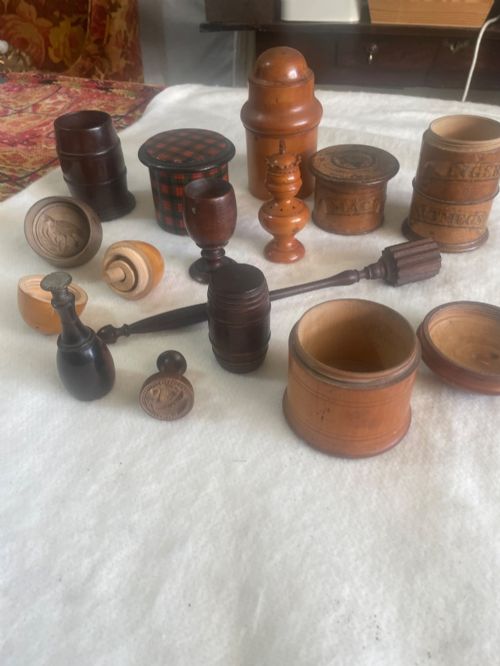
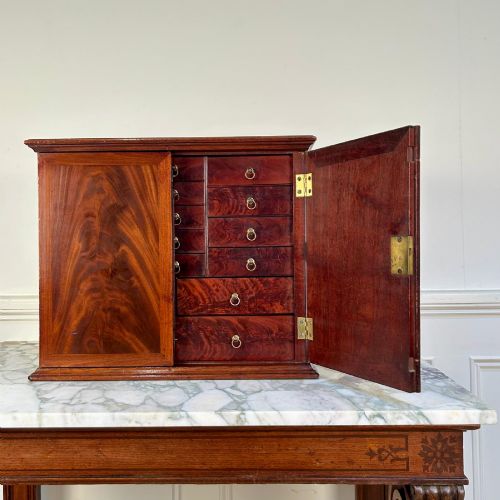
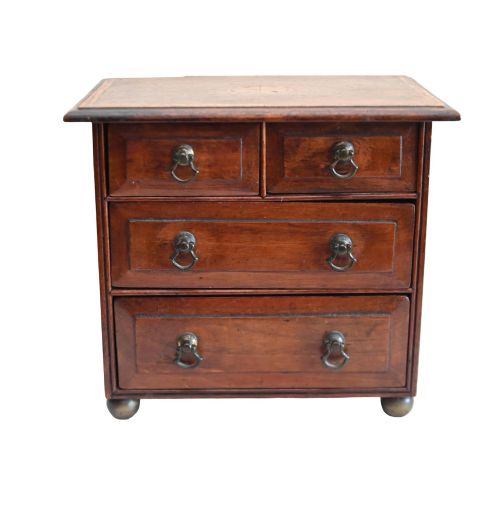
A georgian wooden collector box encompasses miniature chests of drawers, tabletop cabinets, spice cupboards, and specialised apothecary containers. These pieces emerge primarily from the Georgian and Regency eras, alongside subsequent nineteenth-century interpretations.
Buyers encounter forms executed in mahogany, walnut, oak, and rosewood, frequently incorporating internal divisions tailored for specimens, jewellery, or documents. Miniature furniture and document boxes dominate the selections on this page, representing the domestic storage needs of the period.
Construction and materials
Cabinet makers utilised dense hardwoods including mahogany, walnut, rosewood, and oak, often selecting burr or figured veneers for principal surfaces. Timber frames were constructed with traditional joinery to withstand the frequent opening of small drawers and lids.
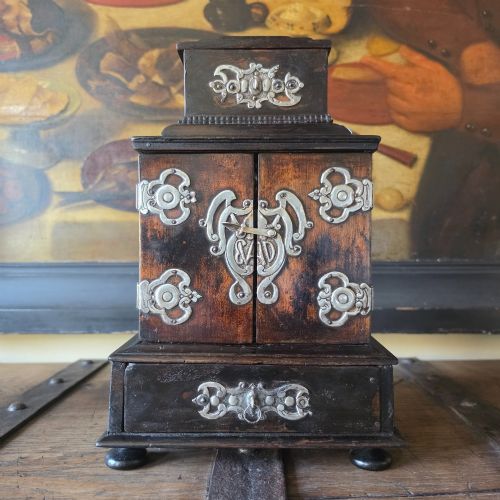
Metal mounts in brass and iron provided functional reinforcement and secure closures for apothecary boxes and document cabinets. Inlays of lighter woods and mother-of-pearl added visual definition to box exteriors without compromising structural integrity.
Georgian Wooden Collector Box Retail Price Guide 2026
Typical asking prices for georgian wooden collector box among the pieces listed under this phrase on Sellingantiques today, from the lower quarter to the upper quarter. They describe what is for sale here now, not the wider market.
Current selections demonstrate a strong presence of mahogany and rosewood across nineteenth-century and Georgian miniature chests.
Assessing quality
Quality rests in the precision of the miniature scale and the crispness of internal drawer fitting. Superior examples maintain unblemished timber patination and retain their original brass hardware, internal linings, and locking mechanisms.
Design ambition separates basic utility items from refined tabletop cabinets. Elaborate grain selection in rosewood or burr oak, combined with subtle stringing and deliberate proportion, indicates a maker working to a higher standard.
The Georgian Wooden Collector Box Glossary
- Apothecary box
- A fitted container designed to hold medical phials, scales, and ingredients securely. These boxes feature internal pigeonholes and velvet-lined compartments tailored for glass bottles.
- Miniature furniture
- Small-scale cabinets and chests constructed by makers to demonstrate mastery or serve as salesman samples. They duplicate the construction details and proportions of full-size furniture.
- Spice drawer
- A set of small compartments housed within a larger miniature cabinet or cupboard. These were traditionally utilised for storing expensive culinary spices in wealthy households.
- Patina
- The surface sheen and colour developed by wood over centuries of handling and polishing. Natural wear enhances the depth and character of the original timber.
- Specimen wood
- An item constructed from multiple contrasting timber species to showcase variety and colour. These boxes often feature geometric patterns created from diverse natural grains.
Georgian Wooden Collector Box: Frequently Asked Questions
What were these boxes used for?
These boxes served multiple domestic and professional purposes, from storing valuable jewellery and documents to housing medical remedies in apothecary chests. Miniature chests and cabinets also functioned as desk accessories or desktop storage for precious personal items.
Collectors utilised them to organise small specimens, coins, and natural history items securely. Their portable nature allowed owners to keep valued possessions close at hand within the home.
How do I date a wooden box?
Dating relies on observing timber choices, construction methods, and hardware styles characteristic of specific eras like the Georgian or Regency periods. Secondary woods used for drawer linings and back panels often provide reliable clues to the origin.
Secondary indicators include the style of brass hinges, escutcheons, and locks. Comparing the joinery techniques against known period examples helps narrow down the decade of manufacture.
Are these boxes fragile?
Solid hardwood construction makes these boxes durable, though miniature drawers and delicate veneers require careful handling. The small joints and hinges benefit from stable environmental conditions to prevent timber movement.
Regular handling does not harm sturdy pieces, but sudden moisture changes can affect delicate mother-of-pearl inlays and rosewood surfaces. Gentle dusting and occasional wax application maintain the wood condition.
How do I display a miniature cabinet?
Tabletop placement on sturdy sideboards or desks allows these pieces to be viewed closely at eye level. Placing them away from direct sunlight protects vulnerable rosewood and mahogany finishes from fading.
Positioning them where interior drawers can be safely pulled out enhances both function and visual appreciation. Their compact footprint enables placement in rooms where full-sized furniture will not fit.