
Georgian Wood Dresser
A georgian wood dresser provides substantial storage through practical timber construction developed across centuries of British craftsmanship.
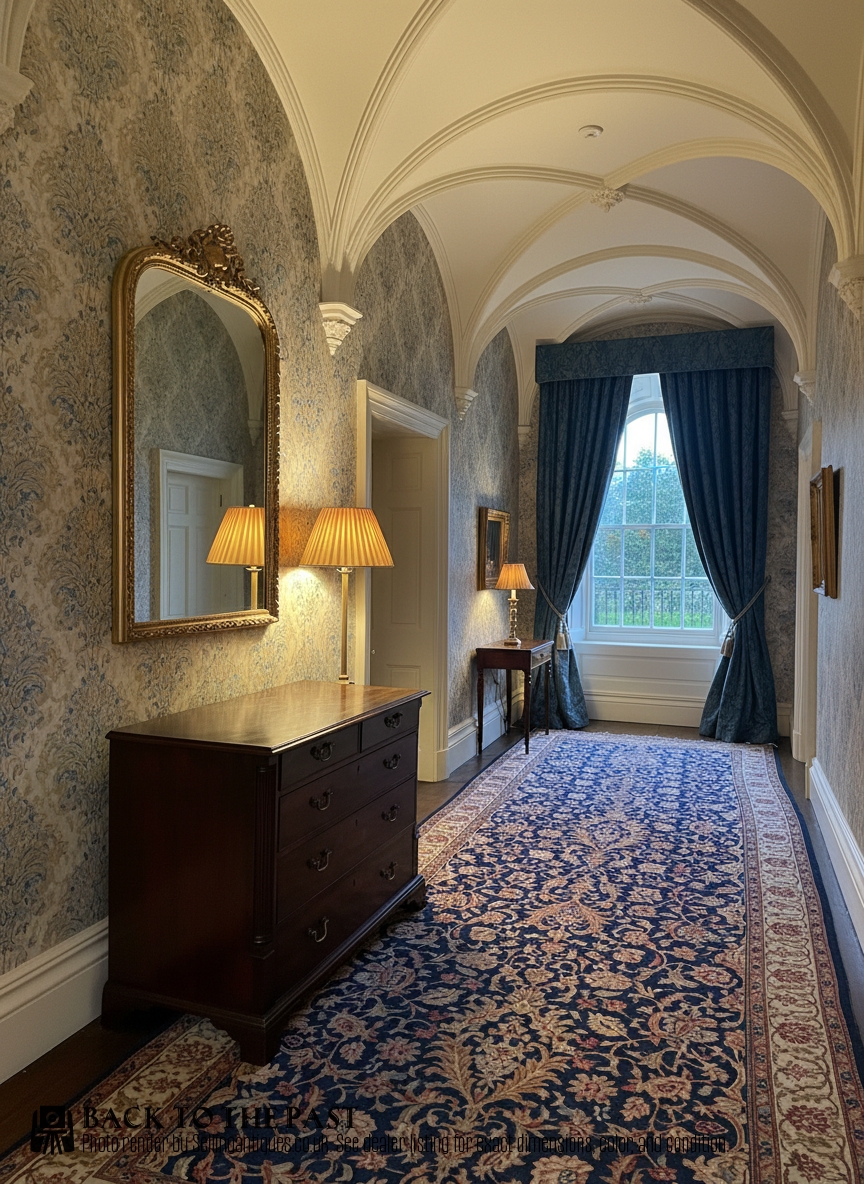
Georgian Wood Dresser
When searching for a georgian wood dresser, collectors encounter practical storage forms including chest of drawers, dresser bases, and sideboards. These pieces originate predominantly from the eighteenth and nineteenth centuries, spanning Georgian, George III, Regency, and Victorian periods.
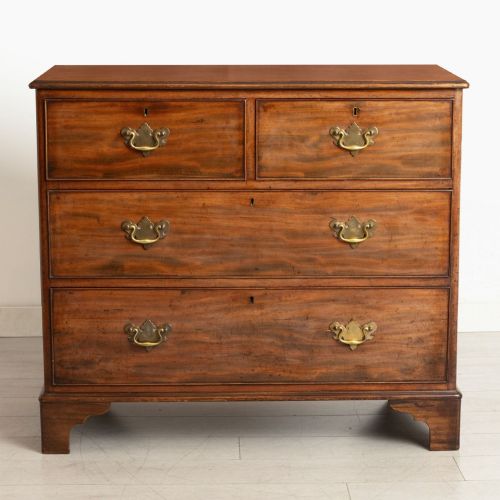
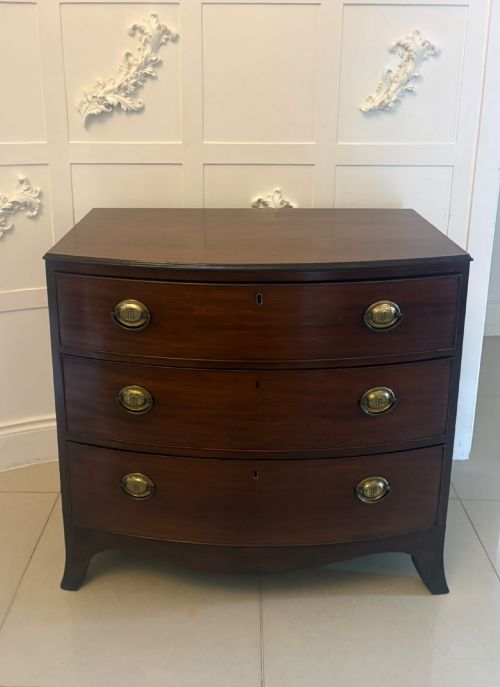
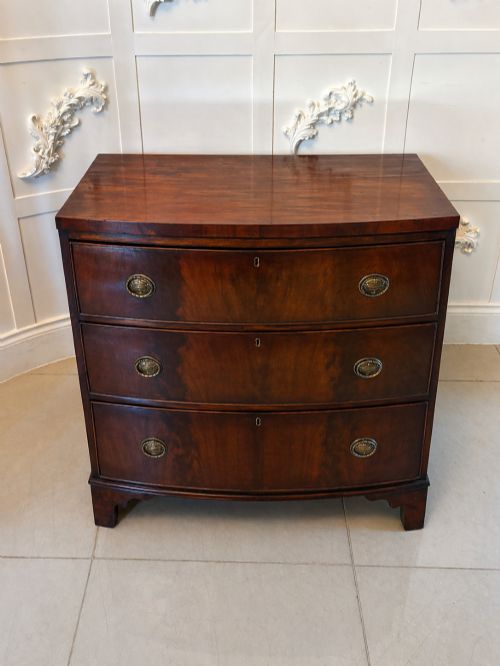
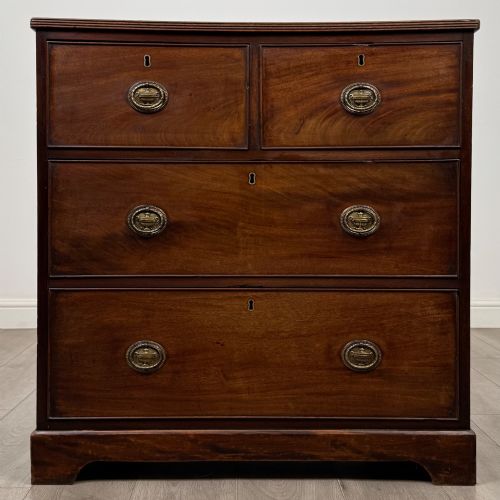
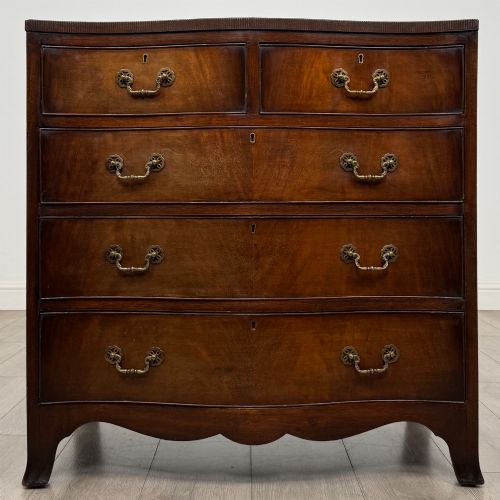
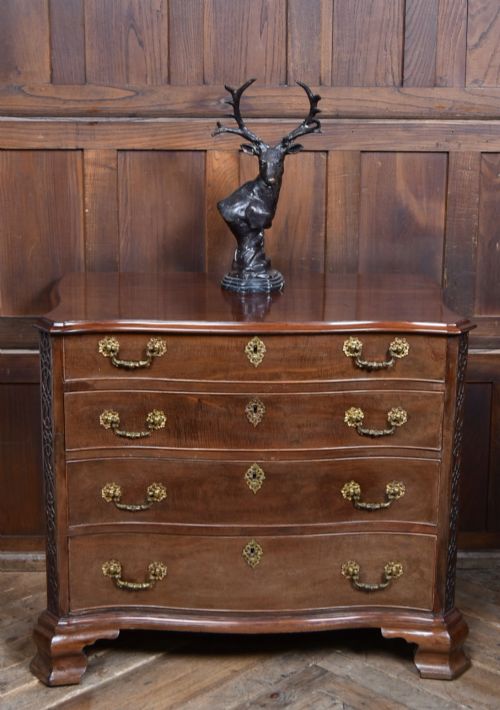
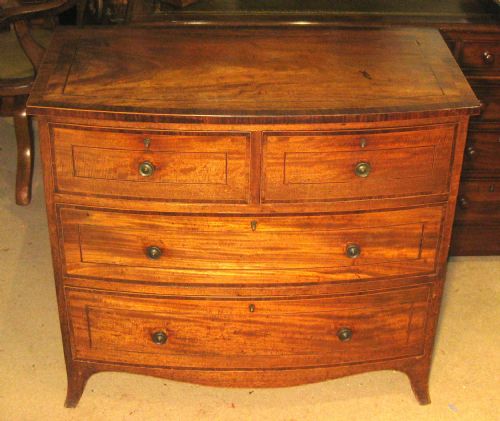
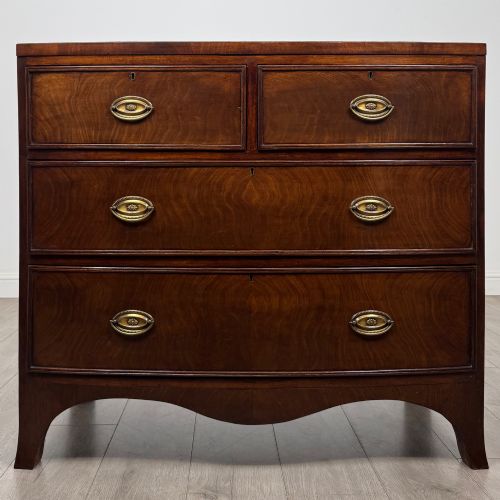
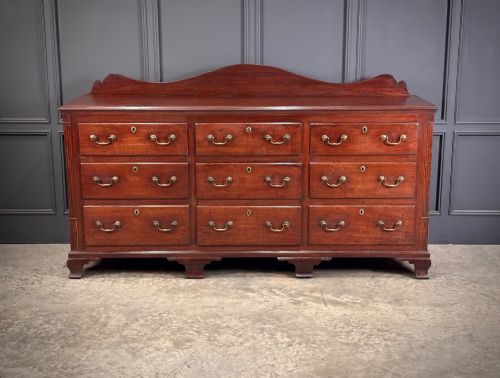
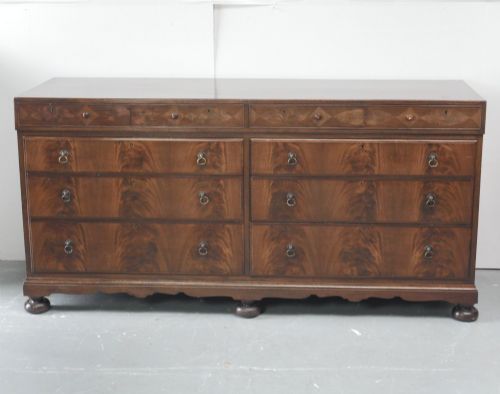
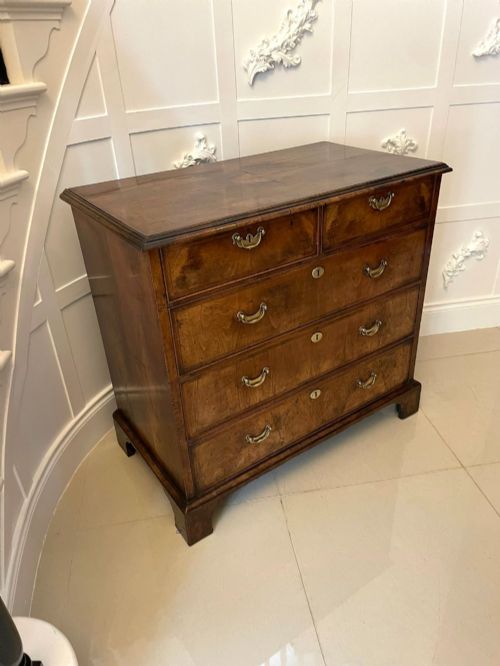
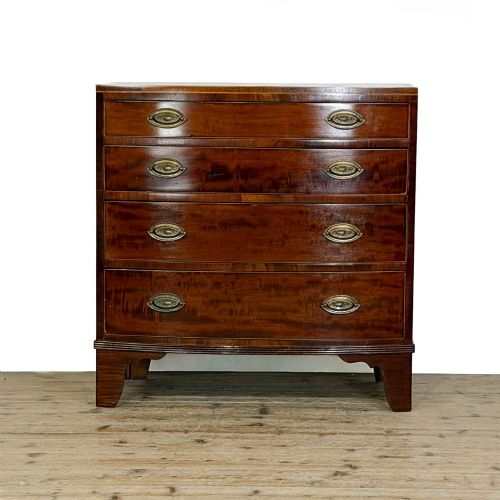
The version most commonly met on this page is the mahogany or oak chest of drawers, often featuring bow front, serpentine, or breakfront outlines. Welsh and English regional pieces also appear as oak and fruitwood dresser bases.
How they were made
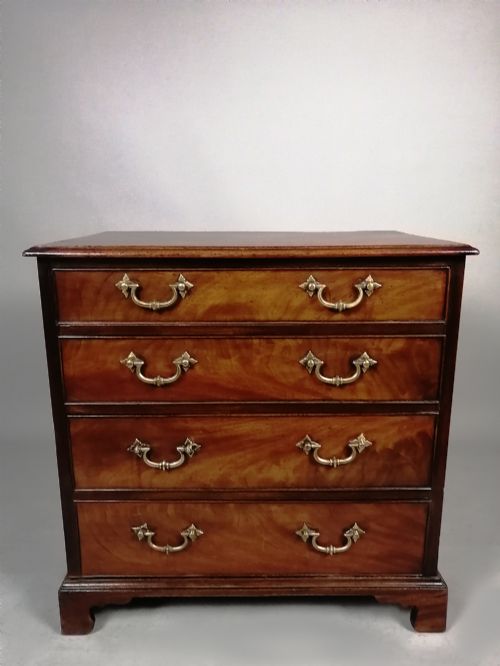
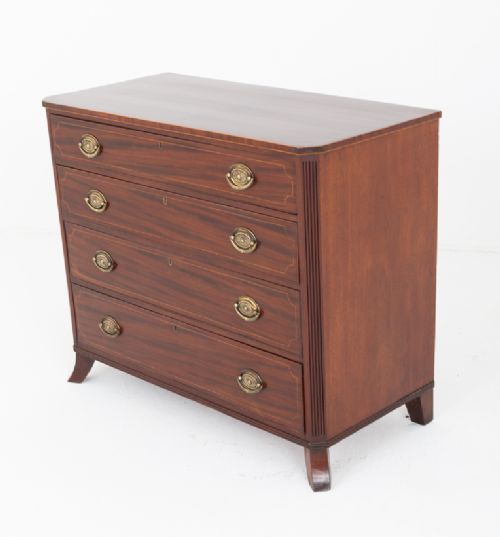
Cabinet makers utilised solid timbers such as mahogany, oak, walnut, and fruitwood, frequently applying flame mahogany veneer to primary display surfaces. Construction methods incorporated traditional joinery to build sturdy carcases and drawer boxes.
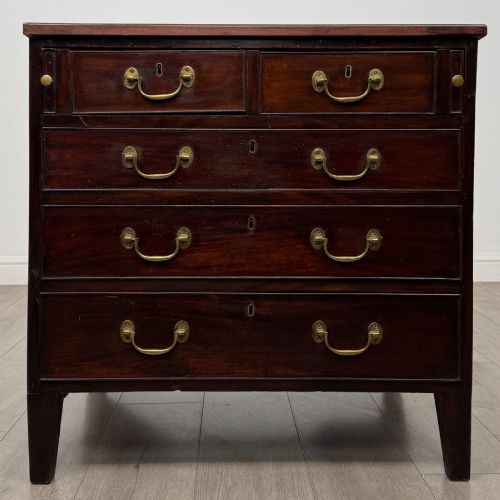
Fittings typically included cast brass handles and escutcheons to secure drawers, while specialised examples featured internal writing slides and brush boards.
What varies in quality
The top of the range is distinguished by refined timber selection, such as figured walnut and flame mahogany, paired with sophisticated serpentine or breakfront outlines. Superior examples demonstrate meticulous attention to drawer alignment and timber grain continuity across the front facades.
Simpler regional pieces in oak and fruitwood exhibit more utilitarian construction, relying on robust build quality rather than decorative veneers. The presence of original brass hardware and untouched patination further elevates an item's standing.
Whytock and Reid
The Georgian Wood Dresser Glossary
- Bow front
- A cabinet front that curves outward in a convex shape. This profile gained popularity during the late eighteenth century.
- Serpentine
- A front contour characterised by a convex central section flanked by concave curves. It requires advanced cabinet making skill to execute.
- Breakfront
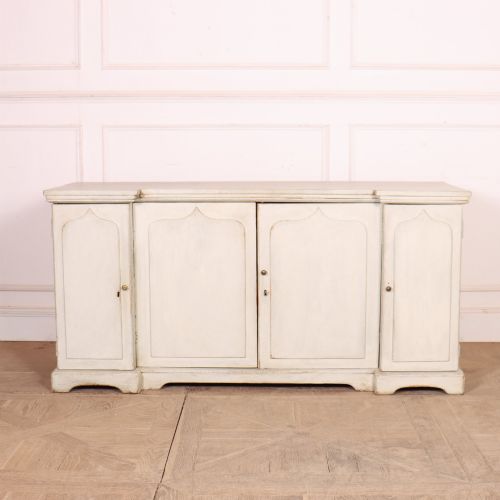
- A large piece of furniture where the central section projects forward from the flanking wings. This architectural layout creates visual depth.
- Dresser base
- A low side table or sideboard featuring drawers and cupboards, historically used for serving food and storing kitchen ware. These items often lack the upper plate rack.
- Flame mahogany veneer
- Thin slices of mahogany timber sliced from wood where the grain creates a flame-like pattern. Makers applied this to drawer fronts for visual impact.
Georgian Wood Dresser: Frequently Asked Questions
What is a georgian wood dresser?
A georgian wood dresser is a piece of storage furniture constructed during the eighteenth or early nineteenth centuries. These items encompass both kitchen dresser bases and formal bedroom chests of drawers.
Craftsmen built these units using native and imported timbers, creating durable furniture designed for daily domestic use.
How do I identify periods?
Identifying periods involves examining the timber choice, hardware, and structural outline of the cabinet. Earlier eighteenth-century pieces frequently utilise oak or walnut, while later Regency examples favour mahogany and flame veneer.
Cabinet proportions and drawer configurations also shift over time, moving from plain rectangular carcases to decorative serpentine and bow front shapes.
Where were these placed?
Kitchen dressers and sideboard bases originally stood in dining rooms or domestic kitchens to store and serve food. Chests of drawers served primarily in bedrooms for clothing storage.
Today, buyers integrate these versatile storage items into hallways, living rooms, and modern bedrooms.
How do I care for timber?
Caring for antique timber requires maintaining stable room humidity and avoiding direct sunlight. Regular dusting with a dry cloth preserves the polished surface.
Applying traditional wax occasionally helps nourish the wood and maintain its natural lustre without sealing the grain.