



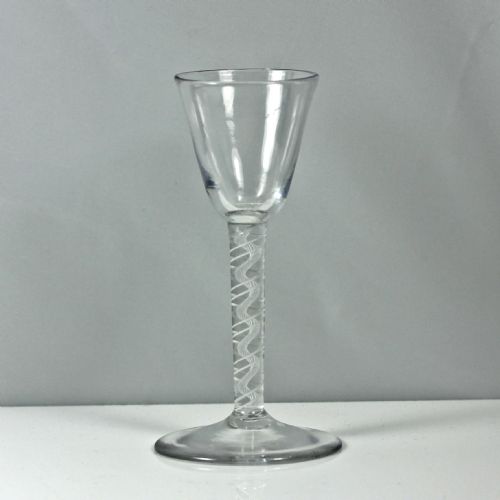
Georgian Wine Vessel
A georgian wine vessel holds the liquid history of the table, uniting drinking glasses, coolers, carafes and flagons in lead glass and metal.
Georgian Wine Vessel
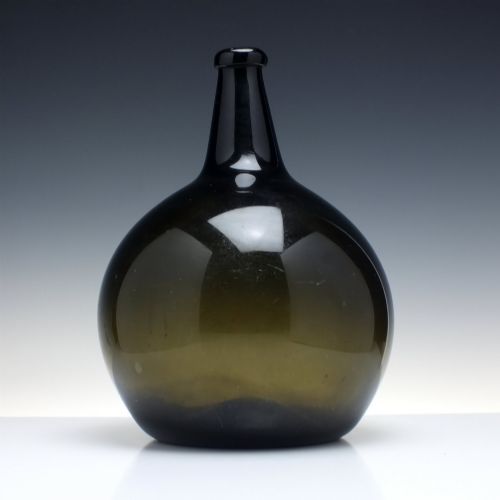
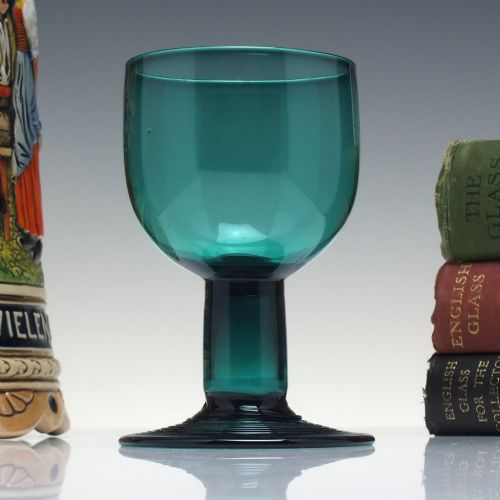
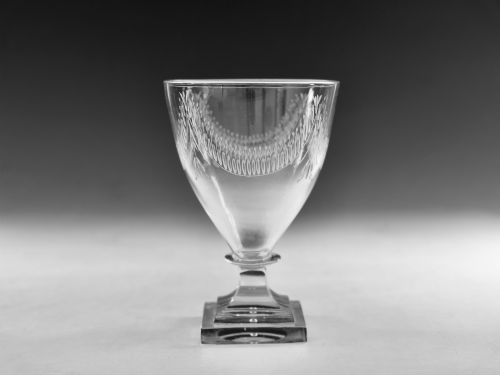
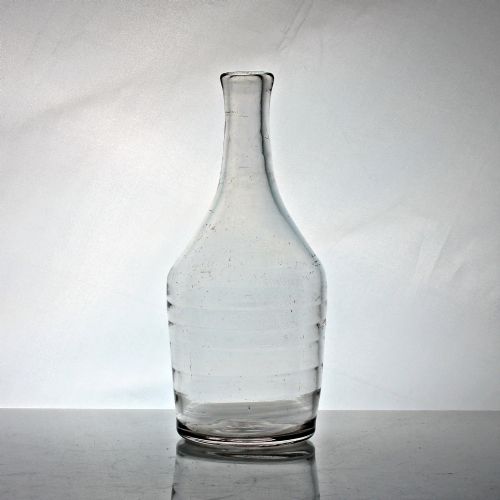
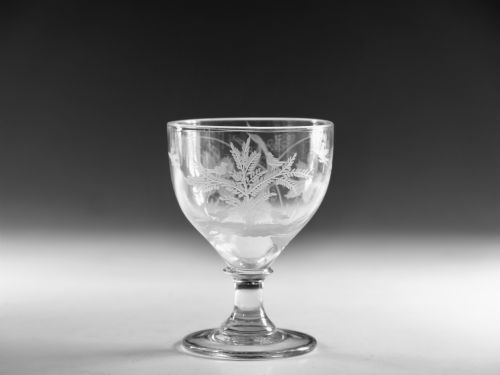
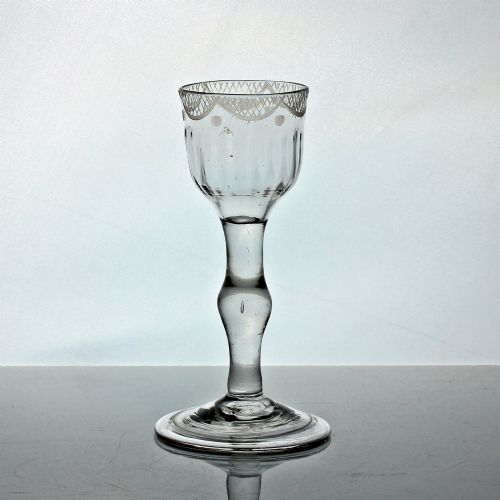
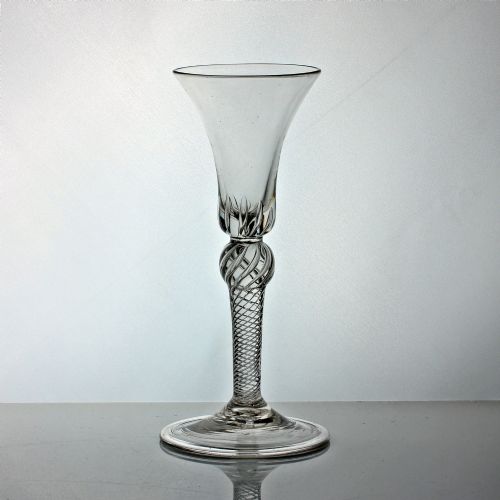
When searching for a georgian wine vessel, collectors encounter a diverse range of serving and drinking forms primarily originating in the eighteenth and early nineteenth centuries. These pieces span functional dining table accessories such as decanters, coolers and carafes alongside drinking vessels including rummers, cordials and balustroid wine glasses.
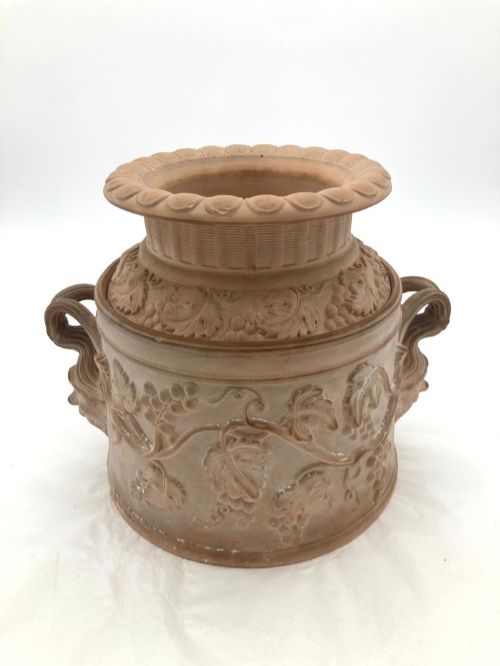
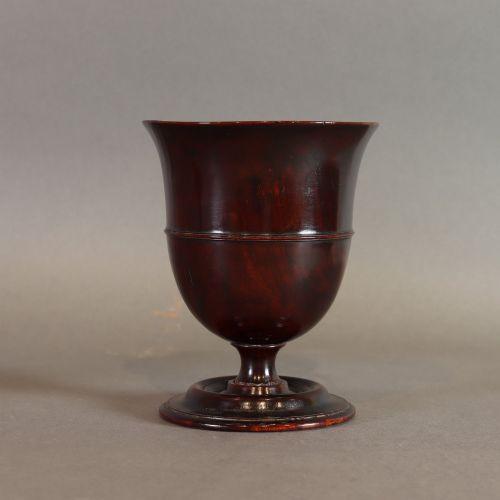
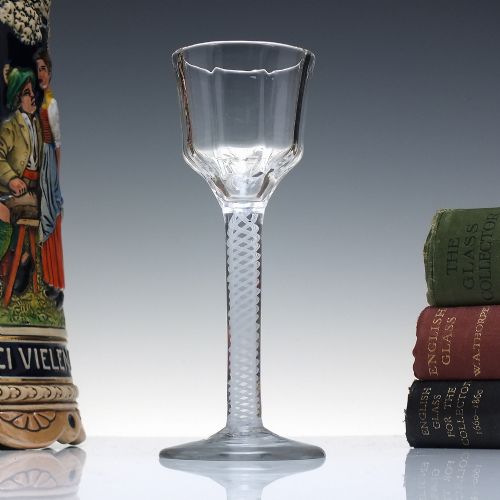
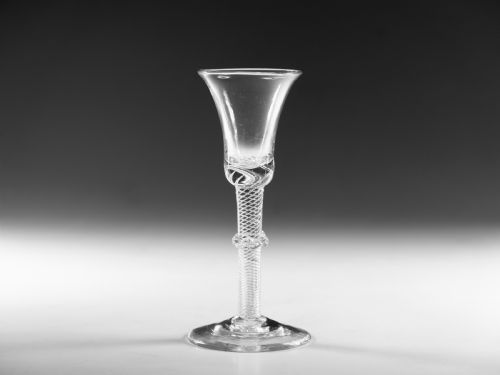
The most common forms on this page include lead glass wine glasses featuring air twist or opaque twist stems, alongside substantial glass bottles, decanters and terracotta or silver plate coolers. Origins lean heavily toward English and Irish manufacture, with occasional Scottish bottles and continental examples appearing in materials ranging from clear glass to lignum vitae and earthenware.
What separates the finest examples
Quality rests in the crispness of stem formations, the clarity and weight of the lead glass, and the restraint of any engraved decoration. Heavier metal vessels and ceramic coolers depend on the integrity of their casting and the preservation of their original surface texture.
Proportion and balance dictate the appeal of stemware, where folded feet, well-formed knops and complex twists indicate greater skill from the glasshouse. Wear patterns on the base of glass bottles and decanters confirm period handling without obscuring the original profile.
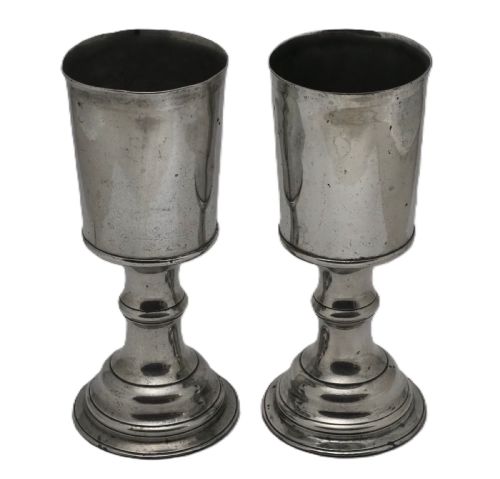
Current listings feature lead glass, terracotta, pewter and treen across eighteenth-century and nineteenth-century forms.
Davenport·Spode
The Georgian Wine Vessel Glossary
- Balustroid
- A drinking glass stem form that derives from architectural balusters, featuring nodes and knops above a conical foot. This profile is typical of mid-eighteenth-century English lead glass.
- Air twist
- A stem decoration formed by drawing out imprisoned air bubbles within the molten metal into spirals as the glass is pulled and twisted. It creates delicate internal threads visible through the clear glass.
- Opaque twist
- A stem created by inserting white or coloured enamel glass rods into the molten gather before drawing and twisting the glass. Single and double series refer to the complexity of these internal enamel threads.
- Rummer
- A capacious drinking glass popular for serving wine, ale or punch during the Georgian and Victorian periods. They typically feature thick walls and short stems on sturdy footed bases.
- Treen
- Small domestic objects made from wood, turned on a lathe or carved by hand. Examples include goblets and nutmeg graters shaped like bottles from dense hardwoods such as lignum vitae.
Georgian Wine Vessel: Frequently Asked Questions
Are these glasses safe for daily use?
While eighteenth-century lead glass and tavern rummers were designed for regular dining, historic pieces carry fragility risks from centuries of handling.
Many collectors prefer to display them or reserve them for occasional toasts rather than subjecting them to modern dishwasher cycles and daily wear.
How can I date an air twist glass?
Examine the bowl form, foot shape and the tightness of the internal spiral threads within the stem to determine the likely manufacturing decade.
Most genuine air twists date from the mid-eighteenth century, often displaying a comfortable weight and minor pontil marks on the underside of the foot.
What is the difference between a rummer and a wine glass?
Rummers are substantially larger and heavier drinking vessels designed for robust portions of wine or punch, featuring thicker walls and sturdier proportions.
Traditional wine glasses from the same era maintain finer bowls, more delicate stems with twists or balusters, and smaller capacities suited for sipping.