





Georgian Wine Glass Set
These georgian wine glass set pieces bring drinking vessels from earlier centuries straight to the modern table.
Georgian Wine Glass Set
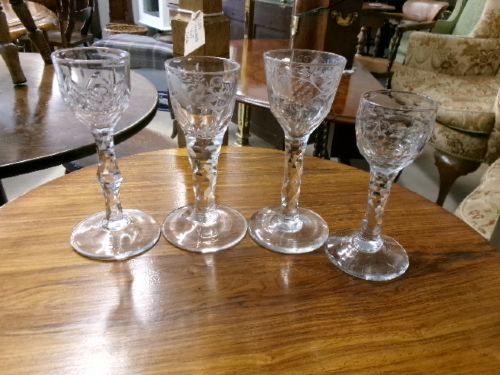
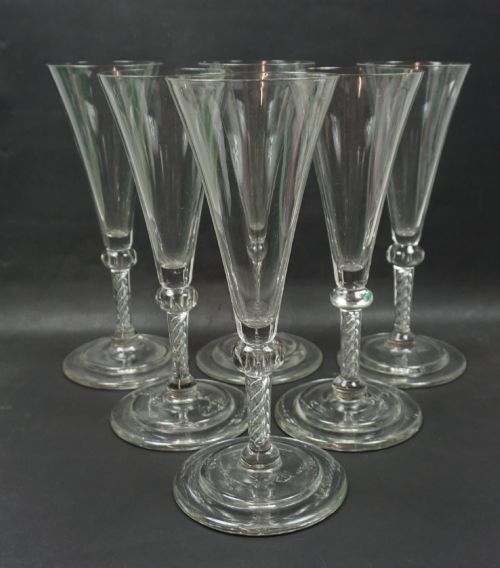
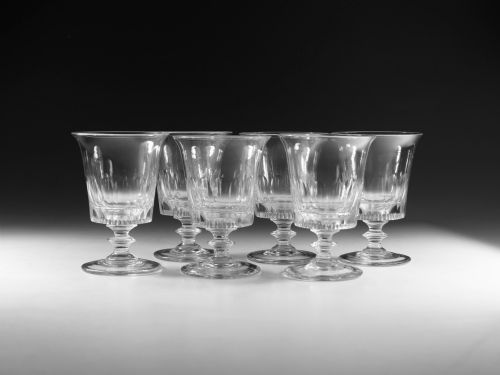
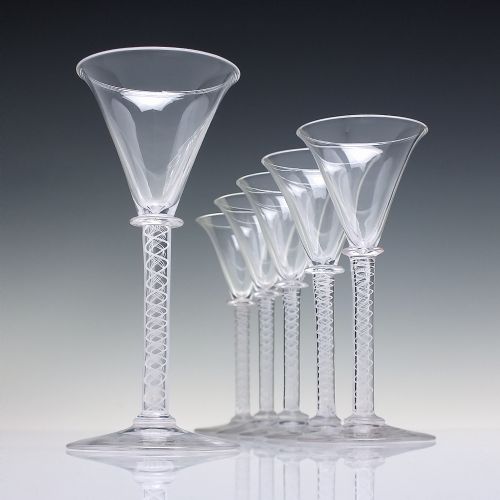
A georgian wine glass set comprises drinking vessels, rummers, and decanters originating from the Georgian period and related revival eras. Buyers encounter faceted stemmed glasses, tall wine flutes, and port glasses alongside decanters.
Most examples span the Georgian era and the nineteenth century, with occasional twentieth century revivals. Sets often contain four or six matching glasses featuring decorated bowls and wide foot bases.
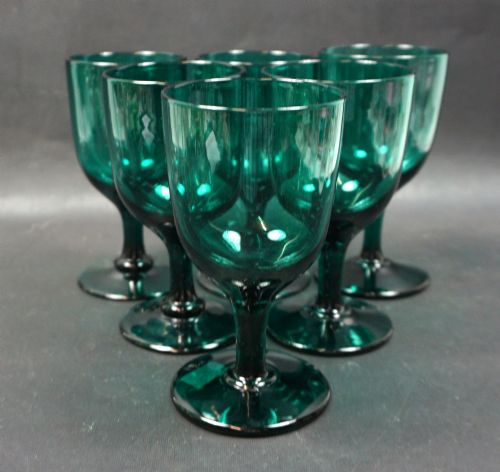
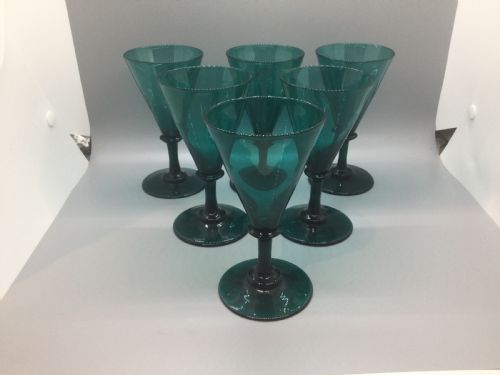
Coloured pieces in Bristol green and peacock blue sit beside clear lead crystal variations. Forms range from pan top rummers to square lemon squeezer feet types.
How they were made
These items utilise hand-blown and lead glass techniques to form clear and coloured vessels. Artisans shaped lead crystal and blown glass into distinctive stems and bowls.
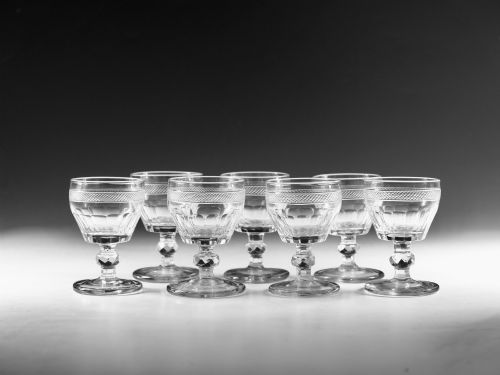
Makers applied cutting, engraving, and air twist methods to decorate the glass surfaces. Rummers and wine glasses display precise facet cutting and patterned bowls.
Georgian Wine Glass Set Retail Price Guide 2026
Typical asking prices for georgian wine glass set among the pieces listed under this phrase on Sellingantiques today, from the lower quarter to the upper quarter. They describe what is for sale here now, not the wider market.
Lemon squeezer feet let Victorian diners grip their drinks with the confidence of someone juicing citrus fruits.
What varies in quality
Quality rests in the crispness of the cutting and the purity of the metal. Superior examples display sharp facets and even wall thickness across the set.
The complexity of the stem formation influences value, from plain forms to air twist and opaque twist variations.
The Georgian Wine Glass Set Glossary
- Rummer
- A large heavy drinking glass popular for wine, ale, and spirits. These sturdy vessels often feature wide bowls and short stems.
- Air twist
- A decorative stem technique containing elongated bubbles spiralling down the glass. This method required skilled manipulation of the molten metal.
- Lemon squeezer foot
- A square pressed glass base with sloping sides resembling a kitchen juicer. Common on heavy rummers from the late eighteenth and early nineteenth centuries.
- Pan top
- A bowl shape with straight, slightly flaring sides resembling a cooking pan. This profile appears frequently on rummers.
- Bristol green
- A strong deep green shade characteristic of glassware produced in that region. The vibrant colour comes from metallic oxides added to the batch.
Georgian Wine Glass Set: Frequently Asked Questions
What is a rummer?
A rummer is a large, heavy drinking glass designed for wine, ale, or punch. They typically feature generous bowls and sturdy feet.
These pieces served everyday dining and tavern use during the Georgian and Victorian eras.
How many glasses are in a set?
Sets on this page commonly comprise four or six matching pieces. Surviving matched groups of this size are gathered for table use.
Individual pieces also appear grouped with decanters as a matched service.
Are these glasses safe to use?
These historical vessels are generally used for display or gentle dining rather than daily service. Hand washing protects the fragile lead glass and historic surfaces.
Sudden temperature changes should be avoided to prevent thermal shock to the material.
What colours do these glasses come in?
Clear lead crystal dominates, alongside distinctive coloured glass options. Bristol green and peacock blue are notable examples found in these listings.
Coloured variants often date from the late eighteenth and early nineteenth centuries.