


Georgian Water Jug
A georgian water jug brings the heavy metal and painted earthenware of the late eighteenth and early nineteenth centuries straight to the table.
Georgian Water Jug
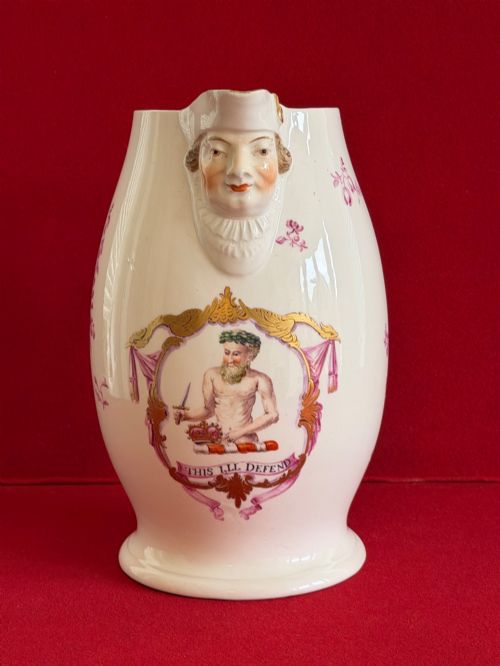
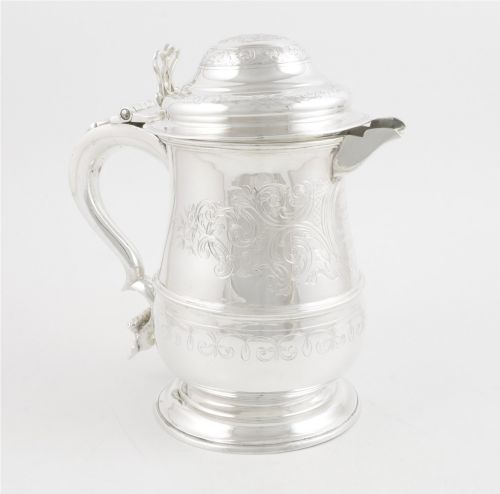
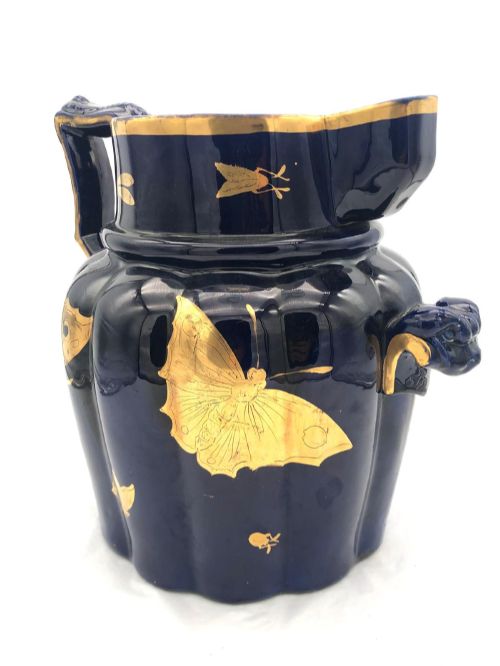
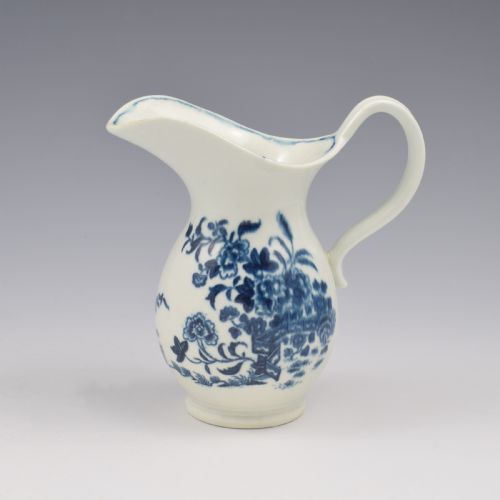
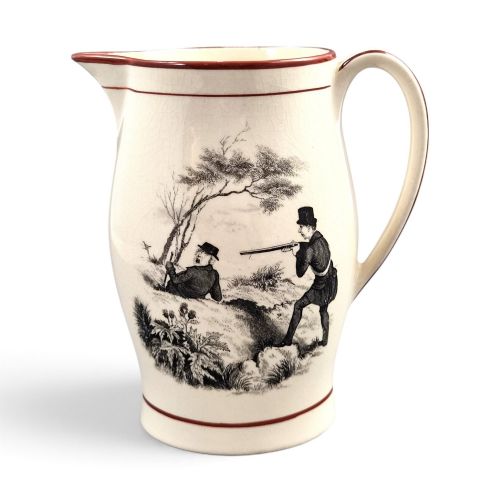
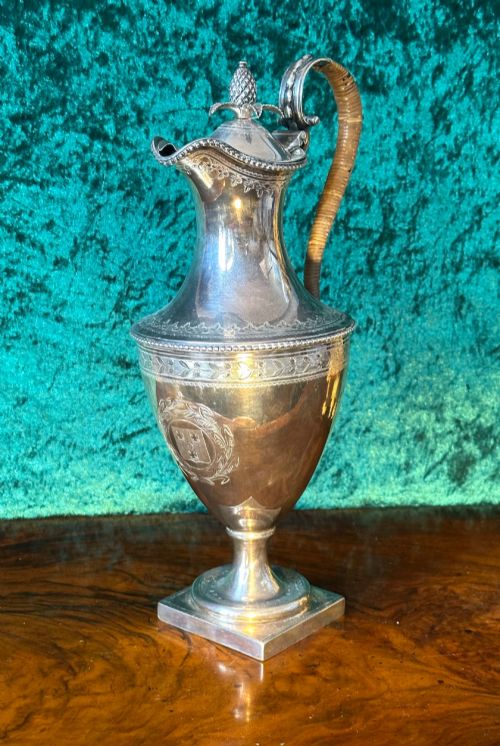
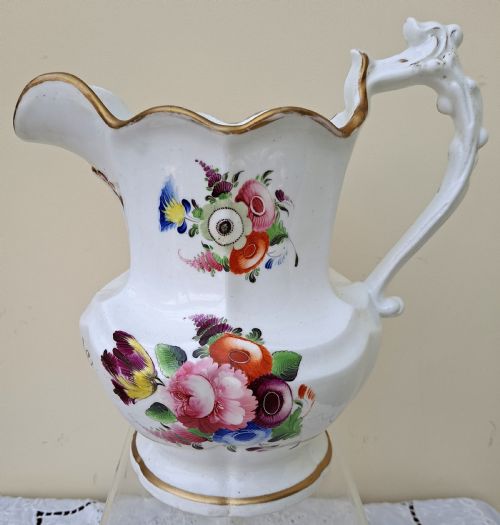
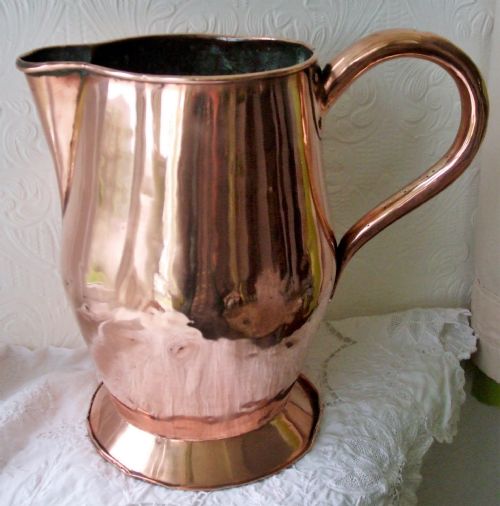
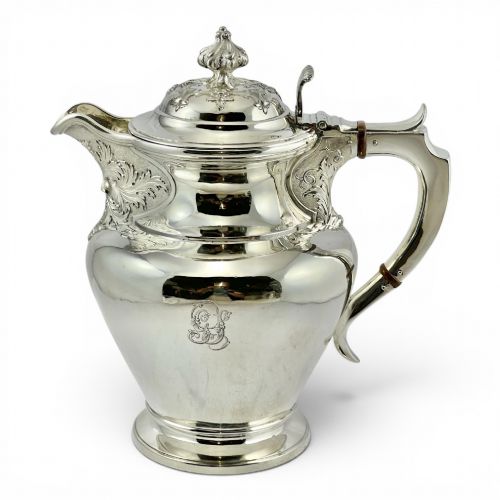
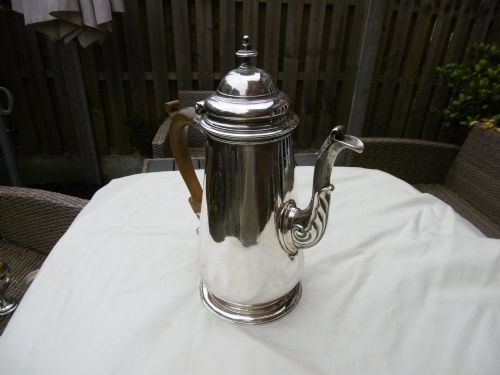
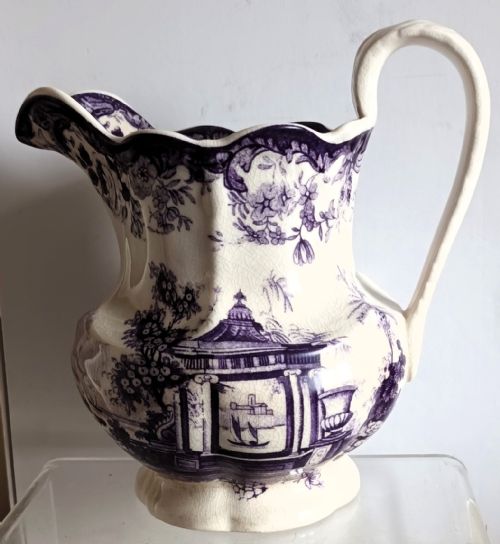
When you search for a georgian water jug, you encounter utilitarian serving vessels and decorative ewers made during the Georgian, Regency, and early Victorian eras. The selection spans robust copper vessels, fine porcelain milk jugs, transfer-printed earthenware pitchers, and silver or Old Sheffield plated serving pots.
The domestic forms range from large multi-pint ale and water containers down to smaller cream jugs and table pitchers. Stylistic influences traverse Neoclassical, Rococo, and Regency Chinoiserie aesthetics across pottery and metalwork.
Most examples hail from the late eighteenth century through to the 1830s, reflecting the dining and hospitality habits of the period. Earthenware, copper, and silver plate dominate the surviving pieces on offer.
Materials and construction methods
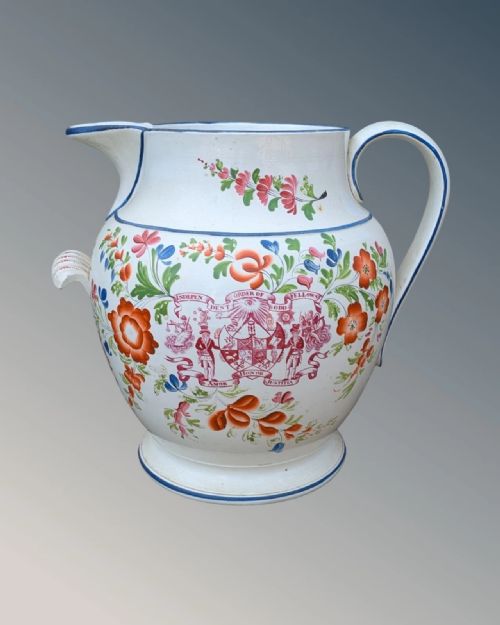
Metal vessels rely on heavy gauge copper, Old Sheffield plate, and sterling silver shaped by hand and soldered, with copper utilised for durable utility and silver or silver plate reserved for formal dining. Ceramic examples utilise porcelain, creamware, and ironstone, often decorated with transfer printing, pink lustre, or hand-painted armorial crests.
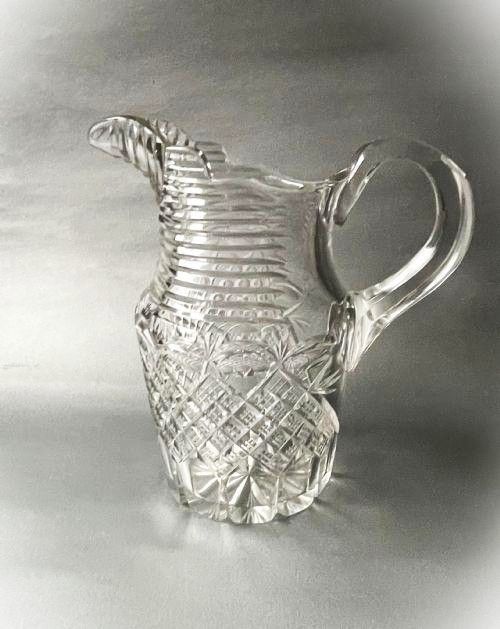
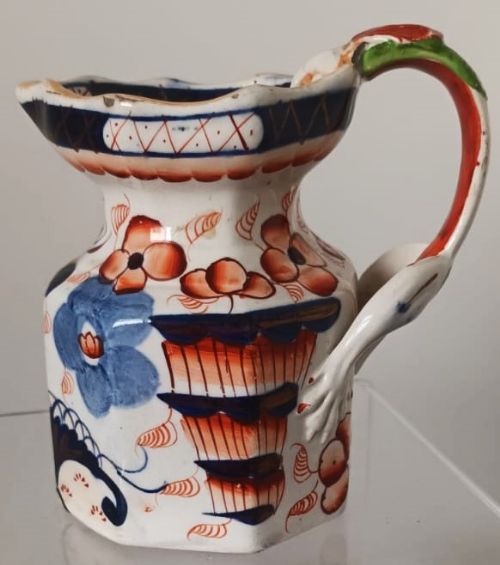
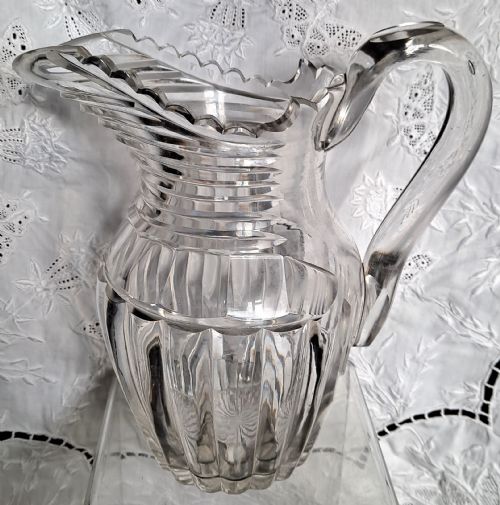
The techniques visible in the titles include cut glass manufacturing, relief moulding, and copperplate transfer printing on earthenware. Makers combined these structured manufacturing methods with hand finishing, resulting in sturdy handles, spouts, and mask heads.
Georgian Water Jug Retail Price Guide 2026
Typical asking prices for georgian water jug among the pieces listed under this phrase on Sellingantiques today, from the lower quarter to the upper quarter. They describe what is for sale here now, not the wider market.
Listings feature copper, wood, silver plate, earthenware, porcelain, sterling silver, glaze, and enamel across Georgian, Regency, and Victorian periods.
Differentiating quality levels
Quality rests upon the weight of the metal, the clarity of the cut glass, or the crispness of the ceramic transfer print and glaze. Heavier gauge copper and substantial silver plating distinguish higher grade utility pieces from thinner domestic wares.
Artistic execution on porcelain and creamware sets the finest examples apart, seen in detailed hand-painted views, armorial crests, and complex moulded forms like mask heads or gadrooned rims. The reputation of factories such as Worcester, Derby, and Mason's also dictates the standing of ceramic items.
Richard Gurney·Matthew Boulton·John Hoyland·Edward Power·John Baley
The Georgian Water Jug Glossary
- Old Sheffield Plate
- A composite material formed by fusing a thin sheet of silver to a thicker copper base. This technique creates items with the appearance of solid silver while retaining copper strength.
- Creamware
- A refined earthenware developed in Yorkshire featuring a pale cream-coloured glaze. It gained popularity for domestic tablewares throughout the Georgian period.
- Transfer-Printed
- A decoration technique where a design is engraved on a copper plate, inked, and transferred to paper before being applied to pottery. This allowed intricate patterns to be reproduced consistently on ceramics.
- Pearlware
- An earthenware body developed by Josiah Wedgwood that used a small amount of cobalt to give the glaze a slight bluish tint. It bridged the gap between creamware and later white ironstone.
- Ewer
- A large jug with a flared spout and a decorative handle, historically used for pouring water at the dining table or washstand. The form often incorporates Neoclassical styling.
Georgian Water Jug: Frequently Asked Questions
What were these jugs used for?
These vessels served various functions at the Georgian table, from carrying drinking water and ale to holding milk or coffee. Larger multi-gallon pieces managed heavy hospitality demands, whilst smaller ewers sat at the dining or washstand.
Their substantial capacities and robust materials suited active domestic service in large households and inns alike.
How do I tell copper from silver plate?
Copper jugs display a warm reddish-brown metallic tone, sometimes polished bright or showing a natural dark patina from age. Silver-plated items show a silver surface over a base metal.
Over time, wear on plated items may reveal the underlying pinkish copper core along high points and rims.
Are these ceramics dishwasher safe?
Historic earthenwares, creamwares, and soft-paste porcelains possess fragile glazes and bodies that cannot withstand modern machine washing. Hand cleaning in lukewarm water with mild soap is essential to preserve the glaze and transfer prints.
Thermal shock from hot water cycles can easily craze the old ceramic body or crack the glaze.
How do I date an 18th century jug?
Dating relies on stylistic markers such as Neoclassical shapes, specific transfer print patterns, and maker's marks or hallmarks on silver and Old Sheffield plate. Ceramic bodies also shift from creamware to pearlware and ironstone across the decades.
Comparing handles, spouts, and base formations against known factory timelines helps narrow the decade of production.