


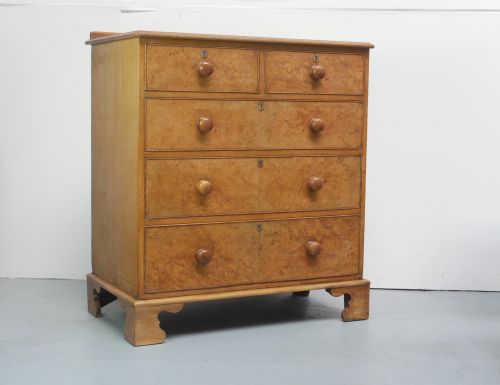


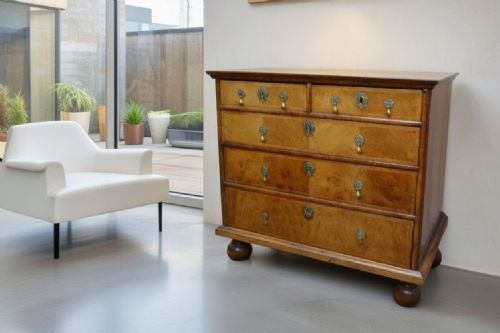
Georgian Veneer Storage Chest
A georgian veneer storage chest brings rich wood grain and classic proportions to a room, offering practical storage disguised as fine furniture.
Georgian Veneer Storage Chest
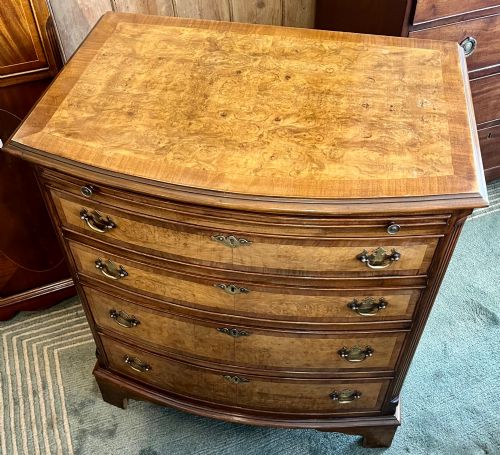
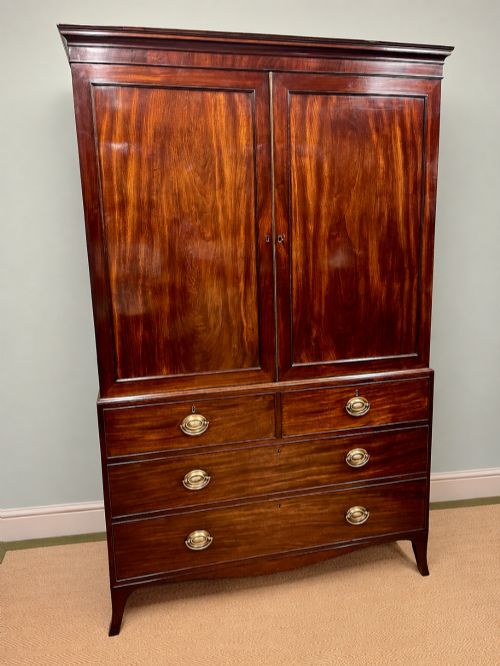
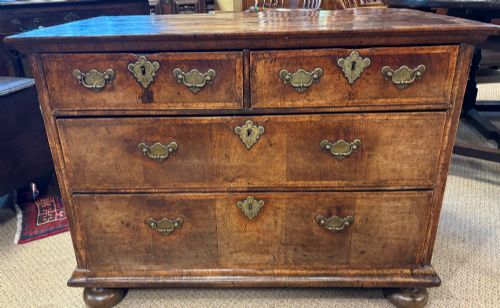
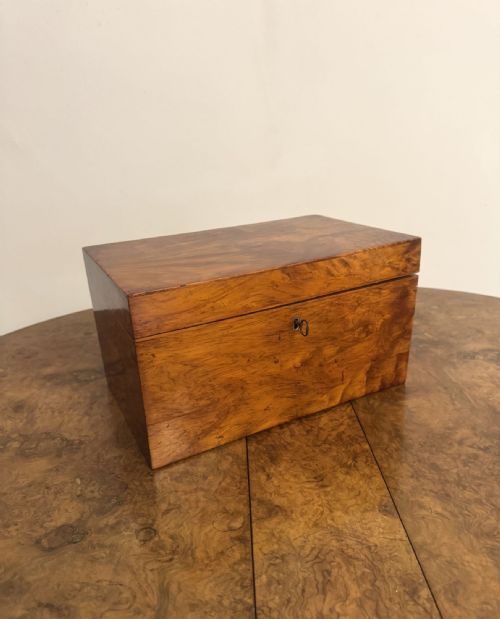
When you search for a georgian veneer storage chest, you encounter a selection of case furniture and smaller lidded boxes designed to hold household goods. The forms range from large linen presses and tall chests of drawers to compact tea caddies fashioned from decorative timbers.
The periods represented stretch across the eighteenth and nineteenth centuries, alongside later revivals, reflecting shifts in cabinet making from walnut to flame mahogany and exotic veneers. Most items you meet here are chests of drawers or tea caddies adhering to classic Georgian and Regency proportions.
Regional variations and continental pieces also appear alongside British examples, showing different approaches to surface decoration and internal compartment layout. Each object serves as a functional container while displaying the distinctive figuring characteristic of its period.
How they were made
Cabinet makers applied thin decorative wood veneers onto sturdier secondary timbers such as oak and mahogany to create striking patterned surfaces. Timber selection involved matching grains carefully across drawer fronts and lid panels to achieve symmetrical visual effects.
Elaborate surface patterns relied on specialised slicing methods that revealed natural burrs, curls, and growth rings within woods like walnut, ash, and mahogany. Brass hardware and occasional bone inlays completed the construction, securing lids and providing drawer pulls.
Georgian Veneer Storage Chest Retail Price Guide 2026
Typical asking prices for georgian veneer storage chest among the pieces listed under this phrase on Sellingantiques today, from the lower quarter to the upper quarter. They describe what is for sale here now, not the wider market.
Some tea caddies were designed with hidden locking mechanisms requiring a sequence of secret steps just to reach the loose leaf tea.
What varies in quality
The distinction between ordinary and exceptional examples rests on the choice of veneer and the skill with which the grain patterns are arranged. Superior pieces display continuous, highly figured timber across multiple drawers or lid surfaces without awkward interruptions.
Construction details such as drawer linings, dovetail joints, and the retention of original brass fittings dictate the integrity of the piece. Finer examples maintain the stability of their foundational timbers, allowing the decorative surface to age evenly.
The Georgian Veneer Storage Chest Glossary
- Veneer
- A thin layer of finely figured wood applied to a secondary timber base to create a decorative exterior surface. This technique allows cabinet makers to utilise expensive or striking grain patterns efficiently.
- Tea caddy
- A small box constructed to store tea leaves securely, often featuring internal lidded compartments and lockable lids. These containers were prized possessions in period homes.
- Linen press
- A tall storage piece combining upper cupboard doors enclosing sliding trays with lower drawers for clothing. They were essential bedroom furniture for storing household textiles.
- Oyster veneer
- Circular slices cut transversely from small branches or roots, creating distinctive swirling patterns resembling oyster shells. This decorative method was popular in the late seventeenth and early eighteenth centuries.
- Flame mahogany
- A tropical hardwood veneer exhibiting a flickering, flame-like grain pattern caused by divergent growth directions. It was heavily favoured during the Regency period for statement furniture.
Georgian Veneer Storage Chest: Frequently Asked Questions
What is a georgian veneer storage chest used for?
These pieces serve to organise garments, linens, or small valuables while adding decorative warmth to living spaces. Larger examples function as bedroom drawer units, whereas smaller caddies sit on tables to hold keepsakes.
Their sturdy construction and compartmentalised interiors make them practical for daily storage needs. They combine utility with prominent aesthetic appeal.
How do I identify a Regency period piece?
Regency items typically feature bold flame mahogany or rosewood veneers, often accompanied by classical architectural motifs and brass stringing. The proportions tend to be clean and structured, reflecting early nineteenth-century design tastes.
Examining the secondary timbers and construction methods helps confirm the era of manufacture. Hardware styles also offer strong clues to the date.
What woods were used for these chests?
Cabinet makers utilised mahogany, walnut, burr ash, and partridge wood for exterior decorative surfaces. Oak and pine frequently served as secondary framing materials for drawer carcases and internal dividers.
Exotic veneers like amboyna also appeared on luxury items such as tea caddies. The choice of timber usually reflects the fashion of the specific decade.
How should I care for antique veneer?
Keep wooden surfaces away from direct sunlight and extreme temperature fluctuations to prevent the adhesive beneath the veneer from failing. Maintaining stable indoor humidity preserves the structural integrity of the timber.
Dust gently with a dry cloth and apply appropriate wax sparingly to nourish the grain. Avoid excessive moisture during cleaning.