


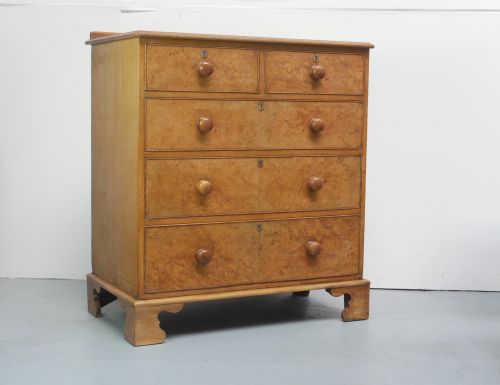


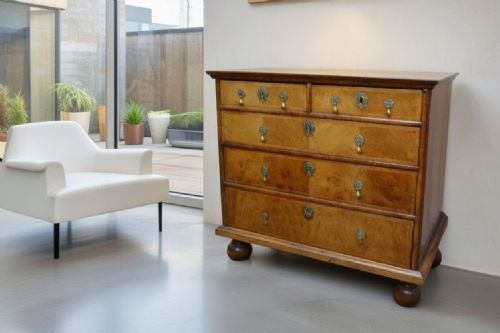
Georgian Veneer Chest
A georgian veneer chest brings warmth and rich grain to a room through centuries of cabinet-making skill.
Georgian Veneer Chest
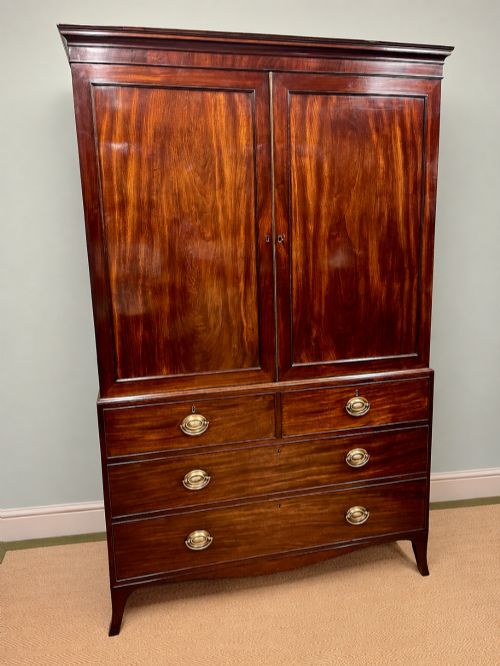
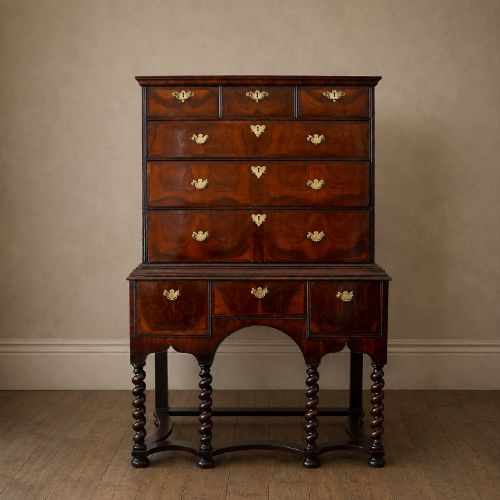
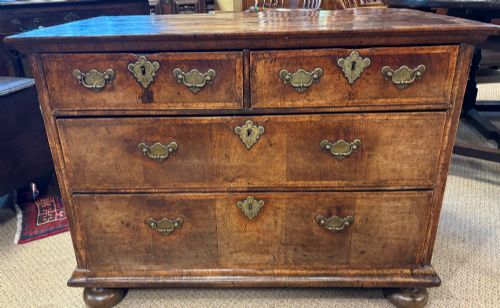
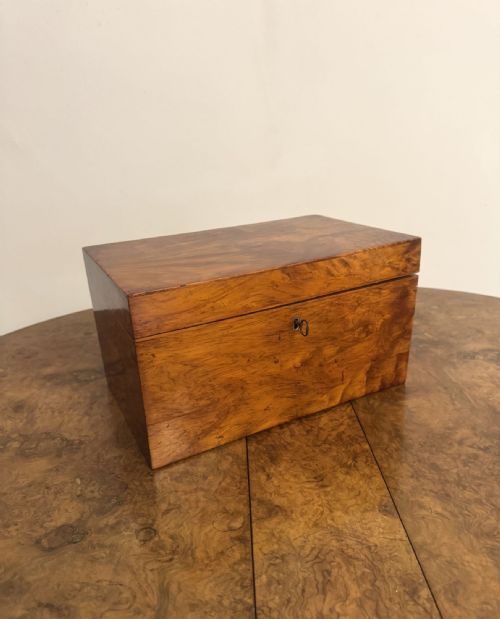
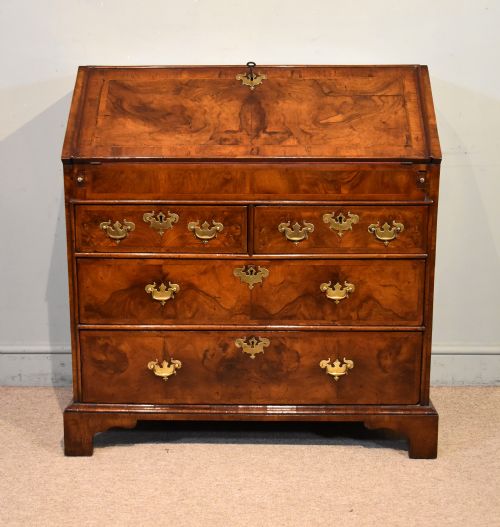
A georgian veneer chest encompasses pieces designed for storage, from grand chests of drawers and linen presses to smaller bureaus and tea caddies. These items date primarily from the eighteenth century and the Regency period, though later revivals also appear.
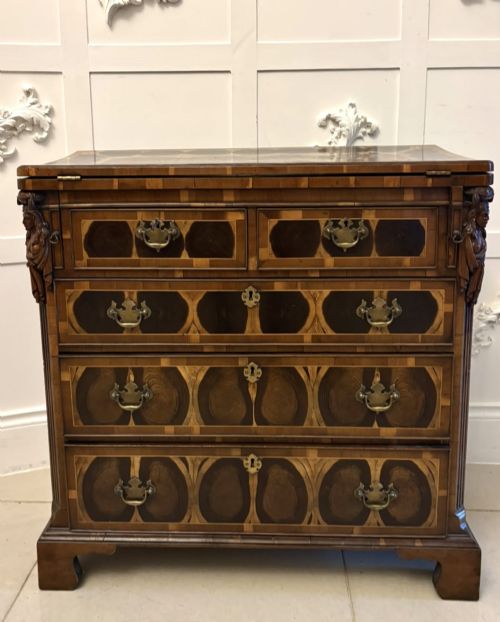
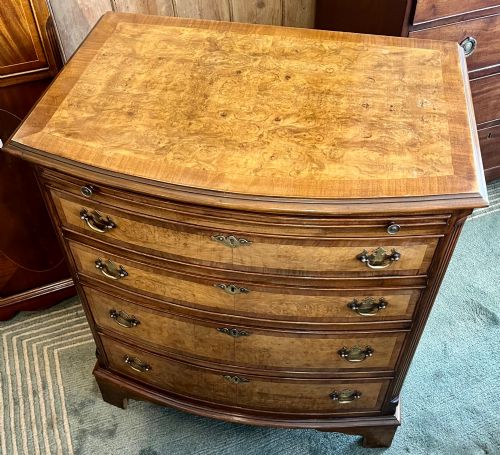
Makers utilised diverse timber grains to create visual depth on the front and top panels. Walnut and mahogany dominate the selection, often arranged in striking patterns.
Materials and construction methods
Cabinet-makers applied thin slices of decorative timber over a secondary wood carcass. Woods such as flame mahogany, walnut, and burr ash provided the striking exterior patterns.
Craftsmen enhanced these surfaces with inlay and banding using boxwood or bone. Brass hardware completed the construction, securing drawers and locking compartments.
Georgian Veneer Chest Retail Price Guide 2026
Typical asking prices for georgian veneer chest among the pieces listed under this phrase on Sellingantiques today, from the lower quarter to the upper quarter. They describe what is for sale here now, not the wider market.
Materials recorded across the inventory include walnut, mahogany, oak, boxwood, bone, and tortoise shell.
Distinctions in quality
The choice of veneer dictates the visual impact of the piece. Finer examples display symmetrical grain matching and carefully selected burr or oyster sections.
Construction details such as drawer linings, dovetail joints, and original brass fittings separate standard items from superior works. The handling of secondary woods also reveals the maker's competence.
The Georgian Veneer Chest Glossary
- Veneer
- A thin layer of figured wood applied to a primary carcass to provide a decorative surface. This technique allows craftsmen to display striking grain patterns that solid timber rarely yields.
- Oyster veneer
- Circular sections cut transversely from small branches or roots, creating concentric rings of grain. This method gained popularity during the late seventeenth and early eighteenth centuries.
- Featherbanding
- A type of inlay formed by cutting veneers diagonally and arranging them in a herringbone pattern. It frames drawer fronts and tabletops on finer pieces.
- Linen press
- A tall storage unit featuring upper sliding trays or shelves above a chest of drawers. Households used these to store folded garments and linens.
- Bureau
- A desk featuring a sloping writing flap that opens to reveal internal small drawers and pigeonholes. These often sit atop a chest of drawers base.
Georgian Veneer Chest: Frequently Asked Questions
How do I care for a veneered chest?
Keep the wood away from direct sunlight and steady humidity levels to prevent the thin timber layer from lifting. Apply a traditional wax polish occasionally to nourish the surface.
Avoid placing damp items or hot cups directly on the top surface. Gentle dusting with a dry cloth maintains the finish.
Are these chests suitable for daily use?
Most pieces remain sturdy enough to function as everyday storage for clothing or household items. Drawers should slide smoothly without excessive force.
Take care not to overload older drawer bottoms. Proper handling preserves the original timber and internal structure.
What is the difference between a chest on stand and a chest of drawers?
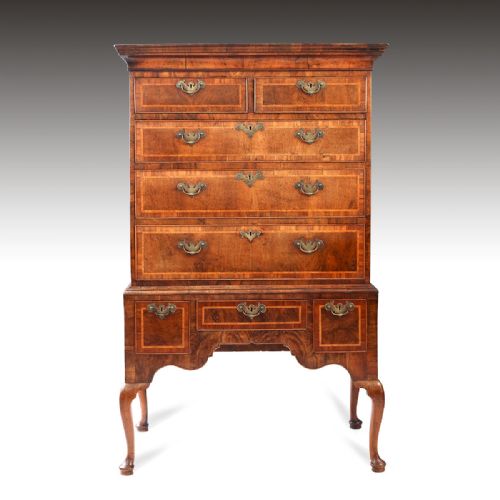
A chest on stand places the primary drawer section upon an elevated base with legs. This form lifts the storage higher and often dates to the early eighteenth century.
A standard chest of drawers sits directly on the floor on bracket feet or a plinth. Both designs offer generous internal capacity.
How do I identify walnut from mahogany pieces?
Walnut typically displays a richer brown tone with dark grain figuring, prominent in pieces from the early eighteenth century. It often includes burr or oyster patterns.
Mahogany exhibits a redder hue and became more common later in the eighteenth century. Flame mahogany variants show striking, flickering grain movement.