



Georgian Veneer Box
A georgian veneer box is a small timber vessel finished in fine grain, offering practical storage with a distinct tactile presence.
Georgian Veneer Box
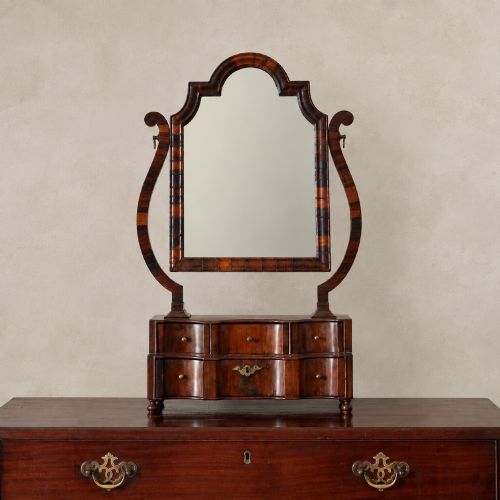
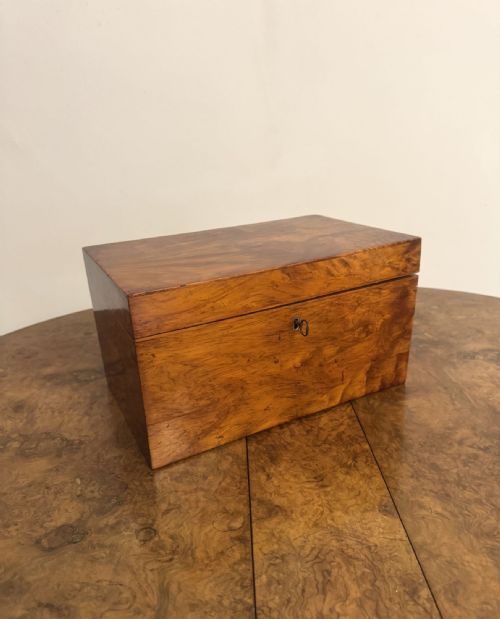
A georgian veneer box encompasses small storage vessels and decorative containers produced across the eighteenth and nineteenth centuries. These pieces typically take the form of tea caddies, games boxes, and toilet mirrors designed for domestic use.
Tea caddies dominate the available forms, ranging from simple mahogany containers to elaborate parquetry inlaid games boxes and burr thorn wood examples. Toilet mirrors with box bases also appear, combining functional glass with lidded storage compartments.
How they were made
Maker's workshops applied thin slices of decorative timber over solid foundation woods to create richly patterned exterior surfaces. Common surface treatments rely on walnut, mahogany, laburnum, and partridge wood veneers.
Internal and decorative detailing often incorporates contrasting elements such as brass hinges, bone inlay, and glass components. Parquetry techniques introduce geometric patterns through the precise arrangement of small wood veneers.
Tortoiseshell application requires careful mounting over a prepared backing, creating translucent surfaces with mottled amber and dark brown tones. Metal accents and escutcheons secure corners and provide functional keyholes for locking lids.
Georgian Veneer Box Retail Price Guide 2026
Typical asking prices for georgian veneer box among the pieces listed under this phrase on Sellingantiques today, from the lower quarter to the upper quarter. They describe what is for sale here now, not the wider market.
Listings span the eighteenth and nineteenth centuries, featuring periods from Queen Anne to Regency.
What varies in quality
The choice of veneer species dictates much of the visual impact, with burr timbers and highly figured grain patterns commanding greater visual interest. The precision of the parquetry inlay and the alignment of grain across lid joints reveal the maker's skill.
Original hardware such as brass escutcheons and internal fittings preserve the integrity of the piece. The survival of delicate materials like tortoiseshell and bone inlay in stable condition influences the overall character of the box.
The Georgian Veneer Box Glossary
- Veneer
- A thin layer of decorative timber applied to a solid wood base to produce patterned exterior surfaces.
- Parquetry
- A geometric mosaic of wood pieces used for decorative surfaces on boxes and games boards.
- Tea caddy
- A small container originally designed to store loose tea leaves securely under lock and key.
- Escutcheon
- A protective metal plate surrounding a keyhole that adds a decorative accent to the box front.
Georgian Veneer Box: Frequently Asked Questions
What is a georgian veneer box used for?
These boxes served primarily to store precious commodities like tea leaves in locked containers or to hold small personal items on dressing tables.
Modern buyers often place them on side tables or desks as decorative accents that provide enclosed storage for small trinkets.
How do I identify the wood species?
Examining the grain pattern, colour variation, and density helps distinguish between timbers like mahogany, walnut, and laburnum.
Consulting the listed period details alongside the visible grain structure offers reliable clues to the materials utilised.
What is parquetry inlay?
Parquetry involves arranging small geometric pieces of contrasting wood veneers to create patterned decorative surfaces.
This technique appears on games boxes and select containers to form striking visual borders and central motifs.
Are these boxes suitable for daily use?
While structurally sound, antique veneer boxes require gentle handling to preserve delicate surfaces, tortoiseshell, and historic finishes.
Keeping them away from direct sunlight and extreme humidity helps maintain the stability of the timber and the veneer.