




Georgian Tumbler
These georgian tumbler pieces range from glass drinking vessels to horn beakers, offering practical history for daily use.
Georgian Tumbler
A georgian tumbler brings drinking vessels and beakers into your home, spanning the eighteenth century and the Regency era. When you search for a georgian tumbler, you encounter items shaped by historical styles rather than a single standardised form.
The selections on this page feature glass drinking vessels alongside porcelain beakers, horn beakers, and silver examples. Glass pieces dominate the offerings, including hand-blown drinking glasses and heavier variants with folded feet.
Origins stretch across the eighteenth century, with several pieces carrying specific dates from that period into the nineteenth century. These items serve as drinking glasses, dram glasses, ale glasses, and decorative vases.
Materials and construction
Makers utilised lead glass, clear glass, lead crystal, and hand-blown glass to create these drinking vessels. Techniques involve hand-blowing and etching, while certain items incorporate gold leaf and enamel decoration.
Beyond glass, artisans worked with porcelain, silver, and horn. Horn examples demonstrate folk art traditions, and porcelain pieces utilise fine ceramic bodies painted or formed into lemonades and beakers.
Georgian Tumbler Retail Price Guide 2026
Typical asking prices for georgian tumbler among the pieces listed under this phrase on Sellingantiques today, from the lower quarter to the upper quarter. They describe what is for sale here now, not the wider market.
Quality factors in georgian tumbler pieces
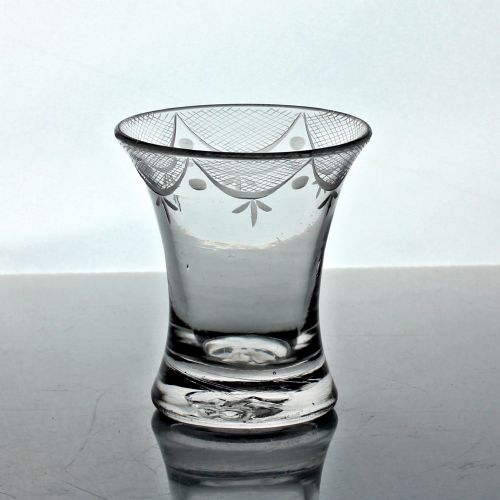
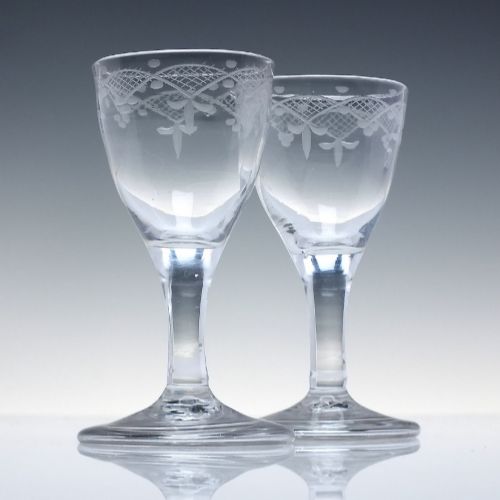
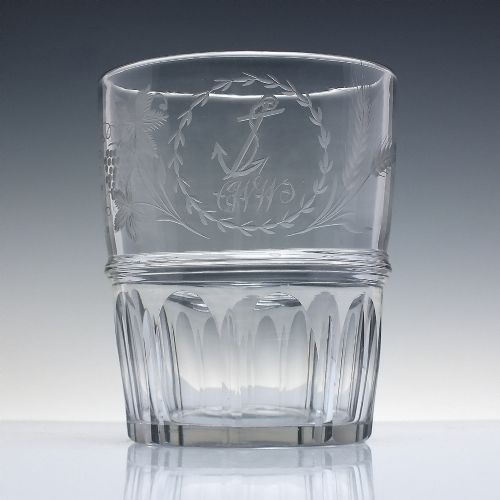
Quality rests in the execution of engraved motifs, such as swag and tail patterns or floral etchings on glass surfaces. Clear glass clarity and the weight of lead crystal differentiate standard production from finer examples.
The material choice introduces distinct quality tiers, separating delicate hand-blown glassware from robust horn beakers or solid silver vessels. Details like folded feet on dram glasses reflect the care taken during initial manufacture.
Derby Porcelain
The Georgian Tumbler Glossary
- Tumbler
- A flat-bottomed drinking vessel without a handle or stem. The name originally derived from a rounded base that tumbled upright, though later versions featured flat bases.
- Firing glass
- A heavy-footed drinking glass used in eighteenth-century toasts and lodge meetings. The thick base produced a loud thud when struck against a wooden table.
- Folded foot
- A rim on the base of a drinking glass formed by folding the hot glass back onto itself. This technique added stability and strength to the foot rim.
- Lead glass
- Glass containing lead oxide for increased weight, brilliance, and workability. It became the primary material for fine British drinking vessels during this era.
Georgian Tumbler: Frequently Asked Questions
What is a georgian tumbler?
A georgian tumbler is a drinking vessel from the eighteenth or early nineteenth century, typically featuring a flat base without a stem. These pieces include glass, porcelain, and horn formats.
They represent the domestic drinking habits of the period, used for water, spirits, and ale.
How were these vessels used?
These pieces served daily domestic functions as drinking glasses, dram glasses for whisky, and ale glasses. Heavier versions handled robust toasts in social gatherings.
Some variants, such as porcelain beakers or green glass vases, also functioned as decorative display items.
Can you use antique glass daily?
Using antique glassware requires careful handling, particularly with hand-blown lead glass or delicate etched items. Hand washing in warm water preserves the material integrity.
Many collectors choose to display these pieces rather than use them for routine dining.