



Georgian Transferware Serving Dish
A georgian transferware serving dish brings robust earthenware and detailed cobalt printing to the dining table, offering both decorative presence and practical utility.
Georgian Transferware Serving Dish
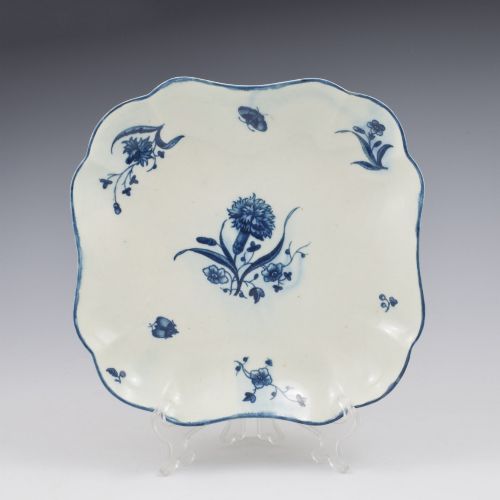
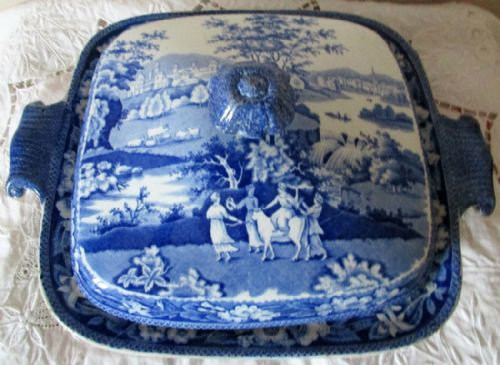
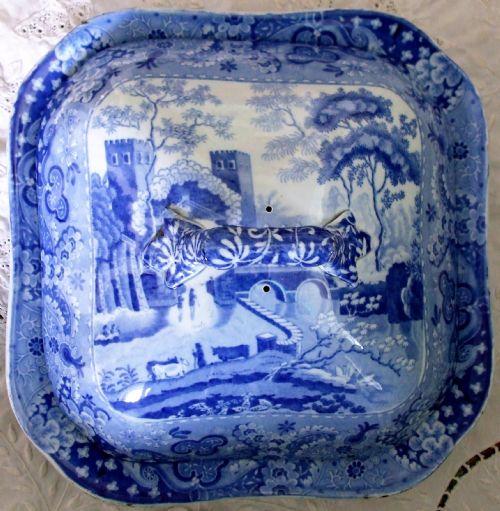
A georgian transferware serving dish encompasses large platters, meat dishes, vegetable tureens, and sauce tureen stands produced during the georgian and regency eras. These items display intricate blue and white patterns transferred onto ceramic surfaces from engraved copper plates.
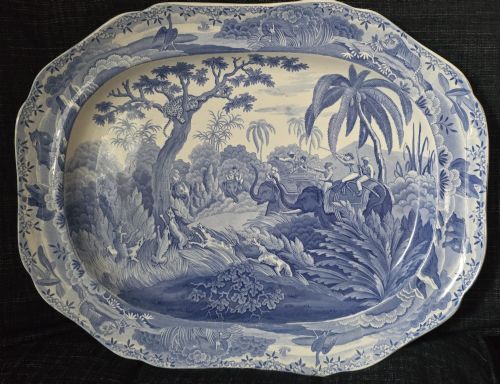
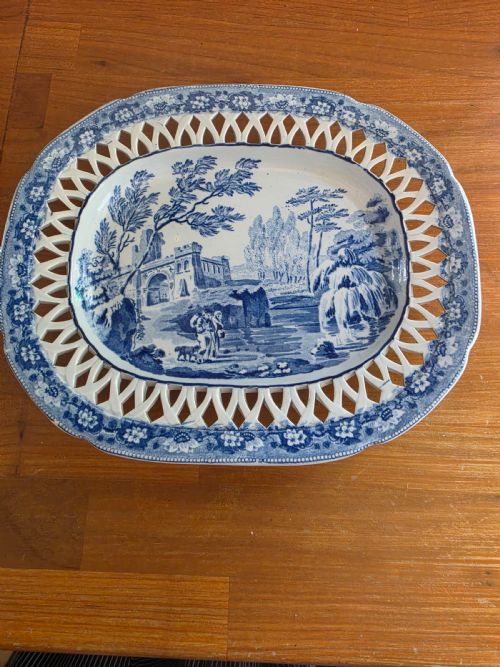
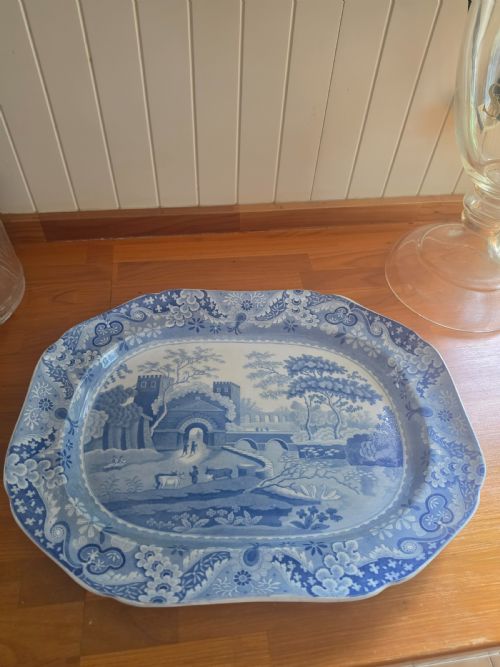
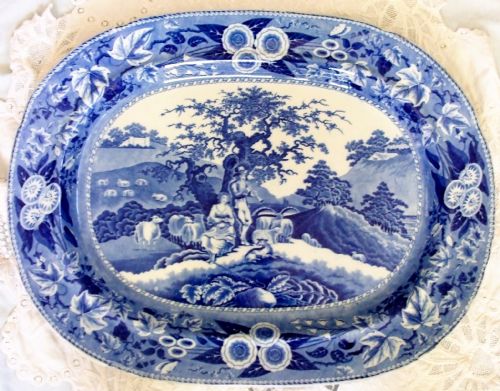
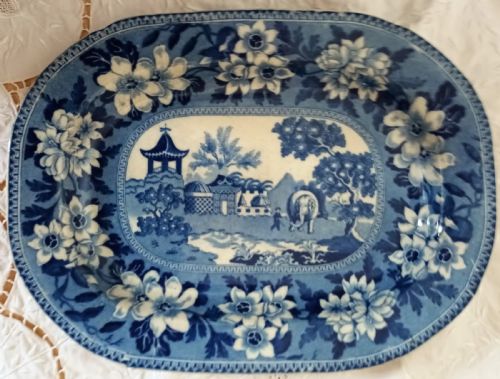
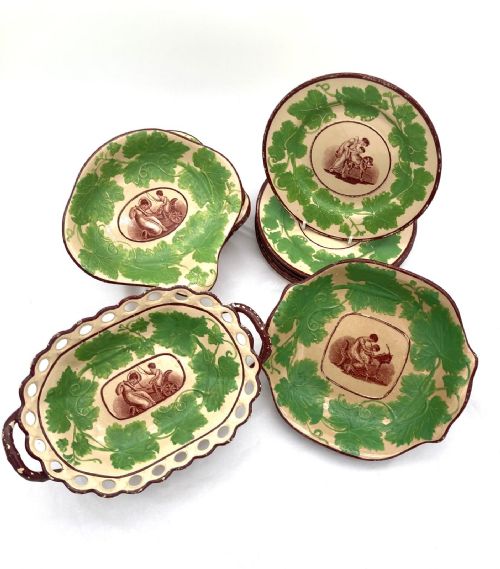
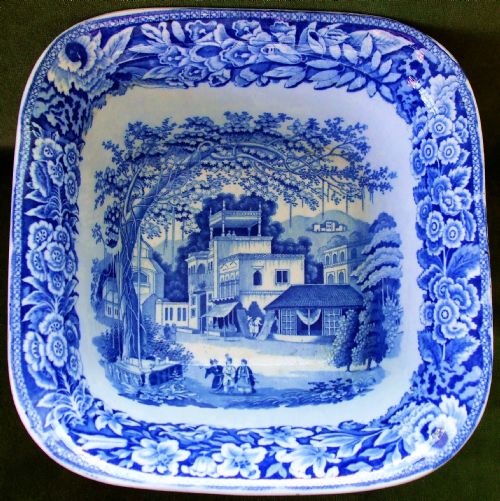
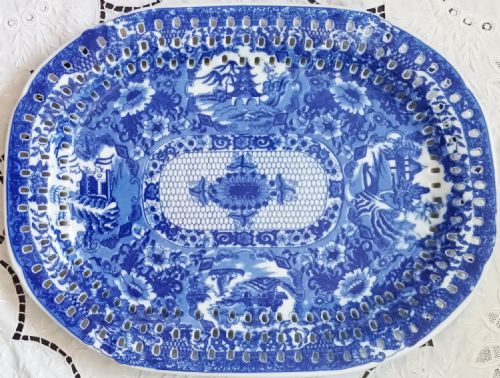
The selections available here rely heavily on early nineteenth-century production from Staffordshire potteries. Buyers will frequently encounter large meat platters, pierced trays, and covered tureens decorated with romantic ruins, classical scenes, or exotic animal motifs.
Materials and methods
Potters formed these pieces using refined earthenware and pearlware, applying a smooth lead glaze over the body to create a glossy surface. Cobalt pigment provided the rich blue colour for the printed designs.
Makers transferred the patterns onto the pottery using inked paper pulled from engraved copper plates before firing the wares in kilns. This transfer printing technique allowed for intricate detail across platters, tureens, and serving dishes.
Georgian Transferware Serving Dish Retail Price Guide 2026
Typical asking prices for georgian transferware serving dish among the pieces listed under this phrase on Sellingantiques today, from the lower quarter to the upper quarter. They describe what is for sale here now, not the wider market.
Expect wandering elephants, piping shepherds, and water dogs peering out from the cobalt glaze of these nineteenth-century dinner tables.
Assessing quality
Quality rests upon the clarity of the transfer print and the crispness of the engraved lines on the earthenware body. A well-printed dish displays sharp details in complex scenes like castles or eastern street views without blurring or smudging in the cobalt pigment.
The precision of the ceramic form itself, including balanced proportions on large meat platters and neatly pierced edges on strainers or bread stands, distinguishes the finer output from standard production.
Spode·Davenport·John Rogers and Son·J. and R. Riley·J. and R. Clews·Thomas Lakin·Mason·Don Pottery·Minton·Elkin Knight and Bridgwood
The Georgian Transferware Serving Dish Glossary
- Transferware
- Earthenware decorated by applying a printed paper design from an engraved copper plate onto the ceramic body. This technique revolutionised pottery production in the eighteenth and nineteenth centuries.
- Pearlware
- A refined type of earthenware with a bluish-white glaze that was developed to mimic porcelain. It forms the body of many early serving dishes and platters.
- Tureen
- A deep covered vessel used for serving soups, vegetables, or sauces at the table. These pieces often include matching stands.
- Drainer
- A perforated ceramic insert placed inside a meat platter to catch juices. They are frequently found in large serving dishes from the period.
- Cobalt pigment
- The metallic oxide used to create the deep blue colour in transfer printing. It withstands high kiln temperatures without losing its tone.
Georgian Transferware Serving Dish: Frequently Asked Questions
How were these serving dishes used originally?
These pieces served as functional tableware for presenting meats, vegetables, and sauces during substantial formal meals. Large platters often accommodated roasts alongside drainers to manage juices.
Tureens kept side dishes warm at the table, while specialised stands protected linens from heat and moisture.
Can I use these antiques for everyday dining?
While structurally sound, these nineteenth-century earthenware items require careful handling due to their age and historical glaze composition. Hand washing is essential to preserve the delicate cobalt decoration and ceramic body.
Many collectors prefer to use them for display or occasional serving rather than daily wear.
How do I distinguish between periods in these ceramics?
Objects from the early nineteenth century often utilise pearlware bodies with a characteristic bluish tinge beneath the glaze. Later pieces transition towards whiter earthenware pastes and different border patterns.
Maker marks and registration diamonds stamped on the reverse also help narrow down the production decade.
What subjects appear on these patterns?
Design themes draw heavily on romantic landscapes, classical ruins, topographical views, and whimsical motifs like elephants or exotic birds. Chinoiserie scenes and British castle patterns also prove extremely common.
Series prints often depict maritime battles, historical locations, or fictional pastoral settings popular with contemporary buyers.