
Georgian Tea Set
A georgian tea set brings centuries of social ritual and fine porcelain or silver to the table.
Georgian Tea Set
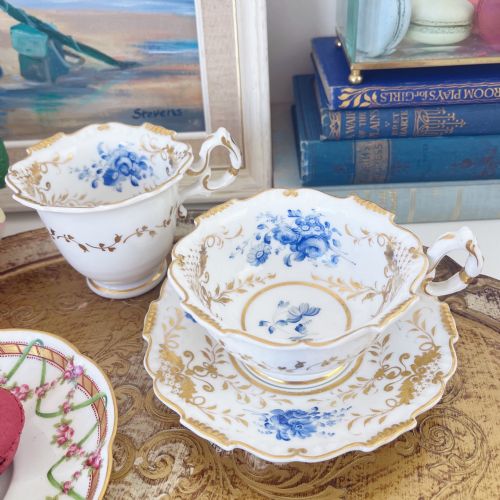
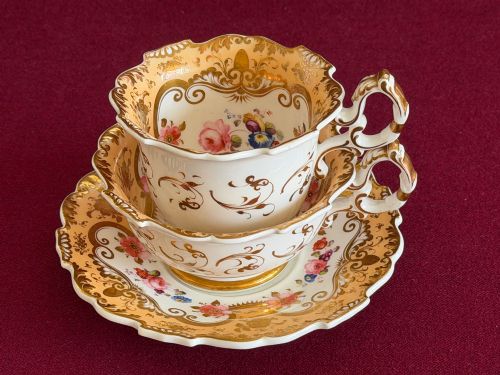
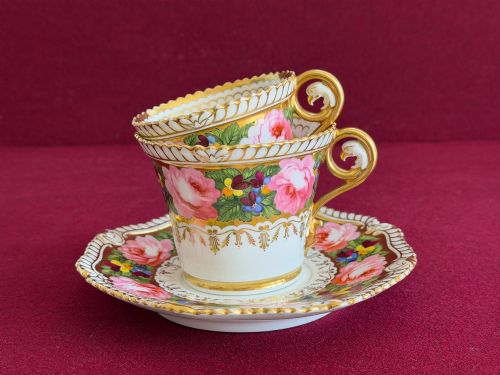
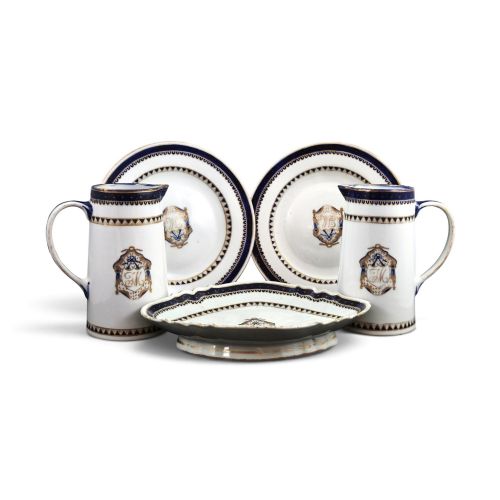
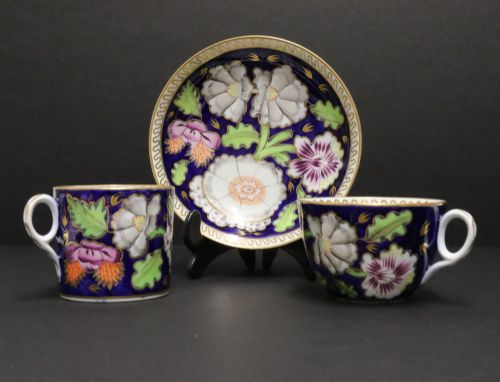
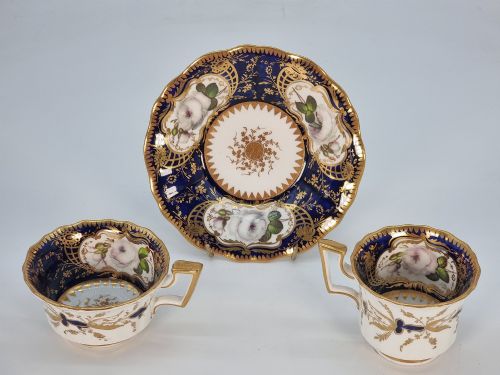
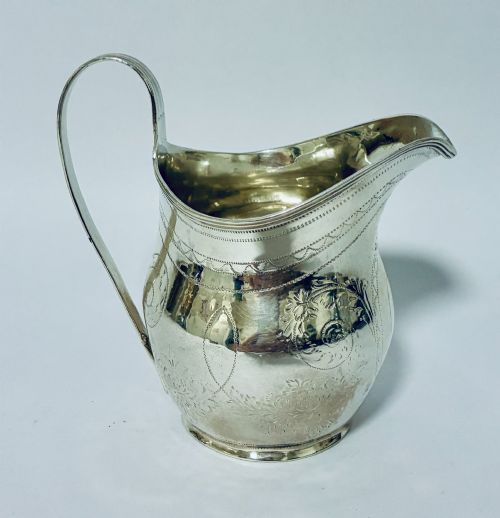
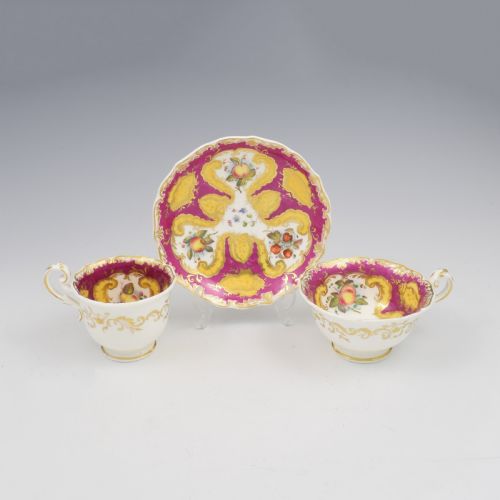
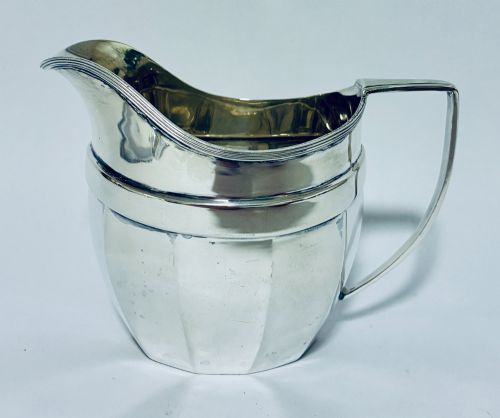
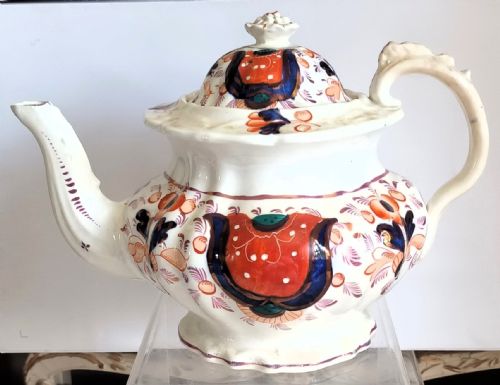
When you search for a georgian tea set, you enter a world of porcelain trios, silver cream jugs, teapots and matching spoons dating from the late eighteenth and early nineteenth centuries. These groupings reflect the domestic habits of the period, where tea drinking was a central social occasion demanding dedicated vessels.
How they were made
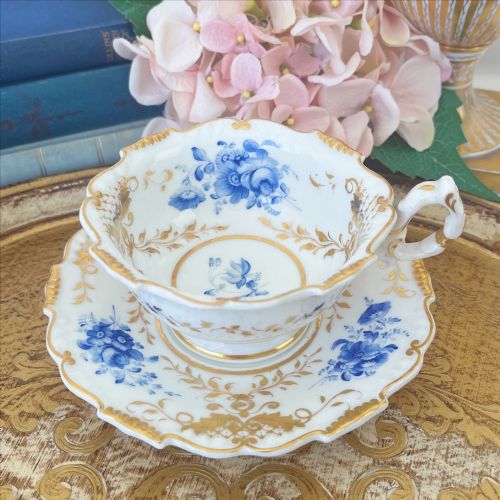
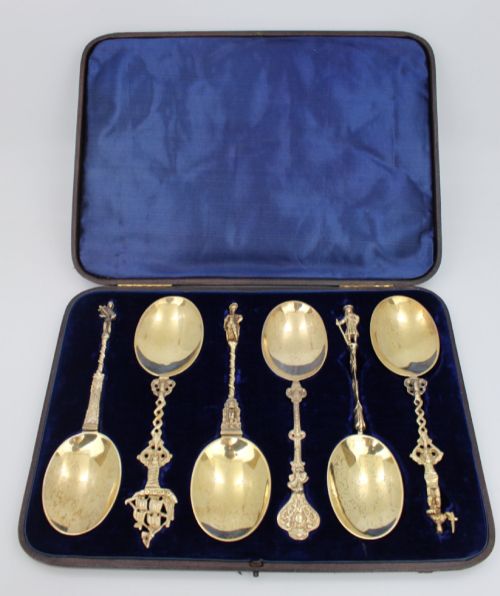
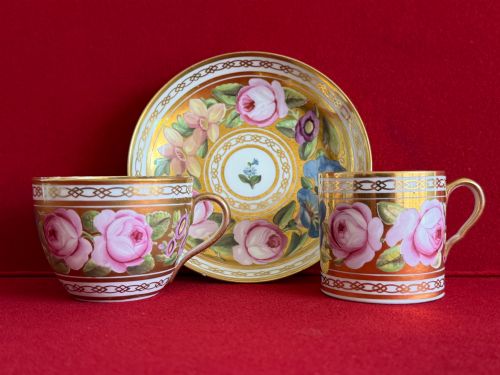
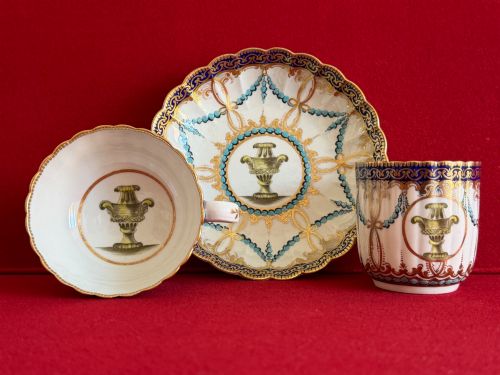
Makers of the period utilised bone china, soft-paste and hard-paste porcelain, shaping them by hand or mould before applying handpainted enamel details and gold leaf accents. Silver services and spoons were cast and wrought in sterling silver, often featuring intricate bright-cut engraving.
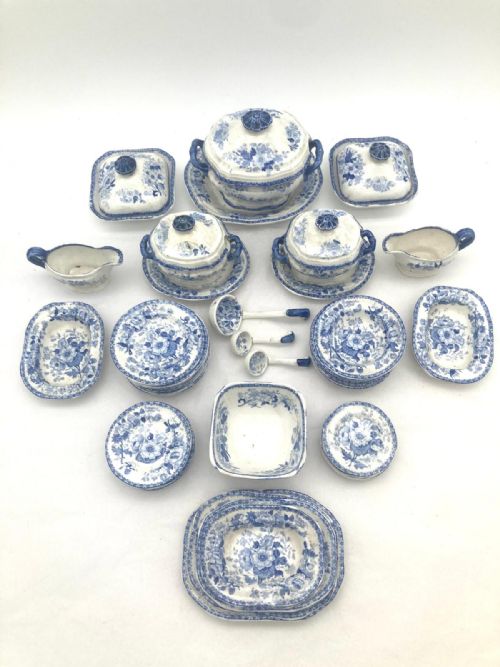
Transfer printing also allowed potteries to apply complex blue and white or polychrome floral sheets directly onto the ceramic surface before glazing and firing.
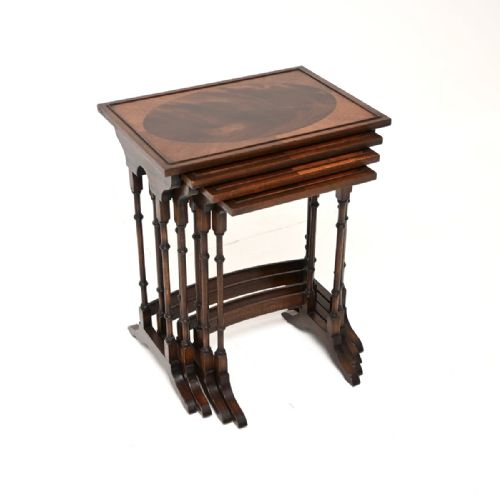
Listings feature porcelain, sterling silver, enamel and mahogany across Georgian, Regency and 19th Century periods.
What varies in quality
The standard of a georgian tea set rests on the crispness of the porcelain moulding and the precision of the handpainted or gilded decoration. Pieces with documented factory patterns and well-preserved hand-applied enamels represent the finer tier of manufacture.
In silver components, the weight of the metal, the clarity of the hallmarks and the sharpness of the bright-cut engraving distinguish standard domestic items from master-silversmith output.
Deakin and Francis·John Rose Coalport·Joseph Craddock·Benjamin Smith·Paul Storr
The Georgian Tea Set Glossary
- Trio
- A matched set comprising a teacup, a coffee cup and a saucer. These three pieces form the core of early nineteenth-century porcelain collections.
- Soft-paste porcelain
- An artificial porcelain body fired at lower temperatures than hard-paste, common in eighteenth-century English factories. It produces a warm, slightly translucent glaze.
- Silver-gilt
- Sterling silver that has been coated with a thin layer of gold. This technique provides the rich appearance of solid gold while utilising a silver base.
- Bright-cut engraving
- A surface decoration technique utilising faceted cuts that reflect light. It was widely used on silver spoons and teaware during the late eighteenth century.
Georgian Tea Set: Frequently Asked Questions
What is a porcelain trio?
A porcelain trio consists of a matching teacup, coffee cup and saucer produced by the same factory in the same pattern. They reflect the tea-drinking habits of the period when different cups were used for tea and coffee.
These sets were often displayed in cabinets when not in use for entertaining guests.
How do I care for antique porcelain?
Antique porcelain requires gentle hand washing in lukewarm water with mild soap. Avoid soaking pieces with delicate gold leaf or handpainted enamels.
Store them securely in cabinets away from direct sunlight to preserve the colours and glazes.
Are silver tea services safe to use?
Sterling silver tea services remain fully functional for serving hot water or tea. Regular polishing with a soft cloth keeps the metal bright without harming the hallmarks.
Ensure you wash silver gently by hand and dry it immediately after use.
How can I identify the period?
The period of a piece is identified through factory marks, ceramic bodies, stylistic shapes and silver hallmarks. Stylistic shifts from neoclassical restraint to Regency exuberance help narrow the date.
Comparing pattern numbers and glaze types against known factory records provides further accuracy.