


Georgian Tea Cup
A georgian tea cup brings the delicate artistry of the 18th and early 19th centuries directly to your table, offering a tangible link to historical dining habits.
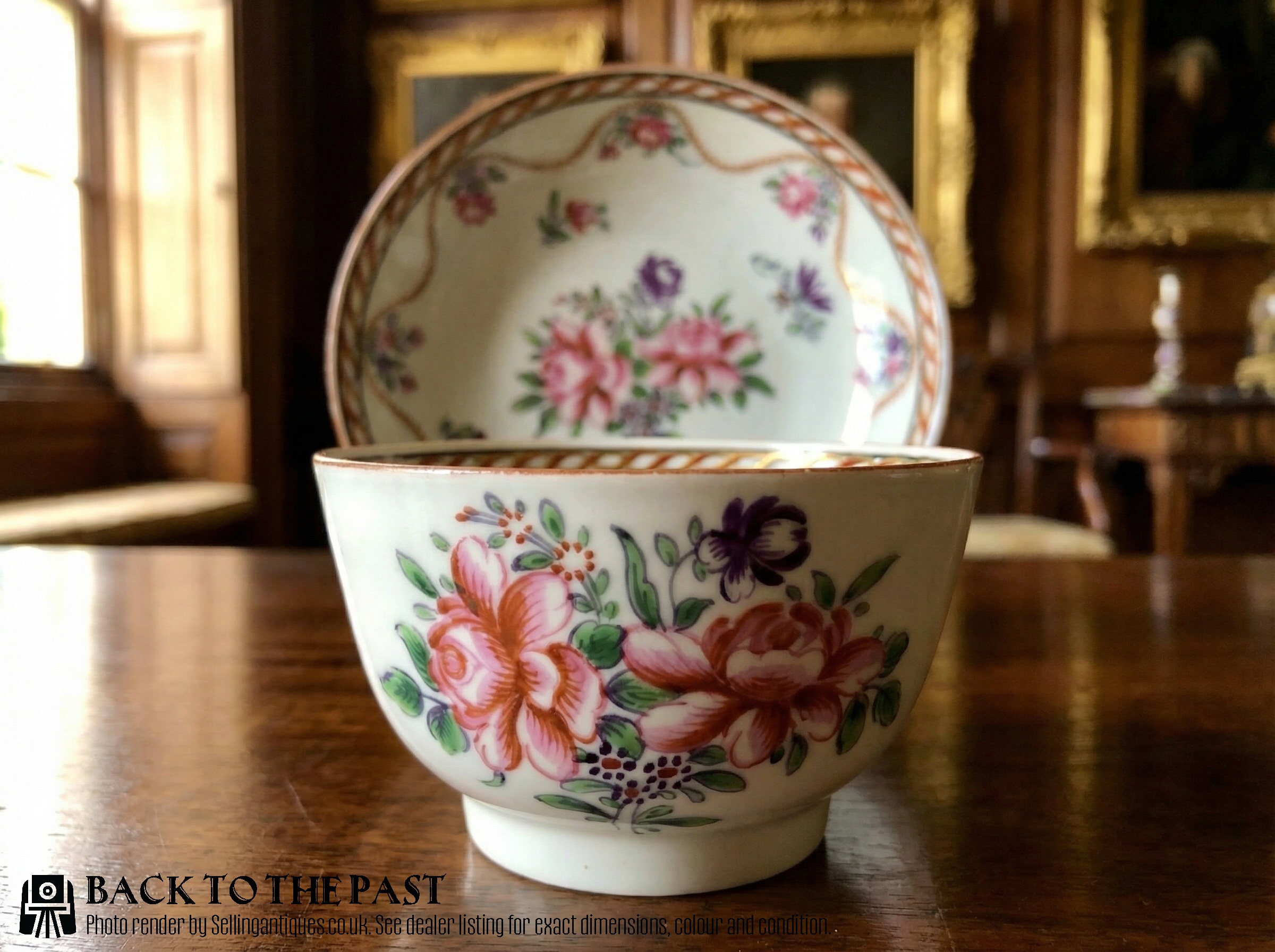
Georgian Tea Cup
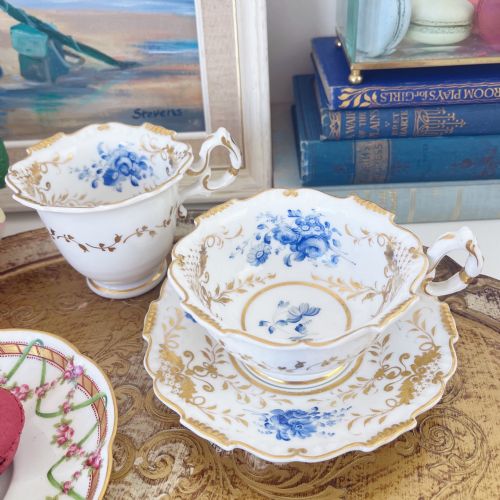
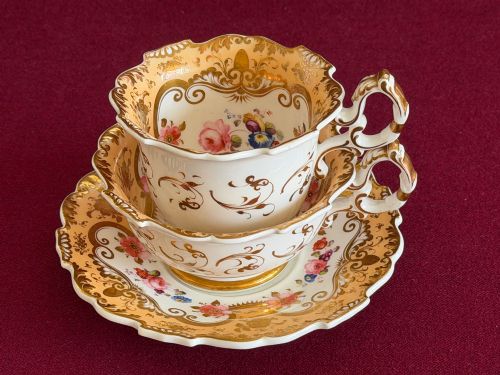
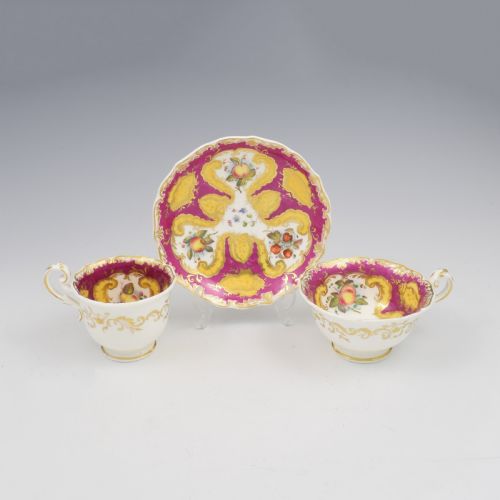
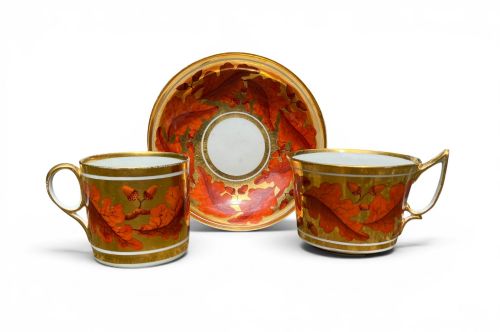
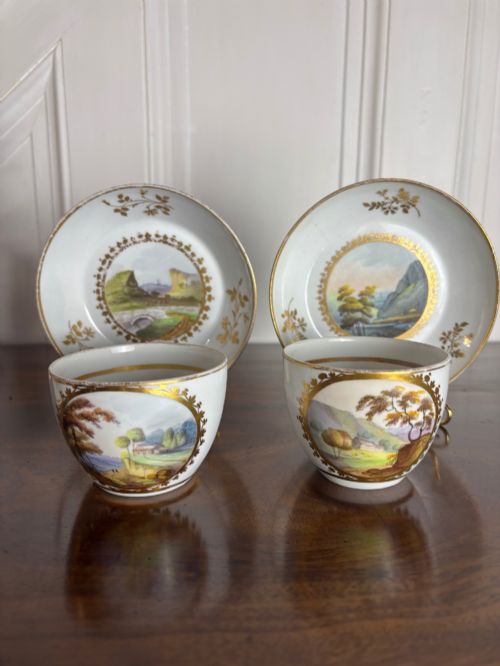
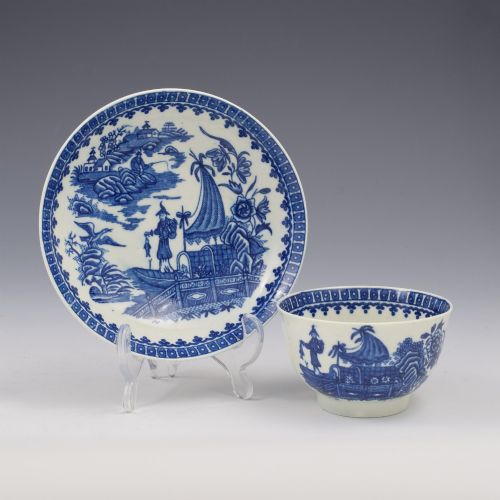
When searching for a georgian tea cup, collectors encounter an array of delicate ceramics produced across the 18th century, the Regency era, and into the early 19th century. These pieces encompass tea bowls, coffee cups, trios, and paired saucers designed for the consumption of hot beverages when tea was a costly luxury.
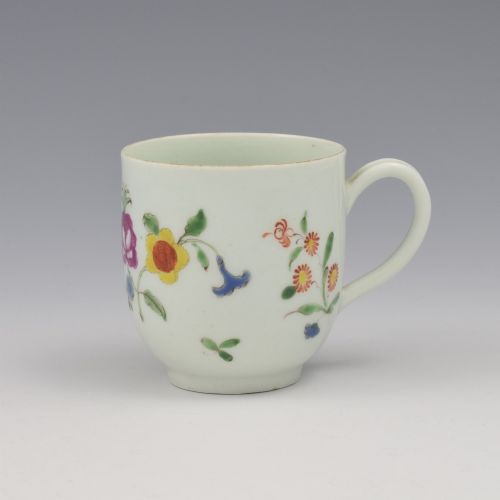
The selections available range from 18th-century porcelain tea bowls without handles to handled cabinet trios from the Regency period. Forms typically follow prevailing styles such as Georgian Neoclassical and Rococo, reflecting the shifting tastes of the period.
Originating from renowned English factories operating in Staffordshire, Worcester, Derby, and Liverpool, these items frequently appear as individual duos or complete trios comprising a tea cup, coffee cup, and saucer.
How they were made
Makers utilised soft-paste porcelain, bone china, and creamware pottery, shaping the body before applying handpainted pigments and rich gilding. Many early examples rely on soft-paste porcelain, which required careful firing techniques and yielded a warm, translucent body.
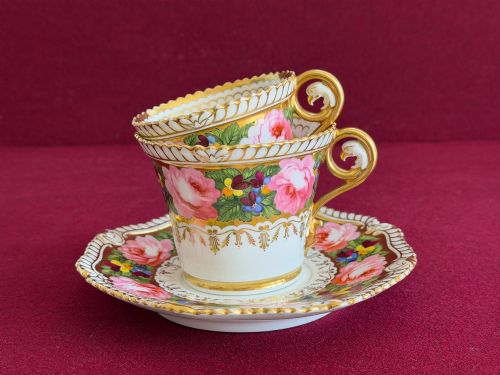
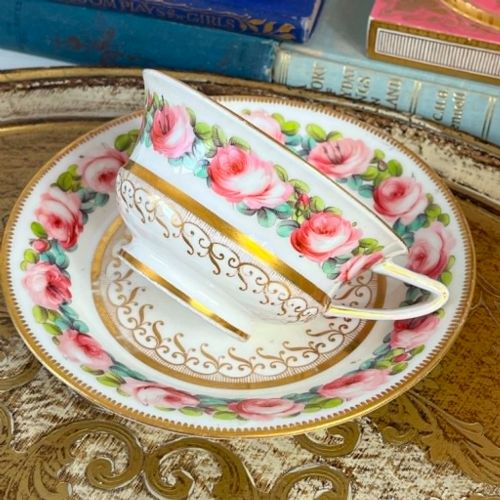
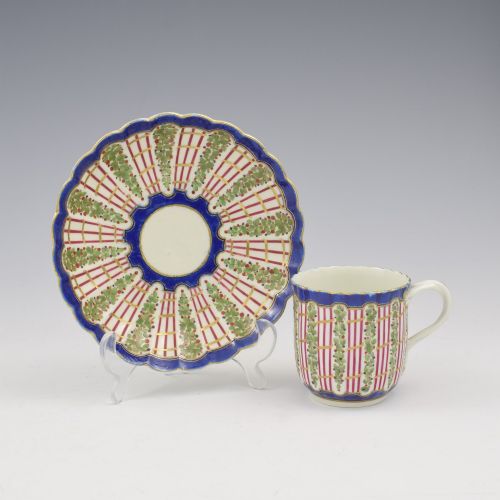
Decoration often combined intricate handpainted motifs, such as landscapes, flora, and exotic birds, with gold leaf accents and wet blue grounds. Skilled artisans executed these patterns by hand before subjecting the ceramics to subsequent kiln firings to set the enamels and gold leaf.
Some early cups proudly display the "Crazy Cow" or "Bengal Tiger" pattern to satisfy Georgian tastes for the exotic.
What varies in quality
The distinction between standard domestic wares and top-tier cabinet pieces lies in the complexity of the handpainting and the precision of the gilding. Items originating from prestigious periods, such as the First Period Worcester or specific named factory eras, command greater attention from collectors due to superior artistic execution.
Quality also manifests in the translucency of the porcelain body and the preservation of delicate enamel colours and gold leaf highlights. Pieces that retain crisp painted details without rubbing to the gilding demonstrate higher manufacturing standards and careful preservation over the centuries.
H & R Daniel·Chamberlain Worcester·Richard Chaffers·Newhall Porcelain·Coalport John Rose·Minton·Flight Barr And Barr·Derby·Hicks Meigh And Johnson·Spode·Lowestoft Porcelain·Robert Browne·Ridgeway
The Georgian Tea Cup Glossary
- Tea bowl
- A handleless vessel used for drinking tea during the 18th century, modelled on Chinese imports of the period.
- Trio
- A matched set consisting of a tea cup, a coffee cup, and a saucer, popular during the Regency period.
- Soft-paste porcelain
- An artificial ceramic paste composed of white clay and glass frit, fired at lower temperatures than hard-paste porcelain.
- Gilding
- The application of gold leaf or powdered gold to ceramic surfaces for decorative trim and highlights.
- Cabinet piece
- An ornamental ceramic item intended for display in a glass-fronted cabinet rather than everyday use.
Georgian Tea Cup: Frequently Asked Questions
What is the difference between a tea bowl and a tea cup?
Tea bowls are small, handleless vessels derived from early Chinese ceramic imports that were standard during the 18th century. Tea cups featuring applied handles emerged later as European manufacturing techniques and drinking habits evolved.
Collectors often find tea bowls paired with matching saucers in earlier eighteenth-century listings, while handled cups become more common by the Regency period.
How do I identify a Regency period cup?
Regency pieces typically display sharper neoclassical forms, bolder handpainted colour palettes, and generous applications of gold leaf. Factory marks, pattern numbers, and specific shapes often help narrow the production date to the early 19th century.
Many pieces from this era also include a coffee cup alongside the tea cup and saucer to form a complete trio set.
Can I use antique porcelain for daily tea drinking?
Most collectors advise against using 18th-century and Regency ceramics for daily dining due to the delicate nature of soft-paste porcelain and fragile handpainted enamels. Thermal shock and modern dishwashers can easily damage the historic glaze and gold leaf.
These fragile items are best preserved for display cabinet use or handled with extreme care during occasional special viewings.
What does a cabinet trio include?
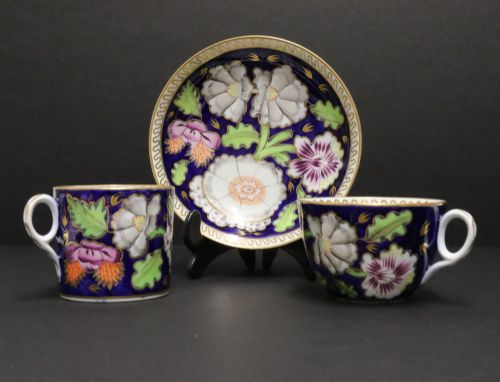
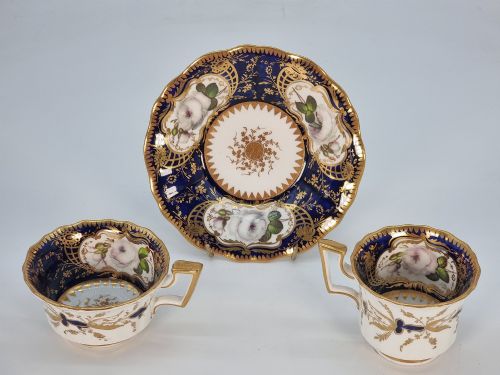
A cabinet trio consists of a matching tea cup, coffee cup, and saucer produced by the same factory in a uniform pattern. These sets were designed primarily for ornamental display in a drawing room cabinet rather than active service.
They showcase the full decorative capacity of factories such as Spode, Coalport, and Worcester through extensive gilding and detailed handpainted scenes.