

Georgian Tea and Coffee
Georgian tea and coffee pieces bring together the domestic silver, porcelain and mahogany tables that shaped the social rituals of the period.
Georgian Tea and Coffee
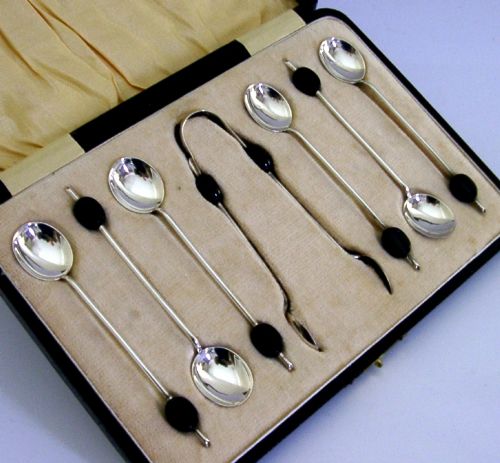
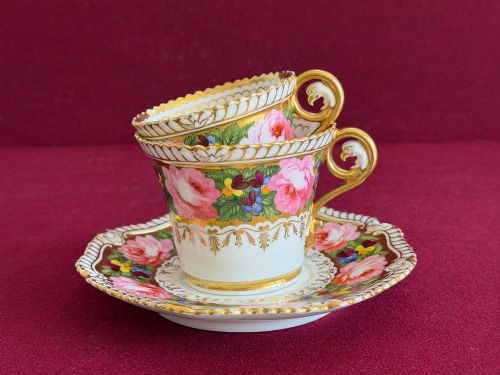
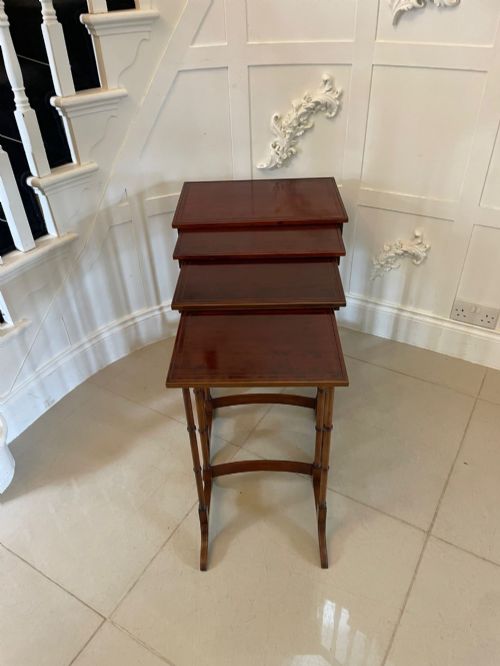
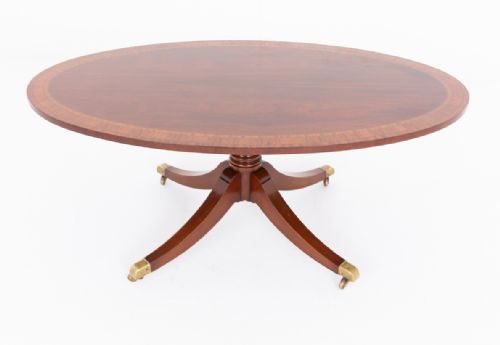
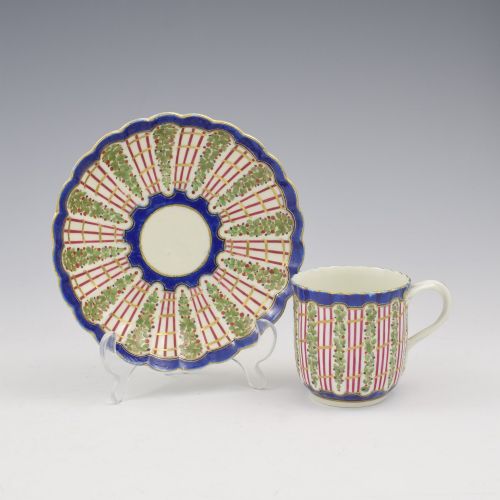
Georgian tea and coffee items encompass a diverse range of objects, spanning sterling silver pots, porcelain trios and mahogany tray tables. You will encounter utilitarian serving vessels alongside low occasional tables designed to hold them.
The material record includes sterling silver, Old Sheffield plate, porcelain and timbers such as mahogany and walnut. These forms reflect the rising importance of social beverage consumption from the eighteenth century onward.
While the search phrase suggests the primary functional forms, listings frequently feature later adaptations and revivals alongside pieces produced during the eighteenth and nineteenth centuries.
Materials and construction
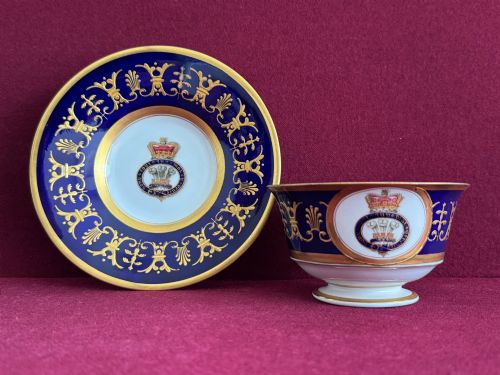
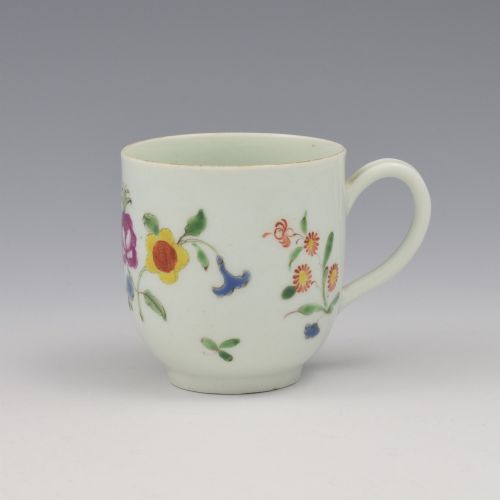
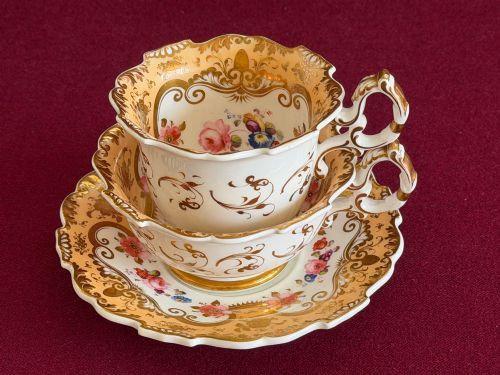
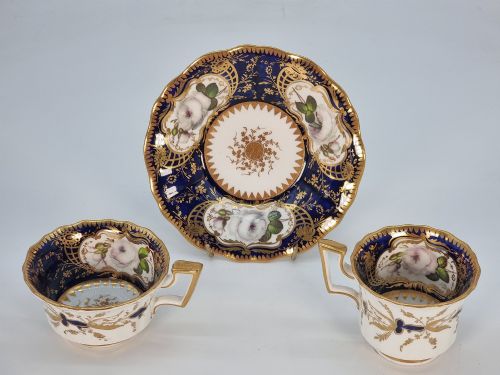
Silversmiths shaped sterling silver and Old Sheffield plate into coffee pots and urns, while porcelain factories formed teacups, saucers and trios using fine clay bodies.
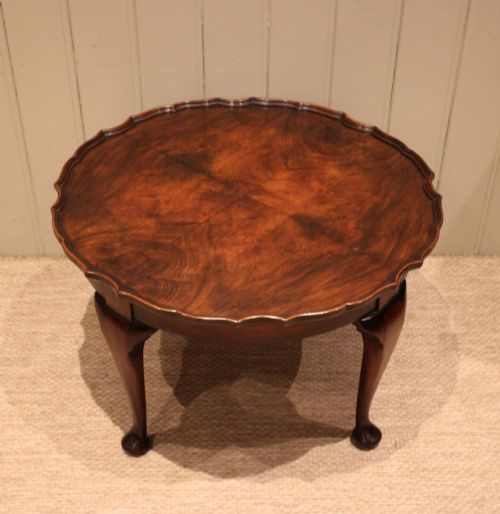
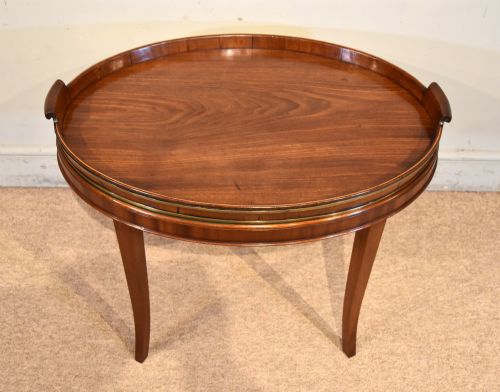
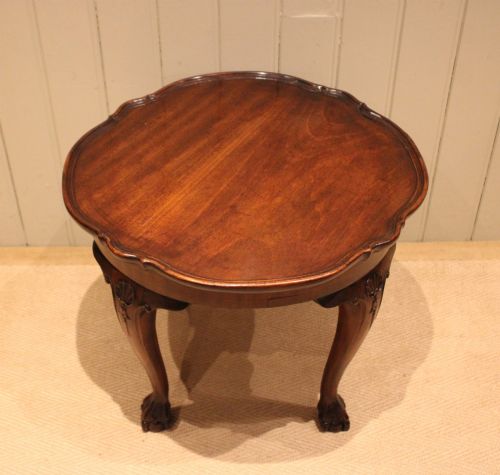
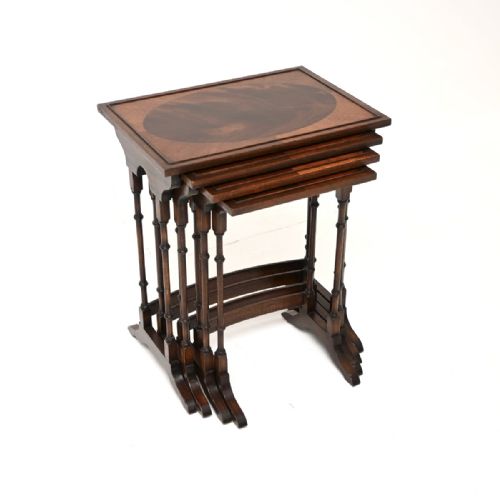
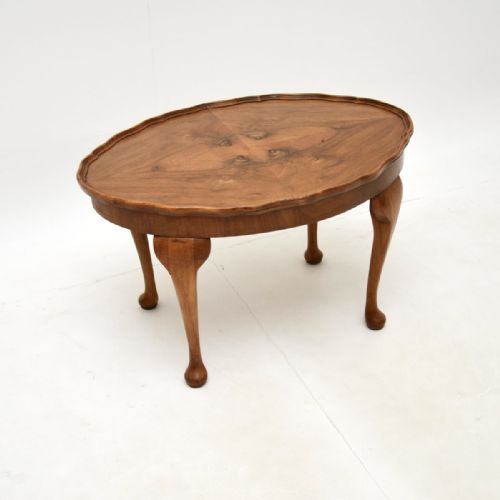
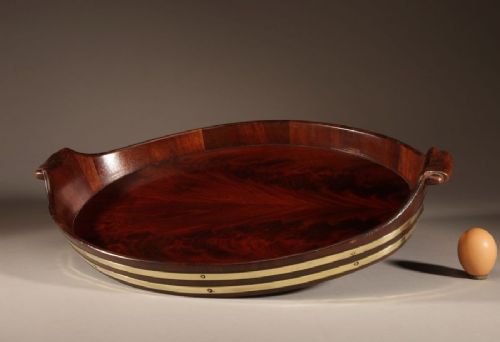
Cabinet makers utilised dense hardwoods like mahogany and walnut to construct trays, stands and low tables, often incorporating brass bindings and coopered construction.
Decoration relied on hand-painted enamel patterns, inlay and cast metal details applied to metalware and timber surfaces.
Georgian Tea and Coffee Retail Price Guide 2026
Typical asking prices for georgian tea and coffee among the pieces listed under this phrase on Sellingantiques today, from the lower quarter to the upper quarter. They describe what is for sale here now, not the wider market.
Listings incorporate sterling silver, porcelain, brass and timbers such as mahogany and walnut across multiple centuries.
Distinguishing quality
Quality rests in the crispness of casting on silver service pieces and the precision of hand-painted detail on porcelain trios. Superior examples display clean lines and well-preserved decorative motifs.
In timber furniture and trays, the selection of figured wood, such as burr walnut or mahogany, dictates the visual impact of the piece. Joinery methods and the retention of original stands also separate standard items from finer work.
Barr And Barr·Richard Chaffers·John Rose·Joseph Craddock·Paul Storr
The Georgian Tea and Coffee Glossary
- Coffee biggin
- A tall coffee pot fitted with an internal fabric or metal bag filter for brewing. This vessel typically stands on a frame equipped with a spirit burner.
- Tray table
- A portable serving tray mounted upon a fixed or folding wooden stand. These pieces combine utility with formal display.
- Porcelain trio
- A matched set comprising a teacup, coffee cup and matching saucer. They appeared frequently in English factories during the late eighteenth and early nineteenth centuries.
- Old Sheffield plate
- A composite material formed by fusing a thin sheet of sterling silver to a thicker copper base. It predates modern electroplating.
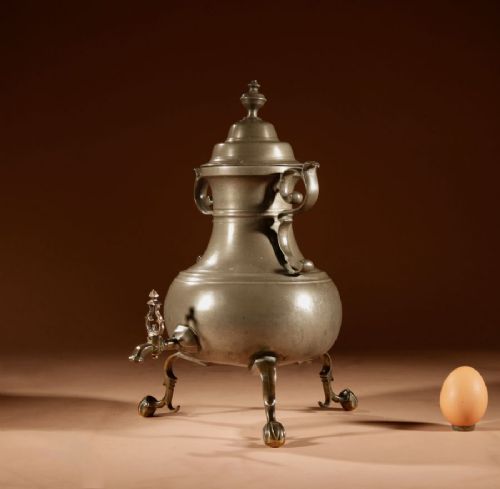
- Kraantjeskan
- A Dutch metal urn featuring a small tap near the base, utilised for hot water or coffee. These vessels combine bronze and pewter elements.
Georgian Tea and Coffee: Frequently Asked Questions
What is a coffee biggin?
A coffee biggin is a specific type of coffee pot that incorporates an internal filtering compartment. These vessels allowed drinkers to brew coffee directly at the table.
They often appear on metal stands designed to keep the brew warm during social gatherings.
How were tray tables used?
Tray tables served a dual purpose in period homes, functioning both as portable trays for carrying cups and as permanent low tables when placed upon stands.
This versatility made them central to the arrangement of domestic entertaining spaces.
What is a porcelain trio?
A porcelain trio consists of a teacup, a coffee cup and a matching saucer sold as a single unit. Factories produced these sets to accommodate changing beverage preferences in the home.
Collectors prize complete trios that retain their original hand-painted enamel patterns.
How do I identify Old Sheffield plate?
Old Sheffield plate is identified by examining edges and worn spots where the underlying copper core shows through the silver layer. This technique produces a distinct visual character absent in solid silver.
Makers fused these metals under heat before rolling them into sheets for fabrication.