






Georgian Table Top Chest
A georgian table top chest offers compact storage with period character, prized by collectors for bringing authentic eighteenth-century craftsmanship to smaller spaces.
Georgian Table Top Chest
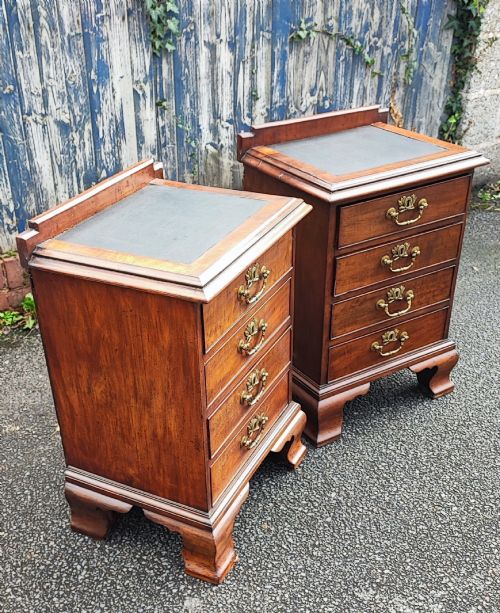
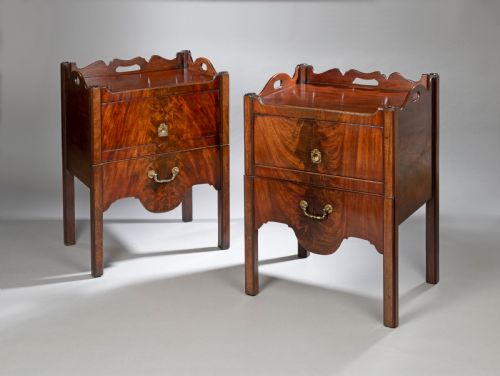
A georgian table top chest represents portable or small-scale cabinetry designed to sit upon larger surfaces, encompassing formats such as table top drawers, jewellery boxes, bible boxes, and small cabinets. These pieces serve practical storage needs while displaying the architectural proportions characteristic of the period.
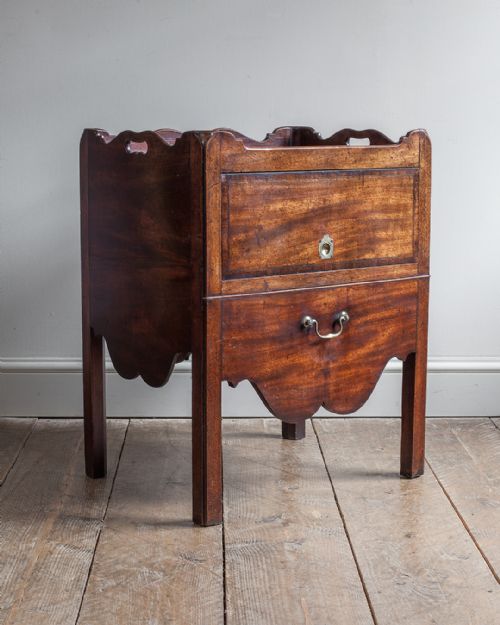
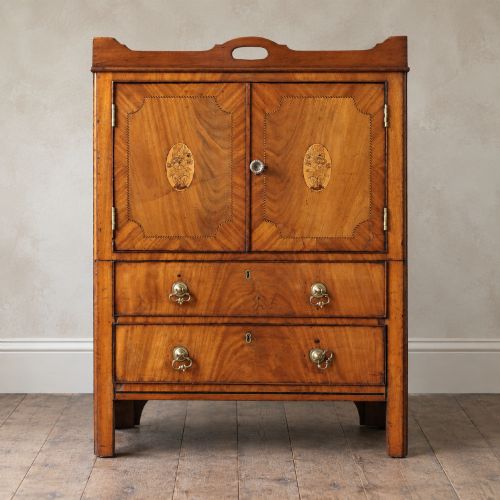
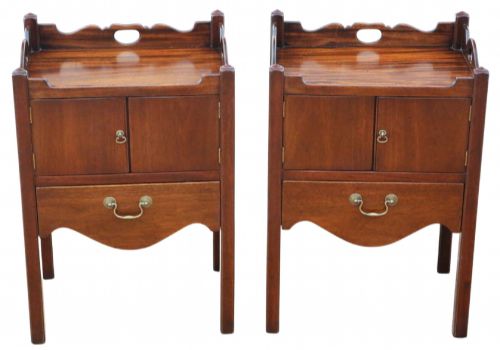
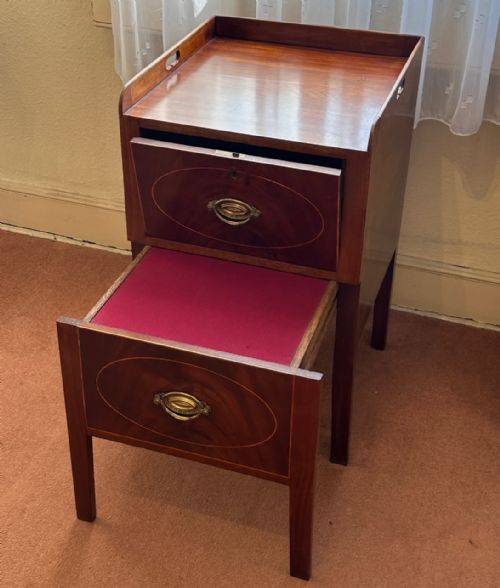
The selection on this page spans pieces originating from the eighteenth century through to later revival periods, built in forms that include bedside commodes, miniature chests, and fitted cabinets. Mahogany and oak dominate the construction, often supplemented by walnut, rosewood, and decorative inlays.
Buyers encountering these items will find examples ranging from plain utilitarian boxes to elaborate designs featuring brass hardware, leather details, and internal compartments. Each piece reflects the domestic requirements of its era, from storing personal papers to holding precious items.
How they were made
Cabinet makers utilised solid hardwoods such as mahogany, oak, and walnut, frequently applying fine veneers and wood inlay to decorative surfaces. Structural elements relied on traditional joinery methods to ensure stability in smaller furniture formats.
Metal fittings typically consist of cast brass handles, escutcheons, and hinges, secured by hand. Surface finishes were achieved through applied polishes that highlight the natural grain of the timber.
Specialised details such as carved friezes, mother of pearl inlay, and leather inserts required precision handwork by skilled artisans working within established workshop traditions.
Georgian Table Top Chest Retail Price Guide 2026
Typical asking prices for georgian table top chest among the pieces listed under this phrase on Sellingantiques today, from the lower quarter to the upper quarter. They describe what is for sale here now, not the wider market.
Tortoiseshell surfaces and concealed pull-out steps prove that Georgian desk designers loved a secret compartment just as much as modern owners do.
What varies in quality
The refinement of the timber selection and the precision of the joinery set finer examples apart from simpler utilitarian pieces. Superior items display carefully matched wood grains and crisp carving where ornamentation is applied.
Originality of brass hardware, locks, and internal fittings significantly influences the integrity of a piece. Well-preserved surfaces with honest patination reflect careful historical use and careful maintenance.
The sophistication of internal layouts, such as fitted compartments or pull-out steps, demonstrates the ambition of the original maker and the intended status of the object.
The Georgian Table Top Chest Glossary
- Commode
- A low cabinet or chest of drawers, often featuring a cupboard or enclosed top section in this period. These items were frequently adapted for bedroom use.
- Tray top
- A raised rim around the upper surface of a table or cabinet, designed to prevent items from rolling off. This feature is common on bedside commodes.
- Escutcheon
- A protective plate surrounding a keyhole, usually cast in brass. It serves both a functional purpose and a decorative role on drawer fronts and doors.
- Inlay
- The technique of inserting contrasting materials into depressions carved in the wood base to form patterns. Common materials include various woods and mother of pearl.
Georgian Table Top Chest: Frequently Asked Questions
What were table top chests used for?
These chests provided secure storage for valuable documents, jewellery, or personal items in a portable format.
They allowed owners to keep important possessions close at hand within domestic chambers or study spaces.
How do I care for antique wood furniture?
Keep pieces away from direct sunlight and sudden temperature changes to prevent the timber from warping or drying out.
Apply traditional wax polish sparingly and buff with a soft cloth to maintain the natural lustre of the surface.
How can I tell the period of a chest?
Examine the construction methods, timber choices, and hardware styles against known historical examples from the eighteenth and nineteenth centuries.
Secondary woods used inside drawers and the style of dovetail joints often provide reliable clues to the date of manufacture.
Where should I place a small chest?
These compact pieces fit easily onto larger desks, sideboards, or dedicated tables where they add period character to a room.
Their scale makes them suitable for use in hallways, studies, or bedrooms without dominating the available floor space.