


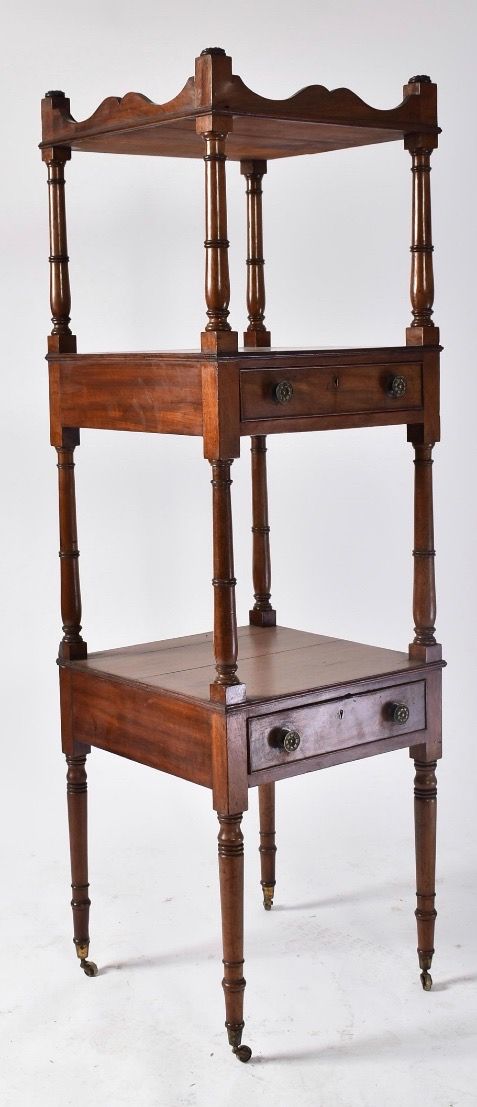

Georgian Style Tier Table
A georgian style tier table offers tiered surfaces for display and service, bringing classic proportions and functional levels into any room.
Georgian Style Tier Table
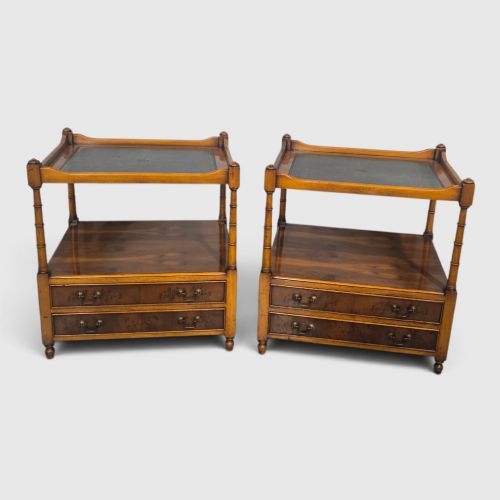
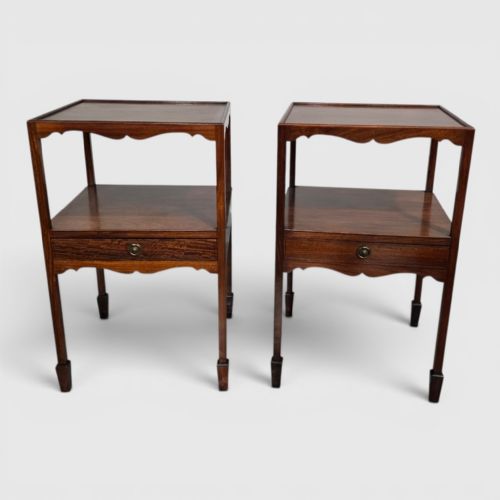
When you search for a georgian style tier table, you are looking at multi-level wooden furniture designed for serving, display, or general occasional use. The pieces seen here span periods from the Georgian era through to the 1930s, embracing styles such as Regency, Edwardian, and Victorian interpretations alongside strict George III designs.
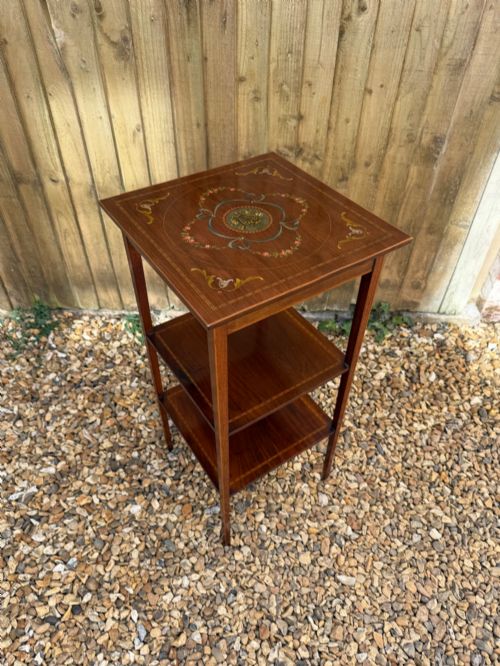
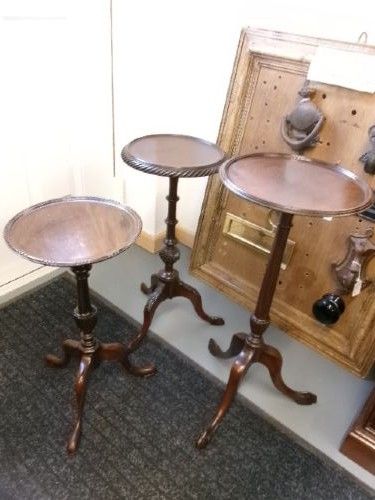
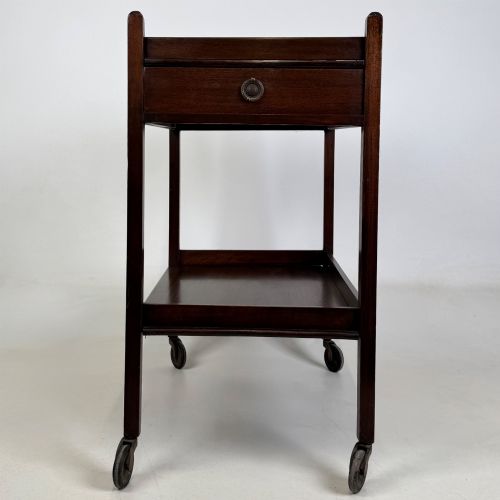
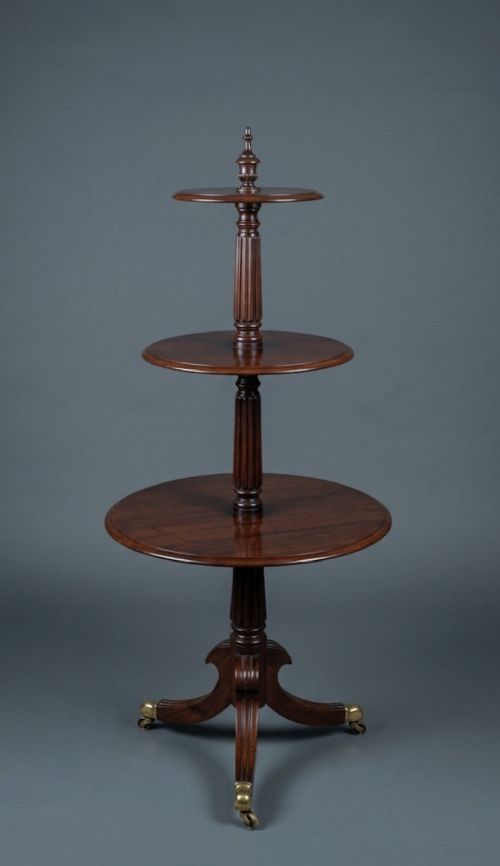
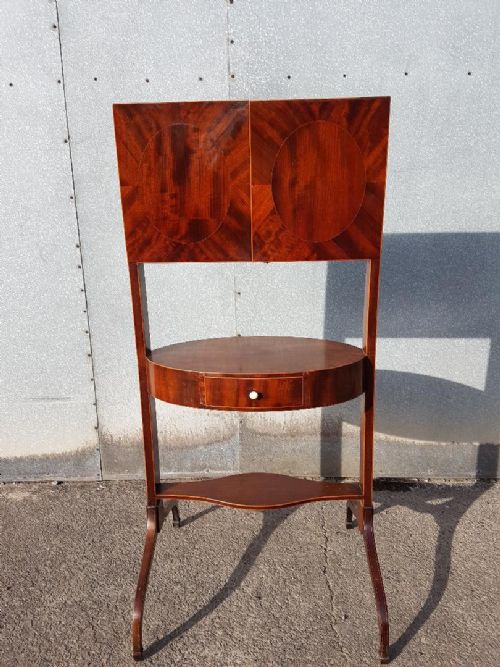
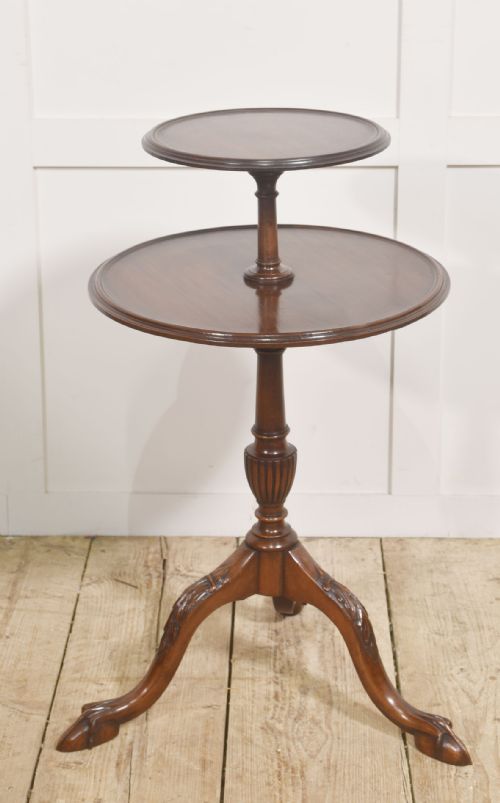
You will encounter various multi-tiered forms on this page, including dumb waiters, tea trolleys, etagères, and simple two or three-tier side and lamp tables. These objects reflect a long tradition of tiered English furniture, ranging from revolving lazy susans and tripod pedestal tables to nests of tables and bedside stands.
Origins stretch from genuine 18th and early 19th-century examples to later 20th-century revivals produced in the 1900s, 1920s, and 1930s. The common thread is the multi-level surface arrangement, constructed predominantly in mahogany with occasional painted finishes or satinwood highlights.
Materials and construction
Makers relied heavily on mahogany as the primary timber, shaping solid wood and veneers into circular, oval, and rectangular tiers supported by turned columns or tripod pedestals. Details such as boxwood inlay, brass fittings, and leather inserts appear on select pieces to enhance the visual weight of the multi-level structure.
Construction techniques include traditional joinery for tiered frames, revolving mechanisms for lazy susans and bookcases, and specialised turning for dumb waiter stems. Surface treatments range from polished mahogany to later painted decorations and satinwood or yew accents.
A revolving lazy susan tier table ensures that your afternoon tea disputes can be settled with a simple spin.
What sets examples apart
Quality in a georgian style tier table rests upon the crispness of the turning on the central columns, the choice and figuration of the mahogany veneers, and the stability of the tiered platforms. Superior pieces display thoughtful proportion between the tiers, ensuring the vertical distance supports the intended functional use without looking ungainly.
The integrity of the structural joints and the finesse of secondary materials, such as brass castors, boxwood inlay, or finely cast rotating mechanisms, distinguish high-grade examples from simpler production pieces. Later decorative additions or altered surfaces also influence the character of the piece compared to untouched original finishes.
Gillows
The Georgian Style Tier Table Glossary
- Tier table
- A multi-level small table providing stacked horizontal surfaces for display or service. These formats include dumb waiters, etagères, and side tables.
- Dumb waiter
- A freestanding tiered stand traditionally used in dining rooms for holding dishes or drinks without servant assistance. They feature two or three graduating circular trays on a central pillar.
- Etagere
- A piece of furniture consisting of a set of open shelves or tiers for displaying small objects. They appear in mahogany and painted finishes across various periods.
- Tripod pedestal
- A central pillar base supported by three spreading feet. This support system provides stability for tiered tables while maintaining a compact footprint.
- Boxwood inlay
- Narrow strips of pale boxwood set into contrasting darker wood surfaces to create linear decoration. It frequently outlines table tops and edges on refined pieces.
Georgian Style Tier Table: Frequently Asked Questions
What is a georgian style tier table used for?
These tables were historically deployed for serving tea, holding books, or displaying decorative objects across multiple levels. Their stacked surfaces maximise display space while occupying a modest floor footprint.
Today, they function effectively as lamp tables, bedside stands, or occasional furniture in living spaces. The distinct tiers allow items to be organised vertically rather than spread across a single surface.
How do I tell an original Georgian piece from a later revival?
Examination of the timber, construction methods, and hardware offers clear indicators of age. Georgian pieces exhibit period-specific joinery, timber shrinkage, and hand-worked surfaces.
Revival pieces from the Edwardian era or the 1920s and 1930s often show standardised machine-cut elements and different secondary woods. Comparing the stylistic markers to known Georgian conventions clarifies the date of manufacture.
What is the difference between a dumb waiter and an etagere?
A dumb waiter specifically utilises a central pillar with circular graduated trays, historically associated with dining service. They often feature revolving tiers or fixed tripod bases.
An etagere generally provides open rectangular or shaped shelves primarily intended for display. Both fall under the broader category of tiered furniture but serve distinct visual and practical roles.
How do I care for a mahogany tiered table?
Maintain the wood by keeping the table away from direct heat sources and strong sunlight, which can dry out mahogany and fade the polish. Dust regularly with a soft cloth and apply appropriate wax sparingly.
Avoid placing damp glasses directly on vulnerable polished surfaces by utilising coasters. Ensuring the central pillar and tier joints remain stable prevents structural strain over time.