



Georgian Style Tableware
Georgian style tableware brings the proportion and grace of eighteenth-century dining rooms to modern tables through silver, ceramic, and glass.
Georgian Style Tableware
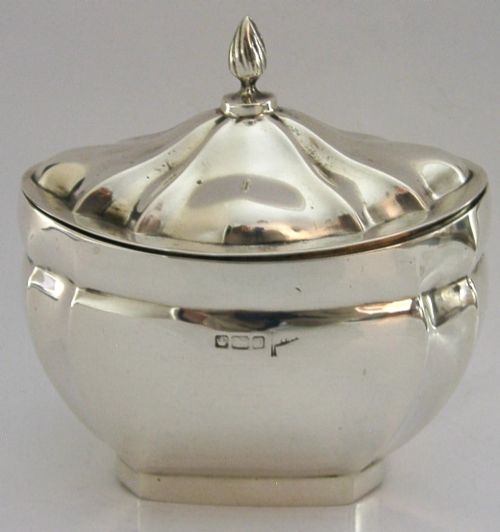
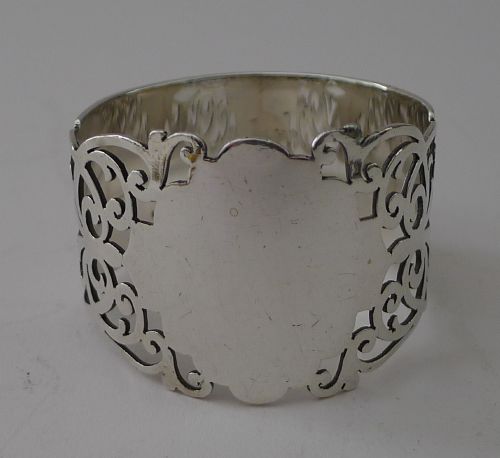
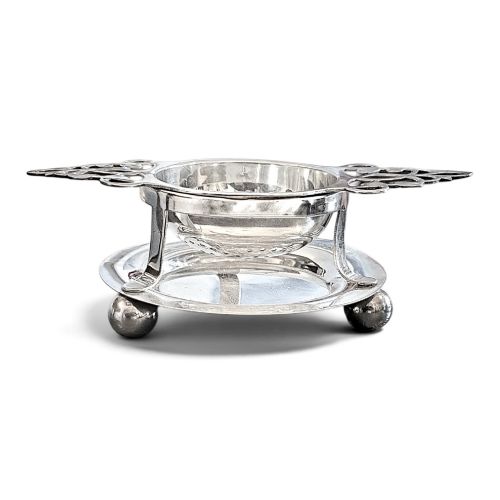
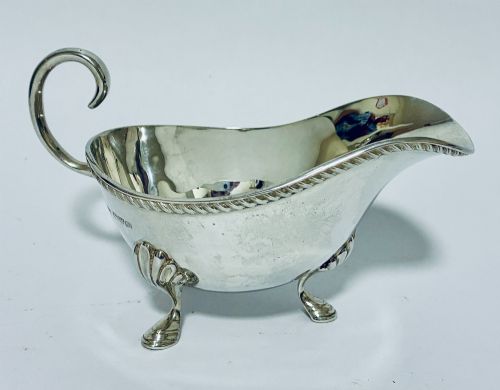
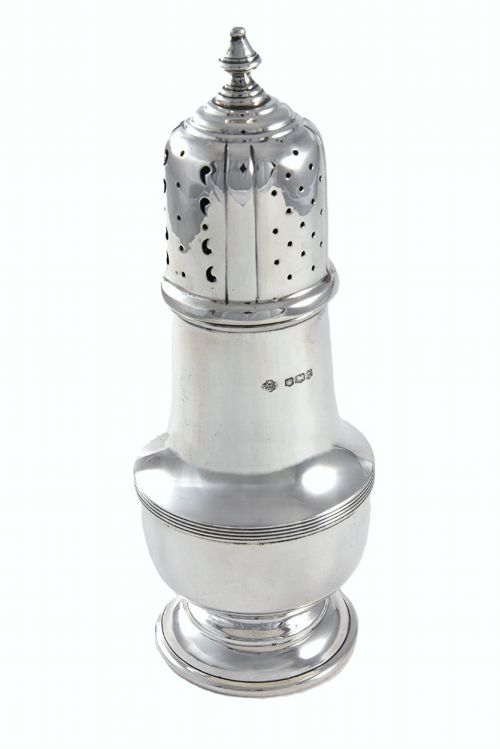
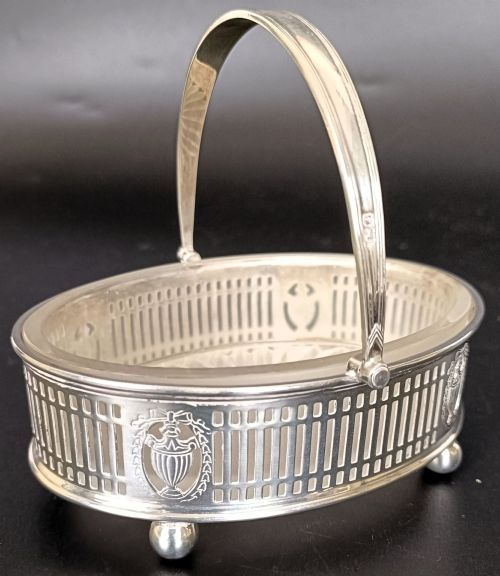
When buyers search for georgian style tableware, they encounter a range of dining and serving pieces that reflect the aesthetic of the Georgian period alongside later revivals. The selection includes sauce boats, tea strainers, sugar casters, plates, and dishes produced across multiple centuries.
The objects span actual eighteenth-century pieces as well as later interpretations from the Victorian, Edwardian, and Art Deco eras, including Georgian Revival items. Sterling silver, silver plate, ceramic, ironstone, and cut glass dominate the physical forms available.
How they were made
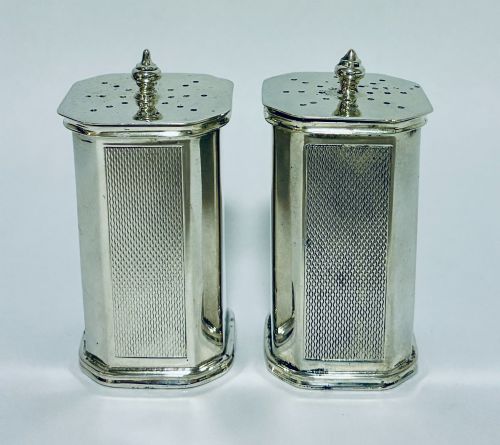
Metalsmiths utilised sterling silver and silver plate to shape sauce boats, teapots, and casters through casting, hammering, and soldering techniques. Enamel and gold leaf frequently decorated metal surfaces to add colour and contrast.
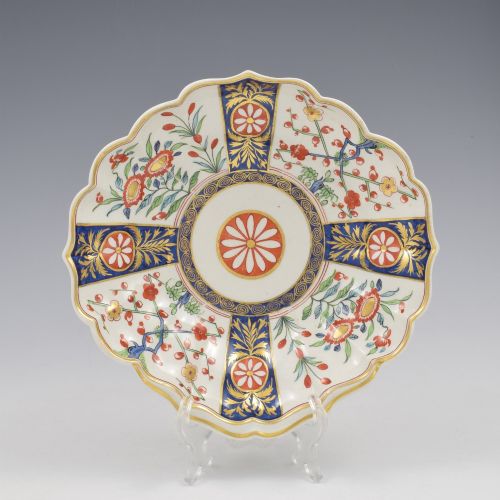
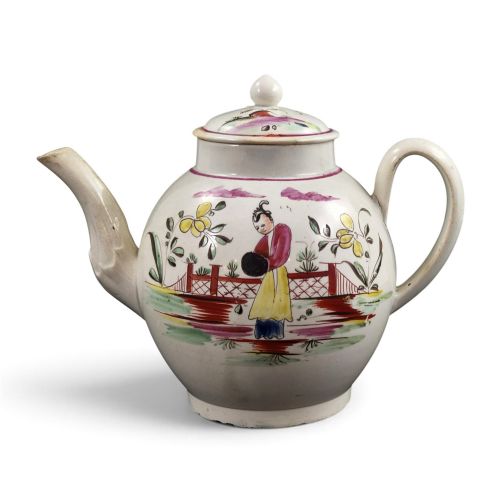
Potters shaped creamware, porcelain, and ironstone into plates, dishes, and tureens, often applying transfer printing or hand-painted patterns like Chinoiserie and Kakiemon styles. Glassmakers utilised cutting techniques to pattern preserve pots and tableware.
Georgian Style Tableware Retail Price Guide 2026
Typical asking prices for georgian style tableware among the pieces listed under this phrase on Sellingantiques today, from the lower quarter to the upper quarter. They describe what is for sale here now, not the wider market.
Listings feature items spanning the eighteenth century through the Art Deco era, including sterling silver, ironstone, and cut glass.
What varies in quality
The clarity of form and crispness of cast or moulded detail separate items, particularly in the definition of handles, feet, and applied borders on silver and ceramic vessels. Hand-painted ceramic decoration shows variation in brushwork precision and pigment richness.
Substance and weight distinguish solid sterling silver pieces from silver plate, while the purity of ceramic paste and the depth of glass cutting indicate the standard of manufacture in tableware.
Hammond Turner and Sons·Barker Brothers·Asprey and Co·Robert Pringle and Sons·Charles Stuart Harris·Viners·Walker and Hall
The Georgian Style Tableware Glossary
- Creamware
- A type of fine earthenware developed in the eighteenth century with a pale cream-coloured glaze. It was widely used for teapots and tableware before porcelain became dominant.
- Ironstone
- A heavy, durable type of ceramic patented in the nineteenth century to imitate porcelain. It provided a strong body suitable for heavy-use plates and tureens.
- Sauce boat
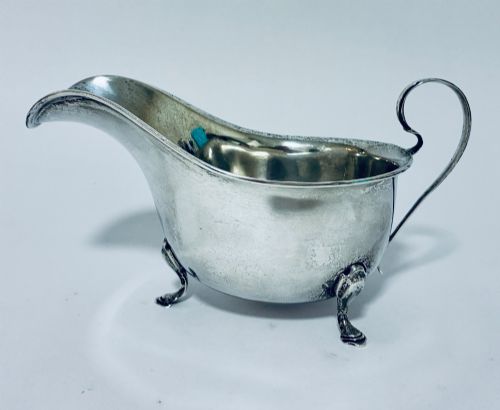
- A vessel designed for serving gravies or sauces, typically featuring an oval body, a spout, and a handle. They appeared frequently in silver and ceramic throughout the eighteenth and nineteenth centuries.
- Sugar caster
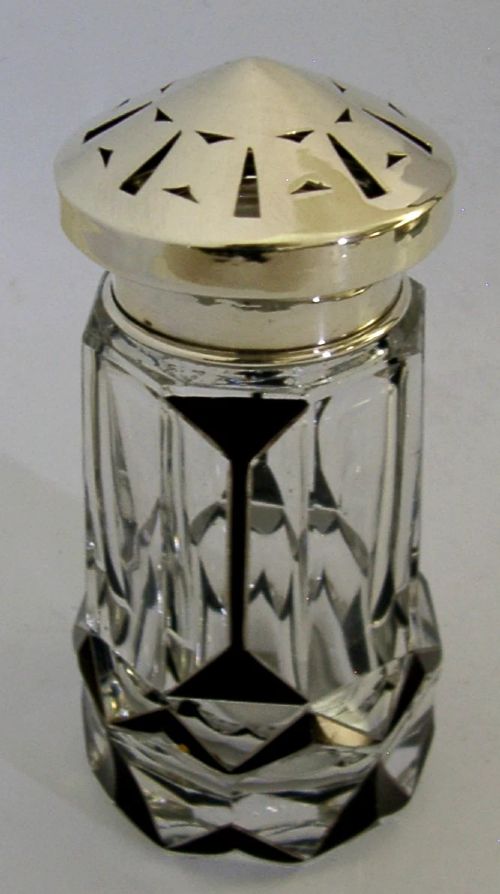
- A perforated container used for sprinkling sugar over food or drink. These tall, vase-shaped vessels often matched condiment sets on the dining table.
- Chinoiserie
- A European artistic style reflecting Chinese motifs and decorative techniques. It frequently appeared on eighteenth-century ceramics and porcelain.
Georgian Style Tableware: Frequently Asked Questions
How do I identify Georgian style tableware?
Look for classical proportions, symmetry, and decorative motifs such as gadrooning, bead borders, and fluting derived from architecture. Hallmarks on silver and backstamps on ceramics often confirm the date and maker.
Revival pieces from the Edwardian and Art Deco periods frequently adopt these eighteenth-century architectural lines while incorporating manufacturing methods of their own time.
What is the difference between silver plate and sterling silver?
Sterling silver consists of solid silver alloyed for durability, marked with official assay office hallmarks indicating its standard. Silver plate involves a thin layer of silver bonded to a base metal core.
Both materials appear across sauce boats, teapots, and serving dishes in Georgian and revival tableware.
How were sauce boats used on the dining table?
Sauce boats held gravies, melted butter, or sweet sauces to accompany meat, fish, and puddings during formal meals. They sat on the dining table alongside matching tureens and serving dishes.
Their design prioritised a stable base, a comfortable handle, and a cleanly pouring spout.
Can I use antique ceramics for daily dining?
Ironstone and sturdy ceramics tolerate careful daily use, though antique glazes can develop crazing or wear over time. Hand washing protects older earthenware and porcelain from thermal shock and abrasive detergents.
Many collectors reserve delicate creamware and porcelain for display or occasional service.