





Georgian Style Supper Table
A georgian style supper table provides sturdy timber and clever tipping mechanisms for flexible dining and social gatherings.
Georgian Style Supper Table
A georgian style supper table brings traditional dining and occasional use together through versatile forms that suit period and revival interiors alike. Buyers exploring this phrase encounter a range of pieces spanning the eighteenth and nineteenth centuries alongside later revival examples.
Origin styles stretch across Georgian, Chippendale, Queen Anne, William IV, and Italian influences. The most frequently met examples combine timber surfaces with tilting mechanisms designed for compact storage when not in use.
Materials and construction methods
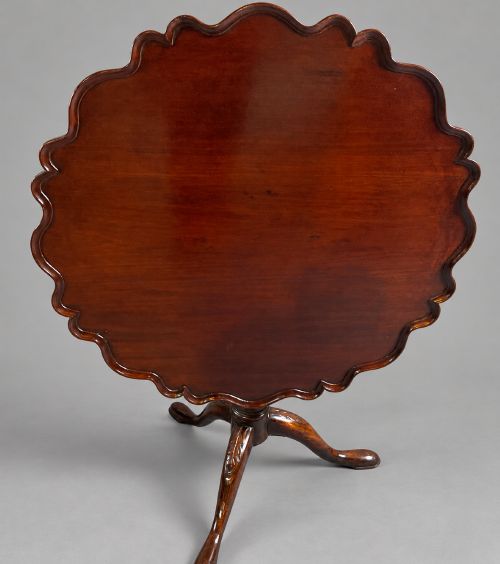
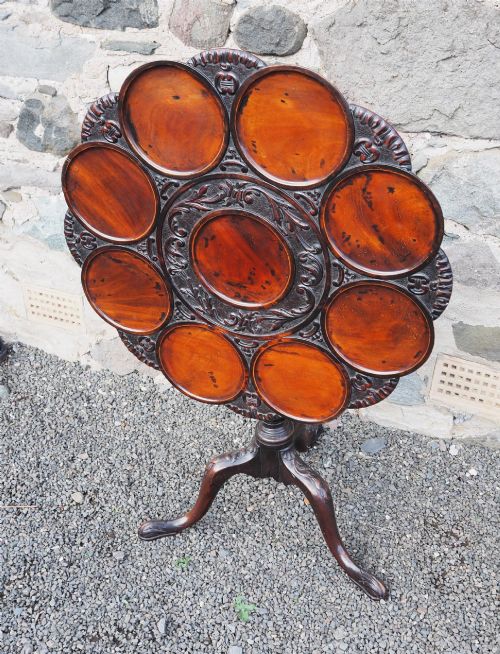
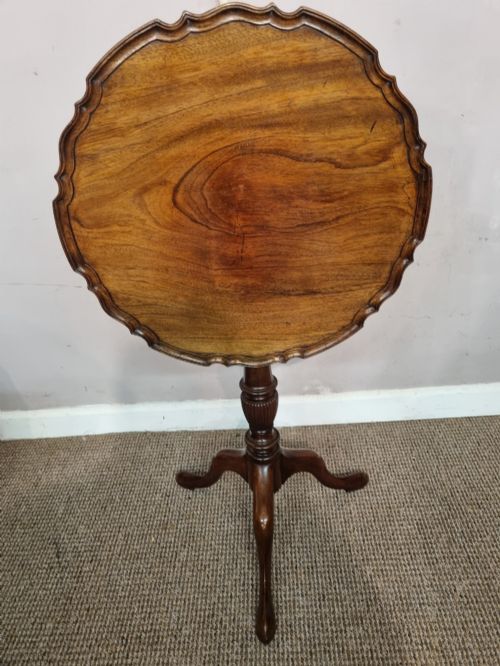
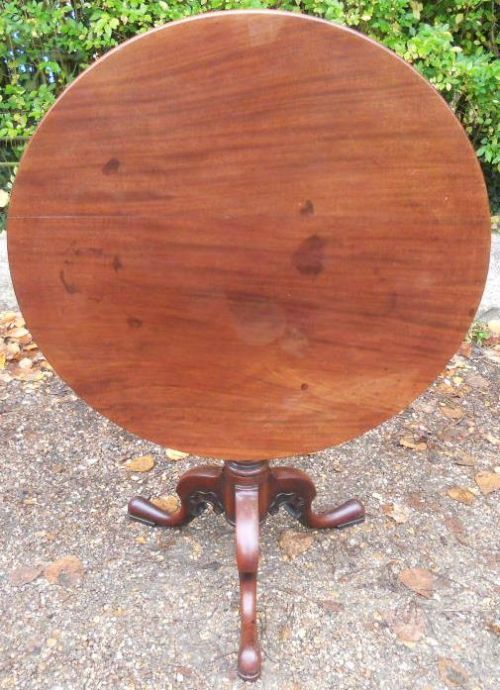
Makers utilised solid timbers such as mahogany, oak, and walnut to build these tables, often shaping the perimeters into distinct pie crust edges. Tripod bases provide stable support through three curved legs converging on a central column.
Tipping mechanisms, sometimes referred to as snap tops or bird cage supports, allow the top to pivot and lock flat or vertical. Brass and iron hardware appears in hinges, catches, and pivots that facilitate movement without sacrificing stability.
Georgian Style Supper Table Retail Price Guide 2026
Typical asking prices for georgian style supper table among the pieces listed under this phrase on Sellingantiques today, from the lower quarter to the upper quarter. They describe what is for sale here now, not the wider market.
Some tables tilt so neatly they practically pretend to be wall art until dinner time calls them back to duty.
Distinctions in quality and execution
Quality separates through the crispness of timber carving, particularly along moulded edges and tripod legs, where hand-shaped details display greater depth than mechanical cutting. The precision of the tipping mechanism also dictates how smoothly the surface locks into position.
Timber selection dictates the overall character, with finely figured mahogany and dense walnut sitting above utilitarian oak or cherry alternatives. Proportion and balance in the column and foot design separate carefully balanced pieces from heavier, less harmonious constructions.
The Georgian Style Supper Table Glossary
- Tilt-top table
- A table with a hinged surface that pivots vertically for storage against a wall or in a corner. This form maximises floor space in smaller rooms.
- Pie crust edge
- A raised, carved border shaped with alternating curves resembling pastry work. It prevents tableware from sliding when the surface tilts.
- Tripod base
- A support structure comprising three legs radiating from a central pillar. It offers stability on uneven historical floors.
- Gateleg table
- A table featuring hinged flaps supported by swing-out legs that resemble a gate. This design allows the surface area to expand or contract.
- Snap top
- A spring-loaded or catch mechanism that secures a tilting table top in the horizontal position. It prevents accidental movement during use.
Georgian Style Supper Table: Frequently Asked Questions
What is a supper table?
A supper table is a smaller dining or occasional surface traditionally used for evening meals or social gatherings before larger dining rooms became standard.
Many examples feature tipping mechanisms so they could be stored upright against the wall to free up floor space during the day.
How do tilt-top mechanisms work?
Tilt-top mechanisms use a pivot block and a catch or spring latch beneath the surface that allows the table top to rotate and lock into a vertical position.
This construction enabled historic households to clear rooms quickly after meals for dancing or other evening activities.
What woods were used?
Makers predominantly worked with dense hardwoods like mahogany, walnut, and oak to ensure structural integrity and a refined finish.
Cherry wood and mixed timbers also appear in regional or later revival pieces, offering different grain patterns and lighter tones.
How do I date these tables?
Dating relies on examining the timber species, joinery techniques, turning style on the central column, and the complexity of the leg carving.
Revival pieces from the late nineteenth and early twentieth centuries often mimic earlier Georgian and Chippendale forms while utilising machine-cut joints or different internal hardware.