




Georgian Style Low Bookcase
A georgian style low bookcase brings classical proportions and timber warmth to a room, offering display space that never crowds the walls.
Georgian Style Low Bookcase
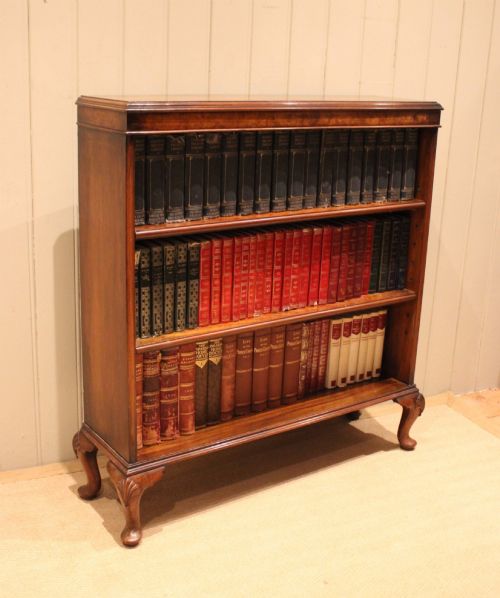
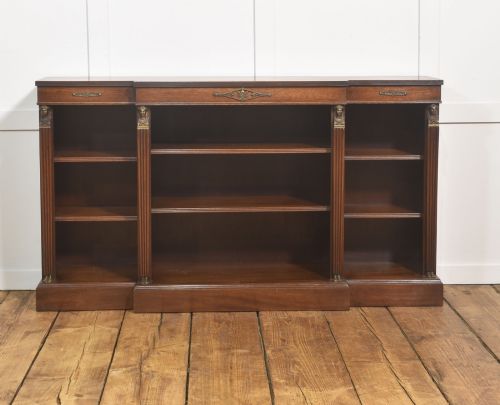
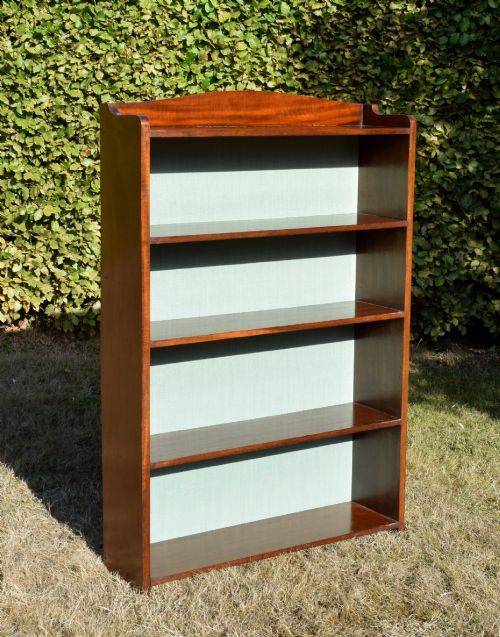
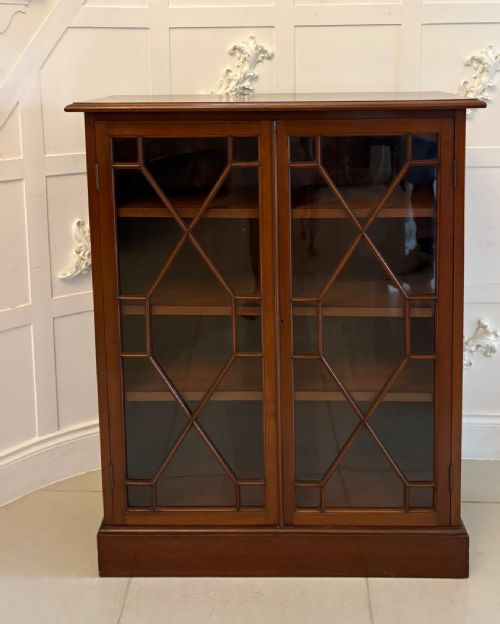
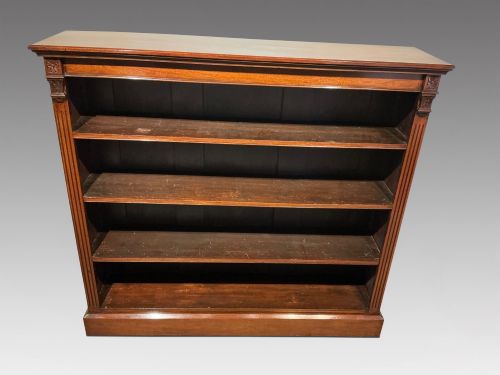
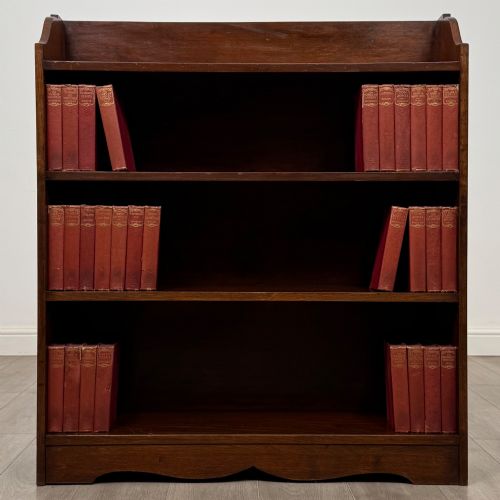
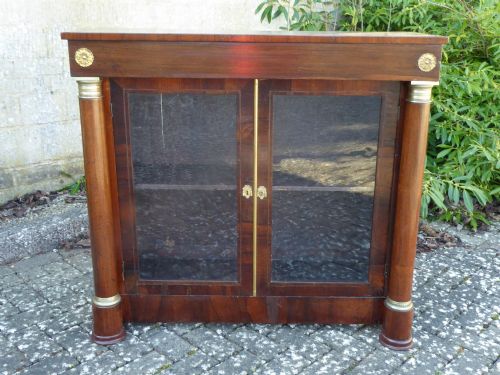
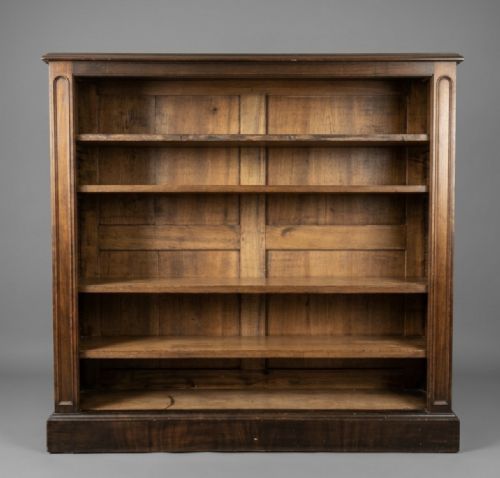
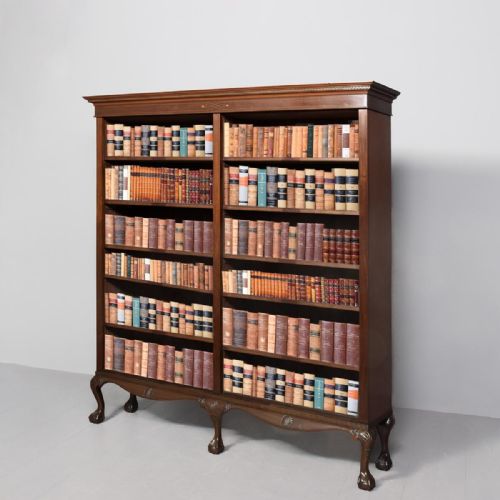
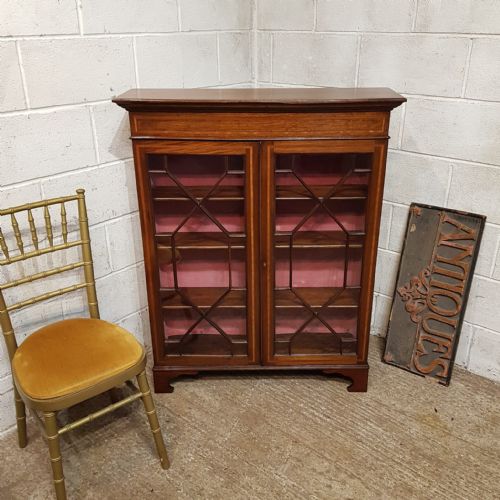
A georgian style low bookcase takes many forms across the nineteenth and early twentieth centuries, appearing as open shelving, breakfront side cabinets, and glazed display units. You will most frequently meet open mahogany versions and walnut variations dating from the Victorian era through the Edwardian period and into the nineteen-thirties.
These lower library pieces suit domestic spaces where height is limited, offering proportions derived from eighteenth-century design principles while serving modern storage needs. Makers adapt the vernacular across decades, applying satinwood inlay, brass accents, and glazed doors to standard carcases.
Materials and Construction
Makers build these cabinets primarily in mahogany and walnut, frequently selecting figured veneers and incorporating satinwood stringing or brass details into the exterior surfaces. Glass panels appear in doors alongside timber shelves that adjust on traditional wooden racks or metal pins.
Structural methods combine solid timber framing with veneered panels on secondary woods, finished with polished surfaces that highlight the grain. Simulated paint and parcel gilt decoration emerge in specific decorative interpretations across the nineteenth century.
One exceptional Regency piece includes leather dummy books to conceal a cabinet interior, keeping deception neatly bound.
Judging Quality
Quality rests in the choice of timber figure, the precision of the cabinetwork, and the restraint of the decorative inlay. A finer piece displays carefully matched veneers across the breakfront and refined proportions in the plinth and cornice.
Lesser examples rely on mass-produced mouldings and plain timber stocks without the depth of colour or crispness of jointing found in superior workshops. The weight of the timber and the integration of internal fittings separate standard production from exceptional cabinetmaking.
Maple & Co.·Gillows
The Georgian Style Low Bookcase Glossary
- Breakfront
- A piece of furniture where the central section projects forward from the flanking wings. This configuration creates visual depth and allows for varied storage compartments within a single elevation.
- Astragal
- A small convex moulding used to divide panes of glass in a glazed cabinet door. These delicate wooden bars form geometric patterns across the front of the bookcase.
- Frieze
- The flat or decorated horizontal band situated immediately beneath the cornice of a bookcase. Makers often embellish this area with marquetry or satinwood inlay.
- Waterfall bookcase
- A set of open shelves where each tier steps back progressively from the one below it, creating a profile resembling descending water. This form appears in mahogany and rosewood.
- Dummy books
- Faux book spines, often bound in leather, affixed to conceal a cupboard door or a secret compartment. Regency cabinetmakers utilised these details in library and side furniture.
Georgian Style Low Bookcase: Frequently Asked Questions
Are the shelves adjustable?
Many examples feature adjustable shelves supported by wooden racks or metal pins, allowing you to alter the interior layout for different book sizes.
Older open bookcases sometimes have fixed shelving integral to the structural rigidity of the carcase.
How do I date a piece?
Dating relies on timber selection, construction methods, and stylistic cues such as Edwardian satinwood inlay or Victorian mahogany proportions.
Makers working in the georgian style often referenced eighteenth-century designs long after the period ended.
Where should I place a low bookcase?
These lower cabinets fit beneath standard windows or along walls where taller library shelving would overwhelm the room.
The top surface provides an additional platform for lamps, clocks, or decorative objects.
What is the difference between open and glazed?
Open bookcases provide immediate access to volumes and display the bindings directly to the room.
Glazed doors protect delicate or leather-bound collections from dust and environmental changes while maintaining visibility.