



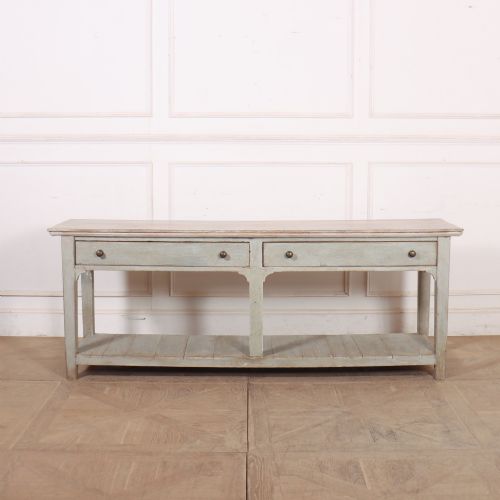


Georgian Style Kitchen Dresser
A georgian style kitchen dresser brings honest utility and timeless proportion into a modern room, offering generous storage for daily tableware.
Georgian Style Kitchen Dresser
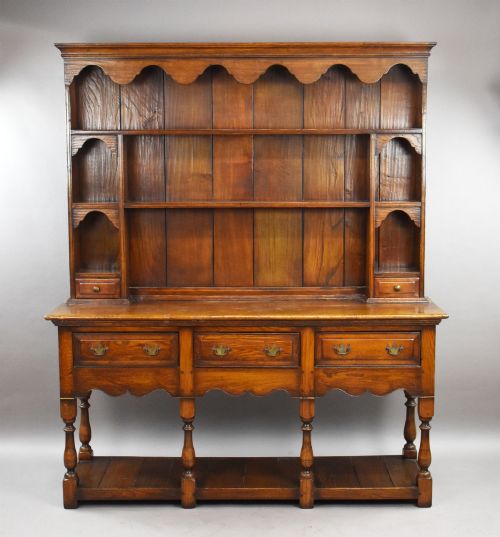
A georgian style kitchen dresser combines practical storage with architectural balance, typically featuring a combination of lower cupboards or drawers and an upper plate rack. These pieces originate across various periods, ranging from eighteenth-century originals to later revivals from the early twentieth century.
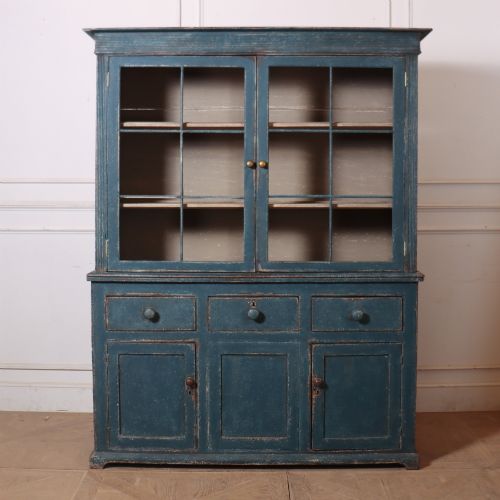
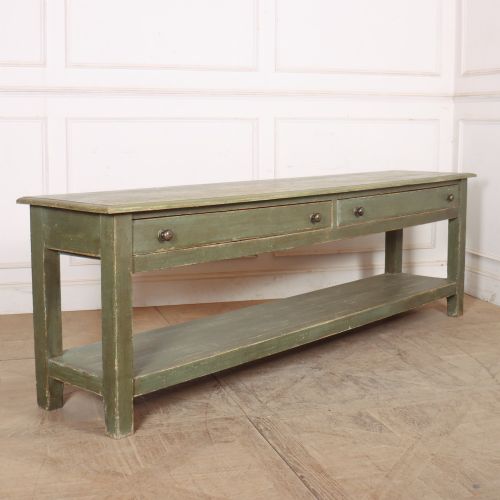
The version most commonly met on this page is the English oak or painted timber base, sometimes paired with an open rack for displaying ceramics. Makers constructed these items for heavy domestic service in country houses and farmhouses alike, ensuring robust construction that endures today.
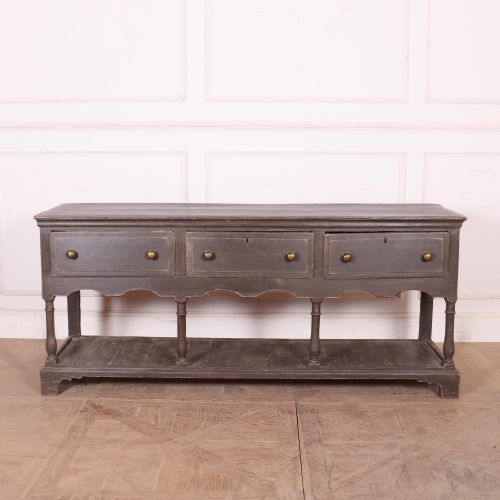
Regional variations appear frequently, including West Country and Welsh forms that display distinct proportions and timber choices. Buyers encounter open potboard bases as well as enclosed cupboards, each serving different display and storage needs within the kitchen.
Materials and construction
Cabinet makers relied predominantly on oak, pine, and cherrywood, selecting timber for its strength and local availability. Surfaces often received a painted finish or remained bare to show the natural grain of the wood over decades of daily use.
Traditional joinery techniques such as mortise and tenon framing provided the structural integrity necessary for heavy kitchen furniture. Brass or wooden hardware secured doors and drawers, while hand-carved geometric details sometimes embellished the front fascias.
Georgian Style Kitchen Dresser Retail Price Guide 2026
Typical asking prices for georgian style kitchen dresser among the pieces listed under this phrase on Sellingantiques today, from the lower quarter to the upper quarter. They describe what is for sale here now, not the wider market.
The furniture forms include Welsh dressers, breakfront units, potboard bases, and open plate rack configurations.
Assessing quality and character
Superior examples exhibit harmonious proportions and well-figured timber, whereas lesser pieces may display heavier, utilitarian repairs or mismatched woods. The retention of original painted surfaces or patinated bare timber significantly elevates the visual appeal of a dresser.
The integration of the upper plate rack with the lower base reveals the skill of the original maker, as does the crispness of any carved enrichment. Subtle details like hand-cut dovetails in the drawer construction mark the difference between standard workshop output and finer cabinet work.
The Georgian Style Kitchen Dresser Glossary
- Potboard
- A lower open shelf beneath the main cupboards or drawers, traditionally used for storing heavy pots and pans. This platform sits just above the floor.
- Plate rack
- The upper open framework attached to a dresser base, designed to display ceramic plates upright on graduated shelves. Grooves prevent the plates from sliding forward.
- Dresser base
- The lower cabinet portion of a dresser, which functions independently as a serving table or sideboard when separated from its upper rack.
- Breakfront
- A cabinet or dresser whose central section projects forward from the flanking sides, creating a dynamic and architectural facade.
- Vernacular
- Localized styles and building methods typical of regional craft traditions rather than high academic furniture design.
Georgian Style Kitchen Dresser: Frequently Asked Questions
What is a georgian style kitchen dresser?
A georgian style kitchen dresser is a large storage and display piece featuring a lower cabinet or base and an upper plate rack, built with classical proportions. These items served as the administrative and organizational heart of the traditional kitchen.
Today, collectors use them to anchor dining rooms or kitchens, providing practical storage for crockery while adding substantial historic character to an interior.
How do I date a kitchen dresser?
Dating relies on examining the timber species, construction methods, tool marks, and overall stylistic details relative to known periods. Eighteenth-century pieces often show hand-sawn boards and pegged joinery, while later revivals utilise machine-cut components.
Secondary woods used inside drawers and backboards also offer vital clues regarding the manufacturing era and geographical origin of the furniture.
Were these dressers always painted?
Many utility pieces received protective coats of paint early in their working lives, while others were left as bare oak or pine to develop a natural patina. Over generations, painted surfaces often acquired wear that collectors value for its authentic character.
Stripping paint was common in later decades, meaning many pieces now display exposed wood that was originally concealed beneath pigment.
How can I style a dresser at home?
Styling an open plate rack involves arranging ceramics, glassware, and pewter by size and colour to create a balanced display. The lower surface or potboard accommodates larger bowls, baskets, or everyday cookware.
Balancing decorative items with functional tableware ensures the furniture maintains its historic purpose while fitting seamlessly into contemporary domestic life.