





18th Century Kitchen Cabinet
An 18th century kitchen cabinet brings centuries of utility and regional character into a modern home.
18th Century Kitchen Cabinet
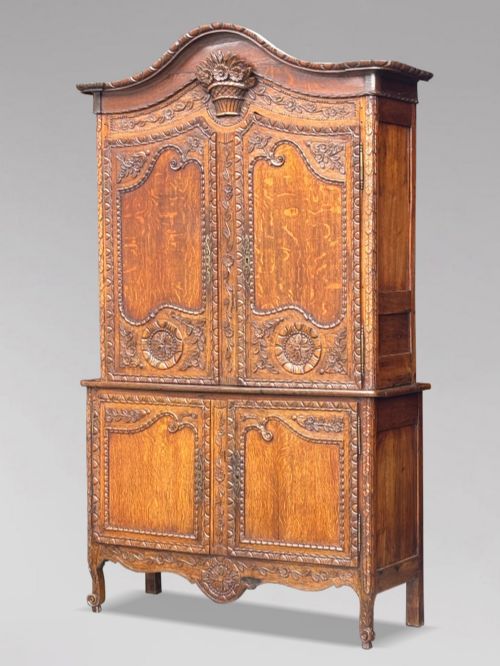
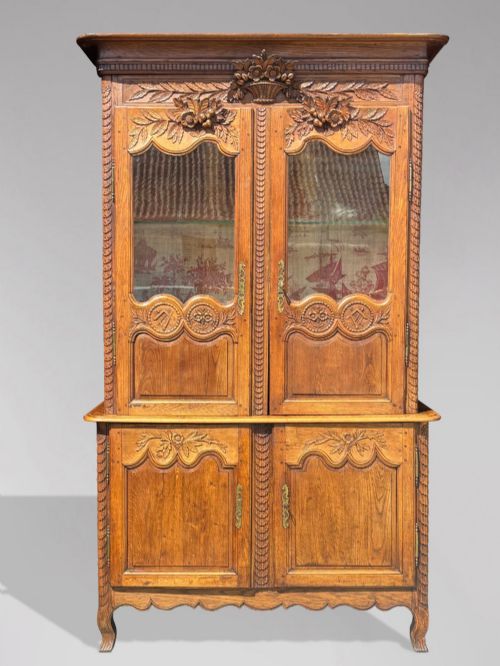
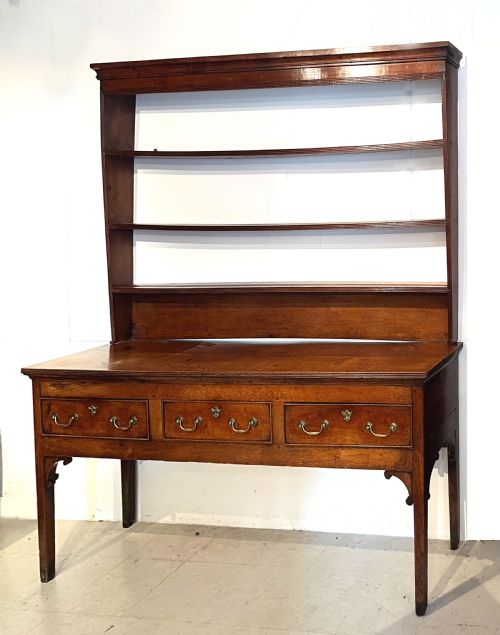
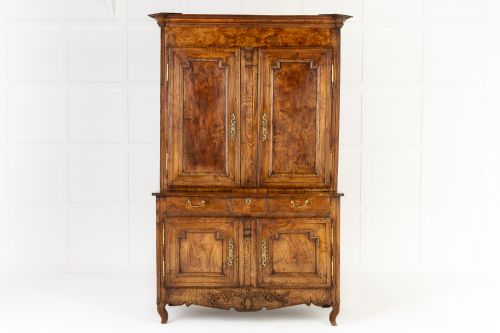
When searching for an 18th century kitchen cabinet, buyers encounter substantial utilitarian storage pieces that served the heart of historic homes. These functional domestic items encompass various regional forms, including tall housekeeper cupboards, buffet deux corps, and potboard dressers.
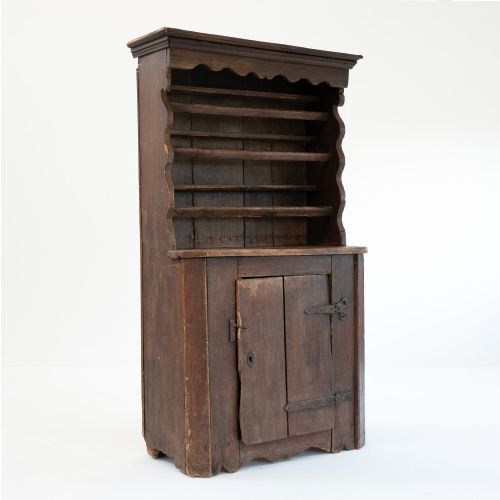
The version most frequently met on this page is the oak dresser or large storage cupboard originating from English, Welsh, French, or Irish rural workshops. Such domestic furniture evolved to hold kitchen provisions, tableware, and household linen.
Regional vernacular traditions dictate the structural arrangement of these cabinets, ranging from open plate racks above dresser bases to enclosed lower compartments. Practical utility shaped every form, resulting in sturdy pieces designed for daily domestic service.
Materials and construction methods
Cabinetmakers relied heavily on native hardwoods, constructing carcasses primarily from solid oak, alongside regional variants in walnut, cherrywood, ash, fruitwood, chestnut, and pine. These timbers were selected for local availability and structural durability, often showing rich natural grain patterns developed over generations.
Iron and brass hardware, including butterfly hinges, escutcheons, and drop handles, secured doors and drawers while adding functional contrast to the timber. Traditional joinery techniques, such as panelled framing and pegged joints, united the heavy boards without modern adhesives.
18th Century Kitchen Cabinet Retail Price Guide 2026
Typical asking prices for 18th century kitchen cabinet among the pieces listed under this phrase on Sellingantiques today, from the lower quarter to the upper quarter. They describe what is for sale here now, not the wider market.
Listings feature regional styles including French Provincial, Welsh, and Georgian Country variations constructed from oak, walnut, pine, and fruitwood.
Assessing quality in period storage
Quality separates through the integrity of the timber selection and the retention of original surface patination. Pieces retaining their original hardware, unblemished timber boards, and honest regional carving sit at the higher end of the range.
Proportion and structural balance also define superior examples, where cornices, panelled doors, and potboard bases integrate harmoniously. Alterations to timber or replaced structural elements distinguish workshop-made regional pieces from heavily restored examples.
The 18th Century Kitchen Cabinet Glossary
- Potboard dresser
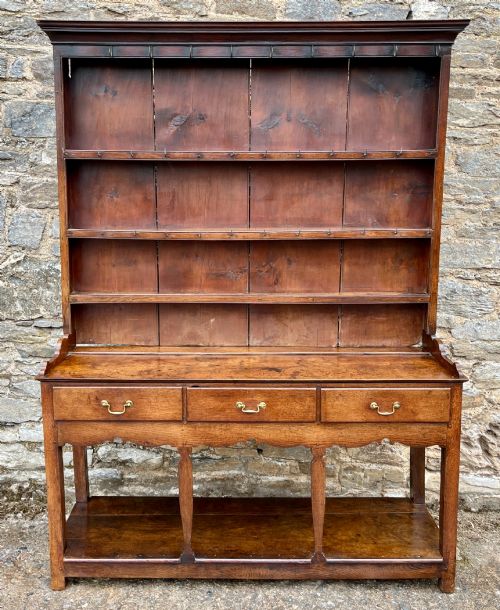
- A kitchen dresser featuring an open low shelf beneath the main base, historically utilised for storing heavy pots and pans. This lower board sits just above the floor on sturdy feet.
- Buffet deux corps
- A tall two-part cabinet featuring an upper cupboard section resting upon a deeper lower buffet base. This substantial French storage form dominates larger farmhouse kitchens.
- Housekeeper cupboard
- A tall floor-standing storage unit designed to hold household provisions, linens, and dry goods. These large cupboards often feature multiple raised panel doors enclosing extensive interior shelving.
- Welsh dresser
- A traditional kitchen storage unit combining a lower base of drawers and cupboards with an upper plate rack. This regional form displays ceramic tableware and kitchen utensils.
- Escutcheon
- A protective plate surrounding a keyhole, usually fashioned from brass or iron. This functional detail prevents timber wear around the lock mechanism.
18th Century Kitchen Cabinet: Frequently Asked Questions
What is a buffet deux corps?
A buffet deux corps is a substantial two-part storage cabinet originating from French provincial workshops. It divides into an upper and lower section designed for household provisions.
These large pieces provided essential storage in historic kitchens and dining spaces.
How do I identify a Welsh dresser?
A Welsh dresser combines a lower base of drawers and cupboards with an open wooden rack fixed on top. The upper shelves display plates and kitchen ceramics.
This distinct regional form emerged to serve domestic storage needs in rural homes.
Where were these kitchen cabinets made?
These cabinets were constructed in regional workshops across England, Wales, France, and Ireland. Local cabinetmakers utilised native timbers available in their immediate surrounding areas.
Rural joiners adapted regional styles to suit domestic requirements.
How do I care for antique oak?
Antique oak furniture requires stable indoor humidity away from direct heat sources and strong sunlight. Regular dusting with a dry cloth maintains the timber surface.
Occasional application of traditional wax feeds the wood and preserves its natural patina.