

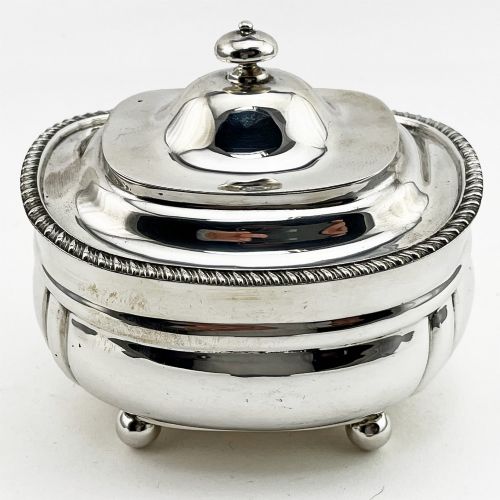


Georgian Style Jar
A georgian style jar brings classic British elegance to a tabletop, offering traditional storage crafted with enduring restraint.
Georgian Style Jar
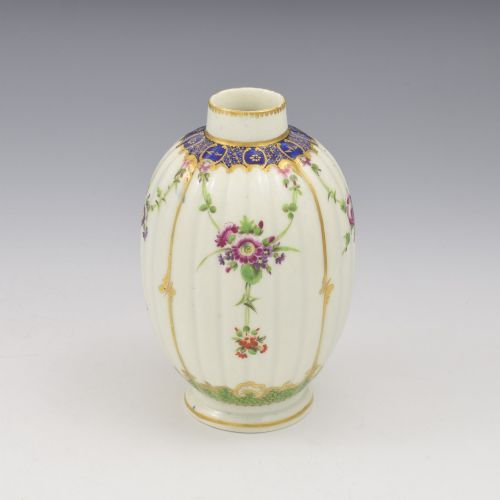
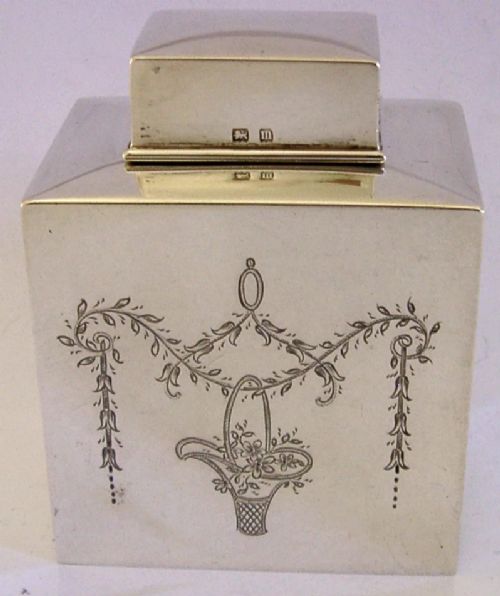
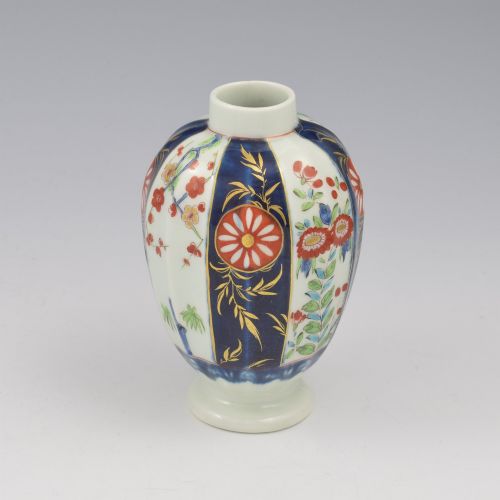
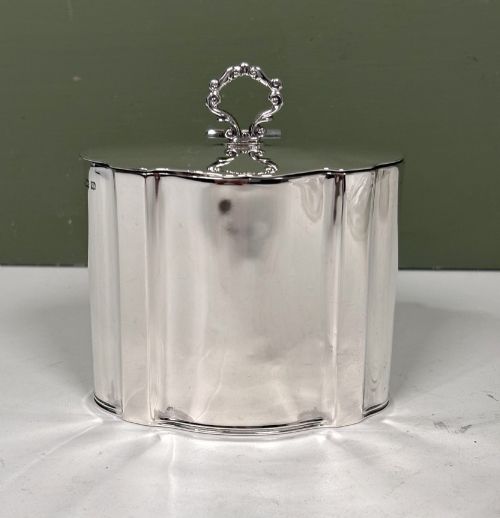
A georgian style jar encompasses functional vessels such as tea caddies, canisters, boxes, mustard pots, and preserve pots. Buyers seeking these items will find examples originating across the eighteenth century, the Edwardian era, and the early twentieth century.
Makers and manufacturers represented include established silversmiths alongside porcelain producers, providing varied expressions of the aesthetic from different decades.
Materials and construction methods
Silversmiths constructed metal pieces using solid silver and sterling silver, sometimes enhanced with gilt or gold leaf details. Glass vessels utilised heavy cut glass techniques, while ceramic examples employed soft-paste porcelain bodies.
Decoration relied on period motifs such as fluting, echoing Neoclassical design principles. Enamel work also appeared on select porcelain canisters from the eighteenth century.
Georgian Style Jar Retail Price Guide 2026
Typical asking prices for georgian style jar among the pieces listed under this phrase on Sellingantiques today, from the lower quarter to the upper quarter. They describe what is for sale here now, not the wider market.
Current listings span from the eighteenth century through to the Edwardian era and 1920, incorporating sterling silver, glass, and soft-paste porcelain.
Judging quality in domestic vessels
The distinction between standard items and superior examples lies in the crispness of the cutting on glass vessels and the precision of the silversmith's fabrication. Heavier gauge silver and well-defined hallmarks indicate higher manufacturing standards.
Porcelain quality is evident in the finesse of the fluting and the application of any enamel or gilding. Maker attribution to notable silversmiths or historic porcelain works elevates the standing of an individual piece.
Zimmermann·Goldsmiths and Silversmiths Co
The Georgian Style Jar Glossary
- Tea caddy
- A small box or jar designed to store tea leaves safely. These containers often featured locking lids to protect expensive tea in period households.
- Soft-paste porcelain
- A ceramic composition fired at lower temperatures than hard-paste porcelain. This material was widely utilised by eighteenth-century English potteries.
- Neoclassical
- A design style drawing inspiration from classical antiquity. It appears frequently in the restrained ornamentation of these jars and caddies.
- Sterling silver
- An alloy consisting of silver and other metals to ensure durability. It serves as the primary material for many Edwardian and twentieth-century boxes on this page.
- Gilt
- A thin layer of gold applied to the surface of silver or porcelain. This technique adds warmth and highlight to interior or exterior details.
Georgian Style Jar: Frequently Asked Questions
What are georgian style jar pieces typically used for?
These vessels were historically manufactured to hold dry goods like tea leaves, preserves, or mustard on the dining table. Today, collectors utilise them as decorative desk accessories or small storage containers in living spaces.
Their classic proportions allow them to integrate easily into traditional and contemporary interiors alike.
How can I tell a revival piece from an eighteenth century original?
Examining the hallmarks on silver items provides a reliable indicator of the exact year of manufacture. Porcelain pieces rely on historical stylistic markers, body composition, and factory attribution.
Revival items often date to the Edwardian period or the early twentieth century, mimicking earlier eighteenth-century aesthetics.
What materials should I expect to find?
The inventory records pieces fashioned from solid sterling silver, heavy cut glass, and soft-paste porcelain. Some examples incorporate enamel decoration or gold leaf accents.
Silver items often date from the twentieth-century revival period, while porcelain examples trace back to the eighteenth century.
How do I care for silver and porcelain jars?
Silver vessels benefit from gentle cleaning with appropriate cloths to maintain the finish without removing patination. Porcelain and glass require careful hand washing with mild soap to protect delicate surfaces and gilding.
Placing them away from direct heat sources preserves both the metal alloys and the ceramic bodies.